Search

MESSAGE FROM THE CCO


Maximizing Customer Value Through “Mazda Ryohin-renka” Grounded in Brand Value Management


Yasuhiro Aoyama

Director, Corporate Leadership Executive Officer,

CCO (Chief Cost Officer)


Highlights


1.  Instilling discipline in Monozukuri through the formula “Price - Required Profit = Target Cost”


2.  Advancing initiatives to realize “Mazda Ryohin-renka”—maximizing customer value per unit of cost


3.  Achieving sustainable growth in corporate value through process reform and enduring change in organizational culture


What are the background, objectives, and guiding principles behind Mazda’s current efforts in structural cost reductions and fixed cost savings?

Mazda’s efforts in structural cost reductions and fixed cost savings are grounded in Brand Value Management and designed to maximize customer value while also strengthening our earnings base. At the heart of these efforts is what I call an “affordable business structure.” This approach starts from the premise that the market and our customers determine the price. We then subtract our required profit to establish our target cost. This approach seeks to deliver value that resonates with customers at an appropriate price.


Amid the difficult business conditions following the global financial crisis of the late 2000s, we made a decisive shift to approach Monozukuri from the perspective of creating value alongside our customers by promoting Brand Value Management centered on Kodo Design and Skyactiv Technology. At the same time, recent changes in the business environment have made it essential that we reestablish the discipline of maintaining an affordable business structure and finding creative ways to maximize value with limited resources.


With this challenge in mind, we established the Cost Planning Innovation Office in 2025 to advance our structural cost reduction efforts. Across development, production, and logistics, we are continually asking whether our own decision-making criteria reflect customer value, and are eliminating irregularity, overburden, and waste while finding creative ways to use existing assets to create more value. These efforts will bring us closer to “Mazda Ryohin-renka”—maximizing customer value per unit of cost. We will focus on value that is distinctly Mazda, make full use of our assets in Monozukuri, and optimize both production costs and fixed costs. Rather than treating this as a one-time initiative, we are embedding it in our business processes and organizational culture across diverse areas of the business, including development, purchasing, and production. In doing so, we are building the foundation required to consistently achieve structural cost reductions and lower fixed costs.


What specific progress and results have you achieved in structural cost reductions and fixed cost savings?

In terms of structural cost reductions, for the All-New Mazda CX-5, we advanced efforts to reduce the number of part variants by 60% compared with the previous model. We also increased the use of parts shared with that model, finding creative ways to make full use of existing assets to deliver customer value. In regard to current models across our other nameplates, we will use annual product updates and regulatory compliance initiatives as opportunities to incorporate this approach to structural cost reductions from the planning stage to significantly advance cost optimization with each product we introduce. On top of this, more than 1,000 suggestions for improvements across areas such as equipment, specifications, and performance targets have been submitted from across the company. For example, we reviewed requirements and conditions, including machining standards, that served a purpose in production but were more stringent than needed to deliver customer value. By continuing these efforts, we are embedding a consistent approach to optimizing costs based on customer value. Many of these improvements save only a few yen each, but together they are delivering significant results. In financial terms, cumulative cost reductions reached approximately 15 billion yen in FY March 2026, as planned. We expect cumulative reductions equivalent to 63 billion yen by FY March 2027 and are making steady progress toward our target of 100 billion yen.


We are also currently in discussions over development of our next-generation product lineup. From the planning stage, teams across strategy, product planning, design, purchasing, production, quality, logistics, and sales discuss product development together.


We also bring in the views of sales divisions in each market who work directly with customers to foster co-creation between development and our markets, giving all these functions a shared basis from which they can work. This approach will change how we set targets and establish the product assumptions needed to achieve them, balancing customer value with business considerations throughout.


We have taken the same approach to fixed costs, clarifying our priorities in every area from the perspective of customer value. As a result, we achieved 42.4 billion yen in fixed cost reductions in FY March 2026. In FY March 2027, when we launch the All-New Mazda CX-5, we will prioritize sales growth. While continuing to reduce fixed costs, we will make strategic investments in marketing and frontline sales operations in each market.


We are also seeing change in our organizational culture. At our weekly cost-improvement meetings, we are seeing employees discuss issues openly and actively, regardless of hierarchy. This is fostering a culture in which everyone takes ownership and initiative in their work. I have heard similar observations from other executive officers and members of middle management, and I believe this mindset shift will become a source of sustainable competitiveness.
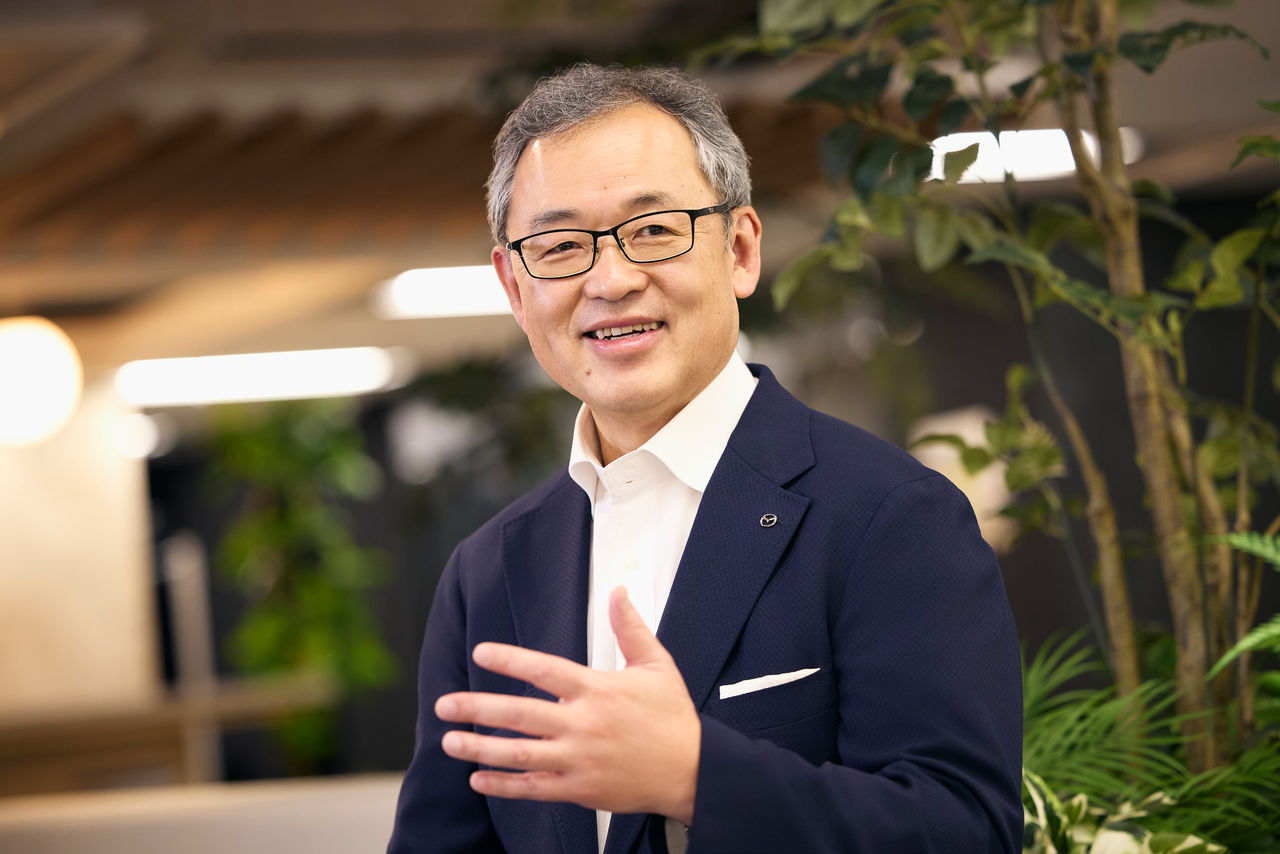
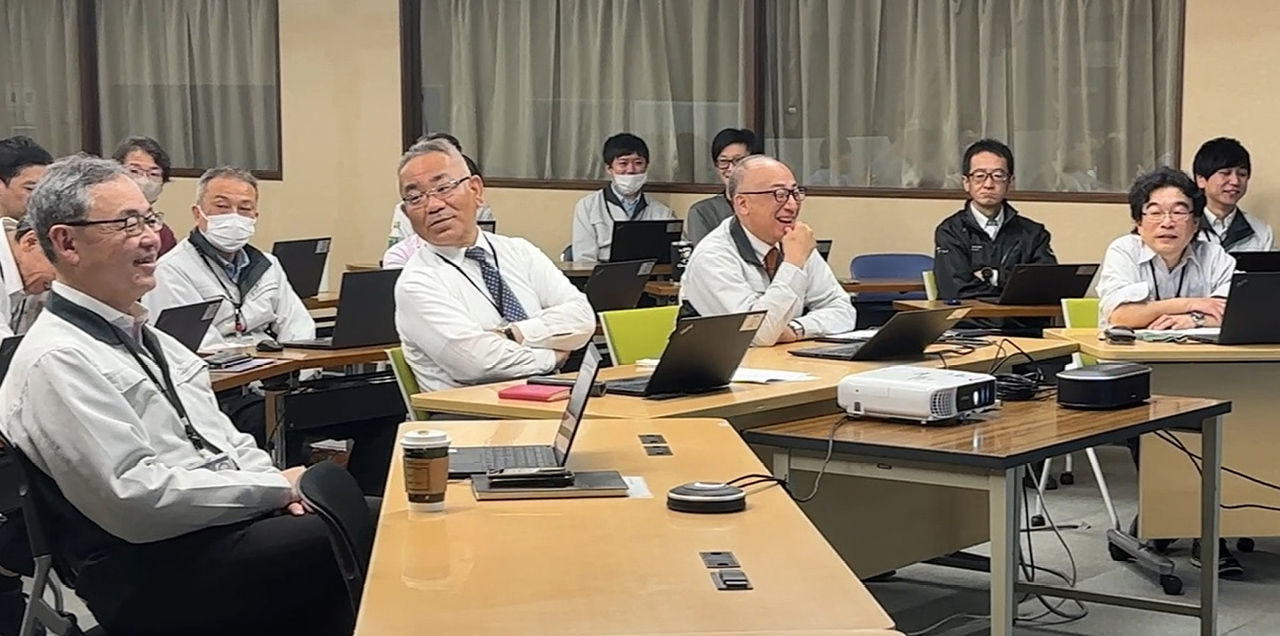
A weekly meeting where all team members proactively contribute to lively discussions

A weekly meeting where all team members proactively contribute to lively discussions


As the CCO, how will you enhance corporate value amidst inflation and the rising cost of raw materials?

We cannot control changes in the external environment. However, we can lower our break-even point, improve profit margins, and strengthen the resilience of our business by relentlessly optimizing our costs and fixed expenses. In Phase 2 of our Management Policy up to 2030, we are committed to implementing structural reforms totaling 100 billion yen in structural cost reductions and 100 billion yen in fixed cost reductions. Beyond Phase 2, we will continue refining our product and technology development processes to deliver “Mazda Ryohin-renka” so as to consistently improve profitability.


Cost improvement is not the responsibility of any one division—it is the responsibility of each and every person involved with Mazda. We believe that fostering a culture in which everyone takes ownership of costs and consistently works toward improvements will result in a stronger business foundation and, ultimately, sustainable growth in corporate value. We are also placing a strong emphasis on developing our people so that these ways of thinking, processes, and practices are reliably passed on to the next generation. By working on structural cost reductions and fixed cost savings while also developing talent, we aim to establish Brand Value Management as simply “the way we do things” at Mazda and build a robust business foundation that will be resilient to changes in the business environment.


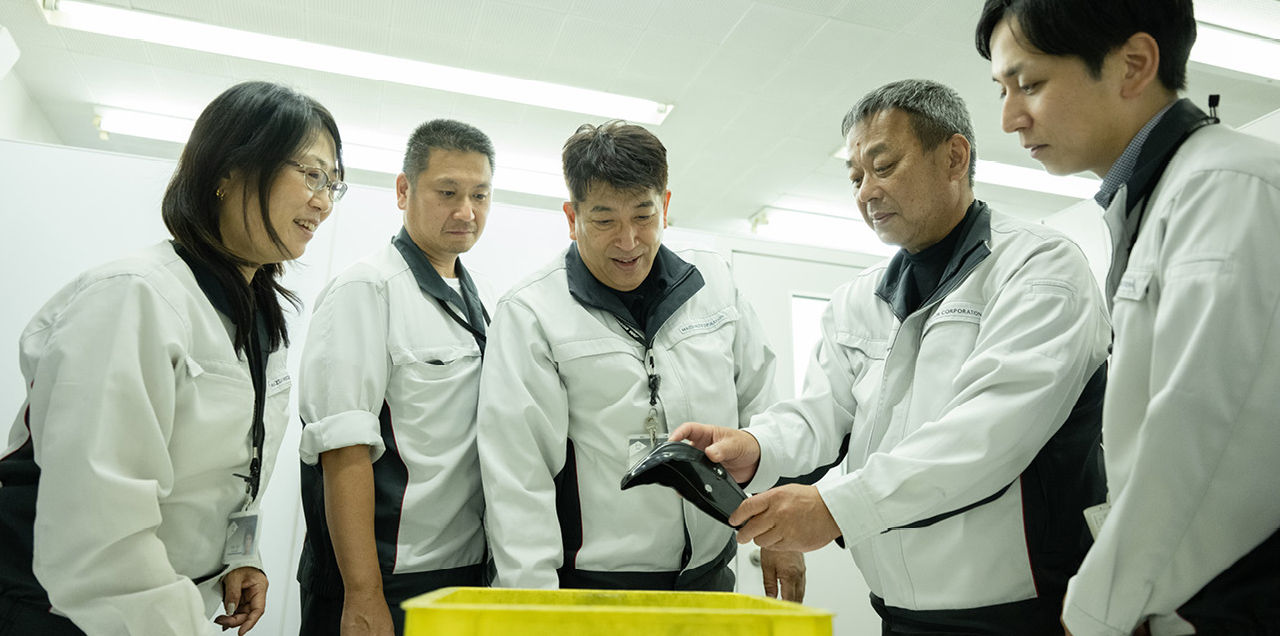
Employees working on packaging improvement initiatives Creating Value Starting with Packaging Improvements A single vehicle is made up of approximately 30,000 parts, each packaged and delivered to us by our business partners. To maintain parts quality, we have added packaging to protect against condensation, scratches, and vibration. In some cases, this led to excessive packaging and substantial work to sort, dispose of, and recycle the materials after unpacking. As part of structural cost reduction efforts, we are reviewing packaging materials, asking ourselves questions like, “Is this packaging truly necessary?” and letting the answer guide packaging improvements. Reducing cushioning materials by even a single sheet can result in less packaging and disposal work as well as a smaller environmental footprint. Instead of applying a universal quality standard such as “not a single scratch is acceptable,” we are working to discern the level of quality our customers

Employees working on packaging improvement initiatives