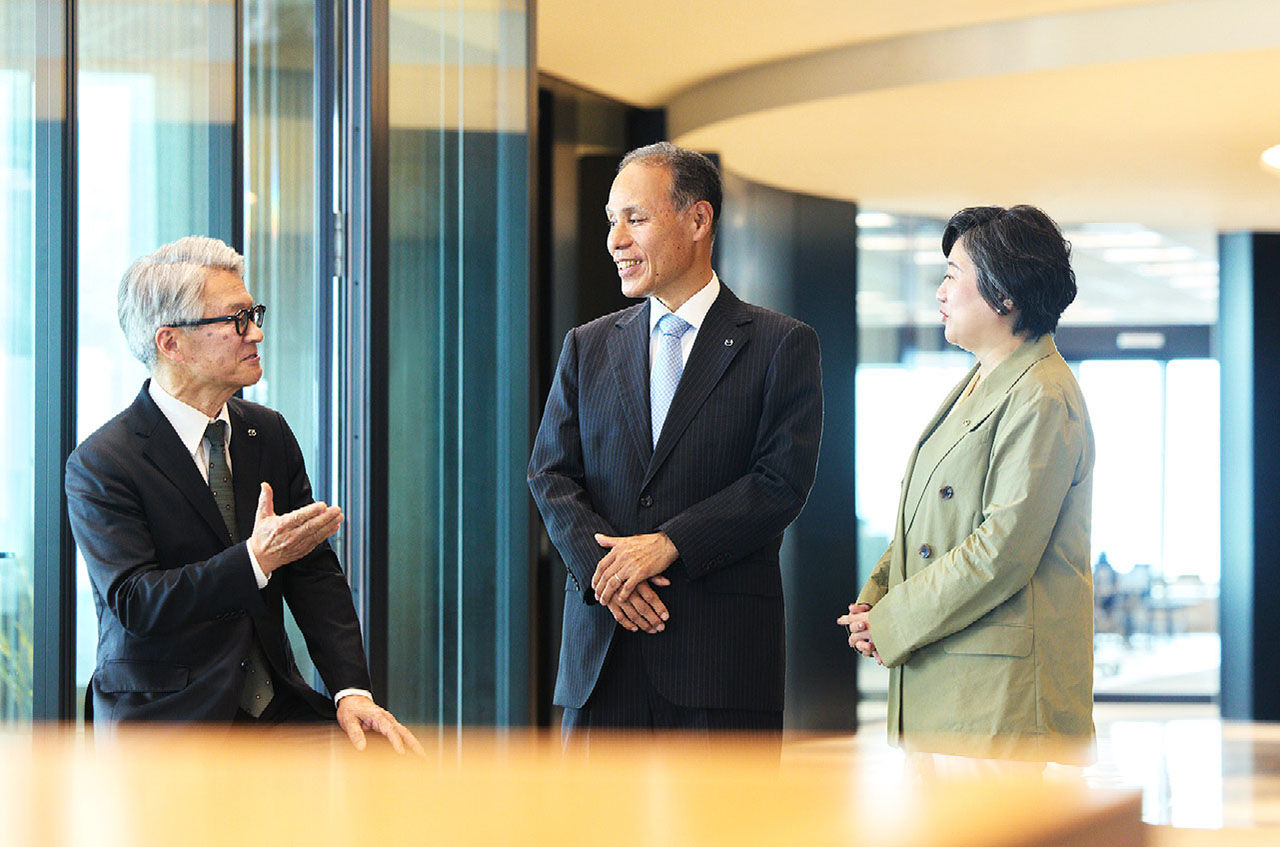
OUTSIDE DIRECTORS ROUNDTABLE DISCUSSION
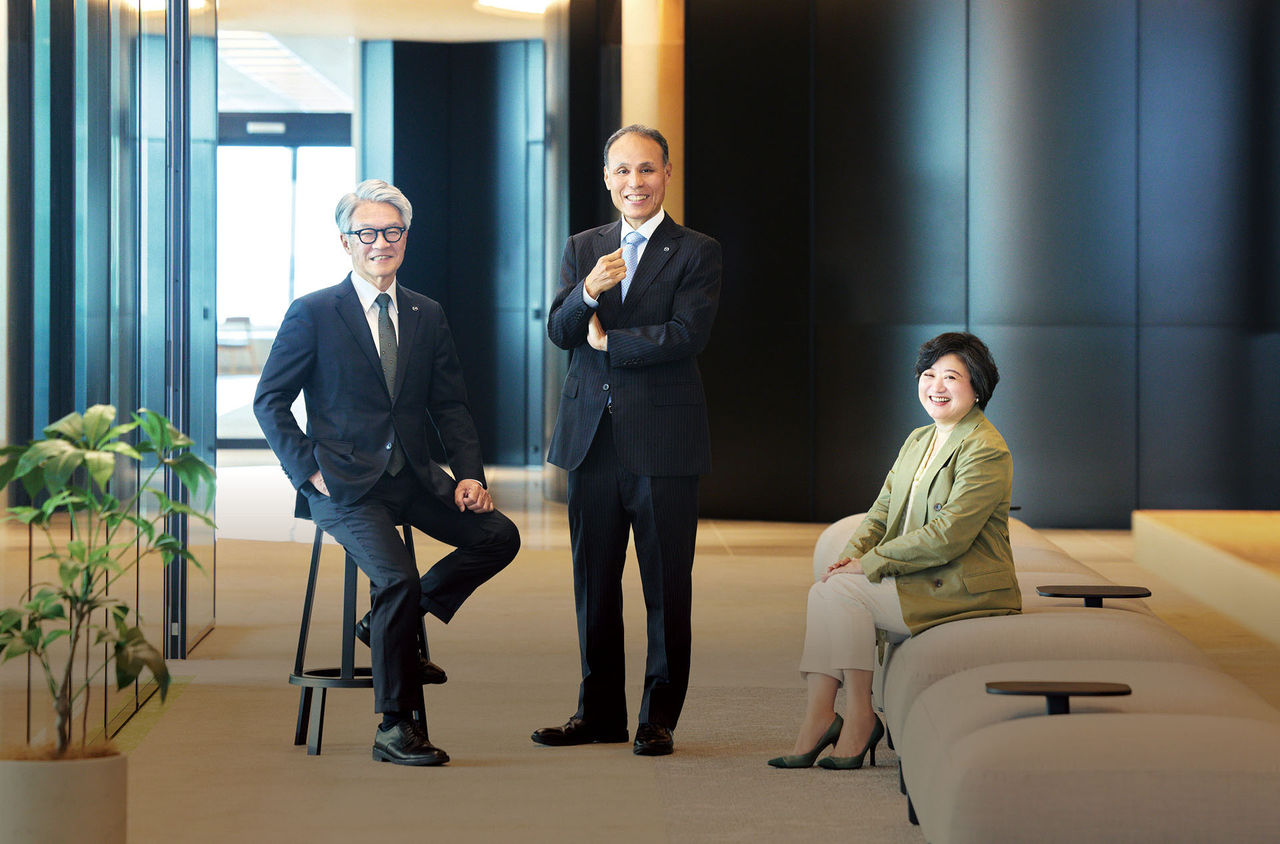
- How would you assess the effectiveness of Mazda’s Board of Directors?
- Please tell us about the discussions on long-term strategy and the views you expressed.
- How would you assess Mazda’s progress in embedding and practicing Brand Value Management?
- How do you view Mazda’s valuation in the stock market, and what do you believe is needed to enhance corporate value?
- How do you view Mazda’s relationships with local communities and the supply chain in the context of its sustainable growth?
- What are your expectations of Mazda’s management team in order to ensure sustainable growth, and how do you view your own role?
How would you assess the effectiveness of Mazda’s Board of Directors?
Oikawa:
When I first joined Mazda as an outside director in 2025, I was immediately struck by how lively and dynamic discussions among the Board of Directors were. Each and every director contributes insights grounded in their own expertise, engages seriously with the views of others, and speaks freely and honestly, whether in agreement or disagreement. I believe the quality of these discussions supports the effectiveness of the Board of Directors.
Inoue:
Issues and recommendations identified through Board of Directors effectiveness evaluations are appropriately incorporated into improvements to Board operations, and ongoing plan–do–check–act cycles are functioning effectively. For example, we recommended strengthening reporting on key issues such as development, production, and quality. The reports were revised the following fiscal year, leading to even more substantive discussion by the Board of Directors.
Sugimori:
I also believe that the issues facing the Board of Directors are being addressed year by year, based on the directors’ open and honest responses in the effectiveness evaluations.
One significant change in FY March 2026 was that the heads of key overseas distributors attended Board of Directors meetings and reported on strategies for their respective markets, enabling us to deepen our discussions. This followed my observation that, while our discussions of Mazda’s product portfolio were substantive, we needed to strengthen our discussions of market strategy and consider the two together. In addition, in response to calls for deeper discussion of medium- and long-term strategy, the Board held four half-day off-site meetings. These gave us the time and focus to thoroughly discuss the long-term strategy needed to realize our aspirations for 2035.
Inoue:
I see the Board of Directors as having two primary functions: setting the overall direction for corporate strategy and other key matters and overseeing the execution of business. Our ongoing work on long-term strategy has enabled the outside directors to become deeply involved in the first of these functions, which is a significant achievement. Regarding the second function, reports now focus on the issues we identified as priorities for discussion.
Another point that has stayed with me is that, in the effectiveness evaluation survey, Mazda’s internal directors objectively identified the need for deeper discussion of sustainability and geopolitical risks, as well as stronger product planning aligned with market strategy. Outside directors have a particular responsibility to objectively identify and raise management issues, and this experience reminded me of the importance of that role.
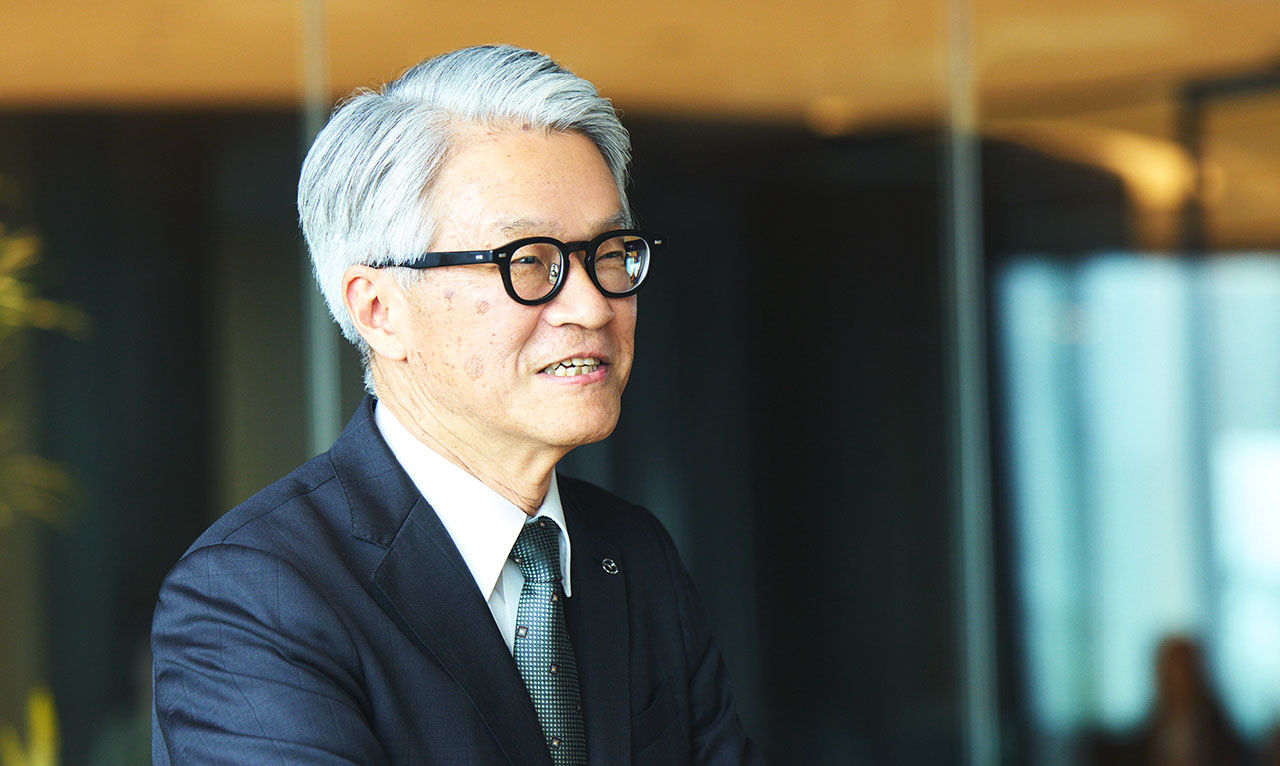
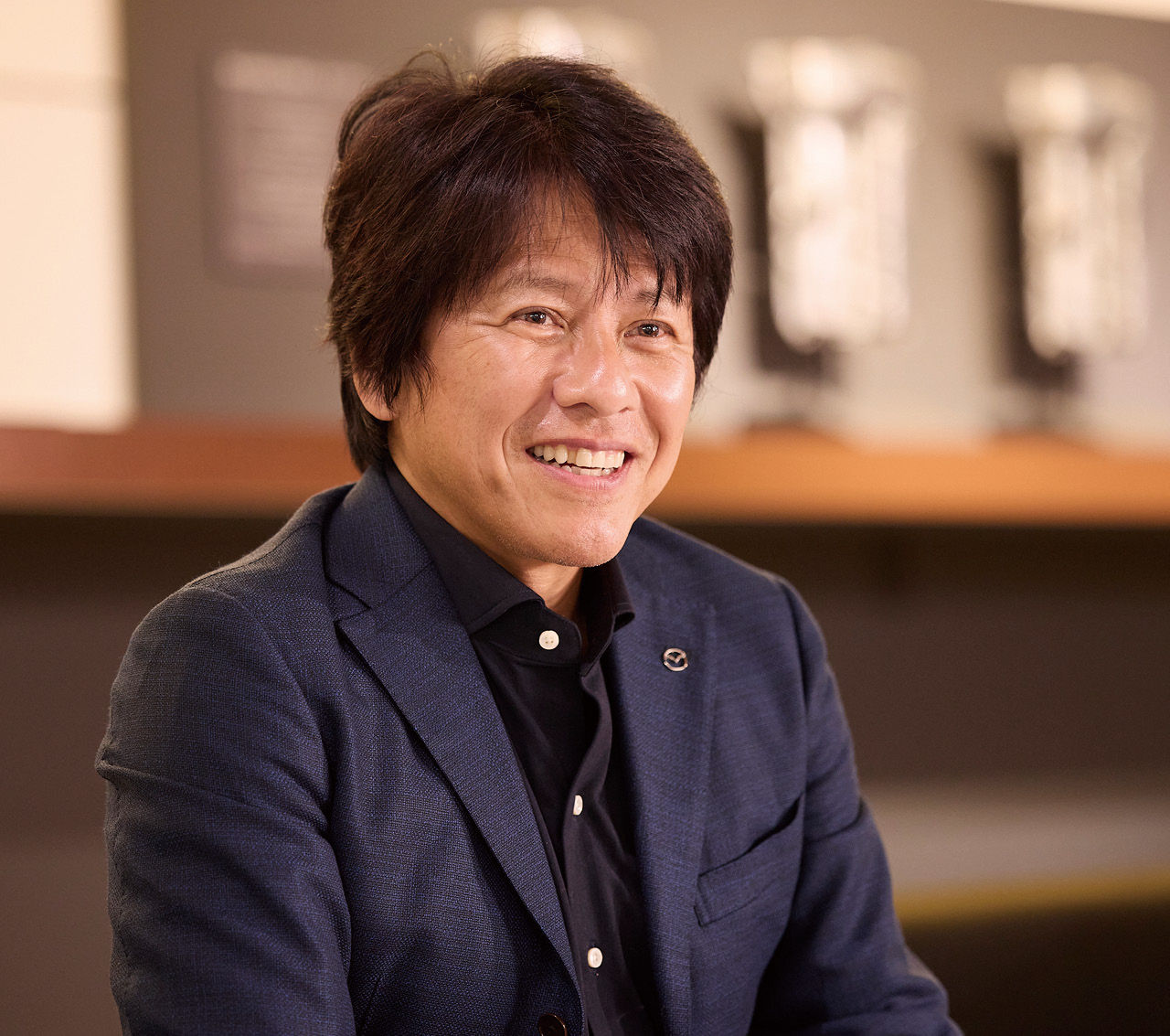
Hiroshi Inoue
Director, Audit & Supervisory Committee member
Oikawa:
As we worked together with management to discuss Mazda’s long-term strategy, we repeatedly asked ourselves the questions, “What is Brand Value Management?” and “What is Mazda’s unique value?” I sense a growing commitment to identify and address issues that are fundamental to the business. Being involved in shaping this strategy has strengthened my resolve to fulfill my responsibilities as an outside director and contribute to Mazda’s future.
Please tell us about the discussions on long-term strategy and the views you expressed.
Sugimori:
When developing Mazda’s long-term strategy, the executive team shared its thinking with us early in the process. If a proposal comes before the Board of Directors after the direction has already been set, it is difficult for us to change it. Being involved in the discussions from an early stage enabled me to offer a range of views as an outside director. For example, when discussing how to structure the business to remain profitable even in the face of anticipated external risks, we considered what strategy would be appropriate in a rapidly changing environment. We also continued to challenge the validity of the metrics and targets to be used for monitoring progress on key initiatives. As an example, for human resources, I advocated placing greater emphasis on enabling people to thrive and developing talent. I believe this helped foster constructive discussion.
Oikawa:
In considering how to assess sustained growth in brand value, I have continued to ask whether our metrics truly measure customer value. Metrics such as sales volume are certainly important, but they primarily reflect results for a single year and cannot fully capture the multifaceted nature of brand value. I am committed to setting metrics and targets that capture the true value of our brand from multiple perspectives: how deeply customers feel connected to Mazda, how willing they are to recommend Mazda to others, and how engaged Mazda employees are. This strategy sets out the future Mazda envisions for 2035. I believe the role of the Board of Directors is to bring the strategic narrative for achieving that future into focus.
Inoue:
An officer remuneration system that supports this strategy is essential to making it effective. Which metrics should be linked to remuneration—and how—remains a key issue for us to consider.
How would you assess Mazda’s progress in embedding and practicing Brand Value Management?
Oikawa:
While employees are now familiar with the term Brand Value Management, translating it into day-to-day behavior remains a work in progress and is an area where we need to focus even more attention going forward. This requires a process through which individual employees can reflect on what Brand Value Management means and internalize it for themselves. In this context, I believe sustained efforts such as Mazda Mirai 2026 and Blueprint organizational culture reform initiatives play an important role in helping individual employees put Brand Value Management into practice.
Inoue:
Hearing the president and executive officers speaking about Brand Value Management in their own words and sharing their commitment directly with employees through Mazda Mirai 2026, I sensed a strong determination to help all Mazda employees understand Brand Value Management and embody it in their actions. Even as the external environment changes through electrification, vehicle intelligence, and the accelerating pace of development in China, I believe everyone involved with Mazda—from Monozukuri to customer sales and service—must share a common set of values around the Mazda brand and continue to embody these consistently.
Sugimori:
I highly commend the renewed commitment to placing Brand Value Management at the heart of the business and sharing it across the entire Mazda Group.
Oikawa:
I saw Brand Value Management come to life at Mazda Fan Festa, where distributor staff were bringing energy and ingenuity to the way they communicated Mazda’s value to customers. I saw customers’ love for the brand come alive in their smiles as they engaged with these passionate staff members. No matter how compelling Brand Value Management may be as a management philosophy, dealers are where customers truly experience the Mazda brand. I would like to see the entire Mazda Group come together as one to put Brand Value Management into practice.
Sugimori:
I had a similar experience at a dealer I visited in Thailand. They were welcoming customers with homemade sweets. Despite the challenging environment created by a limited vehicle lineup, they embraced Mazda’s management philosophy and embodied Omotenashi through their actions. This showed me just how deeply Brand Value Management has taken root. In Thailand and other markets where Mazda has a strong position, Mazda has deep relationships of trust with its dealers. I believe Brand Value Management is reaching the front lines where they engage with customers.
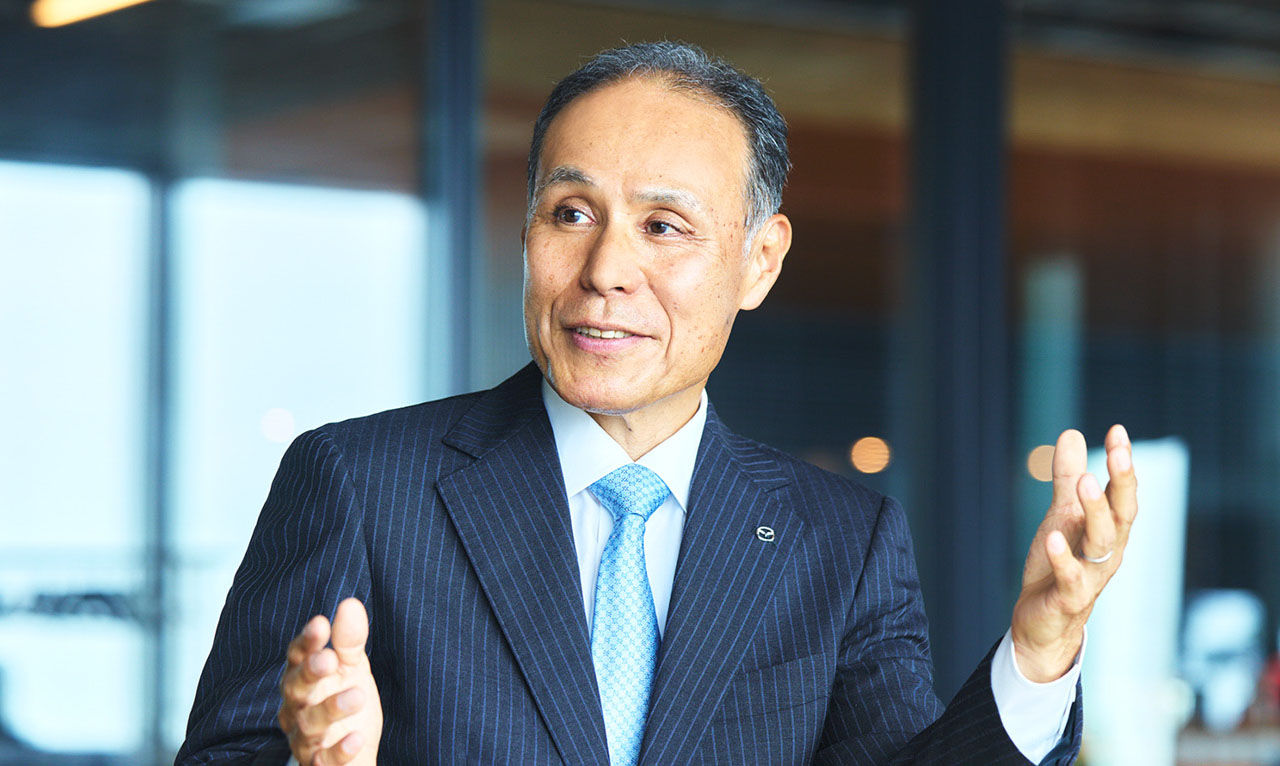
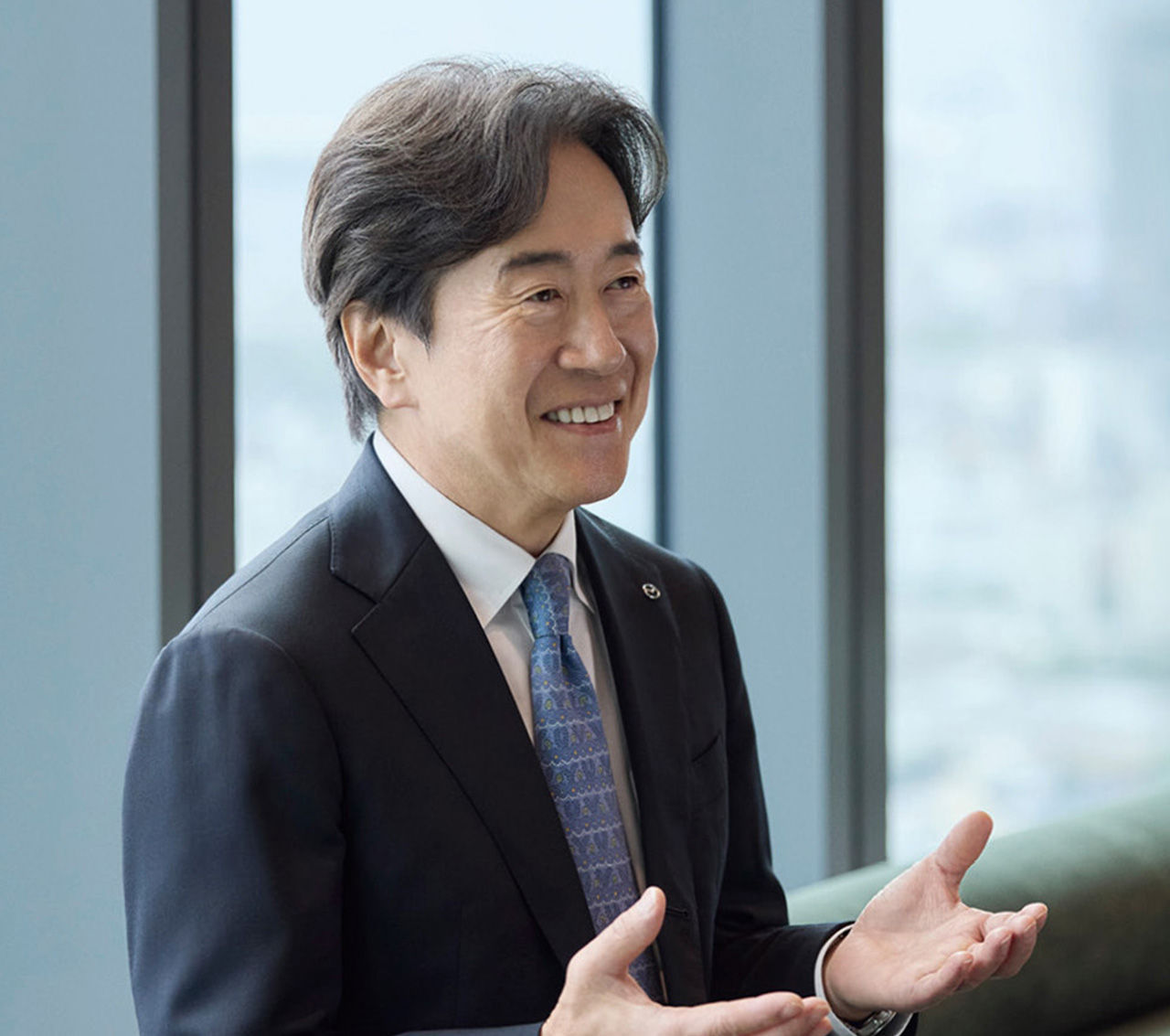
Masato Sugimori
Director, Audit & Supervisory Committee member
Inoue:
I see this being put into practice in Monozukuri. Compared with competitors’ vehicles, Mazda vehicles deliver superior driving performance while helping reduce motion sickness and fatigue. They truly embody the Joy of Driving. At the same time, the reality is that Mazda has not yet fully communicated this value to the world. Going forward, I believe it is vital that we communicate the value of Mazda vehicles to a broader audience to inspire greater interest in them.
How do you view Mazda’s valuation in the stock market, and what do you believe is needed to enhance corporate value?
Sugimori:
Mazda’s price-to-book ratio has consistently remained below 1.0 and is low relative to its industry peers. The fundamental issue is low ROE. Our first priority must be to strengthen our earning power and ability to generate cash. At the same time, raising our P/E ratio will require more than steadily building support for Mazda’s vision and strategy. We must execute our stated strategies consistently and build trust by delivering measurable results. In that respect, despite the headwinds created by U.S. tariff policy, Mazda committed to reducing fixed costs and production costs—and its financial results for FY March 2026 showed measurable progress. Under its Lean Asset and Partnership Strategy, Mazda collaborated with Chongqing Changan Automobile Co., Ltd. to respond rapidly and flexibly to demand for electrification. I see the resulting growth and measurable performance in Europe, achieved while complying with environmental regulations, as an important step forward.
Oikawa:
Brand value is meaningful only when it translates into earning power. Patient, sustained efforts to expand Mazda’s base of loyal customers will lead to higher profit margins and greater market confidence. To achieve this, Mazda must also use its public relations activities to build broad support by proactively communicating its vision for the future and how it is developing the technologies needed to realize it.
Inoue:
Low profit margins remain a challenge, but Mazda’s Lean Asset and Partnership Strategy and Multi-solution Strategy are pragmatic approaches that capitalize on its position as a smaller player in the industry. Regarding electrification, I believe Mazda is right to position itself as an “intentional follower” in BEVs and carefully assess the right timing for investment. Given the uncertainty surrounding the pace of electrification, the Board of Directors must continue to carefully consider when, where, and at what scale Mazda should produce and launch BEVs.
How do you view Mazda’s relationships with local communities and the supply chain in the context of its sustainable growth?
Inoue:
Mazda’s Monozukuri is supported by a local supply chain centered in Hiroshima and Yamaguchi. It is also deeply connected to the community through employment as one of the Chugoku region’s leading companies. I see this relationship with the community as the very foundation of its business.
Sugimori:
A shortage of talent is a major issue in the Chugoku region, making co-creation essential if Mazda and its local suppliers are to achieve sustainable growth together. I believe Mazda must move forward with co-creation through thoughtful dialogue with each of its suppliers, taking into account their financial foundation, technical capabilities, and ability to secure talent.
Oikawa:
From a talent perspective, Hiroshima faces a significant outflow of women and young people. I believe Mazda, as a leading company in the region, has a responsibility to lead the way in promoting diversity. Even as the population declines and AI and automation advance, I hope Mazda will remain a company that develops diverse talent across its surrounding communities and, in doing so, opens up new possibilities for the future of these communities.
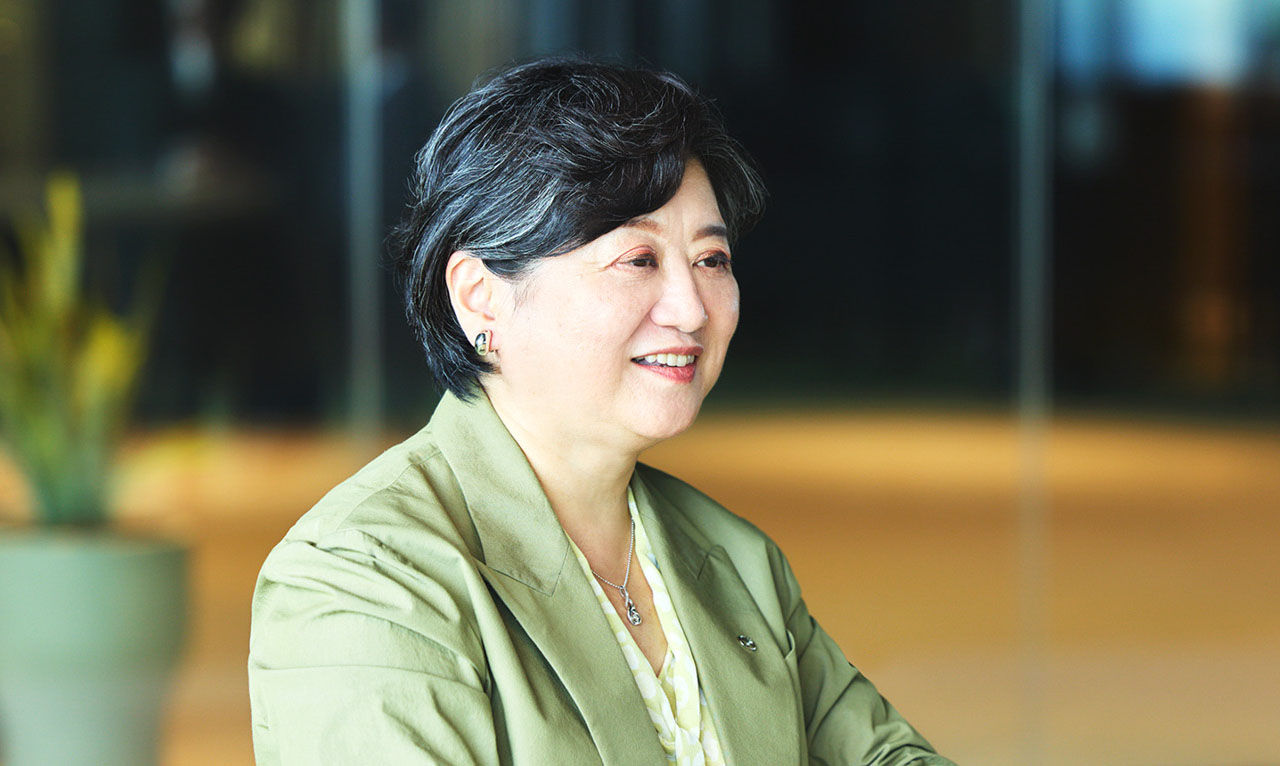
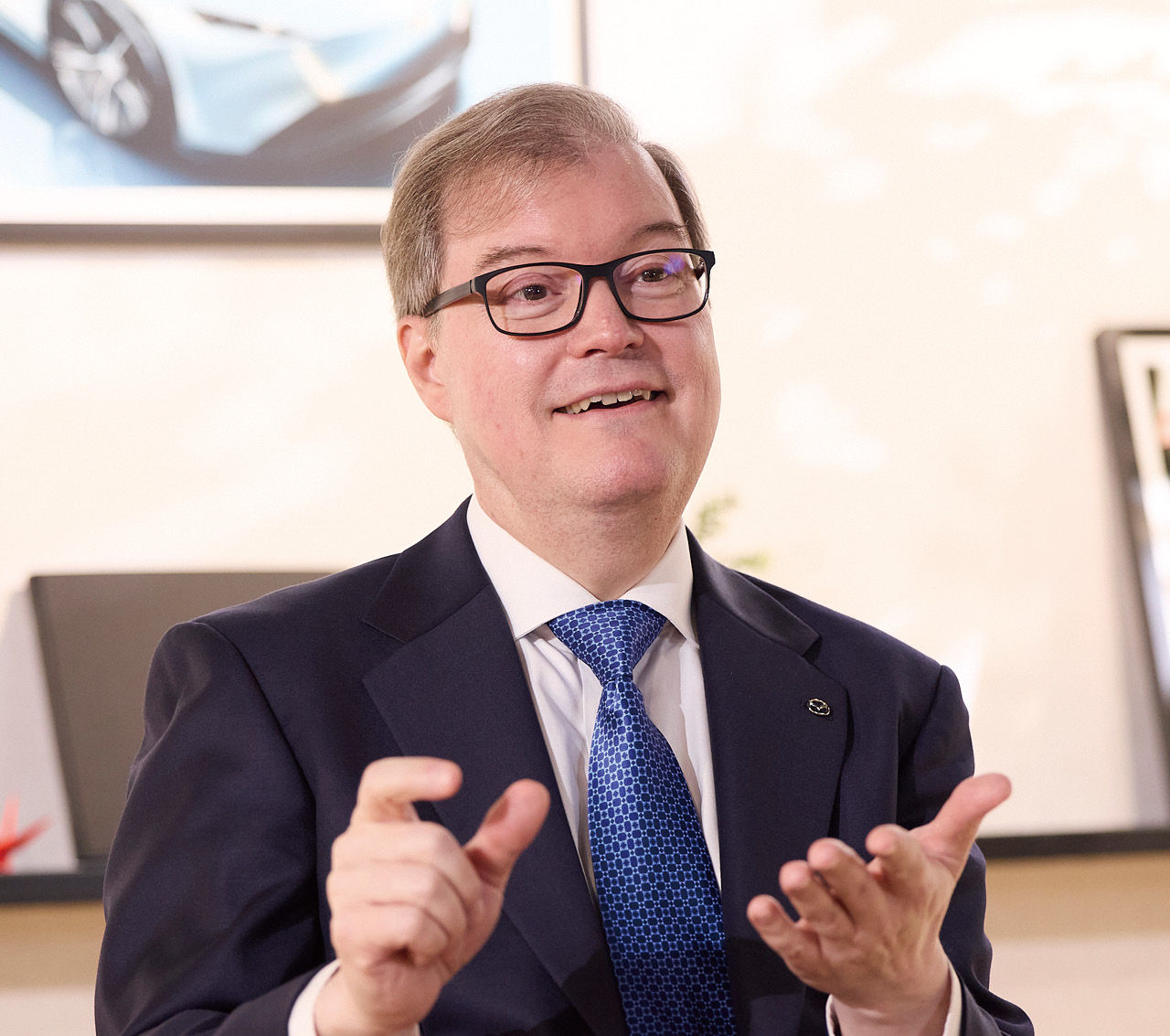
Miki Oikawa
Director
What are your expectations of Mazda’s management team in order to ensure sustainable growth, and how do you view your own role?
Inoue:
I want Mazda to remain steadfast in its pursuit of Brand Value Management. Given my background, I see my primary role as an Audit & Supervisory Committee member as identifying and preventing risks that could undermine Mazda’s business foundation. I will continue to assess whether corporate governance is functioning effectively, with a particular focus on internal control, compliance, ESG, and other nonfinancial areas.
Oikawa:
I also want Mazda to look beyond short-term earnings and focus on translating enhancements in brand value into long-term growth. Drawing on my experience in brand-building at a cosmetics company, I will continue to raise questions from the perspective of customer value, including how Mazda communicates its brand and engages with customers. With regard to human capital, I believe the next step is to deepen the discussion around talent development and performance evaluation systems, recognizing that people are the true foundation of Brand Value Management.
Sugimori:
On the people front, I also look forward to more in-depth discussions on developing management talent and succession planning. In addition to the conventional business model of relying on new vehicle sales, I believe it will be increasingly important to establish consistent, stable earnings through a value chain strategy that generates recurring revenue. Achieving this will require delegating authority to distributors while strengthening governance. As an Audit & Supervisory Committee member, I intend to draw on my practical experience in subsidiary management, both at overseas operating companies and at head office, to help enhance Mazda’s corporate value.