Search

MESSAGE FROM THE CVCO


Advancing a Companywide, Customer-centered Business Strategy to Become a Brand That Continues to Be Chosen


Masashi Otsuka

Corporate Leadership Executive Officer and CVCO

(Chief Value Chain Officer)


Highlights


1.  Shifting to a companywide, cross-functional strategy centered on a single question: “What will it take to be chosen by customers?”


2.  Engaging a broad range of internal stakeholders in discussions on our long-term strategy toward 2035


3.  Using shared information and data to enable faster decision-making and more efficient PDCA cycles


How do you approach business strategy in an era of change?

Mazda is a small player in the automotive industry, so as conventional industry structures and business models change and competition intensifies, we must remain a brand that continues to be chosen by customers if we are to achieve sustainable growth. To make that possible, we are rethinking our approach to business strategy.


In the past, individual functions within the company—including product, technology, human resources, and production—each tended to have their own strategy and optimize it independently of one another. However, Brand Value Management demands that every area of the business unite around a common question: “What will it take to be chosen by customers?”


That is why we revised our business strategy framework in 2025, connecting previously isolated strategies and taking an integrated approach to strategy discussion and implementation. We are now discussing an integrated, companywide long-term strategy for what we want Mazda to be in 2035—one that encompasses our products, technologies, markets, talent, and other areas of the business.


Mazda generates revenue only when we provide customers with vehicles and brand experiences that they find valuable. No matter how the world changes, this will remain the same. On top of this, purchasing a vehicle is only the beginning for our customers. We must continue delivering value throughout the entire ownership experience. That is precisely why all areas of the business must work as one to create value for customers.


For example, Mazda traditionally had a strong product orientation and built its business plans predominantly around product and technology strategies. We are now deepening the connection between these strategies and our market strategies to ensure that our medium- to long-term product plans fully reflect what our customers and markets are telling us. This goes beyond simply improving the product planning process. It also represents a shift in how we manage the business: rather than starting with products and then considering market factors, we begin by asking, “What will it take to be chosen by customers?” and develop our products, technologies, and services accordingly.


To ensure transparent decision-making that serves the company as a whole, we bring leaders from across the organization together to discuss strategy. Leaders from product development, sales, service, and other divisions participate in strategy discussions from the earliest stages, alongside leaders from different markets and outside directors. Together, they discuss companywide priorities and direction from the perspective of our customers and markets. As part of this process, we deliberately revisit whether our strategies are aligned, bringing contradictions and gaps to the surface to inform companywide decision-making. These reforms are changing the way we do business. Having “What will it take to be chosen by customers?” as our shared decision-making criterion enables each area of the business to bring its strategies into alignment and work together as one to create value.
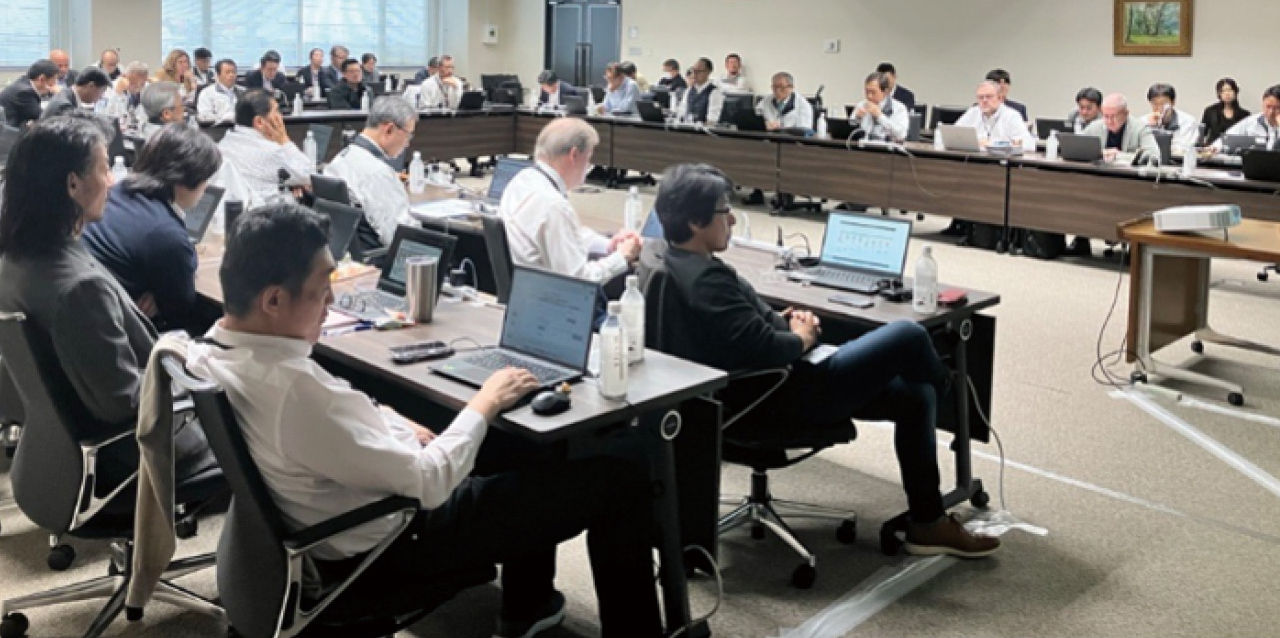
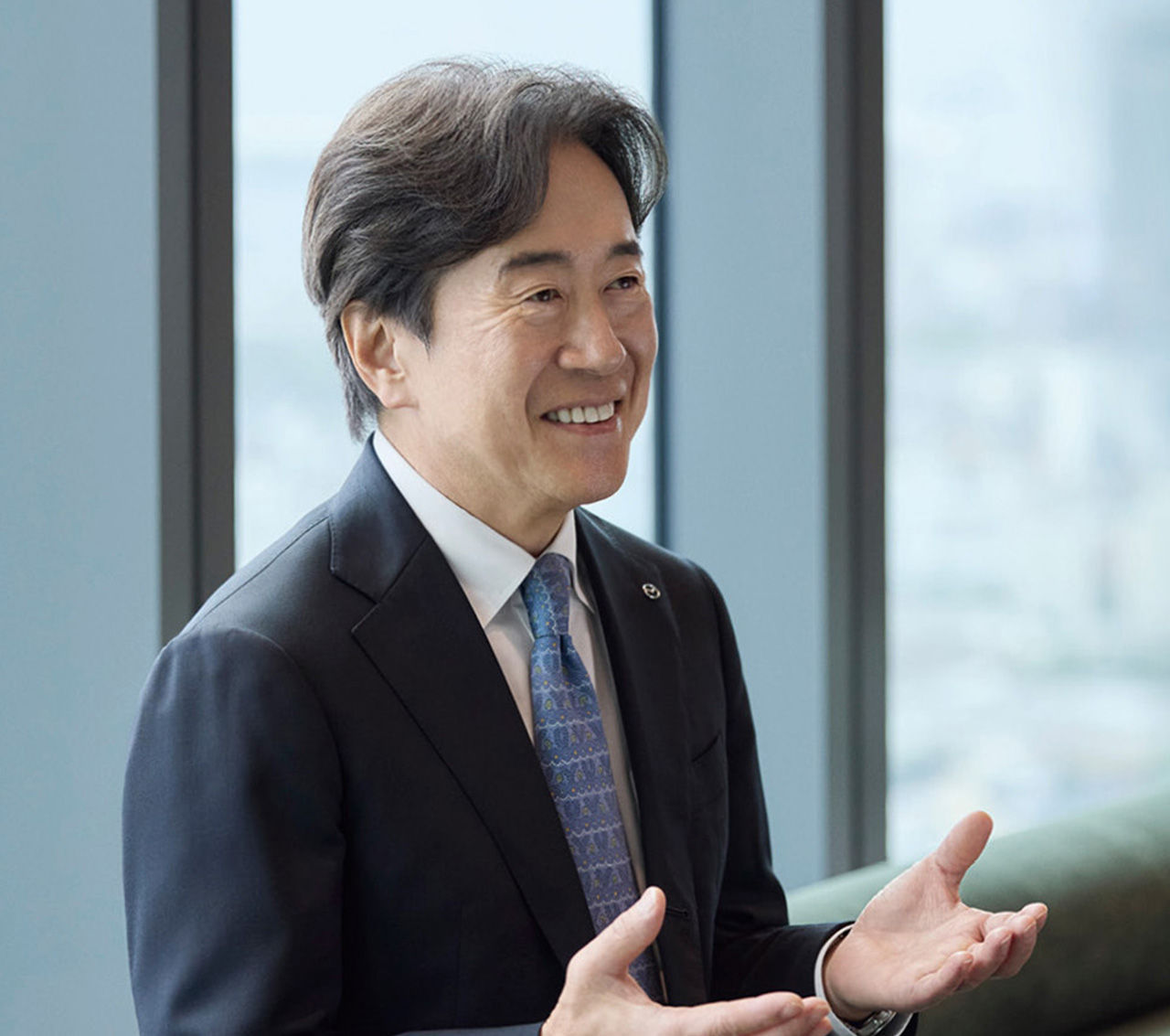
Companywide strategy discussions

Companywide strategy discussions


How will you put this strategy into action?

Putting Brand Value Management into practice requires a robust business foundation that allows the entire company to work toward shared goals, discuss issues based on the same information, and make decisions quickly. That is why we are working to embed the principles of “faster, simpler, and more efficient” throughout every area of the company. This is not just about cutting costs or improving efficiency. It is about concentrating our limited business resources on creating value for customers. Using AI and data, we will accelerate decision-making, shorten development lead times, improve inventory turnover, and reduce both product costs and fixed expenses. We will then reinvest the resources this frees up to further strengthen our competitiveness by improving our products, services, and customer experiences. To make this a reality, we are pursuing two major initiatives.

Initiative 1.  Responding swiftly to changes in the external environment:

In an era of heightened uncertainty, it is crucial that we are able to identify changes in markets, government policies, and the regulatory landscape as early as possible and ensure this information is promptly reflected in management decisions.


We have a framework for this in which our external affairs and research department and other specialized internal divisions are always gathering and analyzing information, enabling management to quickly factor these findings into decisions. We have also gained early visibility into regulatory developments and changes in market conditions worldwide, enabling us to make informed investment decisions and adjust our business operations as needed. For example, when the United States introduced new tariffs in 2025, we were able to respond swiftly in light of demand trends and policy changes, helping us improve our cost position. We will continue to make agile management decisions by accurately assessing changes in the external environment.

Initiative 2.  Advancing data-driven management:

In 2026, we reviewed our material issues and reframed them as management priorities for achieving Brand Value Management. We are now working to establish companywide metrics linked to these priorities and develop a framework to drive PDCA cycles through progress monitoring.


We are also using AI to consolidate global data and develop management dashboards that support optimal companywide decision-making. By integrating information that was previously isolated within individual divisions, we are creating an environment in which everyone—from operational employees to senior management—can discuss issues and make decisions based on the same facts. These initiatives are being led by the Mazda AI Transformation (MAX) Project Office, a dedicated, cross-functional structure established in September 2025 to drive companywide AI adoption.


For example, real-time visibility into global production and sales will allow us to optimize production and sales in line with demand and maximize cash flow. By putting this foundation in place, we will be able to identify changes affecting customers and markets early on, share these insights across the company, and improve the quality and speed of decisions that enhance our brand value.


How will you lead companywide transformation?

Even amid rapid changes in the business environment, my responsibility is to work with my colleagues to envision the Mazda we want to pass on to the next generation and chart a path toward making that vision a reality. Advancing our business strategy means putting Brand Value Management into practice across the entire company. Rather than allowing individual divisions such as product, technology, markets, human resources, and production to optimize their strategies independently of one another, we must unite around a single North Star: continuing to be chosen by customers. This shared focus can then guide our decisions and keep us moving in the same direction. I see my role as bringing the entire company together. I will move forward with our business strategy that aims to create an environment in which people with different perspectives and expertise can come together to discuss issues with a shared goal in mind and translate these discussions into management decisions.


In an era of heightened uncertainty, we cannot allow ourselves to be buffeted by change. We must remain an organization that creates change rather than one that is swept along by it. We will continue to build an environment in which everyone can engage in active discussion based on the same information, make timely decisions, and take action.


Building brand value does not happen overnight. By connecting the entire company and consistently working to strengthen our ability to make decisions and execute as one, we will create value that makes us a company that continues to be chosen and therefore one that continues to experience sustainable growth.