2026.07.24
Believing in People, Reforming Culture: People As the Drivers of Brand Value
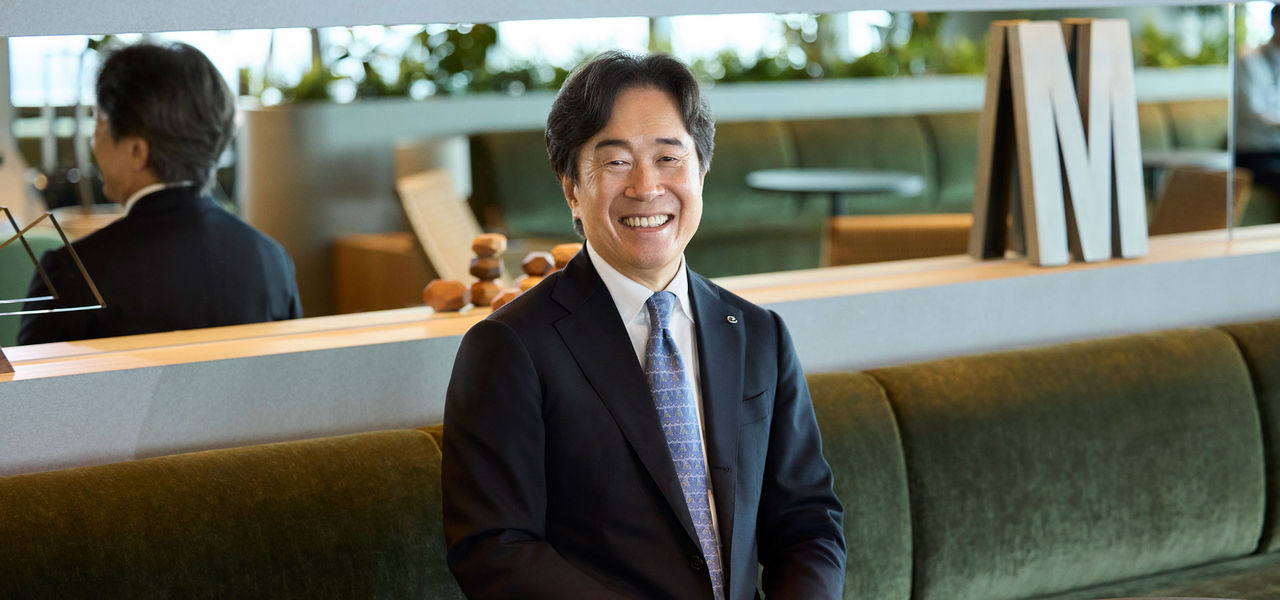
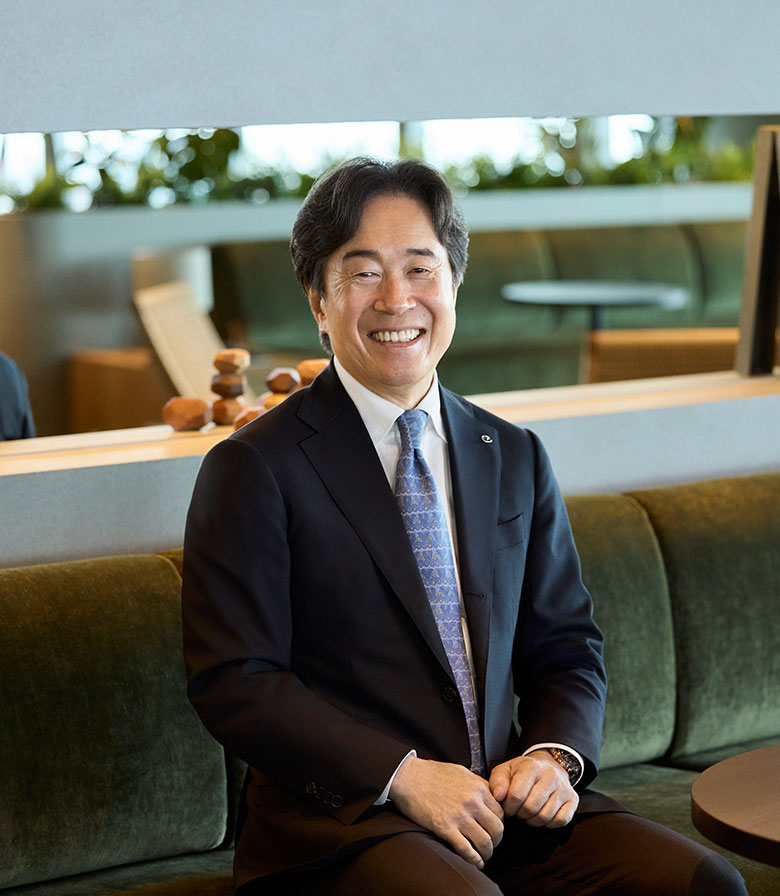
In Part 1, we explored how CEO Masahiro Moro, guided by the belief that a company's strength comes from its brand value not its size, committed Mazda to brand value management. In Part 2, we look at how he puts that into practice, through his experience leading Mazda's North American operations and the company-wide culture program Blueprint and what it really takes to unlock the potential of the people behind that value.
- A North Star for the Brand: Why Mazda's Brand Purpose Doesn't Mention Cars
- Lessons from North America: How to Break an Organization's Bad Habits
- Challenging Assumptions to Change Culture from the Ground Up
- True Diversity: Understanding the Story Behind Each Person
- Change is Inevitable: Turning Challenges into Opportunities
A North Star for the Brand: Why Mazda's Brand Purpose Doesn't Mention Cars
Moro:
The first thing I did was establish a brand purpose. Something that gives every Mazda employee a shared goal, a north star to come back to when things get uncertain. Brand value is created by our people, and they need to feel a sense of meaning in their work. Something that helps each of them move forward with conviction, even in times of rapid change.
That brand purpose became "Enrich life-in-motion for those we serve."
Moro:
That's right. Leaving the word "car" out of the brand purpose sparked fierce debate internally, with some people questioning the logic behind it. But the response from early and mid-career employees was very positive. We heard a lot of: "I want to use technology to make people happy." "I want to create technology that contributes to society." That told me we were on the right track.
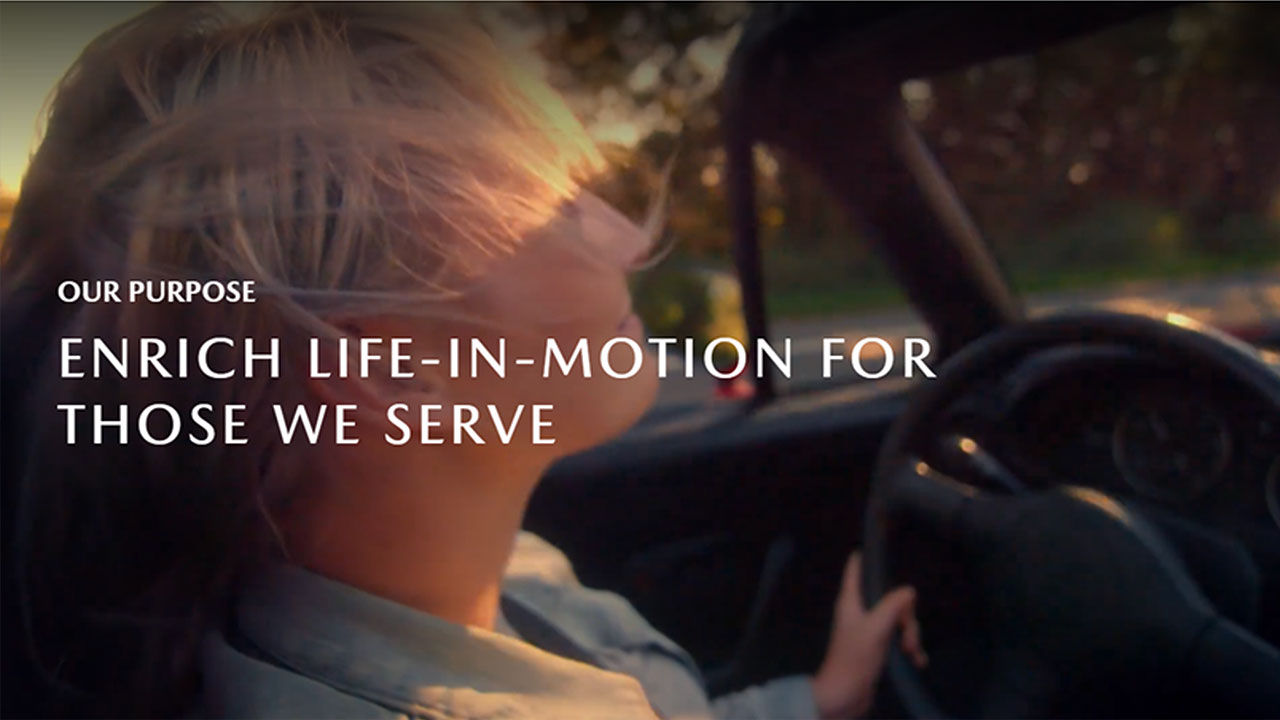
I'll admit, when I first saw the Purpose statement, I also wondered about the absence of the word "car."
Moro:
At Mazda, what we want to deliver isn't a car. It's the smile on someone's face. The happiness in their life. That's why we didn't limit our purpose to cars. And the purpose also carries something deeper, rooted in Hiroshima and in what Mazda stands for. The people who rebuilt this city after the tragedy didn't dwell on what tomorrow might bring. They stayed in motion, moving forward with positive energy, and that helped rebuild a city. However difficult the times, people can face them and come through.
That belief is at the heart of what we do. The products and services we put into the world should bring joy. Technology should make someone's life better and contribute to society. That conviction is what led us to this brand purpose.
Has putting the brand purpose into practice been straightforward?
Moro:
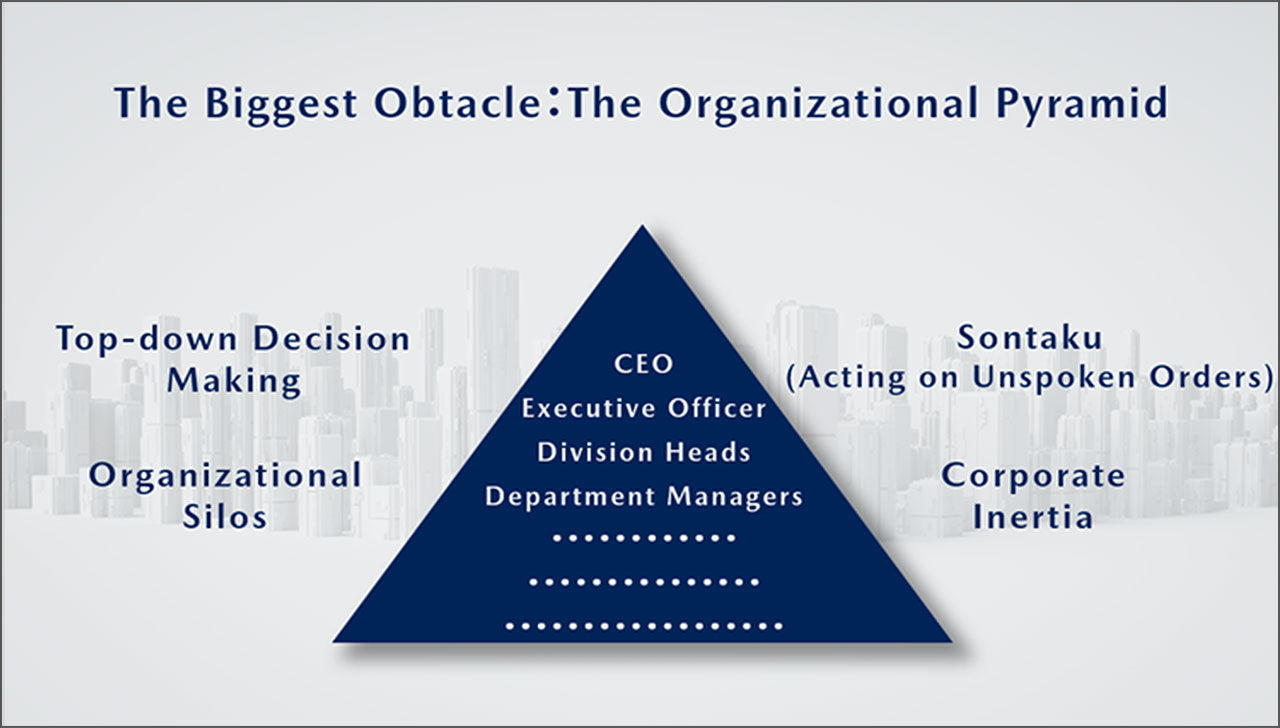
Great question. Even the most committed individuals can't make an impact if the system is working against them. Top-down decision-making, the practice of sontaku or people acting on unspoken orders, organizational silos. Those habits existed at Mazda too, and they were the biggest obstacle. Without changing the system, you can't unlock the full potential of your people. That's something I came to understand firsthand during my time in North America.
Lessons from North America: How to Break an Organization's Bad Habits
Moro:
Before this role, I spent six years as president of Mazda North America. When I arrived, the organization was a classic top-down pyramid, with instructions flowing down from the CEO, who was furthest from the customer. And the pressure from the top was strong. Every individual was hardworking and passionate, but there was little creative initiative, and personal effort wasn't translating into results.
A company's strength can be defined in many different ways, but I believe a company's true strength lies in the sum of what each individual contributes. In management, it's common to think about a company's resources across nine categories. But for Mazda, as a smaller player, the resources that matter most come down to five: human, intellectual, organizational, relational, and information. These are where we can genuinely compete. And of all of them, human resources — our people — are the most important.
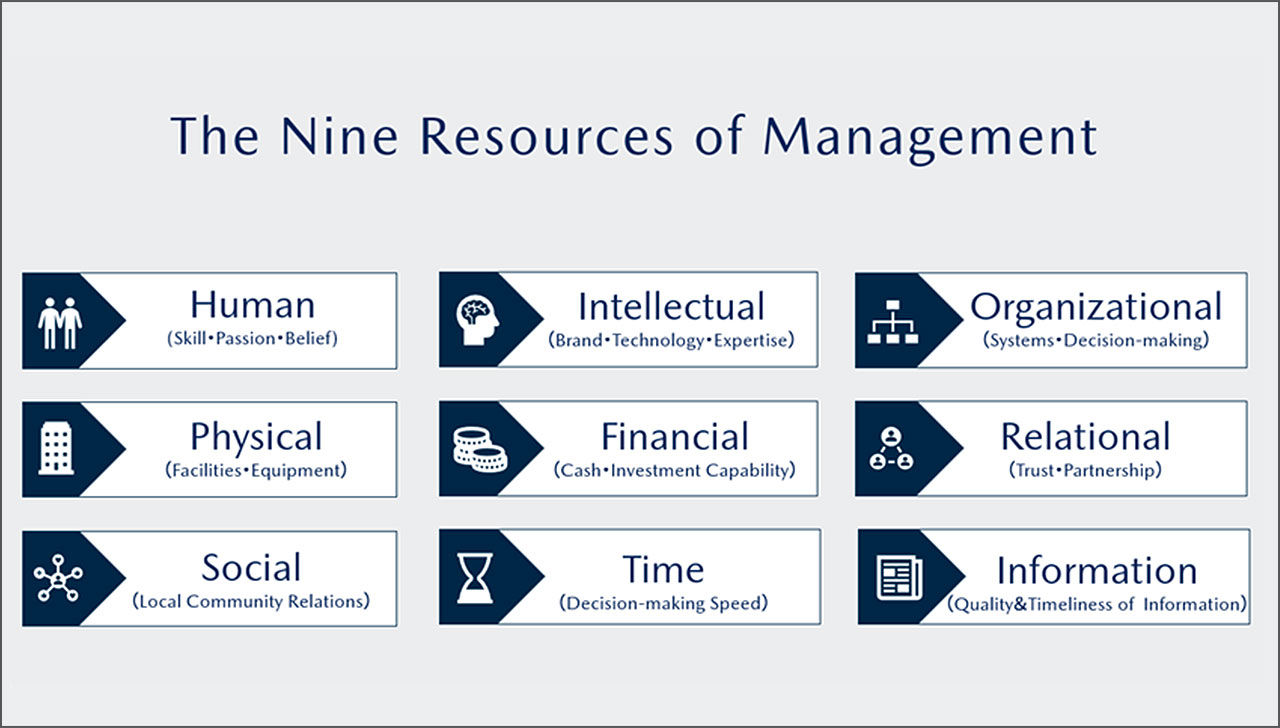
When people develop their skills, knowledge grows. When people act with integrity, trust grows. People are the lever that moves everything else. And bad organizational habits jam that lever, stopping things from moving forward. That was exactly what was holding back Mazda North America Operations.
Something needed to change. So, I flipped the pyramid. Based on the principles of brand value management, we restructured the organization so that every employee faced the customer. We pushed decision-making into the field and opened up genuine dialogue at every level. Within two years, both the culture and the results had changed significantly.
What did that change look like in practice?
Moro:
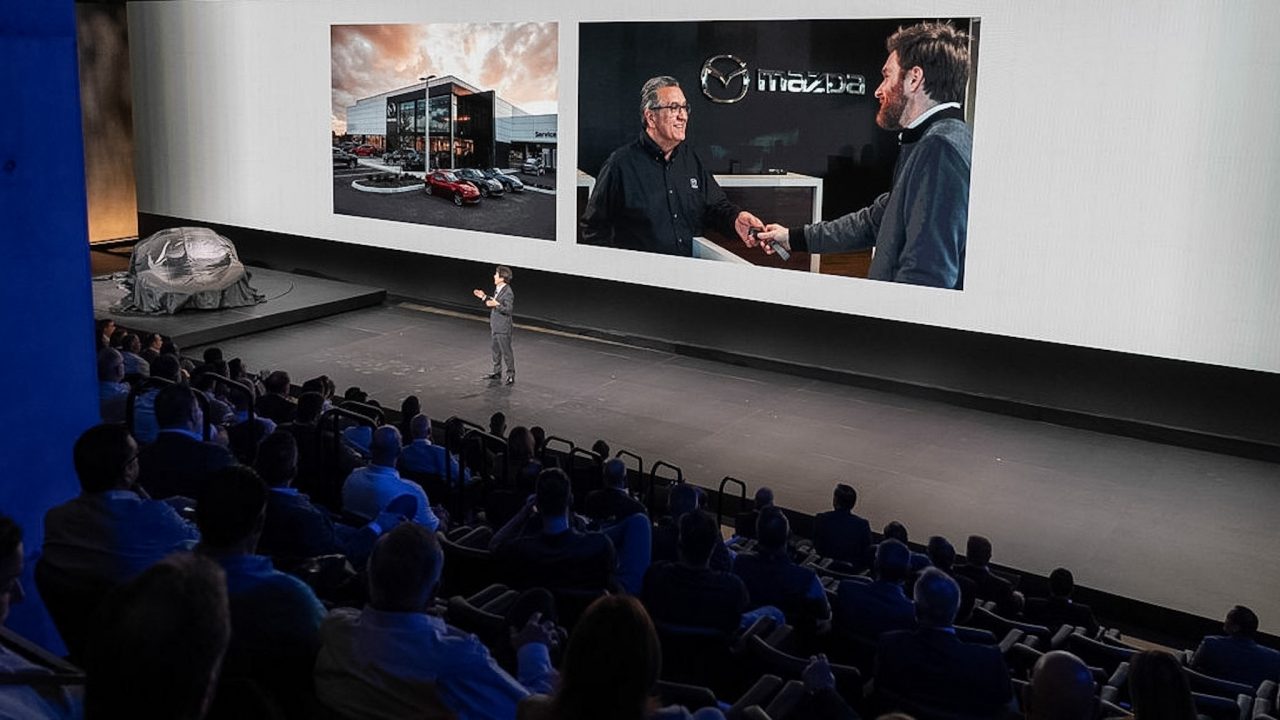
The example that stays with me most is a program called Essential Car Care, which came directly from an employee idea during the pandemic. The program involved working with our dealer network across the US to offer free oil changes, safety inspections and sanitization services to healthcare workers. I knew straight away that this was something Mazda could do alongside our dealers, even without manufacturing facilities in the US, and I went directly to headquarters in Japan to make it happen. Nobody would have criticized us for sitting it out. If anything, the safer option was to do nothing. But this was Mazda's centenary year, and whether as a company or as one person standing on the ground, I felt we had to act. We found the funding and made it happen.
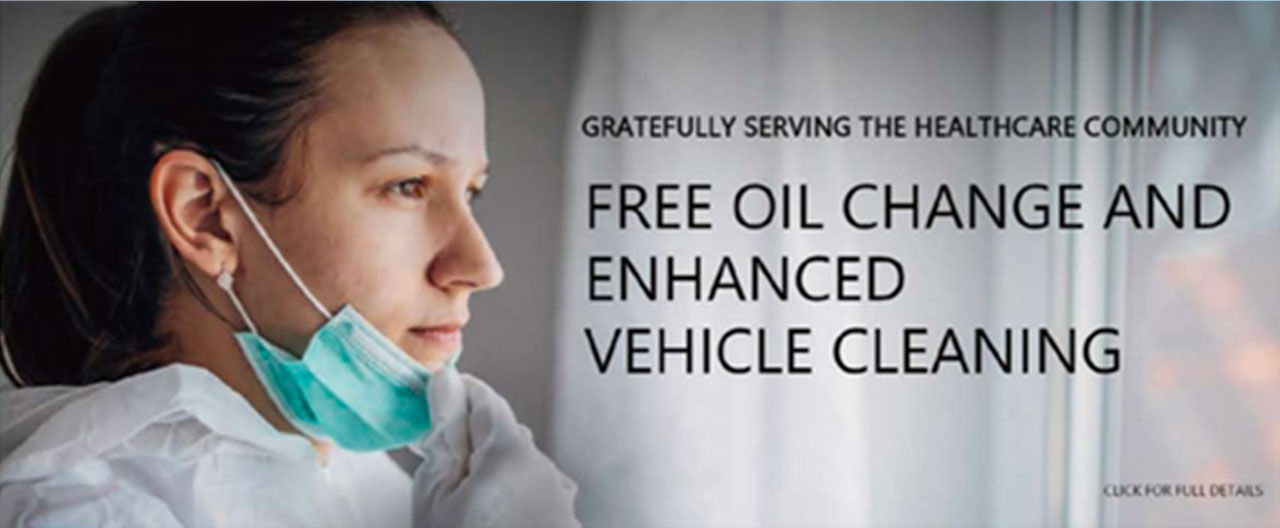
During the COVID-19 pandemic, Mazda's Essential Car Care program offered free sanitization and oil changes to healthcare workers, regardless of vehicle make and model.
Over two months, more than 50,000 people used the service. of which 70% were driving a vehicle other than a Mazda. What struck me most, though, was what it did to our people. It lit something up in the North American team. It gave them a real sense of pride in the brand. After that, I could feel the momentum shift across the business: in how we approached the dealer network, new locations, the customer experience, and the level of initiative people showed. Sales in North America grew by 50% over three years.
So, changing the organizational structure directly affected both the culture and the results.
Moro:
It did. It confirmed something I now hold as a firm belief: culture shapes people, and people drive performance.
Challenging Assumptions to Change Culture from the Ground Up
Moro:
But the habits and corporate inertia that build up in large organizations happen in Japan too, and our own headquarters in Hiroshima is no exception. That's why we decided to take on the same challenge here in Japan.
What does that look like in practice?
Moro:
We launched an organization-wide program called Blueprint. At its core is dialogue. It starts with genuinely listening to the other person, and shifting away from the mindset of "I'm right," "they're wrong," or "we all have to agree." The goal is to respect difference. We talk about diversity, but this isn't about gender or demographic categories. It's about training people to face differences in thinking and values head on, and to acknowledge individual strengths.
And Blueprint runs across colleagues at the same level, rather than top-down?
Moro:
Yes, exactly. We want peers talking to peers, not managers instructing teams. When people are at a similar level, they tend to share similar challenges. That common ground makes it easier to connect. In an organization that easily becomes siloed vertically, that horizontal resonance really matters.
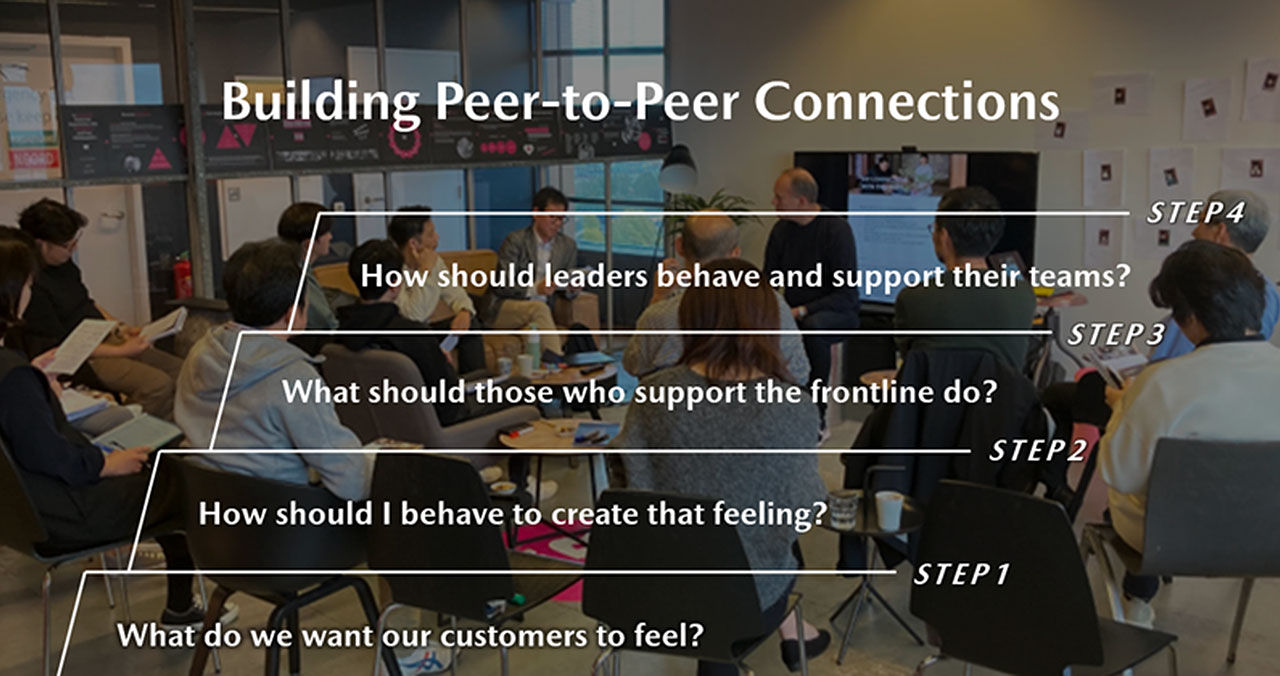
Over two and a half years, we ran more than 1,000 sessions. Each one brings people back to the customer, which is where brand value begins. We flipped the organizational triangle so that every action and every decision is oriented toward the people we serve. We also worked on shifting how managers are perceived, moving away from someone who directs, to someone who supports their teams and helps them succeed.
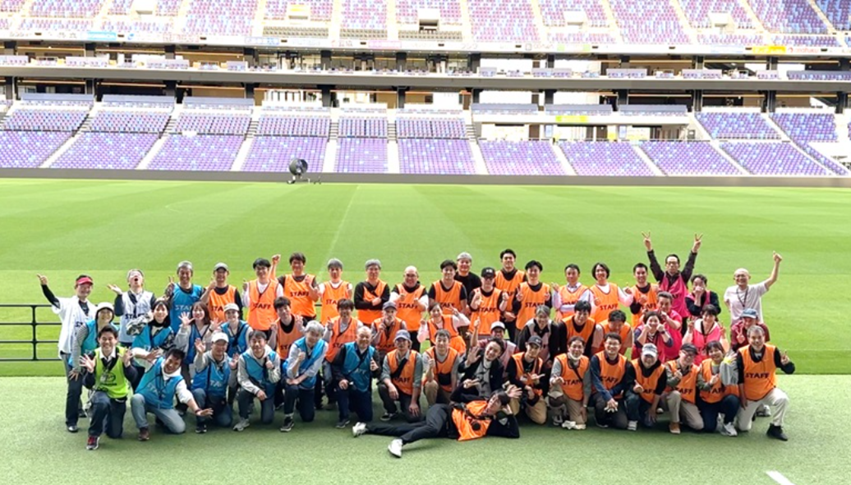
Participants in a Blueprint session for factory workers (Edion Peace Wing Hiroshima).
Through listening, respecting difference, building peer-to-peer connections, and rethinking how the organization sees itself, Blueprint is reforming our culture from the ground up. Every one of our 23,000 employees has been through it at least once. We're starting to hear things like "instead of pointing out what went wrong, let's work together on the best solution." Dialogue between the workforce and management, rare before, is now up 80%. The culture is genuinely shifting.
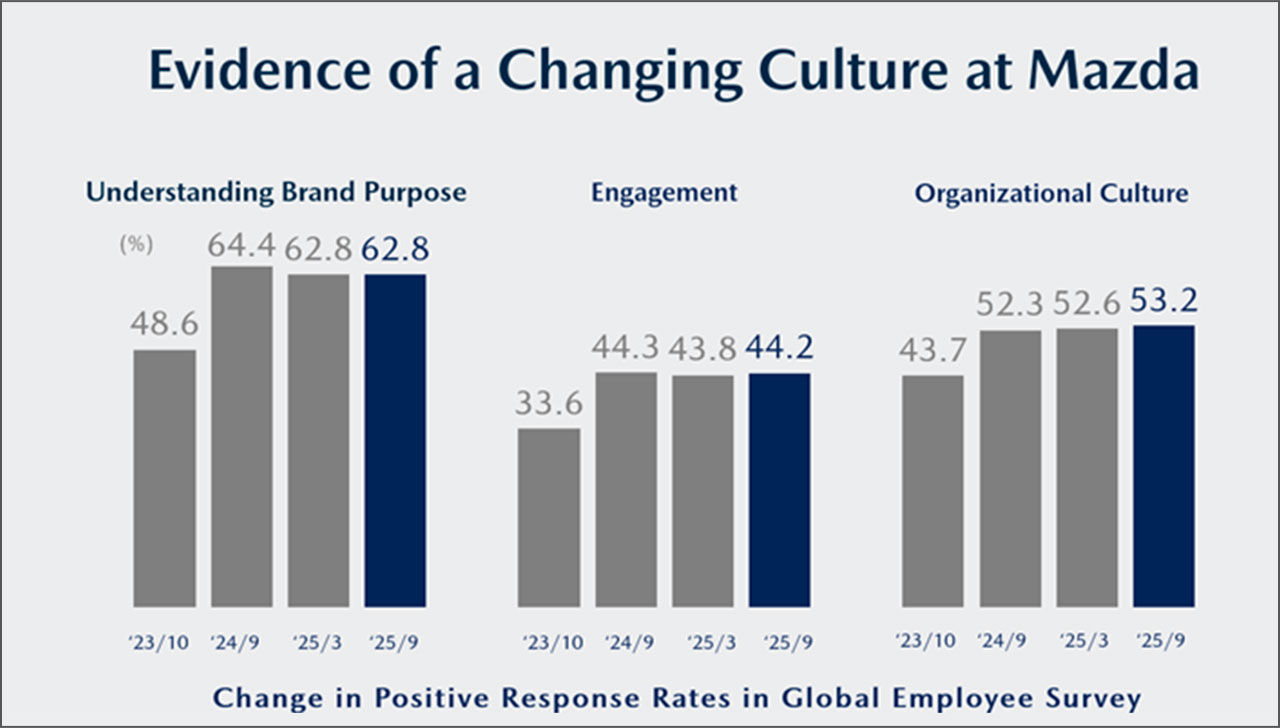
Global employee survey scores have shown significant improvement across the key tracking measures.
True Diversity: Understanding the Story Behind Each Person
What kind of organization are you trying to build through Blueprint?
Moro:
One where people respect each other and accept differences. But also, to go beyond that, combining those differences to achieve things no one person could alone, and turn that into results. That's the kind of robust organization I want to build. My thinking on this was shaped by an experience in Europe, where I led a team drawn from 13 countries. Different backgrounds, different languages, different cultures, different assumptions about how the world works. At first, I struggled to bridge those gaps.
But at a certain point I stopped focusing on the differences and started focusing on what we shared: a common vision and a common goal. The conversation changed immediately. Ideas started flowing. The team began moving forward together with real energy.
That experience changed how you think about diversity.
Moro:
It did. I stopped seeing difference as a problem and started seeing it as a source of possibility. Once again, I saw how a shift in perspective can change everything about how an organization works. Diversity tends to get discussed in terms of gender, nationality, age, religion. But my experience in Europe and North America has led me to believe that the real heart of diversity is imagination: the ability to understand where another person is coming from. Why do they think that way? What experiences and context shaped that view? Without that curiosity and imagination, you can't build a truly strong organization.
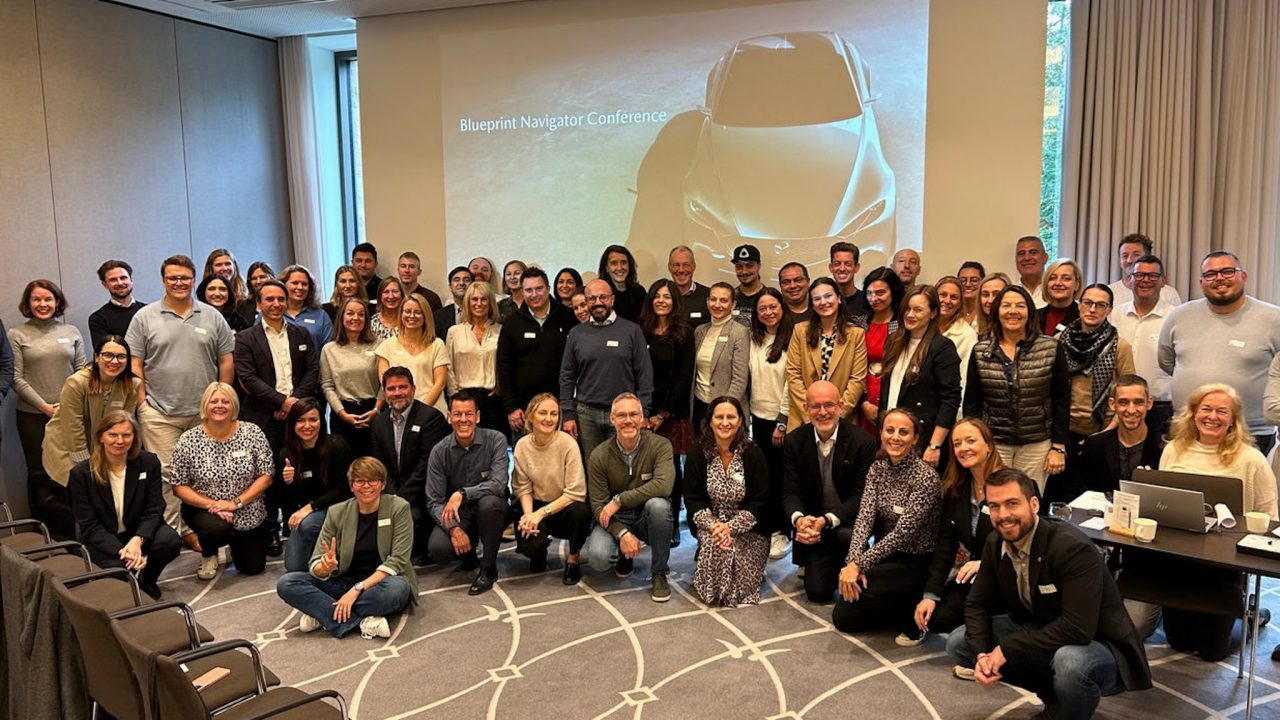
Blueprint session in Europe.
That also points to psychological safety and people feeling secure enough to speak up. It's as much a question of how you manage diversity as whether you have it, right?
Moro:
Exactly. Conflict in the workplace is unavoidable. But the problem isn't conflict itself, it's how you handle it. We have to remember that stereotypes and bias can make a person invisible as an individual and sometimes obscure their real value entirely.
When disagreement happens, the first step isn't to change the other person's mind. It's to listen to why they think that way and understand the context behind it. From there, you bring the conversation back to a shared axis: what moves things forward for the customer, and what's right for the brand. It sounds simple, but making that a consistent habit across the organization is what we're working toward.
Change is Inevitable: Turning Challenges into Opportunities
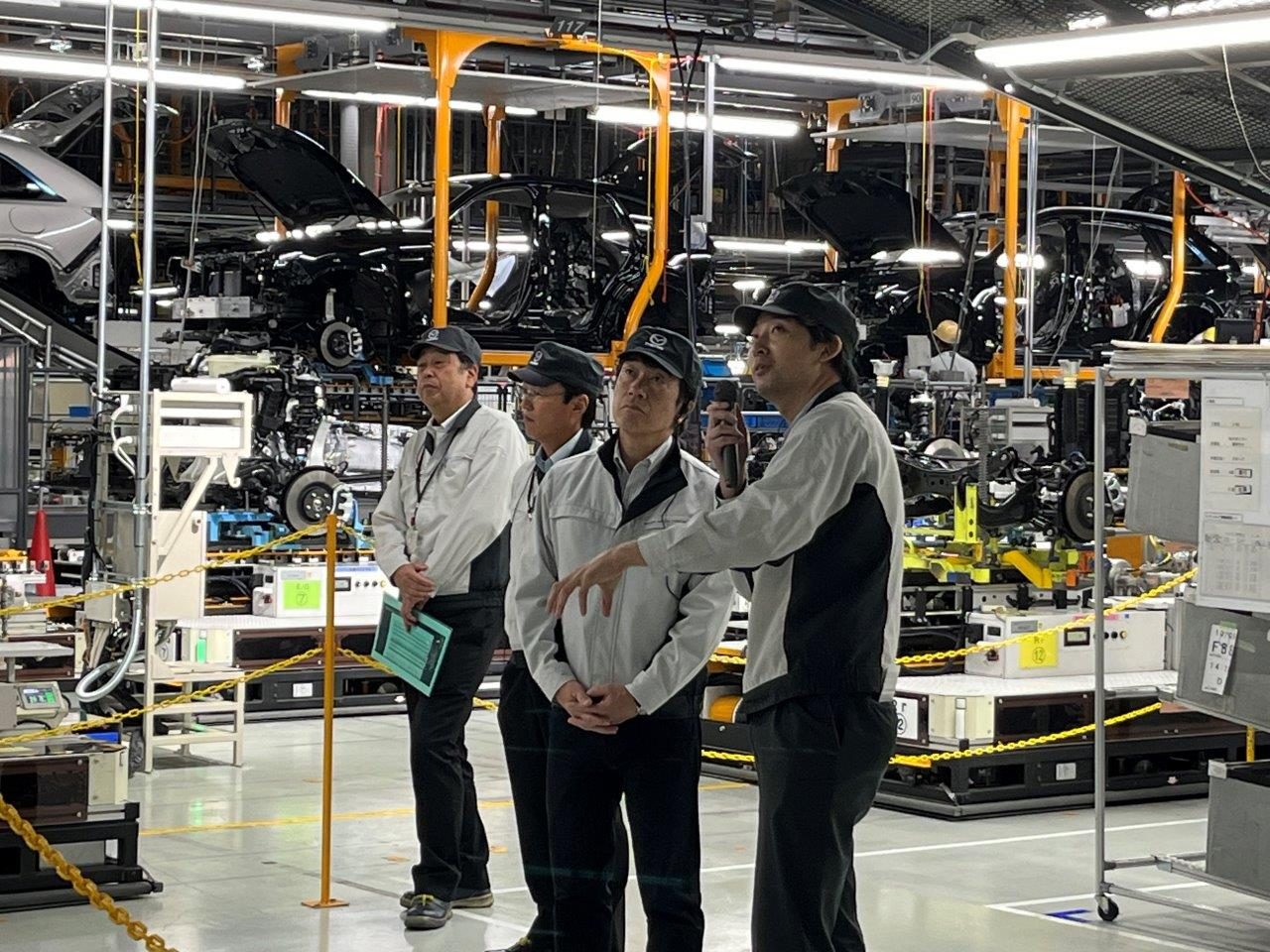
You spend time on the ground talking directly with employees. Have those conversations led to any concrete changes in how the company works?
Moro:
Many, both large and small. But the theme that comes up most consistently is organizational barriers. People have things they want to do, ideas they want to pursue, but the system pushes back. Removing those barriers and retiring outdated systems that no longer fit the times has been a recurring part of how we've approached organizational change.
There's also the question of how we handle careers. An engineer who takes pride in their craft faces a system where moving up often means moving into management. But some of our best people want to go deeper into their engineering, not broader into leadership. How do we recognize and reward that? It's something I want to address properly going forward.
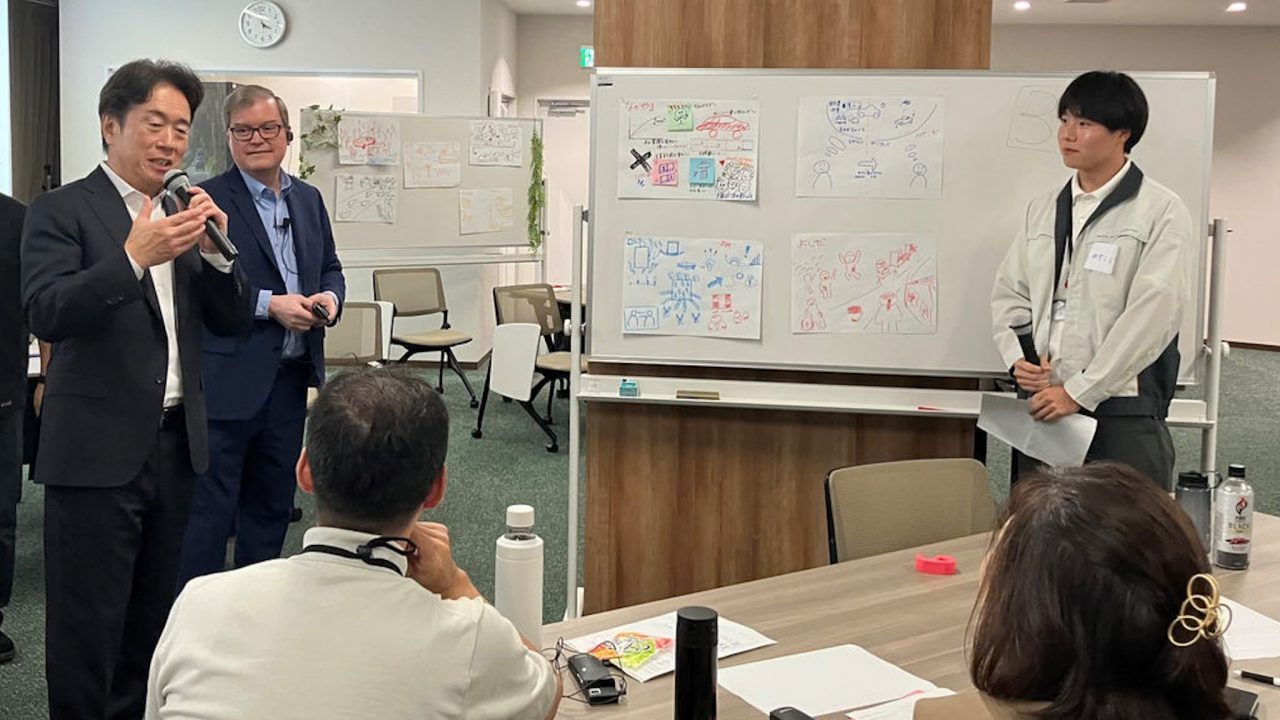
A Blueprint session with CEO Moro, providing a space for direct conversation with employees and drawing out what people are thinking and feeling through open dialogue.
Running a company means constantly facing challenges and constraints. How do you approach that?
Moro:
If I'm being honest, constraints are the last thing I want to deal with. But to understand what you're capable of, you have to find your strengths. The trick is to reframe constraints not as a weakness, but as the starting point for a challenge. That's how you spark creativity. Every strength has a weakness, where there is light there is shadow. These are universal truths, and so is change. It's inevitable in every era. The question is always how you can turn a constraint into something of value.
Mazda has faced that challenge repeatedly throughout its history, and each time it has been people who found a way through. What about the road ahead?
Moro:
The automotive industry is facing a new set of difficulties. The rapid advance of digitalization and software is creating an entirely new competitive landscape. But however far AI and automation go, I believe human sensibility and passion will remain the final competitive advantage.
People are Mazda's greatest asset. And not being one of the major players in the industry means that it's even more important that we lean in to being a small but highly skilled team and build a culture where each individual can bring their full creativity. And with "culture before profit" as our mantra, we'll keep believing in the potential of our people, creating value that could only come from Mazda, and stay committed to making a difference to the world around us.
From the Editorial Team
Throughout this series, one thing stood out above all else: Moro is a leader who believes in the potential of people. The force driving Mazda forward is not technology or infrastructure, but the passion and commitment of its people. That is why despite being a smaller manufacturer, Mazda has endured for more than a century, and it is what will keep driving its evolution. Brand value management is an ongoing endeavor. It will continue to grow as people bring their differences and ideas together, generating new value with every step. That is how Mazda's future will be built.