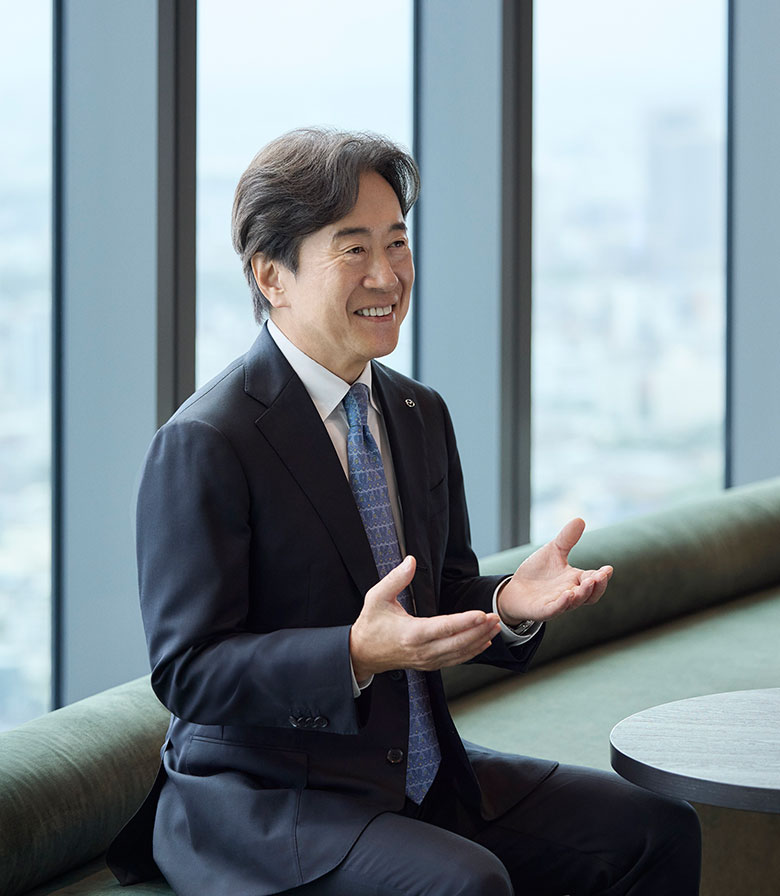
In this two-part series, we explore the thinking behind that conviction, the doubts, the resolve, and the decision to build Mazda around brand value management. What does Mazda look to in a time of unprecedented change? Why value? And what future does CEO Moro have in mind?
2026.07.24
Winning with Brand Value, Not Scale: CEO Moro on The Path Forward for Small Players
In an industry built on the belief that volume is everything, Mazda followed that logic, chasing sales, competing on price, and gradually losing both its purpose and its pride. For a smaller manufacturer that could never out-scale the industry giants, something had to change. If volume wasn't the answer, what was? It was a question a mid-career employee named Masahiro Moro carried with him all the way to the top. His answer: scale is not the goal. Value is.
- From Scale to Value: Understanding What Makes People Choose Mazda
- Brand as an Intangible Asset with Limitless Growth Potential
- Turning Constraints into Creativity: The Small Player's Advantage
- No Single Right Answer: Rethinking What Technology Is For
- The City Committed to Questioning the Purpose of Technology
From Scale to Value: Understanding What Makes People Choose Mazda
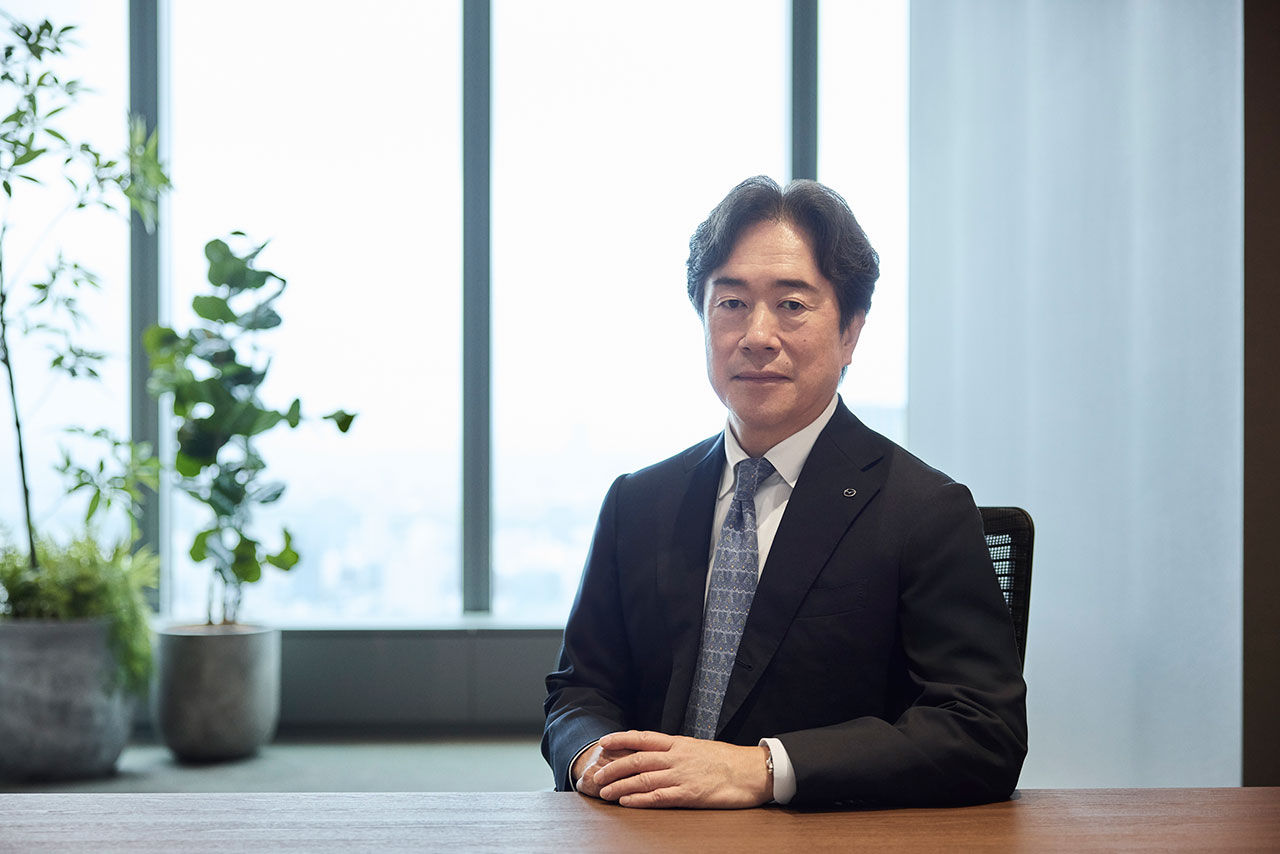
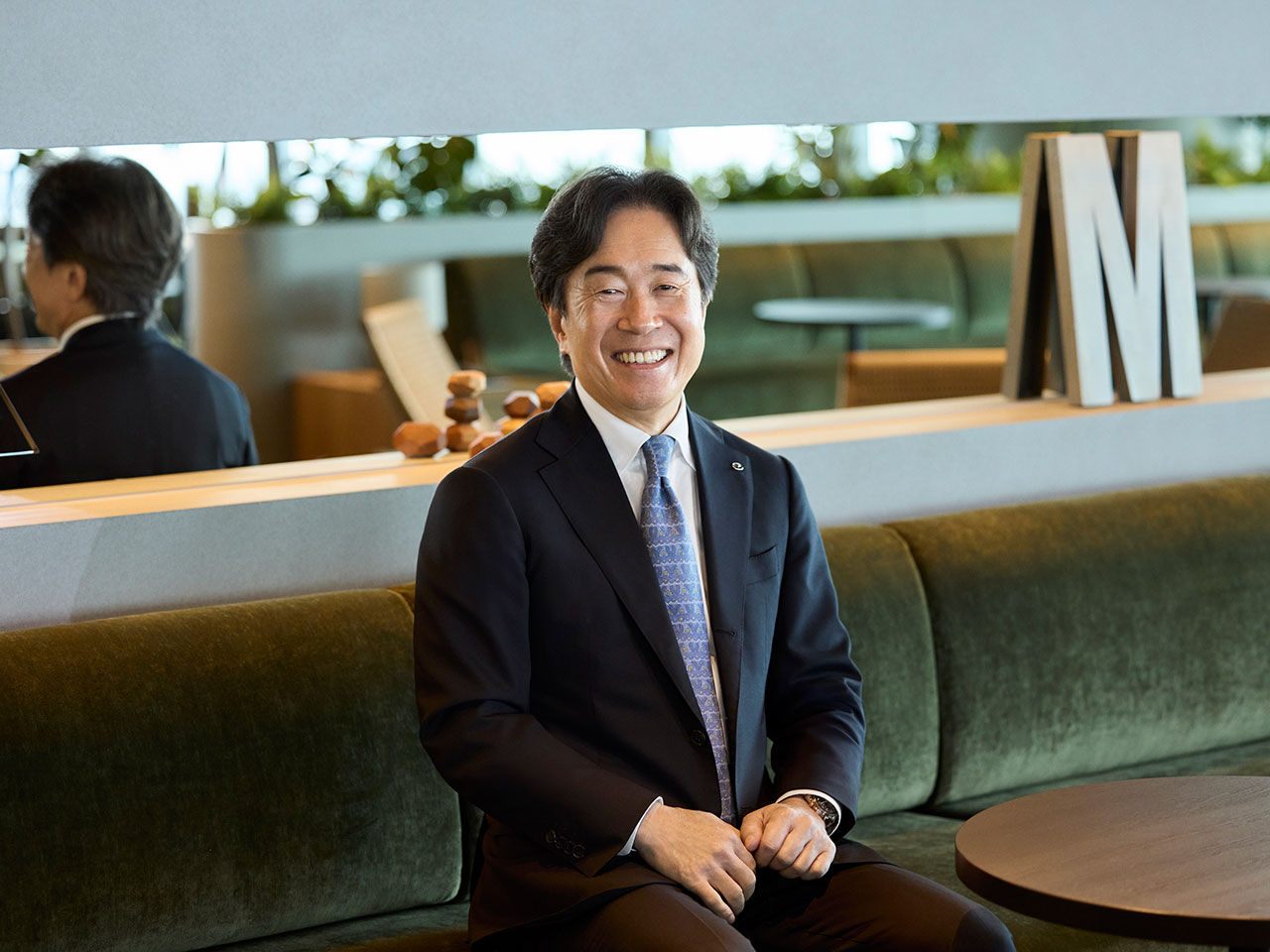
Masahiro Moro, Representative Director, President and CEO. Joined Mazda in 1983. Previously served as Head of Global Marketing, Executive Vice President of Mazda Motor Europe, and President of Mazda North American Operations. Appointed to his current role in 2023.
Moro:
Founded in Hiroshima 106 years ago, Mazda operates in 130 countries and sells between 1.3 and 1.4 million new cars each year. Small by industry standards, yet supported by passionate fans around the world, we have built a brand with genuine, distinctive value.
But in the 1990s, Mazda was caught up in the logic of "volume is everything." We chased sales, fell into a cycle of reducing prices, and the brand became associated with cheap deals. The whole company was trapped in a mindset of "sell more, grow bigger," behaving like one of the major manufacturers when we simply weren't.
We sought to turn things around with Ford's support from 1996, but then the 2008 financial crisis hit. Four consecutive years of losses, with cumulative losses exceeding 250 billion yen. People were saying Mazda was finished. It was deeply painful. But that's when I made up my mind: if we can't win on scale, we have to win on value.
How do we stop competing on price and instead become the brand that customers choose — and keep choosing? What makes someone feel they've found the right brand and want to stay loyal to it? And what does value really mean? After much thought, I kept coming back to the same answer. Value isn't created by systems, it comes from people, one person's passion moving another's. That conviction grew into what is now Mazda's philosophy of brand value management.*1
*1 Brand value management: a management philosophy centered on placing the customer at the heart of every decision, continuously creating value that resonates with them, and becoming a brand that people choose.
Brand as an Intangible Asset with Limitless Growth Potential
Committing to value over scale must have taken considerable courage. What gave you the confidence to take that step?
Moro:
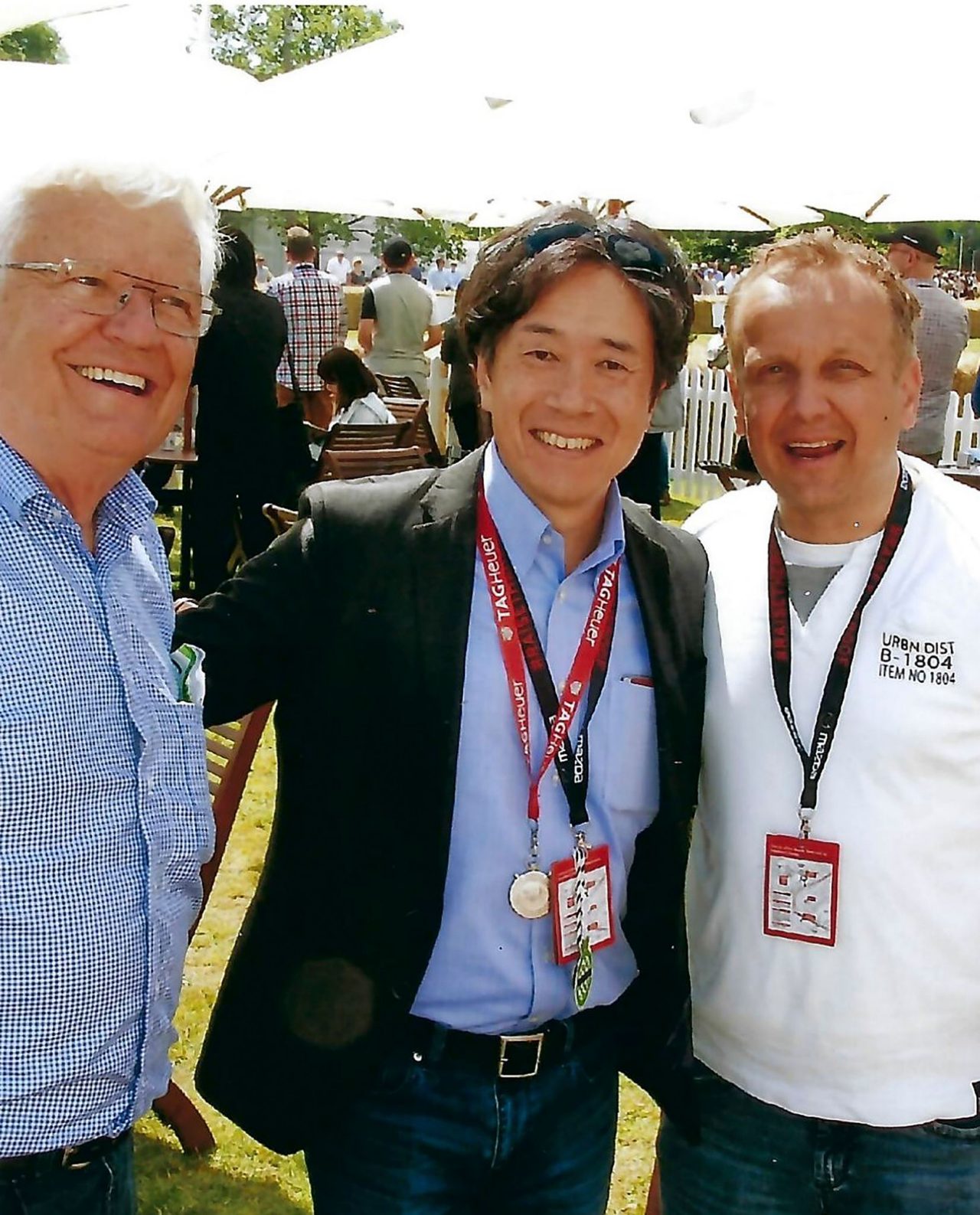
A lot of it came from my time in Europe in my forties. I was working as executive vice president there, traveling across markets, and something struck me when I looked at the companies with the strongest brands. Their strength had nothing to do with their size. It came from the value of the brand itself.
Physical assets like capital and infrastructure have a limit. But brand value is intangible, and there's no upper limit in its potential for growth. Recognizing that was a turning point for me.
Whether to compete on scale or find another way is a question many companies face. Was there ever any doubt that Mazda's answer was value?
Moro:
If we had the resources to compete at massive scale, I'd be willing to go in that direction, and I can see how we could make significant impact on society. But for a company our size, competing the same way as the industry's biggest players is a losing strategy. Our past proved that.
So, we changed the question. Instead of "How do we sell more?" we began asking "Who do we want to choose us, and why?" What does Mazda offer that no one else can? Could we find a way to create something that's uniquely ours? As we worked through that, I realized everything we were describing was intangible. The value we offer customers — intangible. The ideas and craftsmanship behind it — also intangible. That's when we decided not to compete where scale is the deciding factor. If we face constraints, we'll solve them with creativity.
Scale is easy to measure but the intangible is harder to see. Making it all the more interesting that this is what you chose to build your strategy around.
Moro:
At the end of the day, Mazda is a car company. We research, develop and engineer products. But what matters most is placing the customer at the heart of every decision. What do they need? What moves them? Technology and services are the means through which we deliver value — never the goal itself.
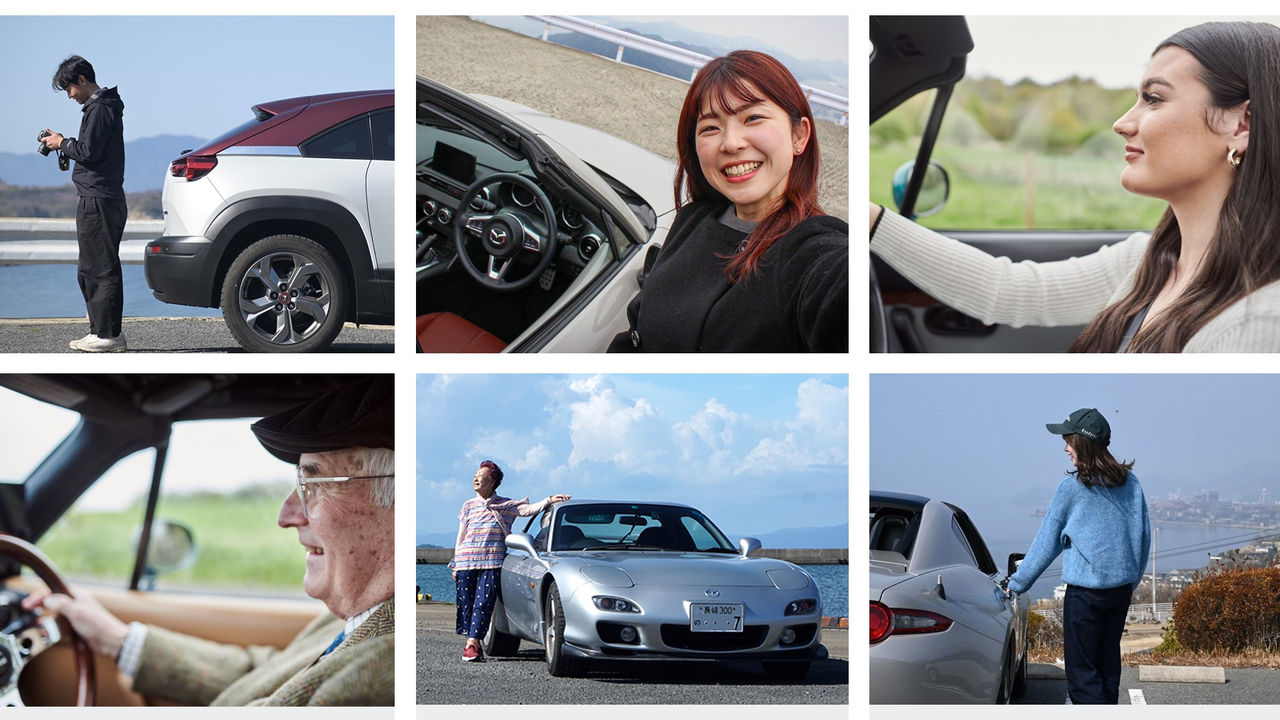
Bottom center: Photo by Makoto Nishimoto
Turning Constraints into Creativity: The Small Player's Advantage
How does that way of thinking show up in the actual products?
Moro:
It varies by model, but we always start with the essentials like price and the features customers expect in a given category. But once those are in place, we ask ourselves where to push further. If we want to stand out, we can't settle for the middle ground on everything. Where we commit, we commit fully. Where it matters less, we let it go.
Take the Mazda MX-5 (Roadster). On sale since 1989, with more than 1.2 million sold worldwide over 36 years, and people still love it today. I think that comes down to how seriously we thought through what drivers truly want—both what they ask for and what they don't yet know they need. To deliver the joy of driving that comes from Jinba-ittai, the feeling of car and driver moving as one, we made countless decisions about what to include and what to leave out.
The MX-5 seats two and doesn't carry much luggage. Yet there are drivers who choose it precisely because it offers something that space and practicality simply can't. That is where its unique value lives.
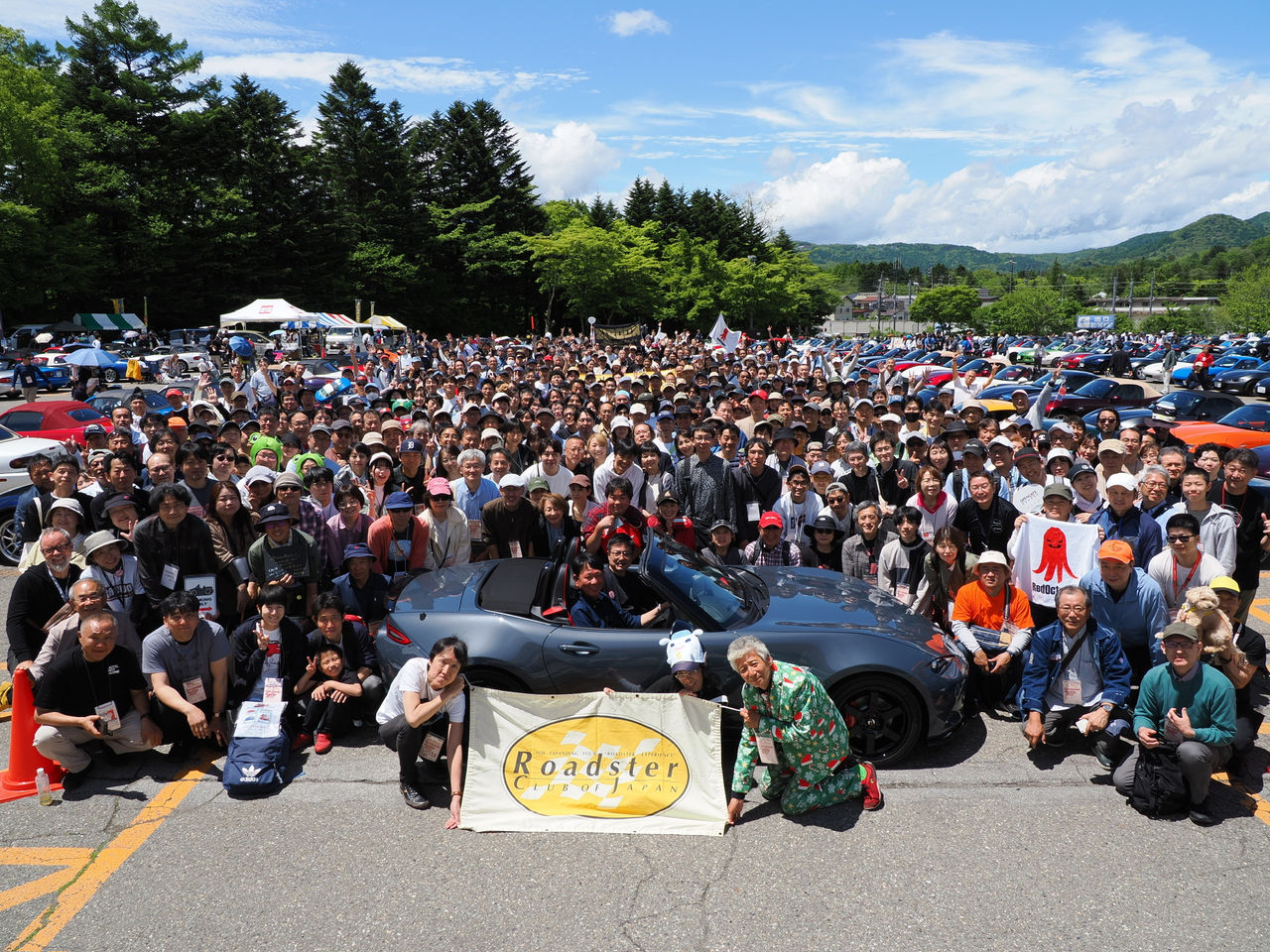
What is the thought process behind producing something that could only come from Mazda?
Moro:
As with the MX-5, there are some products where we can really zoom in on specific qualities to make the value evident. But in engineering, the challenge often looks different. There are times when you truly need a breakthrough to push through demands that seem fundamentally at odds. For example, more power, better performance, but also better fuel economy—two opposing goals that seem impossible to achieve together. But our SKYACTIV high-efficiency gasoline engine and clean diesel engine are examples of where we pushed through that wall.
It was precisely because of our constraints that we kept finding ways forward, applying ingenuity, and ultimately creating something others couldn't replicate. The ability to turn constraints into creativity is what sets smaller companies like ours apart. It's a quality at the core of Mazda.
No Single Right Answer: Rethinking What Technology Is For
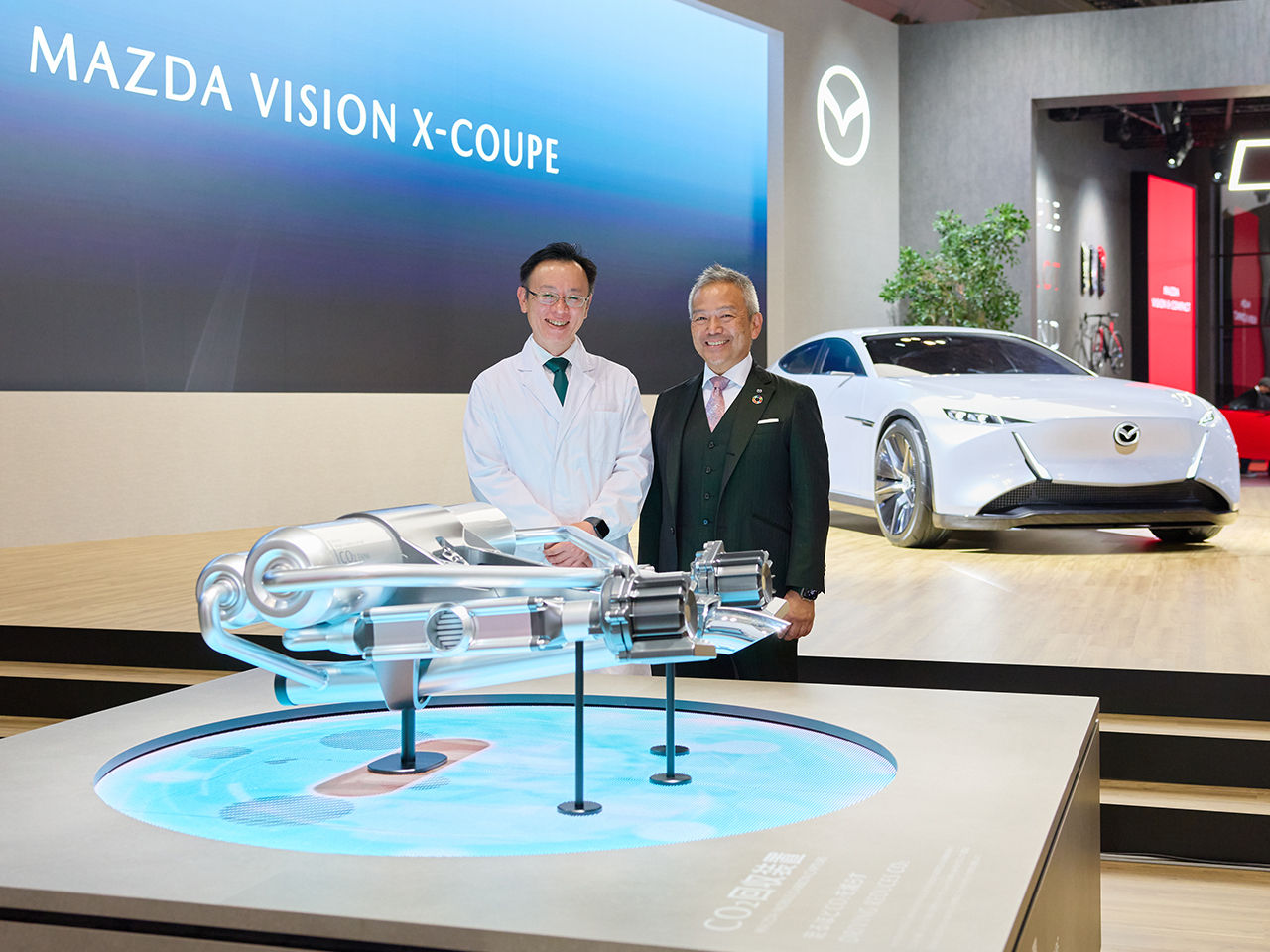
The Mazda Vision X-Coupe, unveiled at the 2025 Japan Mobility Show, can absorb CO₂ from combustion engine exhaust, so the more you drive, the more you contribute to a sustainable future, which is a fundamentally different approach to carbon neutrality.
Moro:
It's no secret that Mazda loves the internal combustion engine, but as the world moves toward carbon neutrality, electrification has come to be treated as the only answer. We wanted to offer a different perspective. It's true that electric vehicles produce no CO₂ while driving, but manufacturing them involves significant energy use, and recycling the batteries remains a serious challenge.
Our thinking on carbon neutrality starts with a different question: as we move from a car-based society to a broader mobility society, how do we reduce the overall cost to society? Japan, in particular, has low energy self-sufficiency, which means minimizing electricity consumption has to be part of the conversation. There isn't just one right answer. So, what can Mazda do? That's the question driving our developments.
It's another example of turning the constraint into something creative.
Moro:
That's right. The Mazda Vision X-Coupe shows the potential of combining a combustion engine with carbon-neutral fuel and CO₂ capture to achieve net-negative emissions. But it goes beyond reducing environmental impact. It's a vision of a new social model, one where technology is designed so that people and the natural world can thrive together.
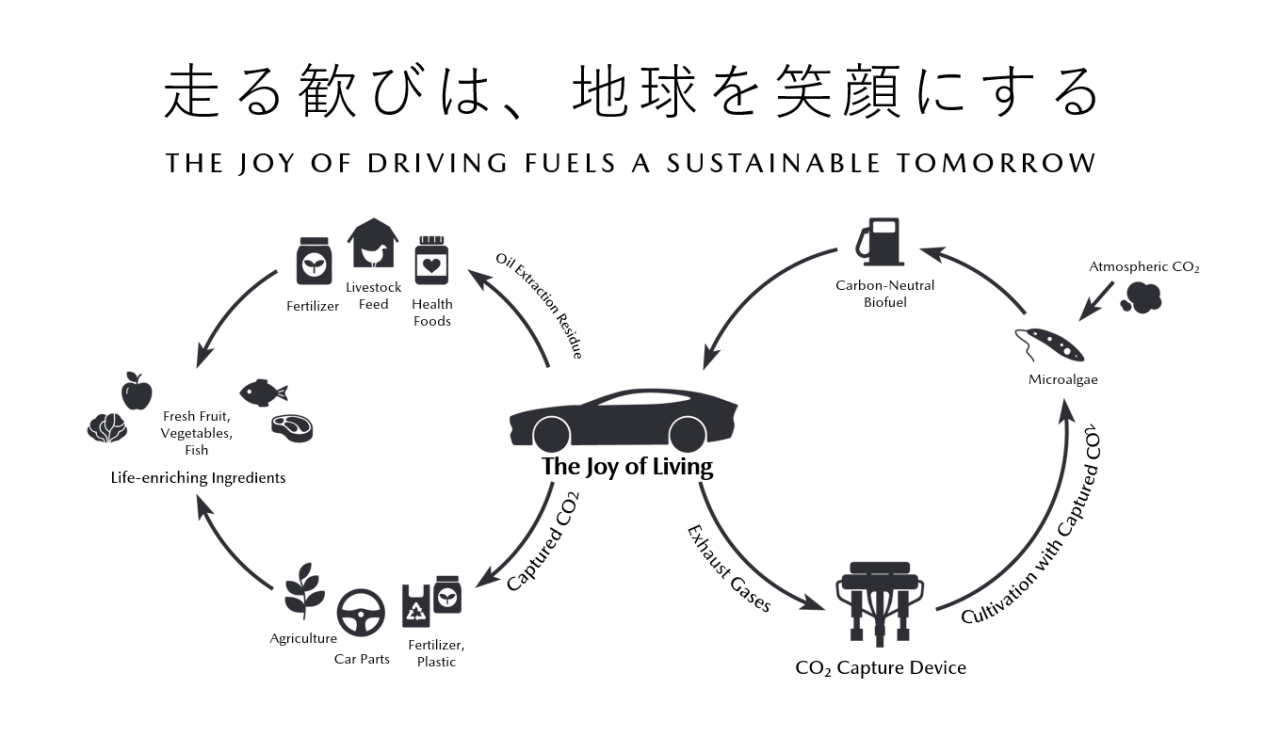
It's important to realize there's no one right answer and stay open to other possible solutions. And it brings us back to the question of what technology is actually for.
Moro:
Exactly. Hiroshima is more than Mazda's headquarters. It's our spiritual home and the source of our sense of purpose. Technology should exist to enrich people's lives and contribute to society. When it's used for the wrong purposes, that is deeply troubling. As a company whose values were shaped in Hiroshima, we hold that conviction sincerely. Hearing an engineer say they've made someone's life better, that is the greatest encouragement there is.
That's why, whenever we develop something new, I always ask three questions: Does this technology make people's lives better? Does it contribute to society? Can it reach enough people to make a difference? The Vision X-Coupe embodies our mission of caring for the planet through driving and represents the technologies we want to pass on to the next generation.
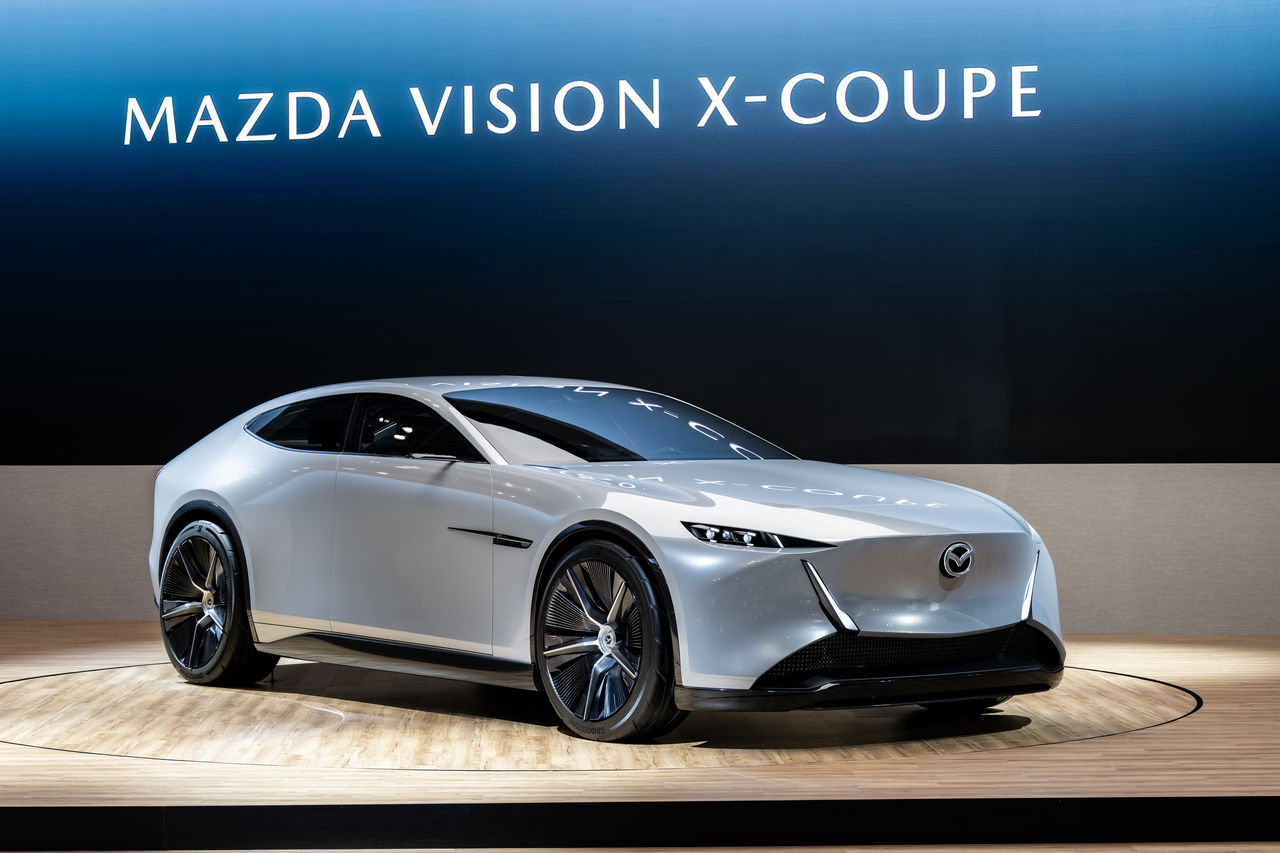
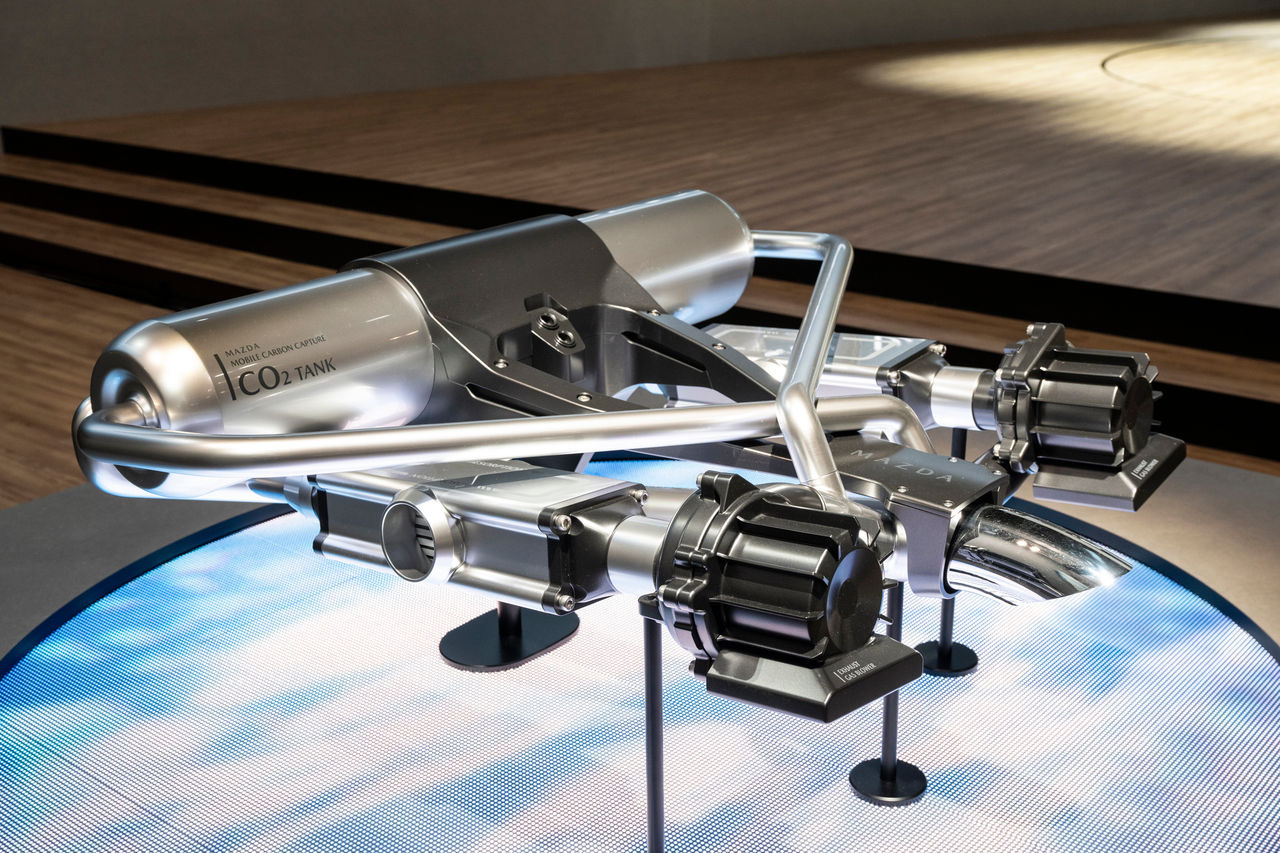
Mazda Vision X-Coupe
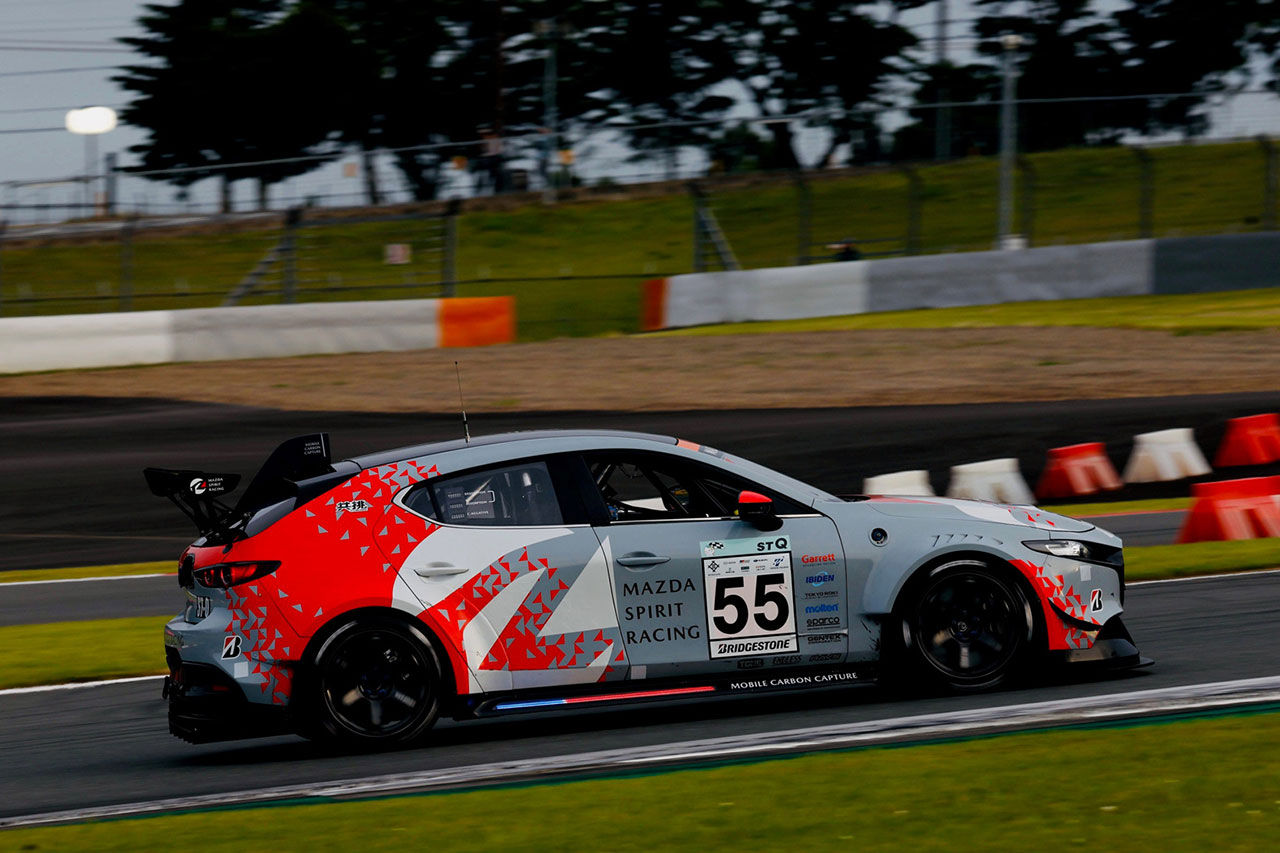
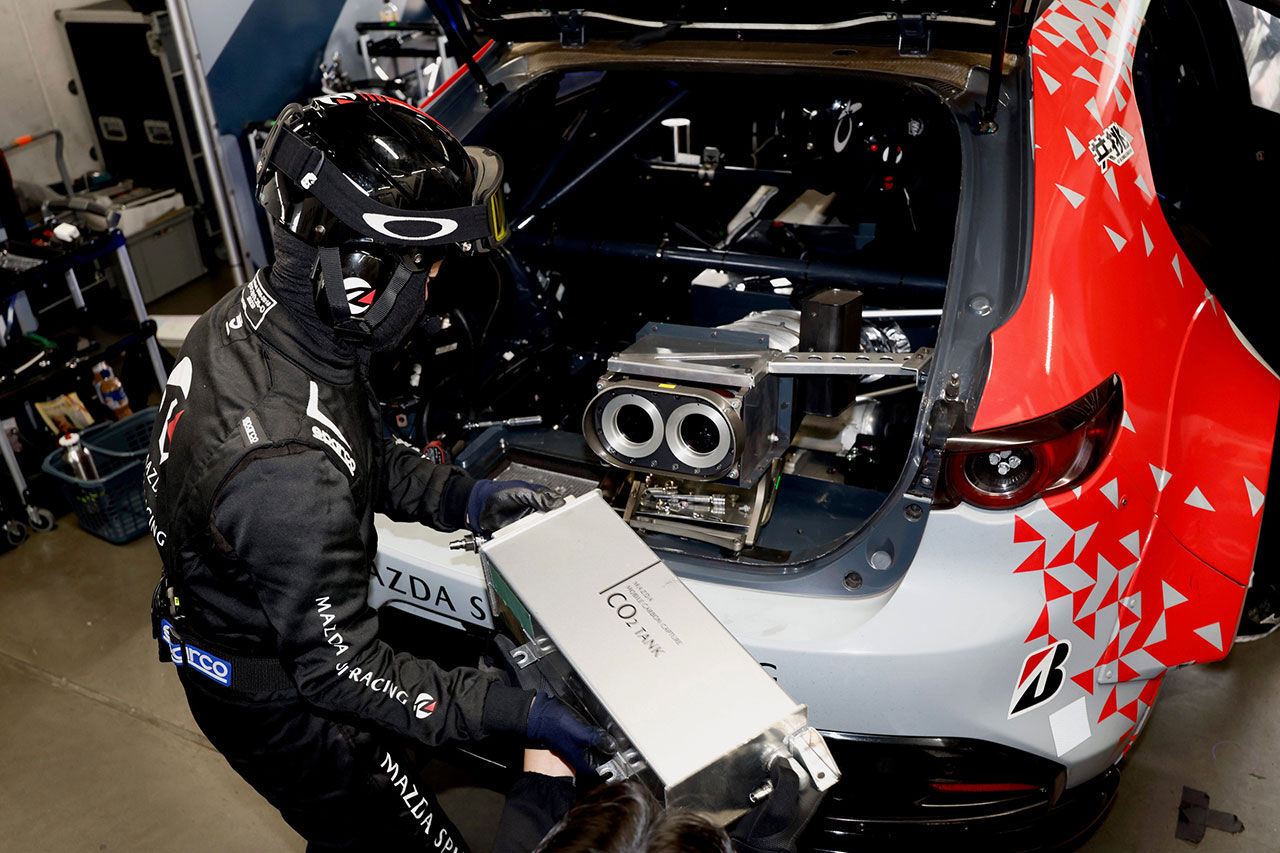
Mazda's CO₂ capture technology was successfully demonstrated at the 2025 Super Taikyu Series final round.
That sense of responsibility toward technology seems inseparable from Mazda's history in Hiroshima.
Moro:
After the historic tragedy, local businesses, the city government and ordinary residents rebuilt with extraordinary determination. The drive to make each day slightly better than the last was what powered the recovery. That is the Hiroshima that exists today. That history has shaped how we think about technology. The spirit of relentless challenge and putting people first runs through Mazda's DNA. It lives in us still.
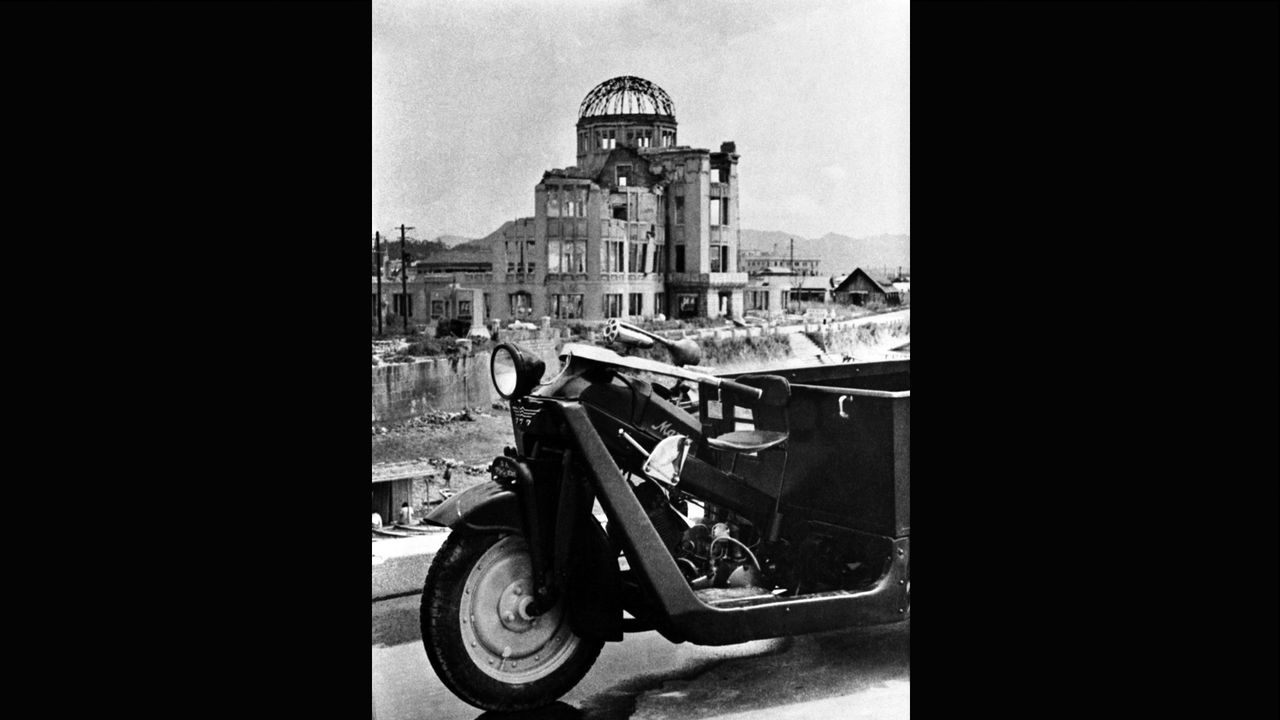
Even after losing their families and their homes, the people of Mazda resumed production of three-wheeled trucks with one purpose: to rebuild Hiroshima with their own hands. It was just four months after the devastation.
It's a message that runs through Mazda's Purpose.
Moro:
It does. "Enrich life-in-motion for those we serve" — that is the spirit of a city and a company that found a way forward through one of the darkest chapters imaginable. The collective effort of postwar recovery is something each generation carries forward.
As a business, we need to sell products and make a profit. But in a world with no single right answer, our role goes beyond that. We need to keep questioning our reason for being, our purpose, and how we can make the world a better place.
At Mazda, that means using our technology and knowledge to create products and services that move people. If we can achieve that and become a brand people choose, it doesn't matter how big or small we are — our strength goes deeper than that. It's a conviction that drives everything I do, but personal conviction is not enough to lead a company. You need the courage to step back, truly trust your people, and let them run with it. For me, that's what it means to lead.
For a small player like Mazda, the future is built on value, not scale. That conviction runs through everything Moro shared in this conversation, drawing on decades of personal experience. At the heart of it all is the powerful belief that people are the force that turn constraints into creativity and bring new value to life.
In Part 2, we explore how that belief translates into practice. How Moro is working to unlock the potential of people and the organization, and his vision for building a company where people are the driving force.
The City Committed to Questioning the Purpose of Technology
On 6 August 2025, the 80th Peace Memorial Day, Mazda shared a message with society, "Technology exists not to harm, but to bring happiness. No matter how much the world changes, that belief never will." It was both a declaration to society, and a reminder for all of us at Mazda to never stop questioning the purpose of technology, a commitment that will continue to endure at Mazda.

Source: Pride of Hiroshima