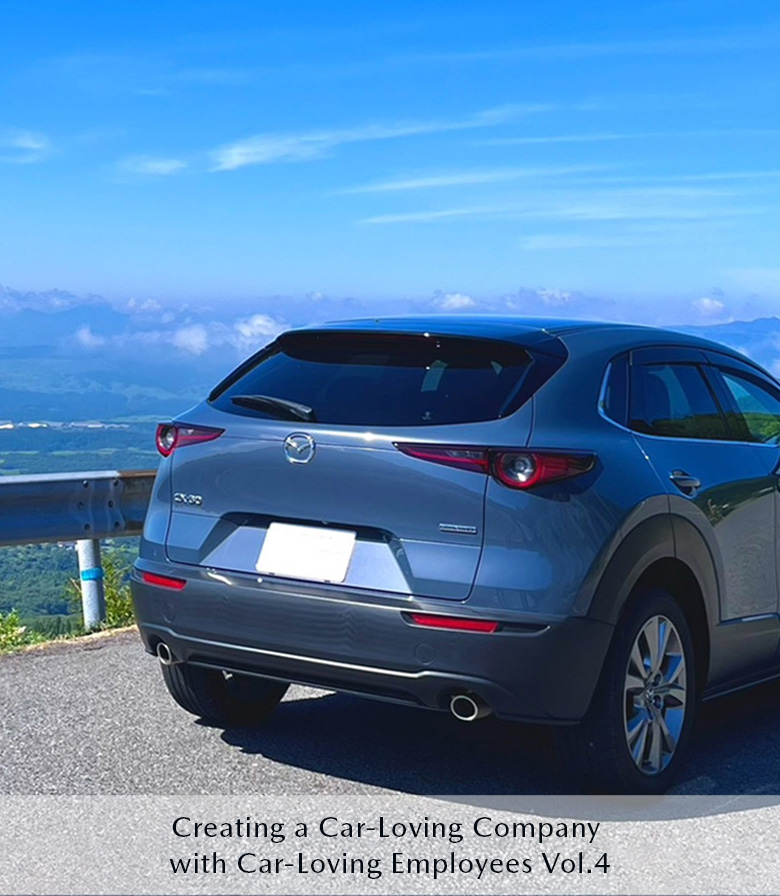
In this series, we meet these car-loving employees and hear their unique stories. In the fourth episode, we share the story of Gakuto Tani, a clay modeler in the Design Division at Mazda.
2026.05.15
A Young Clay Modeler and the Mazda CX-30: Breathtaking Beauty and The Feel of Handcrafted Design
-Creating a Car-Loving Company with Car-Loving Employees Vol.4-
The younger generation may be falling out of love with cars, but at Mazda, there are young people who are confidently going against that trend. Some are drawn to the drive, others to the design, each connecting with and loving cars in their own way.
The Human Touch in a Digital World
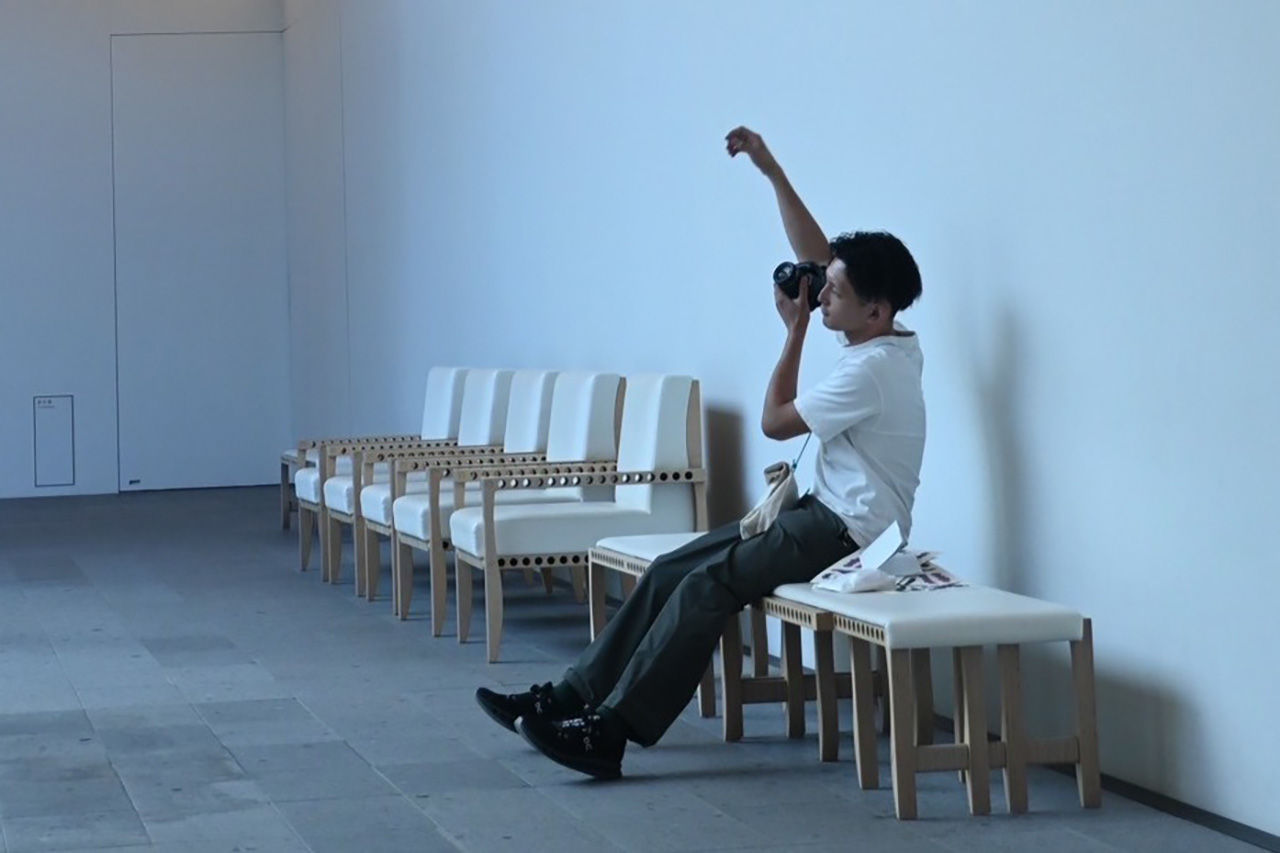
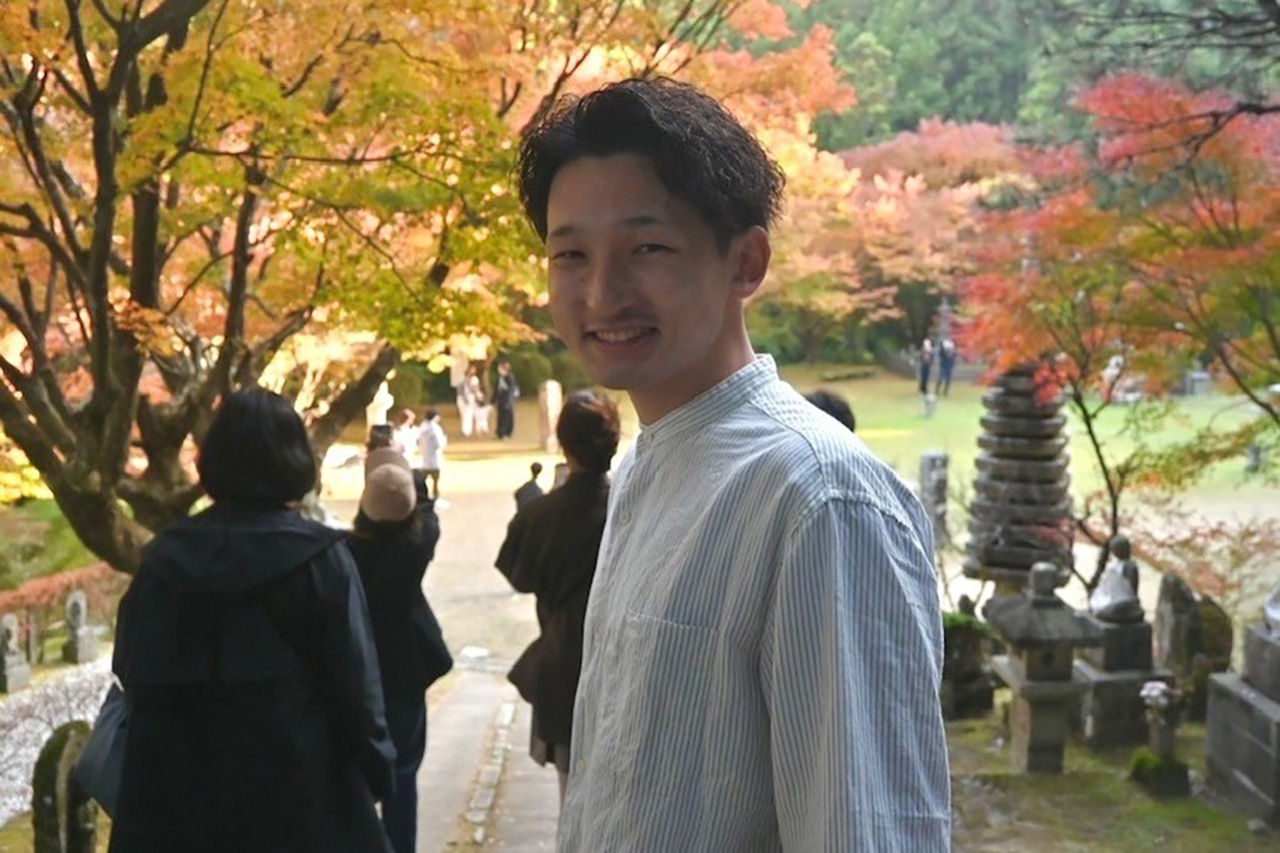
Tani at the viewfinder of his camera, a hobby he's pursued for years. "I love how I can capture a moment only visible to me, and preserve it as something that's truly mine."
"I wasn't particularly interested in cars as a child," admits Tani, now in his fourth year at Mazda and originally from Kitakyushu.
Growing up, cars were simply part of family life. Road trips, everyday errands. Looking out the window on long journeys, he and his siblings would call out the makes and models as they passed. A car might be cute, or cool, but how they drove or how they worked was never something that caught his attention.
That changed at university.
Tani had always been a fan of the popular home renovation show on Japanese TV "Makeover! Dramatic Before & After," and it inspired him to become an architect. He wanted to design spaces that brought people joy, and to build them with his own hands.
In a world steadily becoming more digital, Tani was drawn to the feel of handcrafted design.
"I knew I had to pursue a role where I could make things by hand."
Studying product design at university, Tani encountered clay modelling for the first time during a workshop in his first year. Learning that sculpting clay into three-dimensional forms was an actual profession came as a genuine surprise.
"I had no idea that kind of job even existed!"
Yet it felt immediately right. Since childhood, Tani had attended an atelier, working with all kinds of art materials. Clay was familiar and comfortable. More than that, he found the clay modelling process itself compelling.
The workshop was a single session, but it was enough to convince him that this was the path he was meant to take. From that point on, he applied for internships with car manufacturers every year.
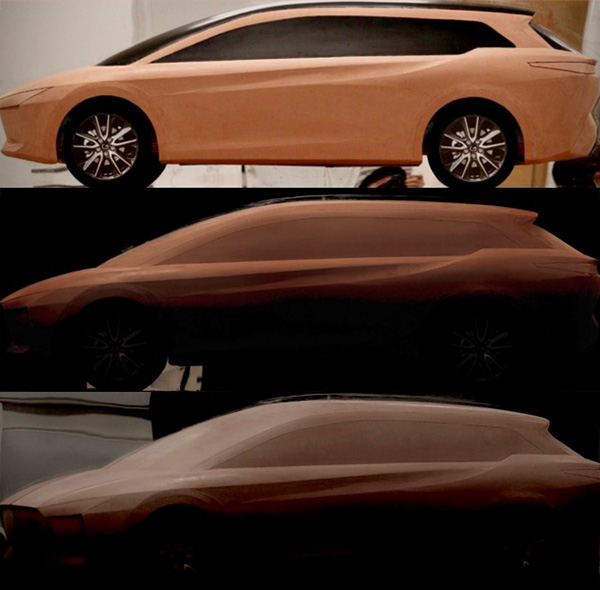
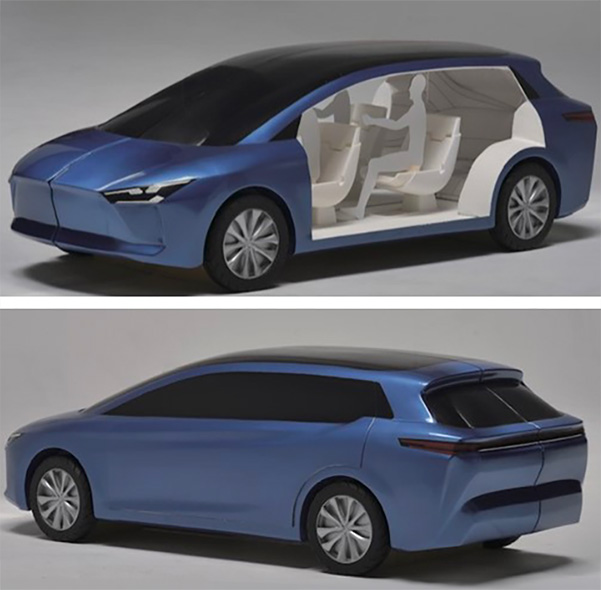
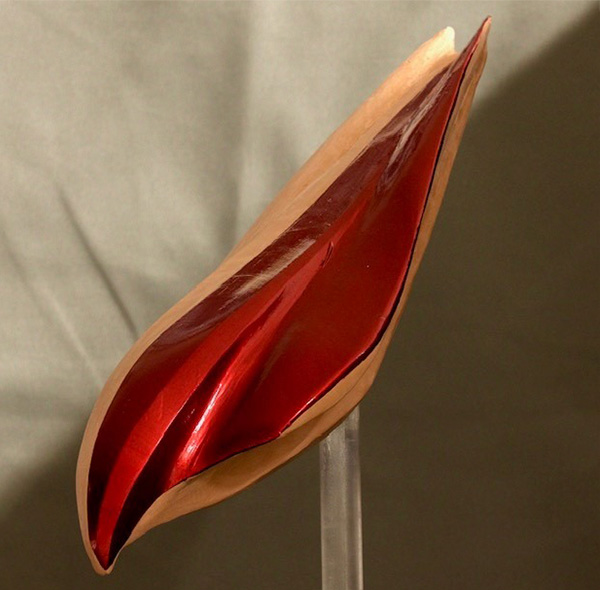
(Image 1 & 2): Tani's university graduation project was a concept car a decade from now.
(Image 3): Tani also created 'Hayate,' a sculpture with a falcon design motif that embodies Gen-Z's culture of speed and efficiency.
As his curiosity about car design deepened, Tani came across a book by Ikuo Maeda, the head of Mazda's Design Division. It was there he discovered that Mazda's design philosophy was more than the pursuit of form. There was intention behind every surface, and a depth of thinking behind every line. "Designers work in two dimensions, on paper. Clay modelers work in three dimensions, in physical space."
Even in an age of digital tools, Tani understood that some forms can only be realized by hand. His path was clear. He wanted to shape form by hand. He wanted to become a clay modeler.
Honing Handcrafting Techniques
Since joining Mazda, Tani has worked hard to develop his craft.
Kodo, Mazda's design philosophy, is expressed not through lines but through surfaces and the flow of light across them. A clay modeler's role is to find and refine the imperceptible variations in form that digital data cannot capture, the subtle undulations that determine how light moves across a surface.
Early on, he would think he had it right, only to miss a faint scratch or a deviation of less than a millimeter. Given how much depends on the precision of each surface, the finishing work demands full concentration.
"You're standing, crouching, leaning in at an angle. It takes a real physical toll," he laughs.
As clay determines the final form of a design, it is a significant stage in the Mazda development process. Lately, Tani has been hearing more often that his work is coming along well, and he can feel the improvement himself.
The surfaces he sculpts are beginning to produce the flow of light that is distinctly Mazda. Being part of that, he says, is something he takes genuine pride in.
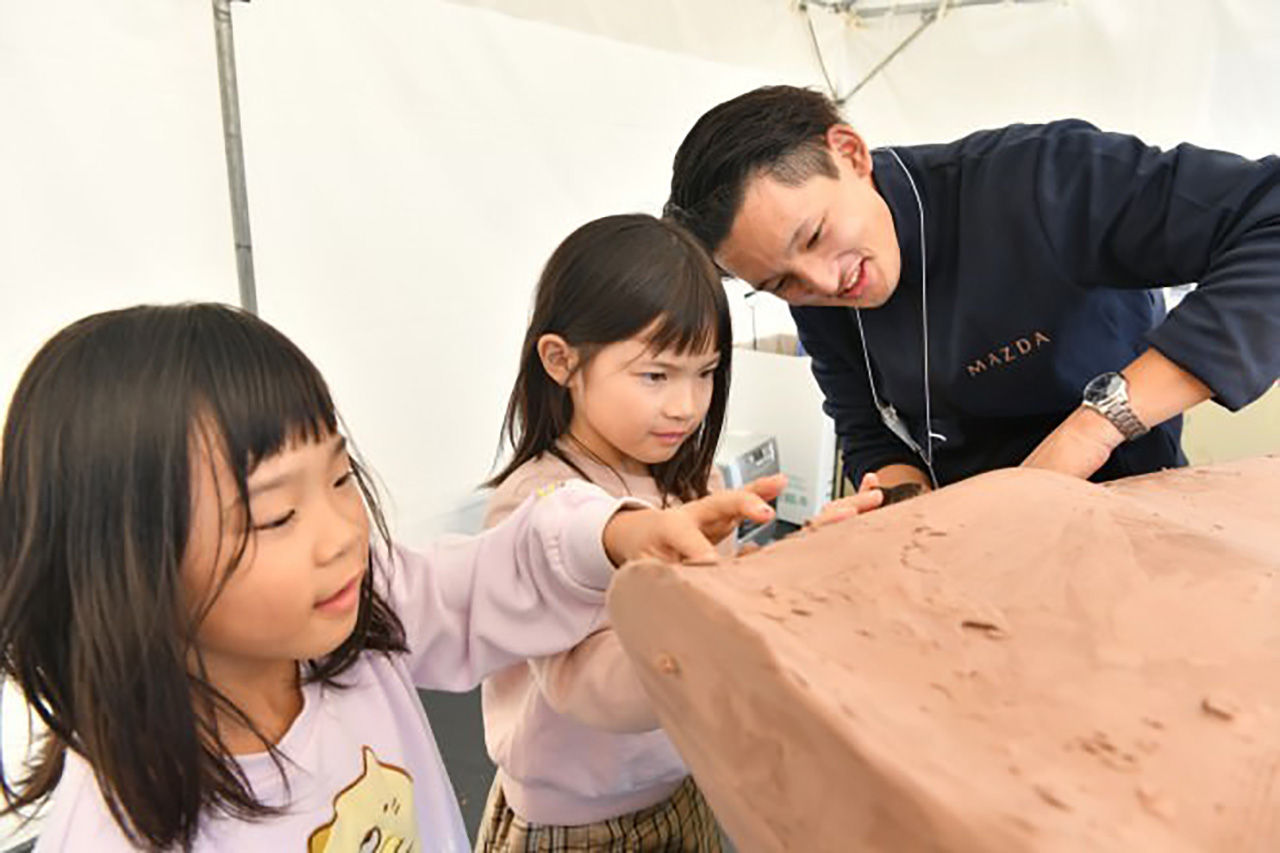
Since joining, Tani has also shared the joy of shaping things by hand with children, as part of Mazda's outreach activities.
In his first year at Mazda, there was so much he didn't know that he didn't even know where to start. But with each project, the gap narrowed. The things he could do, and the things he was trusted with, kept growing.
The team is made up largely of people close to his age, and there is a culture of working through ideas together. Watching his skills and knowledge grow in a tangible way is, he says, the most rewarding part of the job.
Growth also requires initiative. What tools to use. How to position yourself for each cut. Tani makes a point of asking before he needs to be told, and never leaving a question unanswered. Over three years, the notebooks he has filled with annotated diagrams and detailed notes have grown to three volumes.
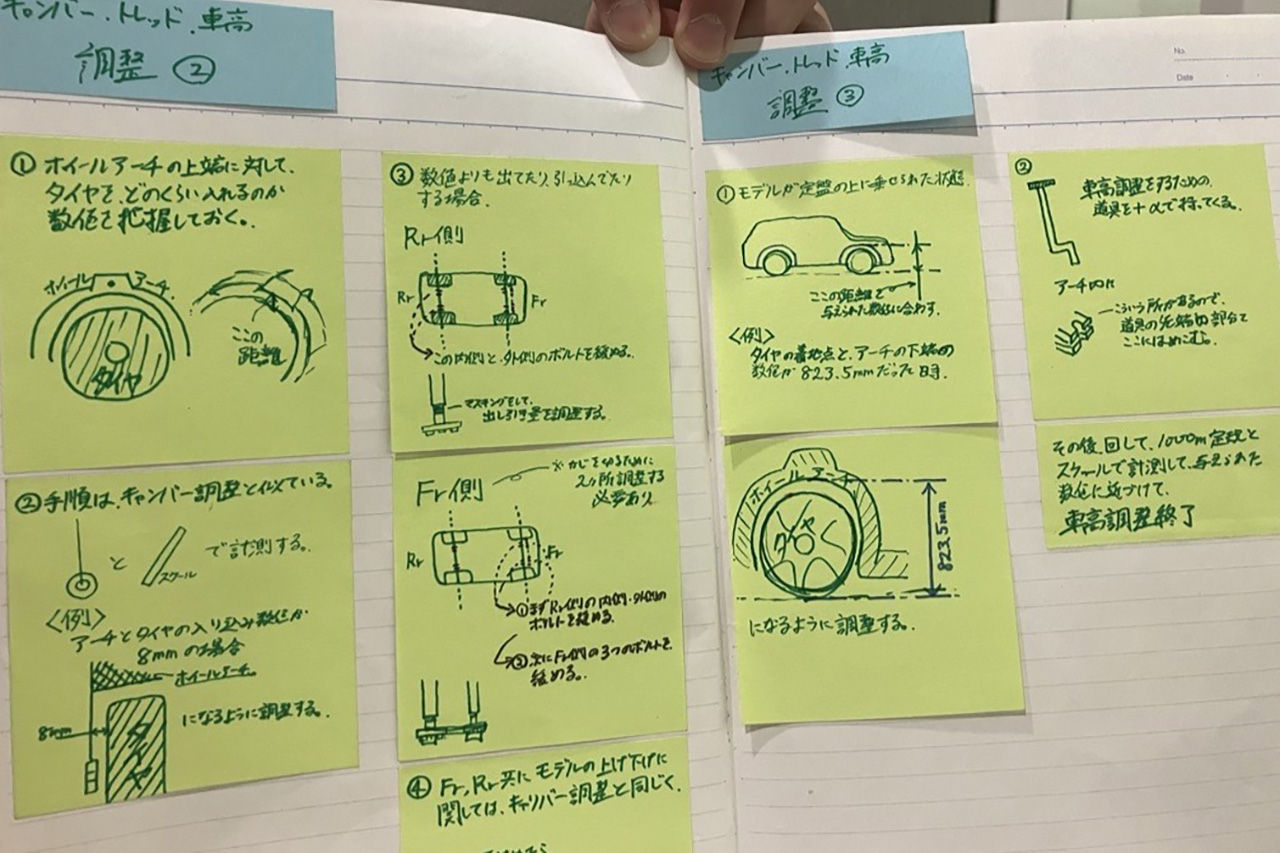
(Image 1): Tani's notebooks are filled with diagrams and material notes, written so that anyone could follow them. He anticipates the questions a reader might have, so the answers are already on the page. Three years in, he has already filled three notebooks.
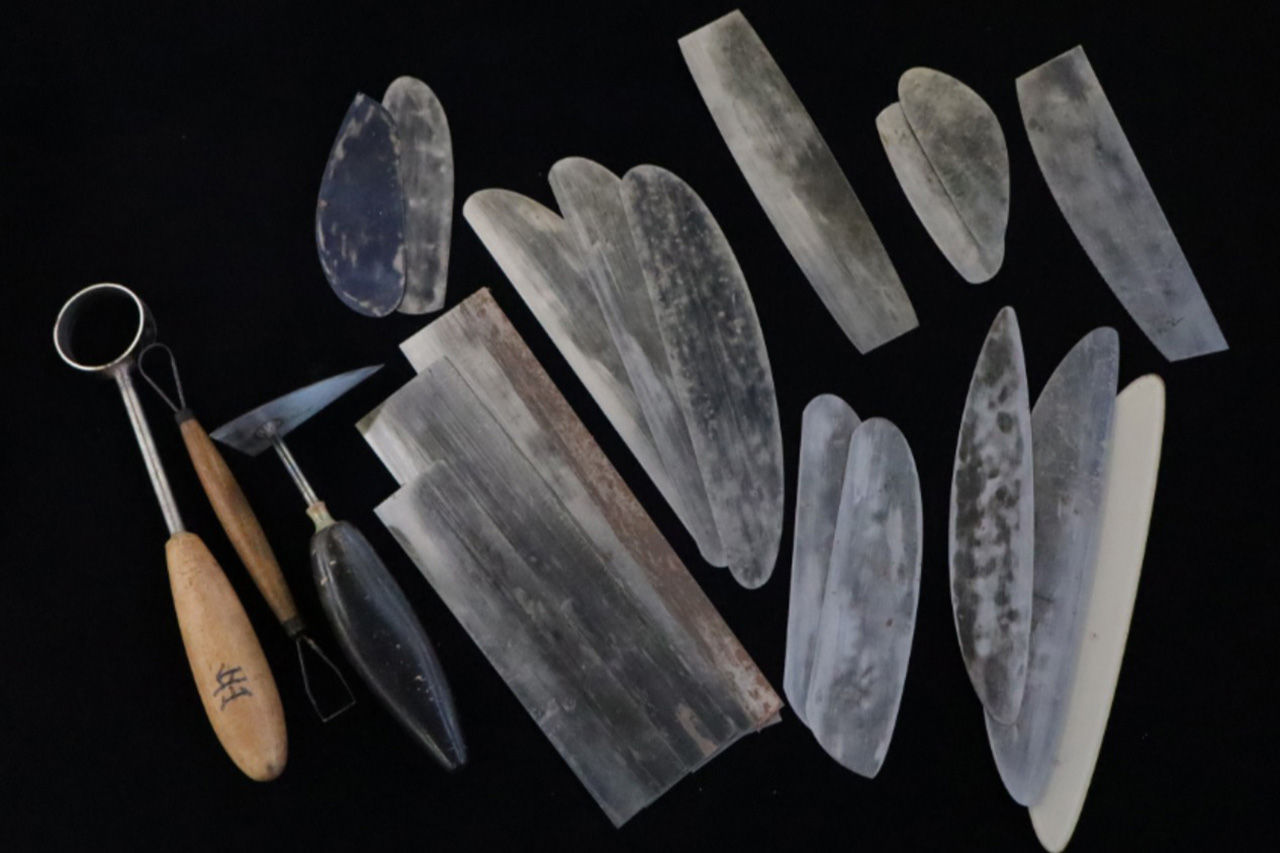
(Image 2): The tool set Tani has built up since joining Mazda. Clay modelers make many of their own tools from scratch, not just using what's available off the shelf. The hardness and thickness of each blade varies from person to person. If a shape feels right, he cuts it, files it and refines it himself. It's another part of the role that he enjoys.
More recently, Tani has started working on interior design projects. Now he is beginning to understand the relationship between a car's exterior and interior. "Up to this point, my work was only ever focused on what you could see from the outside," Tani confesses.
Understanding how the interior design influences the exterior form gave Tani a new awareness. Every day brings a chance to learn something new, gain a fresh insight, or deepen knowledge. For Tani, this is a big part of what makes the work interesting.
The CX-30: A Car That Stops You in Your Tracks
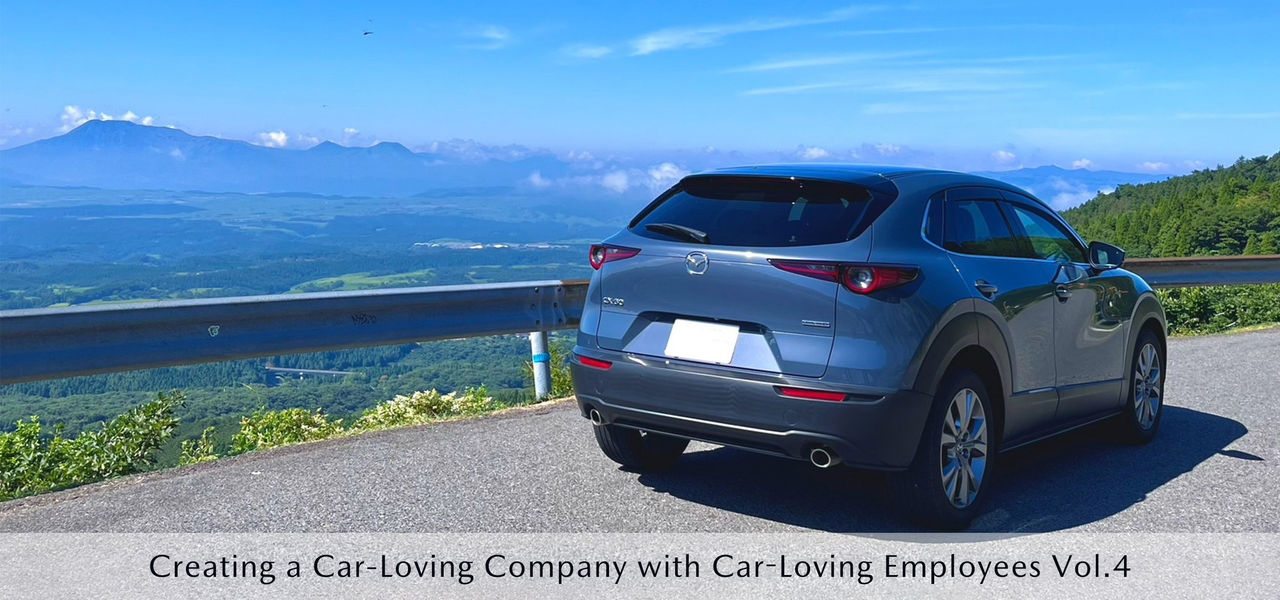
In his second year at Mazda, Tani bought a Mazda CX-30. It was a car he had been thinking about since his student days. Determined to improve his clay modelling, he had watched footage of the CX-30's clay modelers at work again and again.
Tani chose the CX-30 because of its design, but there was more to it than that. After watching the model being created on screen, seeing it driving through the streets moved him in a way he had not expected, and he knew this was the one.

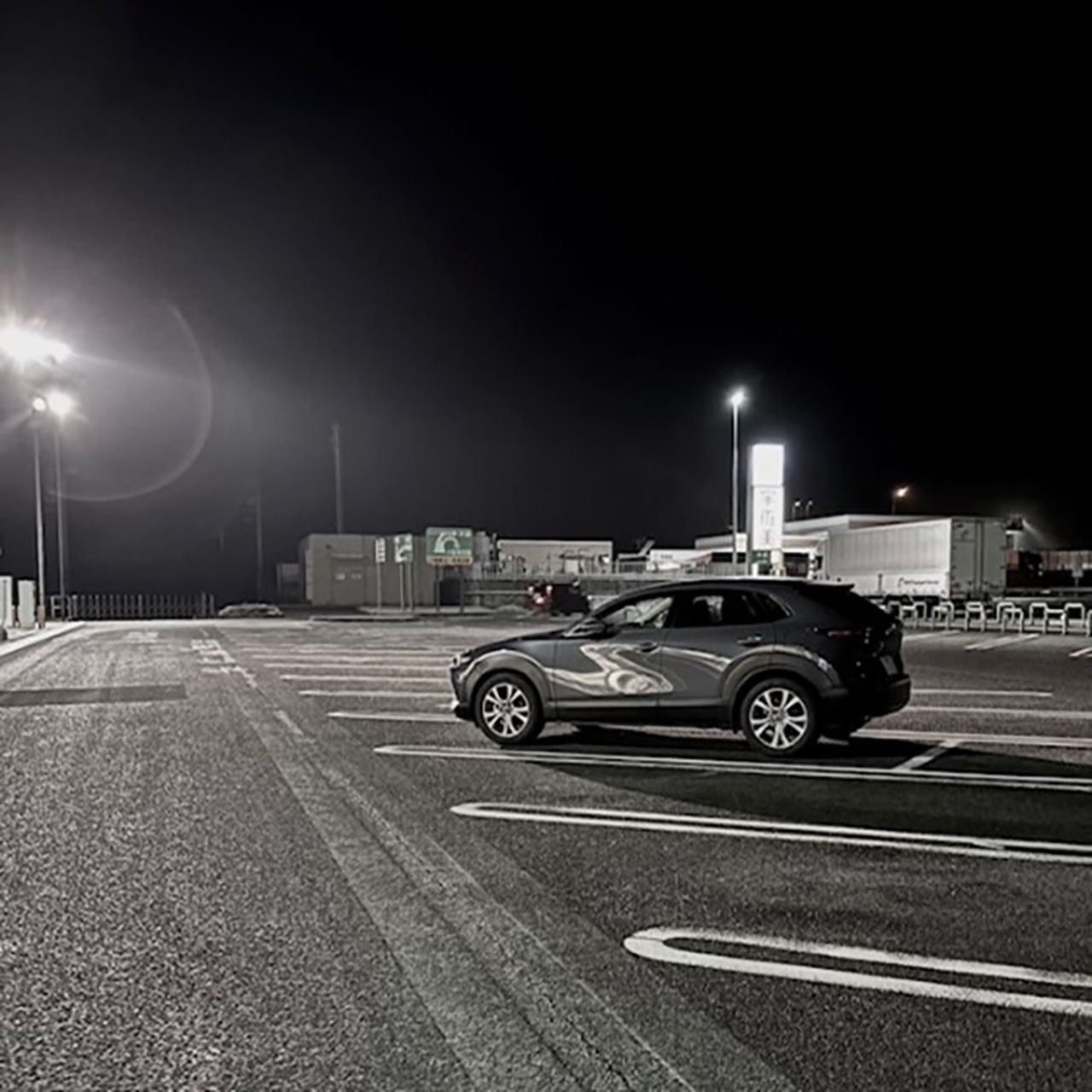
The Mazda CX-30 changes expression depending on where the light falls. "Morning, noon or night, the light hits it differently and the surfaces come alive in a completely different way. It's beautiful. And when you're behind the wheel, it feels like a cockpit. The lights, the controls all around you. It's a thrill to drive."
The CX-30 was the perfect car for Tani's aesthetic sensibility.
Now in his fourth year, Tani still finds time for his art. The CX-30 is his companion on the road between Hiroshima and his home atelier in Kitakyushu. Tani's life has expanded alongside his CX-30, which can hold his large artworks, camping gear and hobby equipment with ease.
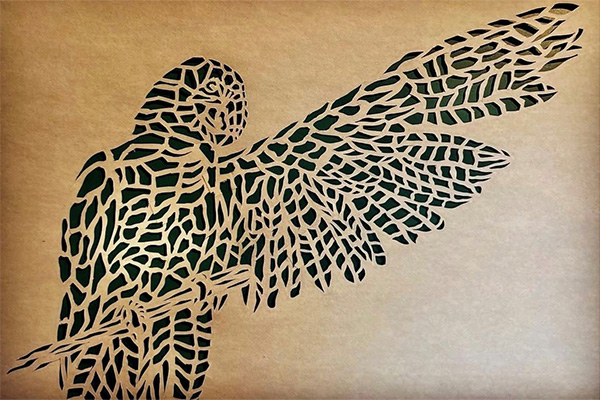
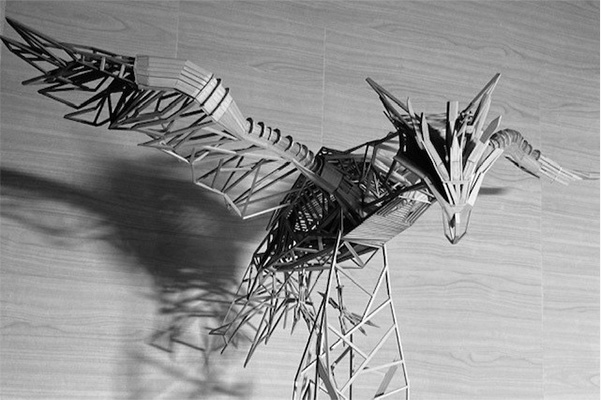
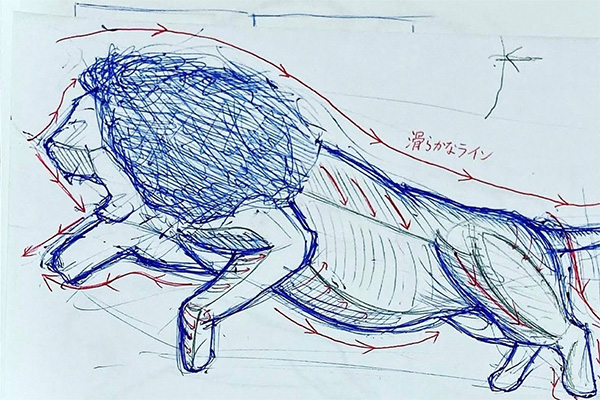
Tani is drawn to animal motifs, and especially enjoys capturing animals in motion. "That might be why Mazda's sense of breathing life into form appealed to me," he reflects.
The more time Tani spends in his CX-30, the more it has become a space of its own. Friends joke that it's like a second home, and it's easy to see why. The interior is simple and beautiful, comfortable in the way that only familiar things are. He chose the CX-30 because he wanted a car he could love for life. It has become exactly that. An extension of himself, and a trusted partner.
Now, it's Tani's turn to deliver that emotion and experience to others. To create a car that takes your breath away, and makes you feel that this is the car you want to drive for the rest of your life.
One day, a car he helped shape will be out there on the road, part of someone's everyday. That image is what brings him back to the clay.