Creating a Positive Future for Combustion Engine Cars: Mazda’s Public Proof-of-Concept Testing for Carbon Neutral Combustion Engine Car

Will a day come when combustion engine cars disappear altogether? As environmental issues increase and the world shifts toward electric vehicles, this question is one likely playing on the minds of many car enthusiasts. But a group of engineers at Mazda sees the future differently. Demand remains strong for combustion engine cars. They believe in a tomorrow where combustion engine cars can be a positive choice both for driver and the planet.
 

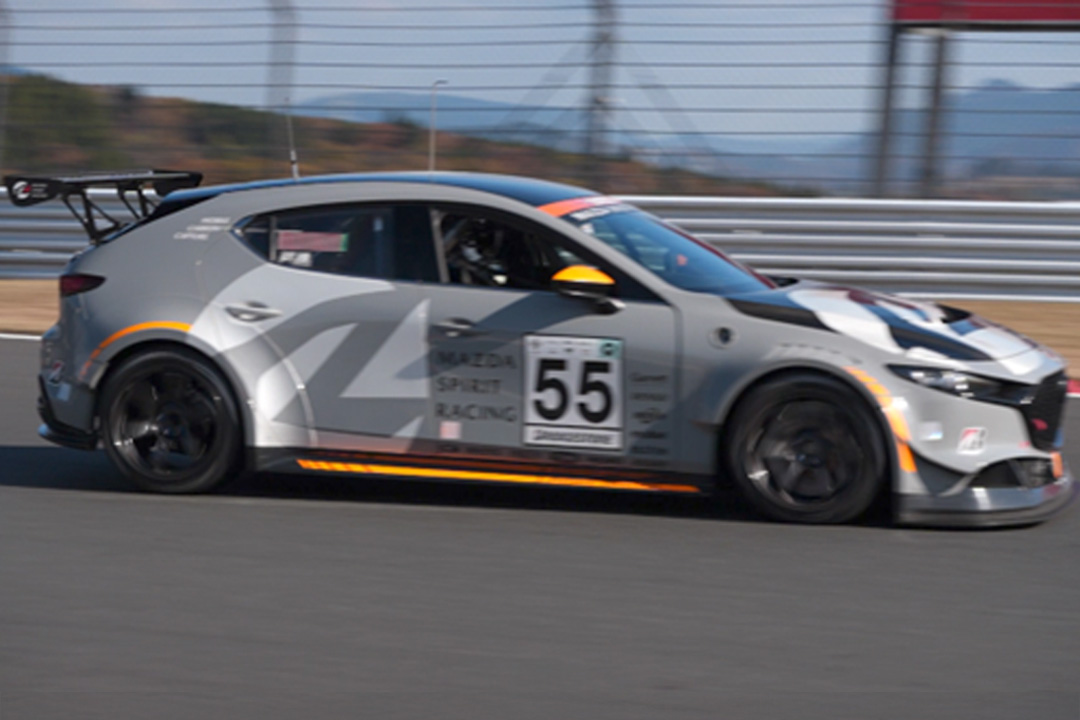
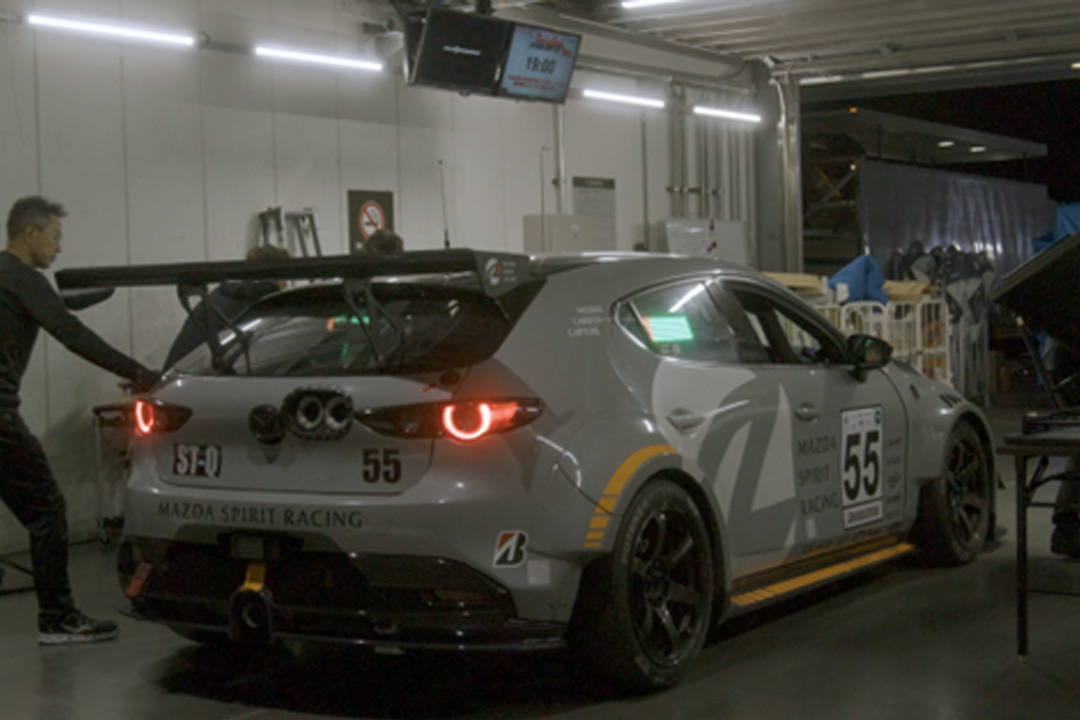
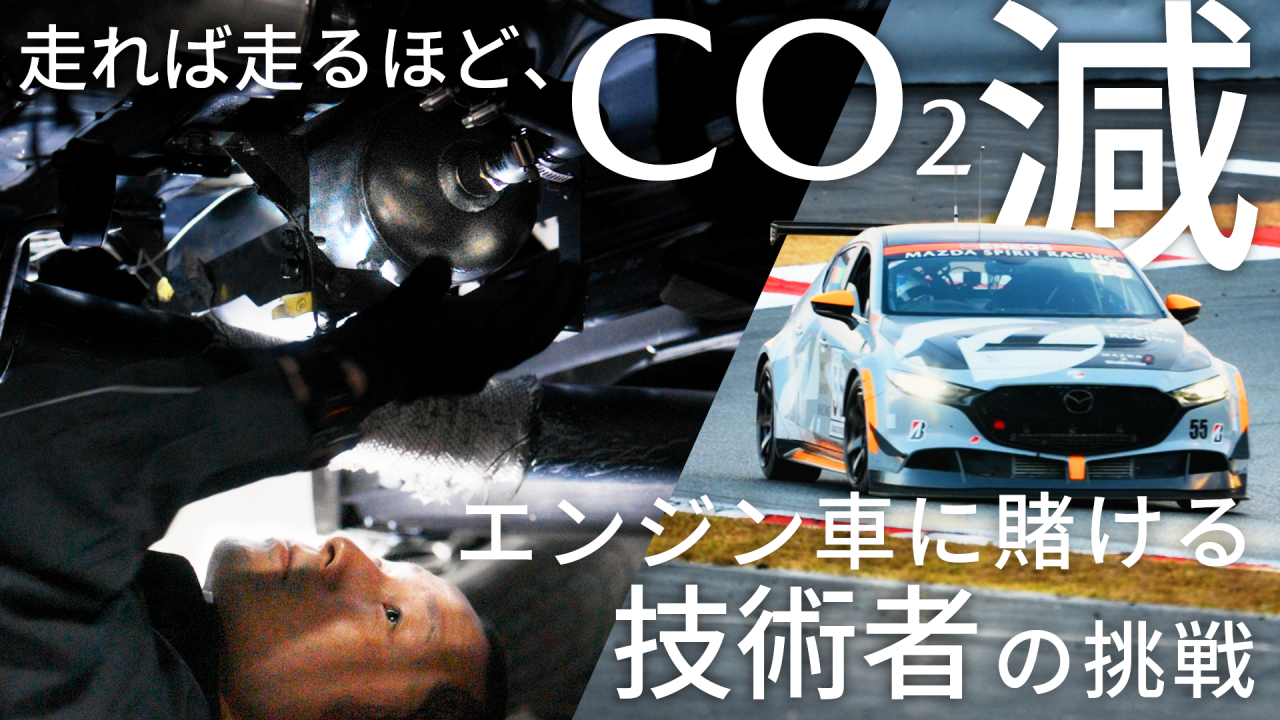
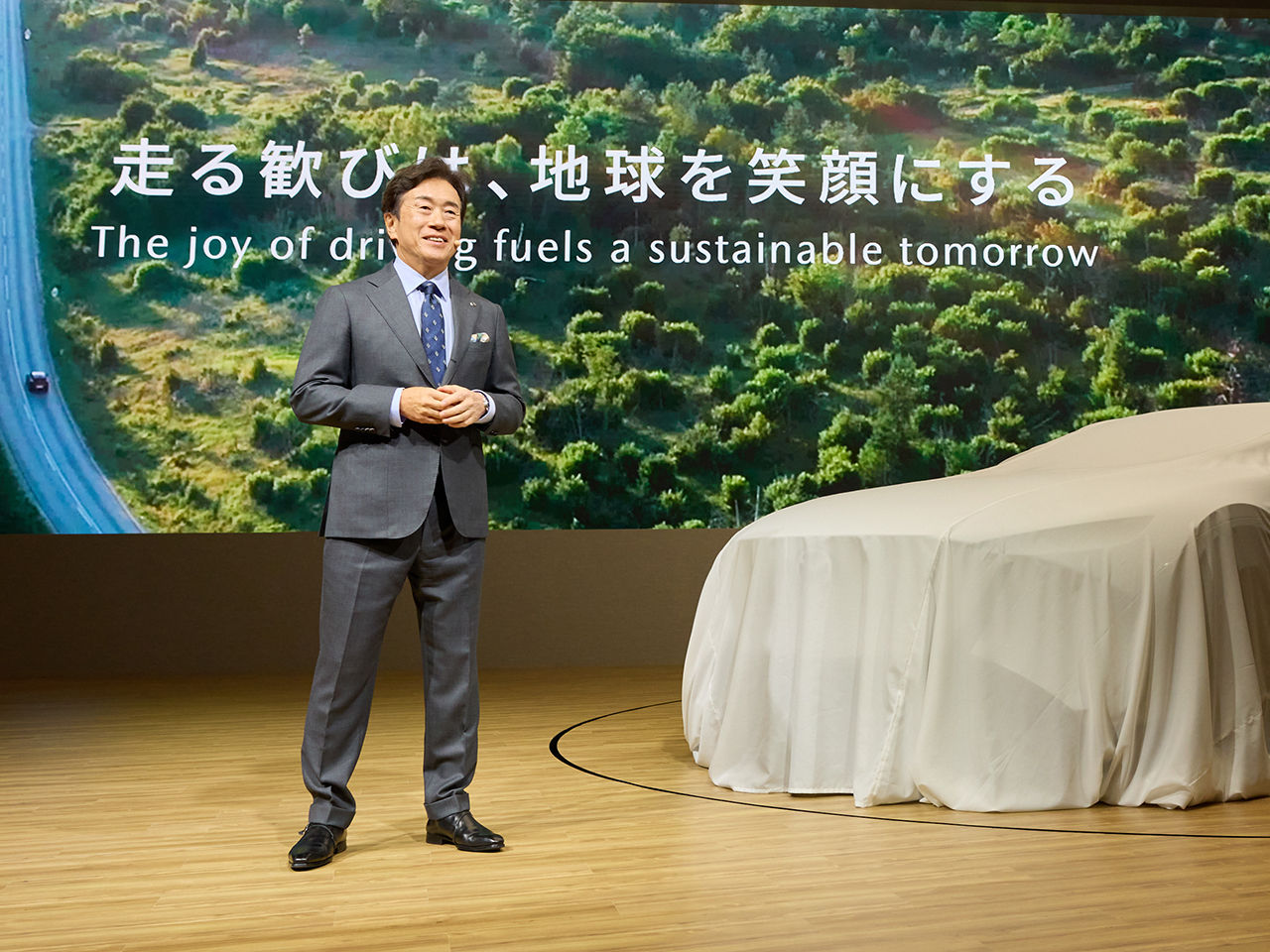
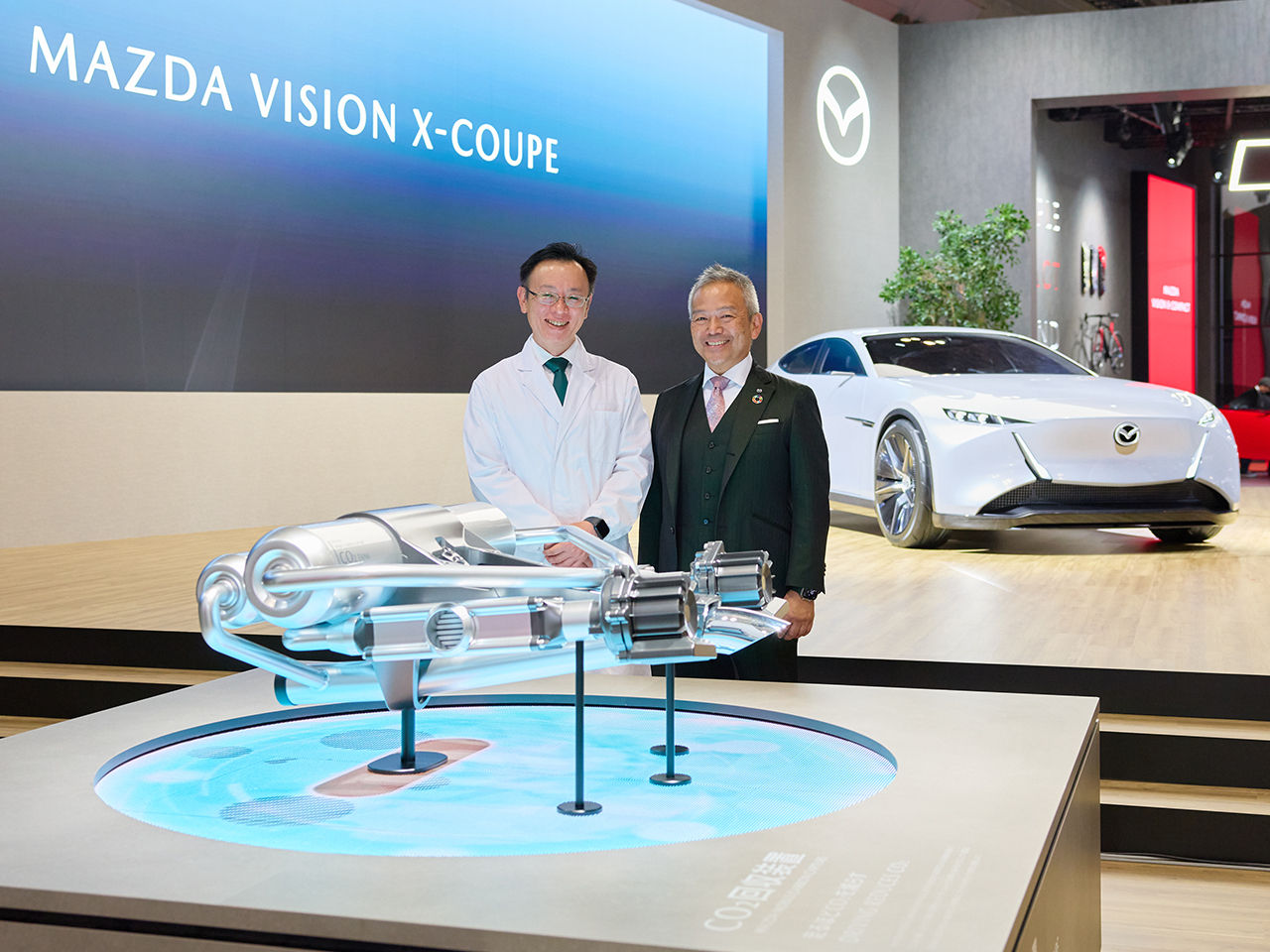
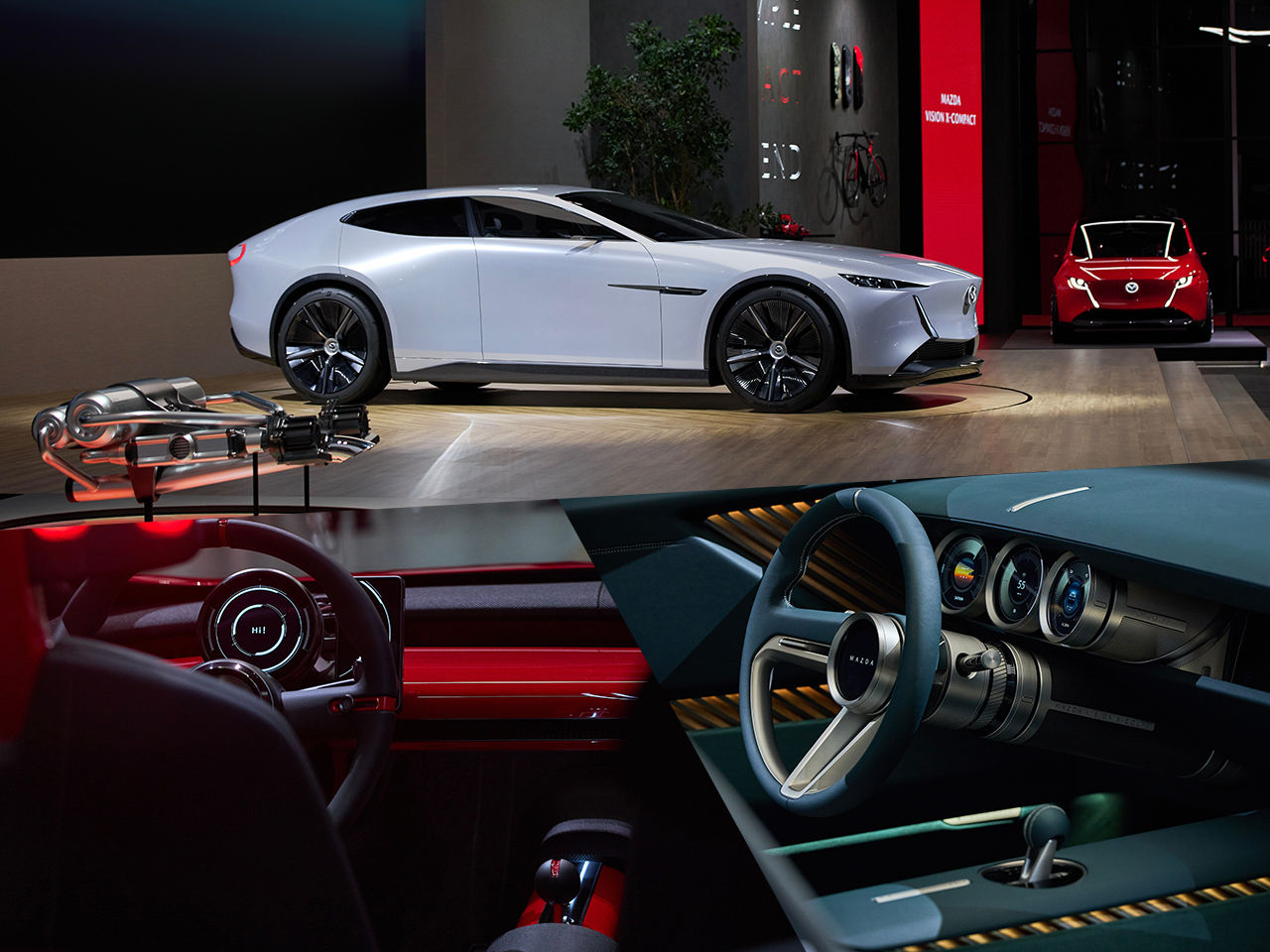
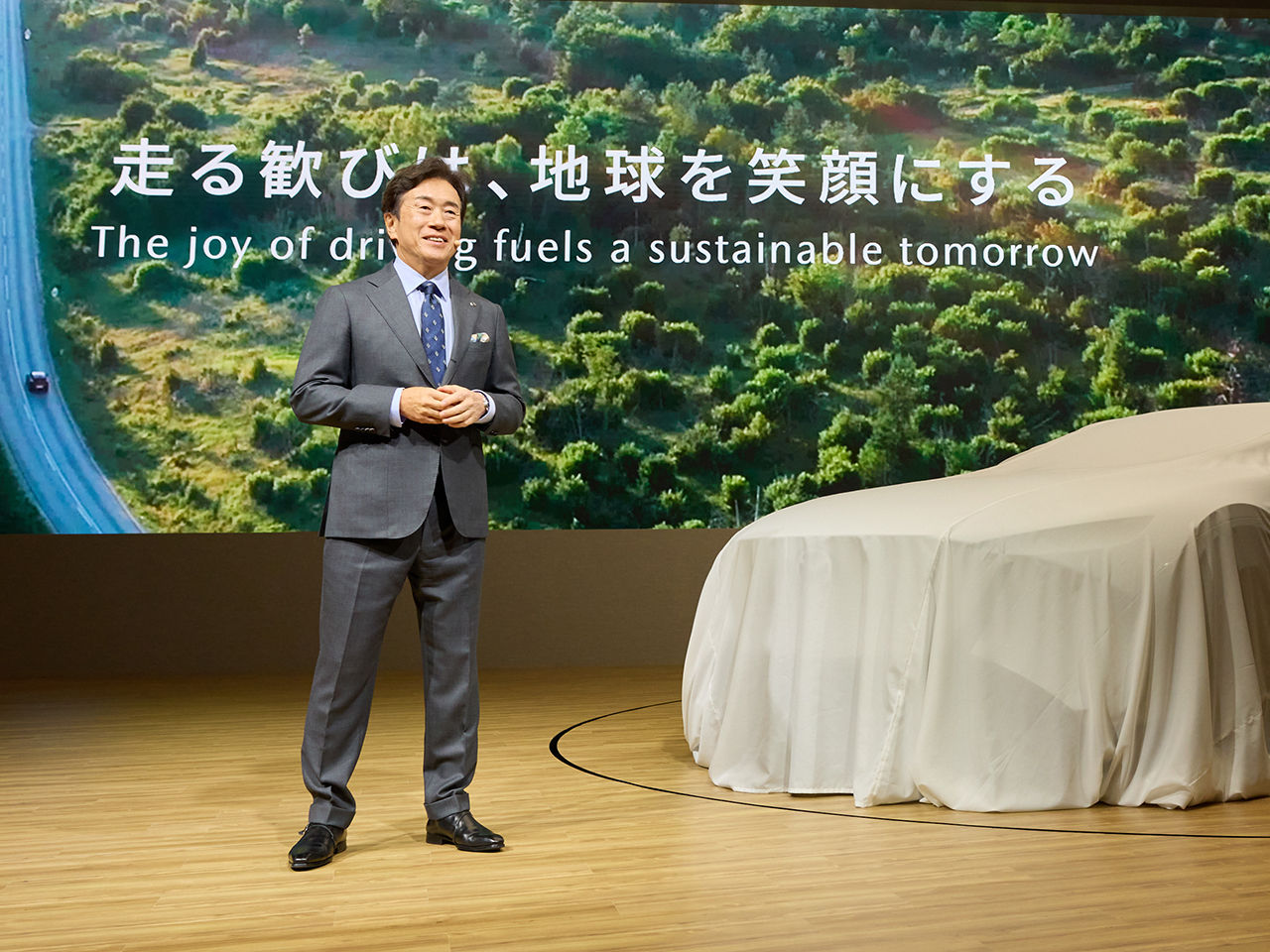
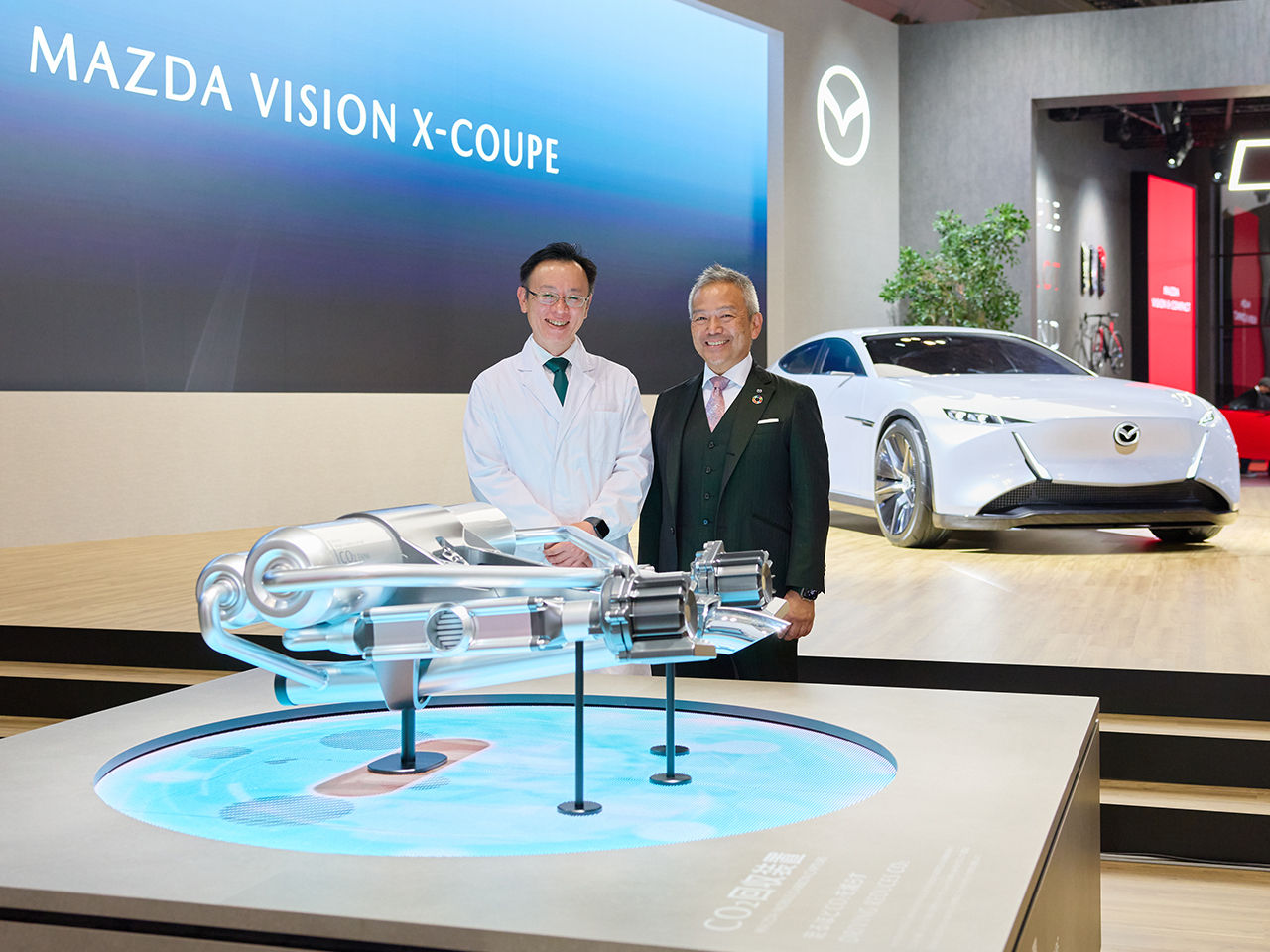
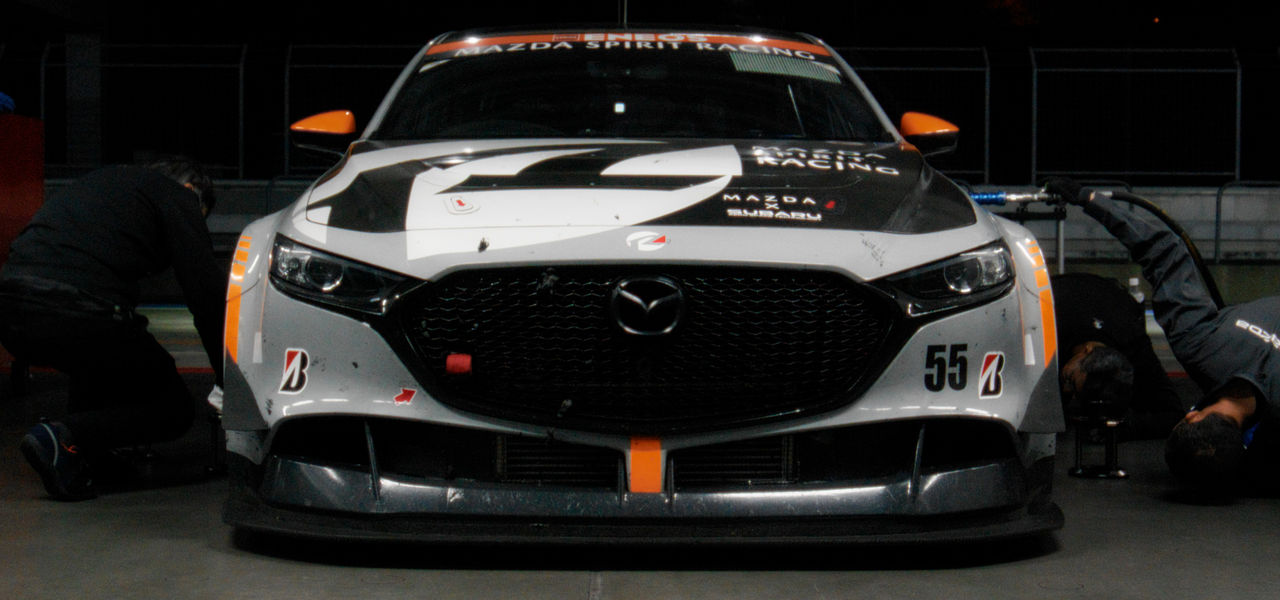
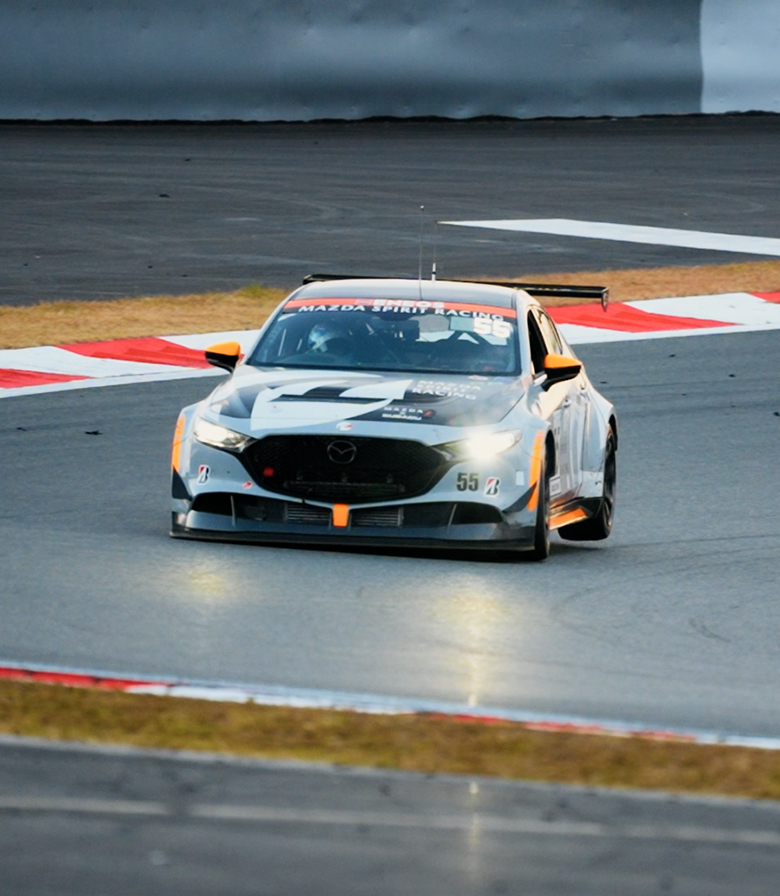
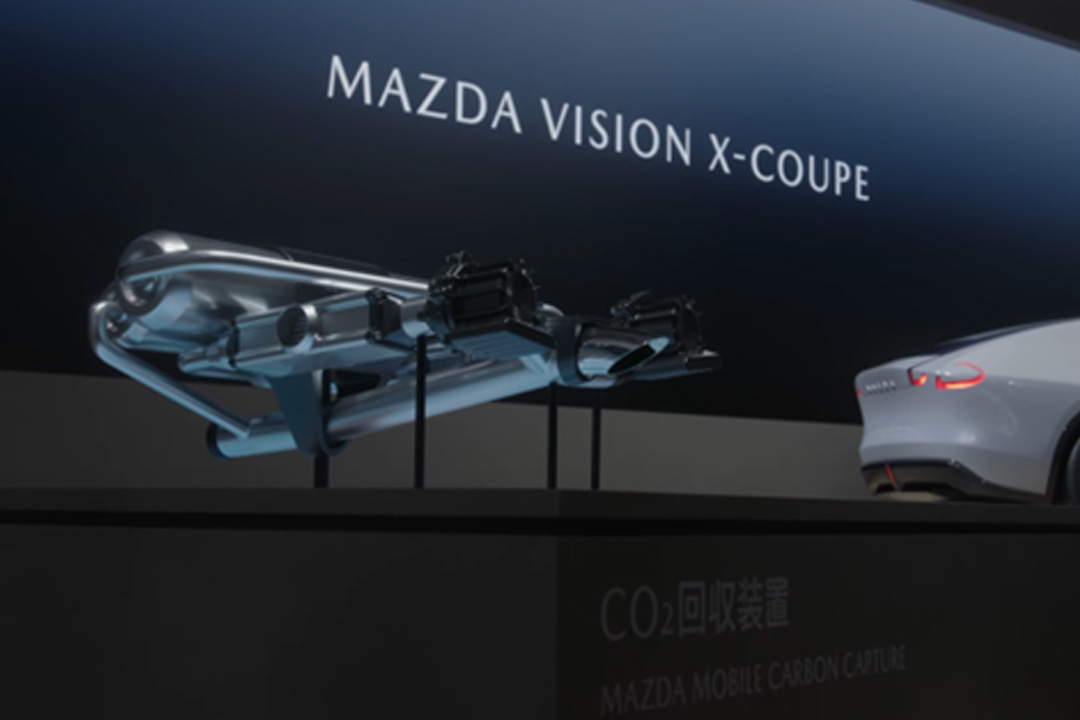
At Japan Mobility Show 2025, Mazda presented a bold vision: mobility where driving more means less CO₂. Central to this is Mazda Mobile Carbon Capture, our CO₂ capture technology. In November 2025, Mazda put it to the test at the Super Taikyu Series final*1, with the Mazda #55 running the first public proof-of-concept test.*2
 

Behind this is a project to build a combustion engine that is not only carbon neutral, but reduces carbon in the atmosphere. The team is made up of engineers who have dedicated their careers to engine development, and stepped forward to make their belief in the future of combustion engine cars a reality. This is the story of their journey, driven by their tireless spirit and conviction.
Carbon Negative Potential of Combustion Engine Cars

You've probably heard the term "carbon neutral": balancing CO₂ emissions with absorption to reach net zero. But Mazda is pushing further to pursue carbon negative, where absorption exceeds emissions. In other words, the more you drive, the more CO₂ you reduce.


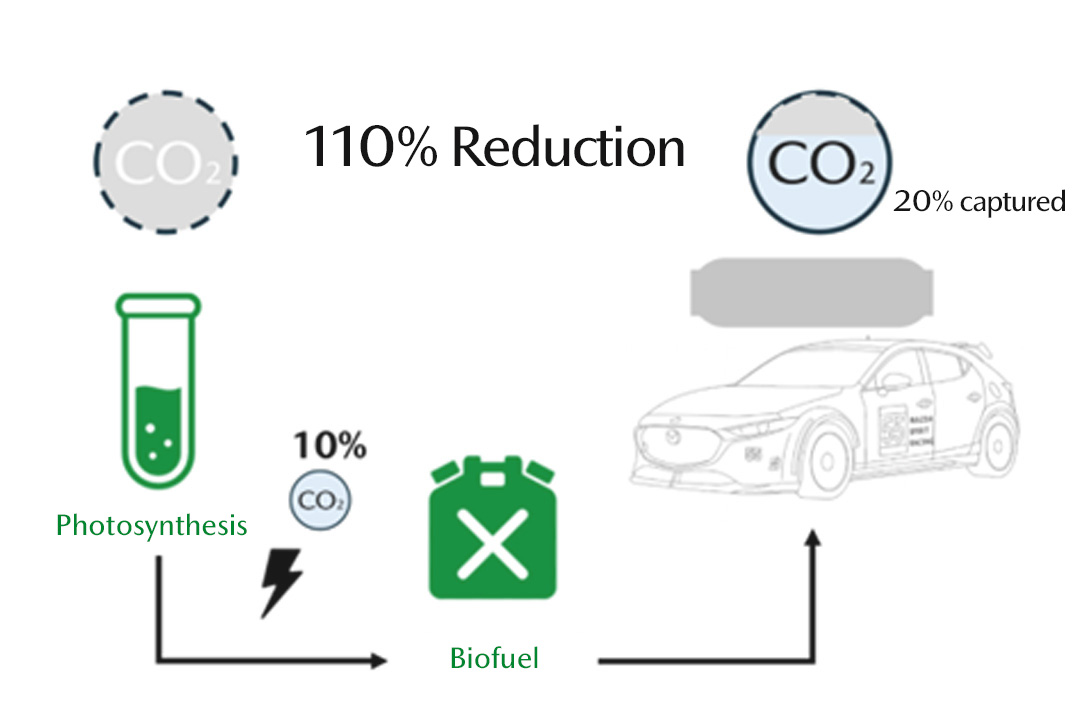
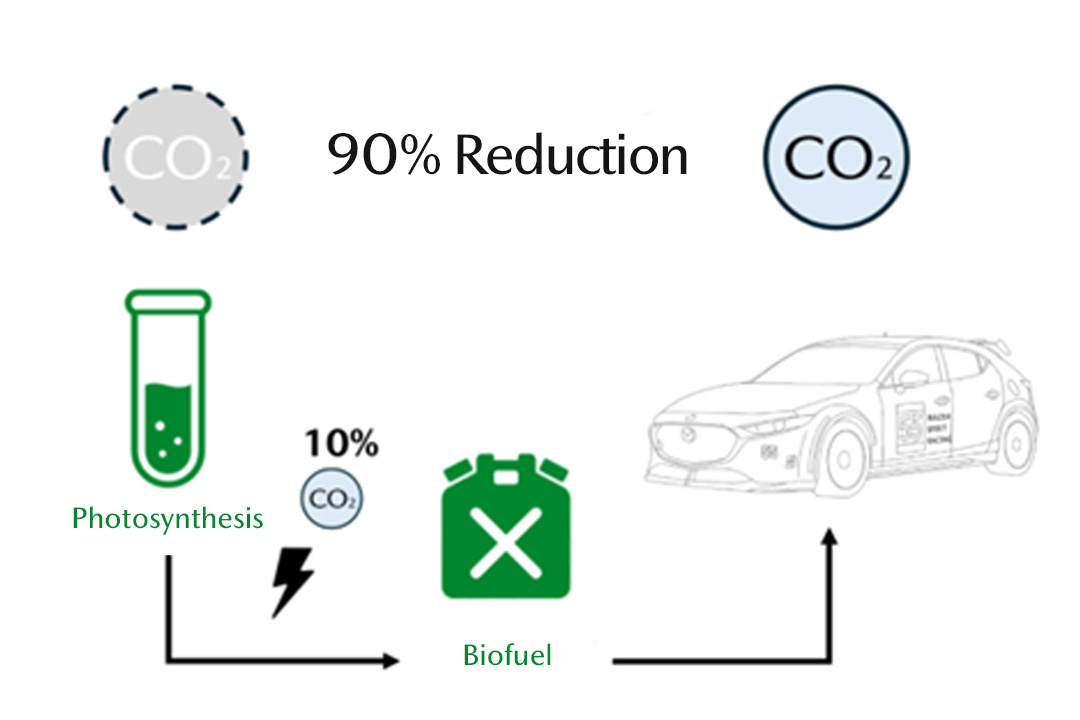
All engines release CO₂ when they run, whether they burn fossil fuels or biofuels.*3 But biofuels are made using processed plant oil, and as plants absorb CO₂ when they grow, the CO₂ released when driving is the same CO₂ the plants absorbed—making biofuels appear to be carbon neutral. 

However, processing plant oil into usable biofuel takes energy, and this in turn emits CO₂. Still, while not being completely carbon neutral, biofuels can reduce CO₂ emissions by up to 90% compared to fossil fuels.

Ryota Kimishima
Ryota Kimishima

Yet Mazda wanted to take it even further. Even if the negative impact is small, it can still prevent you from fully enjoying the driving experience. But what if driving could do something positive for the environment? That would ease the concern around environmental impact and let drivers embrace the road with a clearer conscience.

This was the thinking behind Mazda’s carbon capture device.


Ryota Kimishima
Ryota Kimishima

With this technology, the CO₂ absorbed during biofuel production normally emitted when driving is instead captured by the device.

Ryota Kimishima
Ryota Kimishima

In the future, CO₂ absorption is expected to exceed emissions, leading to a reduction in CO₂  the more you drive.

Delivering Mazda Value to Customers Wherever They Are

EVs often dominate the conversation around environmentally-friendly vehicles. But Mazda sees a role for combustion engine cars too, from both a practical and emotional perspective.


Yuji Harada, Research Manager for CO₂ Capture Technology at Mazda, explains.

Ryota Kimishima
Ryota Kimishima

Yuji Harada wants to create products that are good for people and the planet   . When he shared this conviction with colleagues, he persuaded two others to launch the CO₂ capture research team with him.

Harada:

There are practical reasons to consider gasoline cars in tackling environmental concerns. Right now, the electricity powering EVs still often comes from fossil fuels like coal and gas. That will change over time as renewable energy expands.

But that won’t happen everywhere. In regions with limited infrastructure, or countries that can’t afford to switch to renewables, there will still be demand for efficient, high-performing combustion engine cars. And as a manufacturer, we have a responsibility to address environmental concerns in those markets too. Creating combustion engine cars that consider their environmental impact isn’t optional. It’s part of our duty.

Beyond the practical reasons, giving customers more choice is also a significant factor. Yasunori Uesugi, who oversees race operations and CO₂ capture technology testing, puts it this way.

Ryota Kimishima
Ryota Kimishima

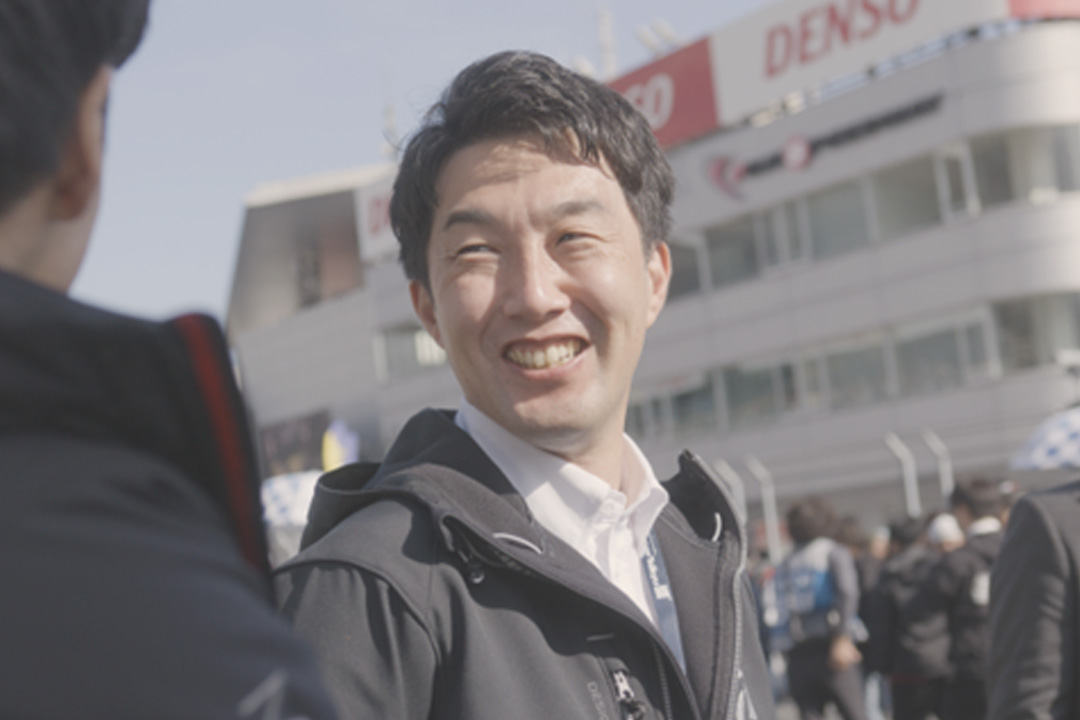
Yasunori Uesugi oversees race operations and technology testing. A calm and composed leader, his many years of experiencing engine development have made him an engineer at heart.

Uesugi:

Mazda also produces EVs, and we fully appreciate what they offer. But we don't think EVs should be the only choice.

Many drivers love what makes combustion engine cars special. We don't want environmental concerns to take that choice away from them. We want a future where people can still choose the car they love, where all kinds of vehicles share the road. That's the spirit driving this project.

Three Steps Toward Carbon Negative

Mazda has outlined three steps for its CO₂ capture technology.

Ryota Kimishima
Ryota Kimishima

Step 1, CO₂ adsorption, is where Mazda #55 comes in.

Ryota Kimishima
Ryota Kimishima

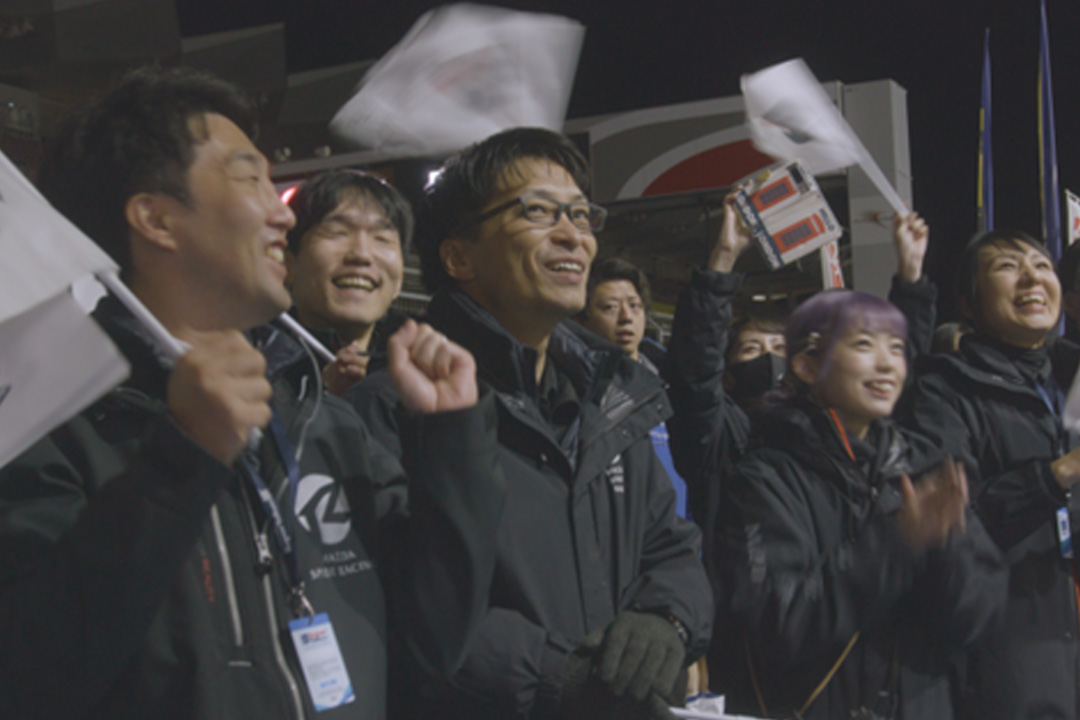
Running on biofuel, Mazda #55 took on the Super Taikyu Series final*1 equipped with the CO₂ capture device. It successfully captured 84g of CO₂ from exhaust gas (roughly equivalent to 21 500ml bottles of carbonated drink) and completed the race.

But the initiative doesn’t end here. According to the engineers, this is the beginning of a whole new chapter.

Ryota Kimishima
Ryota Kimishima

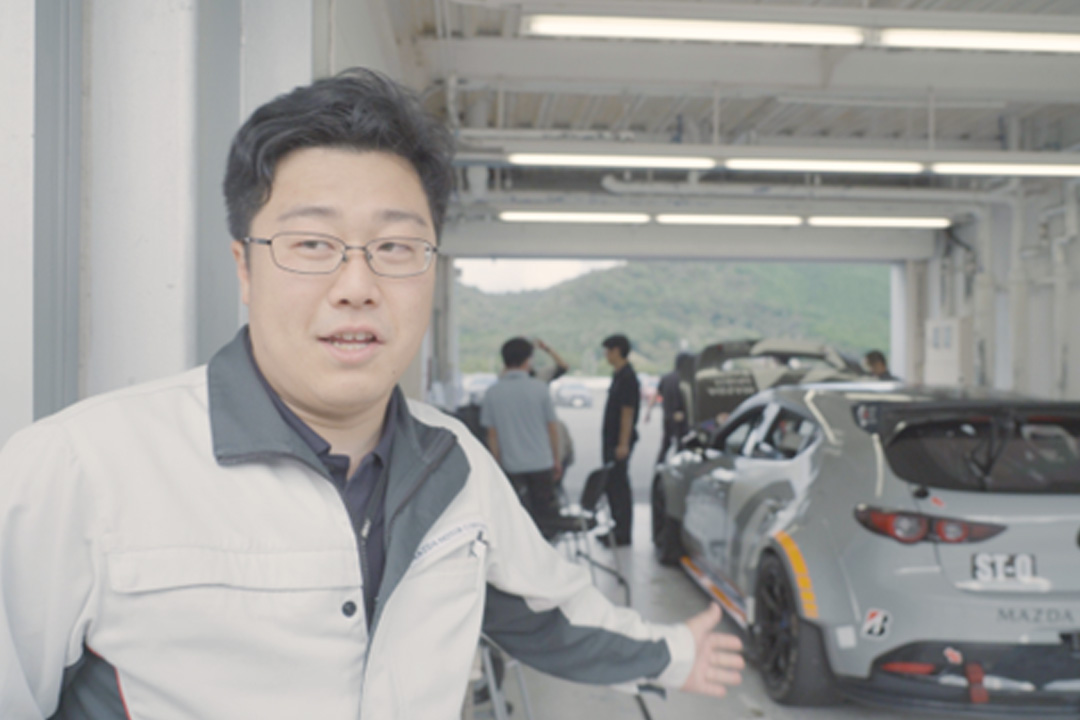
Takahiko Yoshida, Factory Motorsports Promotion Department. He leads the technical demonstration of the CO₂ capture device on Mazda #55. Drawing on his experience reducing CO₂ in production processes, he's now taking on the challenge of CO₂ capture in race vehicles.

Yoshida:

Even reaching the first step, CO₂ adsorption, meant overcoming more challenges than we imagined just to install the technology in a car and race it. We built the system from scratch, and issues only emerged once we started running at the circuit. It came down to the wire. But engineers, designers, and specialists from across the company came together to get us here. Now that we've completed the Super Taikyu race, we want to build on this important first step.

Ryota Kimishima
Ryota Kimishima

Ryota Tottori, Engine Design Engineering Department. He designed the exhaust components for Mazda #55, working to ensure the CO₂ capture device functioned properly while maintaining performance as a racing car.

Tottori:

The CO₂ capture device on Mazda #55 is still quite simple. The capture volume is low enough that air cooling was sufficient. But to reach the next step, we need to increase that volume. That means more complex systems: water cooling, mechanisms to remove moisture that interferes with capture, and a way for customers to easily remove the captured CO₂.

The hard work is just getting started.

Ryota Kimishima
Ryota Kimishima

By completing the Super Taikyu race, Mazda proved that carbon negative is more than a dream. But this is just the beginning. 

Ryota Kimishima
Ryota Kimishima

The challenge of creating a combustion engine car that can be positive for drivers and the planet has only just started.


*ENEOS Super Taikyu Series 2025 Empowered by BRIDGESTONE, round 7, S-Tai Final Festival, held November 15–16. 

*2 The "MAZDA SPIRIT RACING 3 Future Concept (Mazda #55)" was equipped with Mazda Mobile Carbon Capture for the first time and ran on biodiesel fuel (HVO), a carbon-neutral fuel in practical use in Europe. This marked the world’s first public proof-of-concept testing of CO₂ capture technology in race conditions. 

*3 Mazda is currently researching a type of biofuel derived from microalgae. For more see:  JMS 2025: The More You Drive, the Cleaner the Planet? The MAZDA VISION X-COUPE and the Future of Future of Joy of Driving


Movie

×

From the Editorial Team


Through filming and writing this piece, we spent time with the engineers from the lab to the circuit. One thing stood out: no matter how many setbacks they faced, there was always a spirit of moving forward together. Harada, one of the founders of this project, said he started it partly in the hope that employees who love combustion engine cars would have something to feel positive about.

"We won't let combustion engine cars become the villain. Not now, not ever." That's the resolve driving this team. Watching these engineers work with that conviction, and seeing the cars that embody it, you can't help but feel hopeful yourself.

Engineers with their eyes on the future. Cars with engines that roar. Together, they're heading somewhere good. A future that's not better for the planet, and one that puts a smile on our faces too. 


Special Edition

Japan Mobility Show 2025: The Joy of Driving Fuels a Sustainable Tomorrow. Mazda’s Vision for the Future of Smart Mobility in 2035


Japan Mobility Show 2025: The More You Drive, the Cleaner the Planet? The MAZDA VISION X-COUPE and the Future of Joy of Driving


Japan Mobility Show 2025: The Car That Becomes a Friend—The MAZDA VISION X-COMPACT and the Future of Car-People Relationships


Two Lights Illuminating the Future of Kodo Design: Mazda’s Vision Models Point the Way


Related Contents

LOVE DRIVING, LOVE THE EARTH>


To ensure a long and happy relationship between cars, people, and our precious Earth

Share
  • X
  • Facebook