The Mazda Fan Festa at Fuji Speedway is an annual event held at the iconic circuit to celebrate and thank Mazda fans.
2026.03.13
Driving Into the Future Together: How Mazda Nurtures the Bond Between People and Their Cars
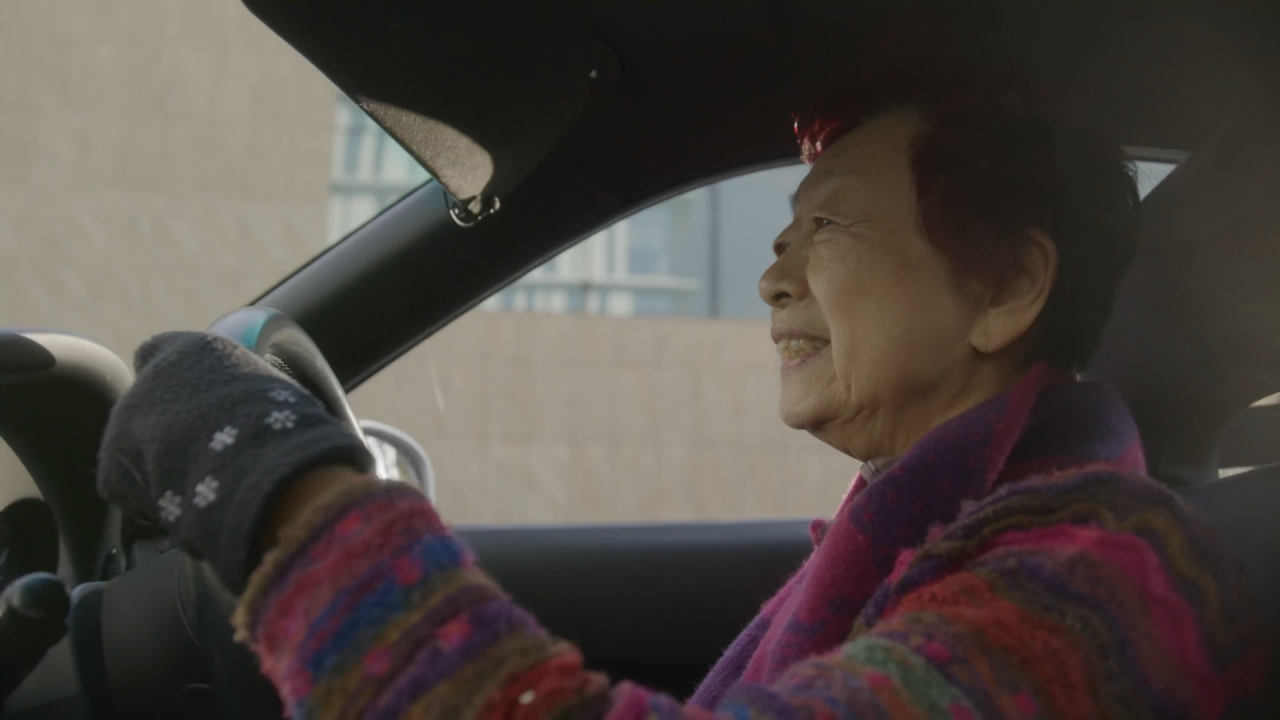
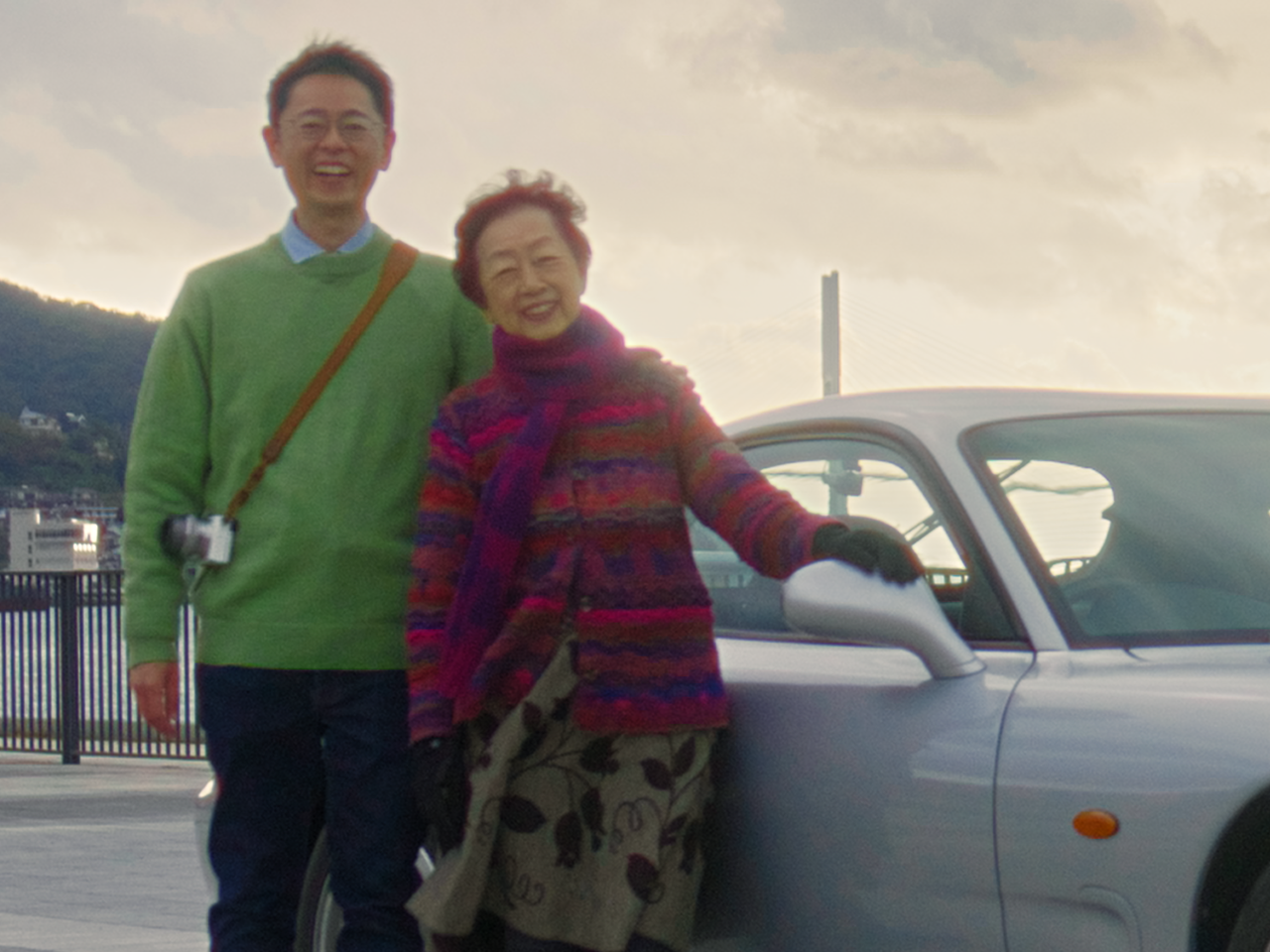
For 25 years, Naoko Nishimoto and her RX-7 were inseparable. She bought the car at 55 and cared for it through a quarter century of her life. On her 80th birthday, she made the decision to surrender her driver's license and say goodbye to her beloved friend.
Mazda stepped forward to give the car a new home, and a new purpose: sharing the joy of driving with a wider audience as a Mazda publicity vehicle.
Naoko is not alone. All over the world, there are people who have devoted years, even decades, to a single car, caring for it as though it were a member of the family. For owners like these, Mazda has been asking itself a simple but important question: what can we do for them?
One answer lies in the restoration of discontinued models and the supply of hard-to-find parts, so that the cars people love can keep going for years to come.
We spoke with the people making that possible, and the owners whose stories inspired them.
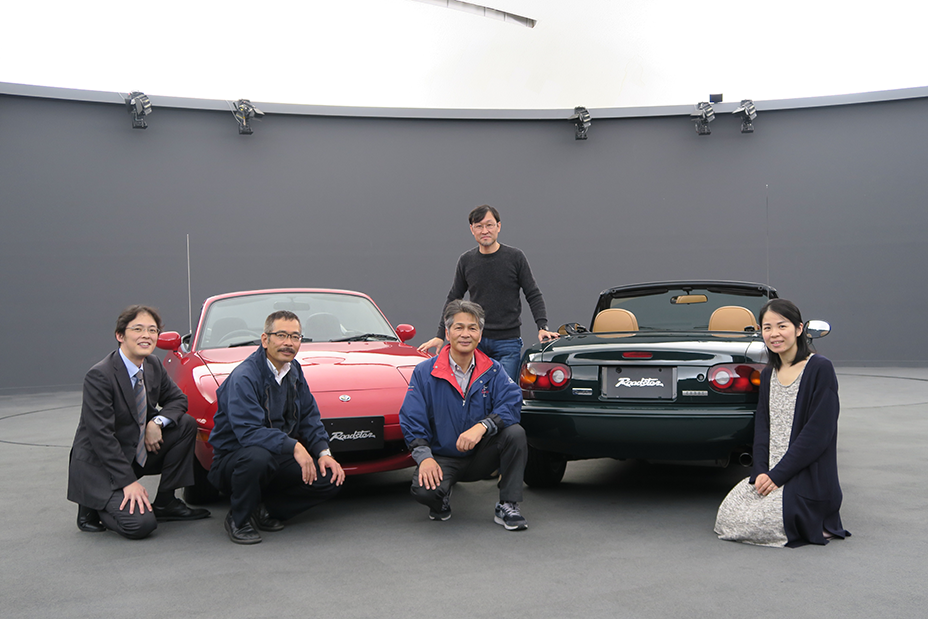
Team members from when the restoration service launched in 2017. Standing center back is Akira Fushimi, who continues to lead Classic Mazda today.
Reunited with the RX-7: "It Felt Like It Was Waiting for Me.”
At the 2025 opening ceremony, a silver car swept through the track. It was Naoko Nishimoto's RX-7.
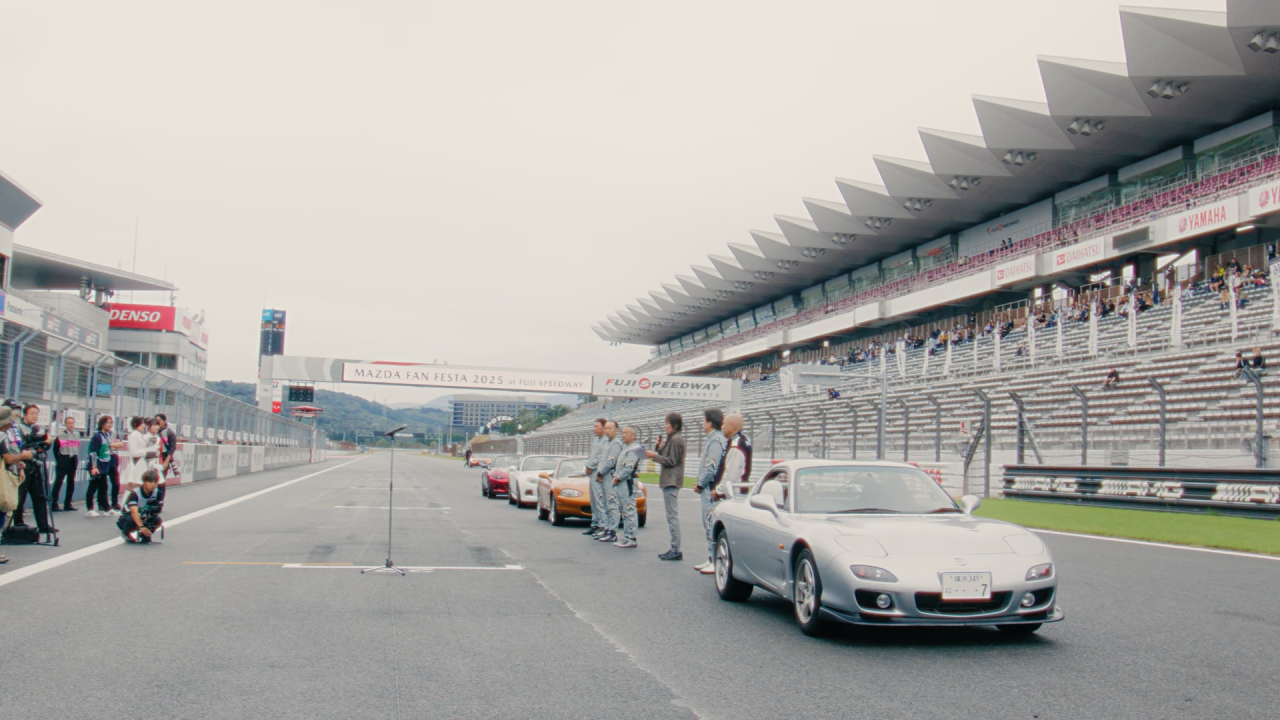
The RX-7 now serves as a Mazda publicity vehicle, appearing at events to share the joy of driving. At this year's event, Mazda President Moro drove it onto the circuit. Along with the Mazda 787B, it captivated the crowd, representing the very best of Mazda.
Looking on fondly from the sidelines was the RX-7's former owner, Naoko Nishimoto.
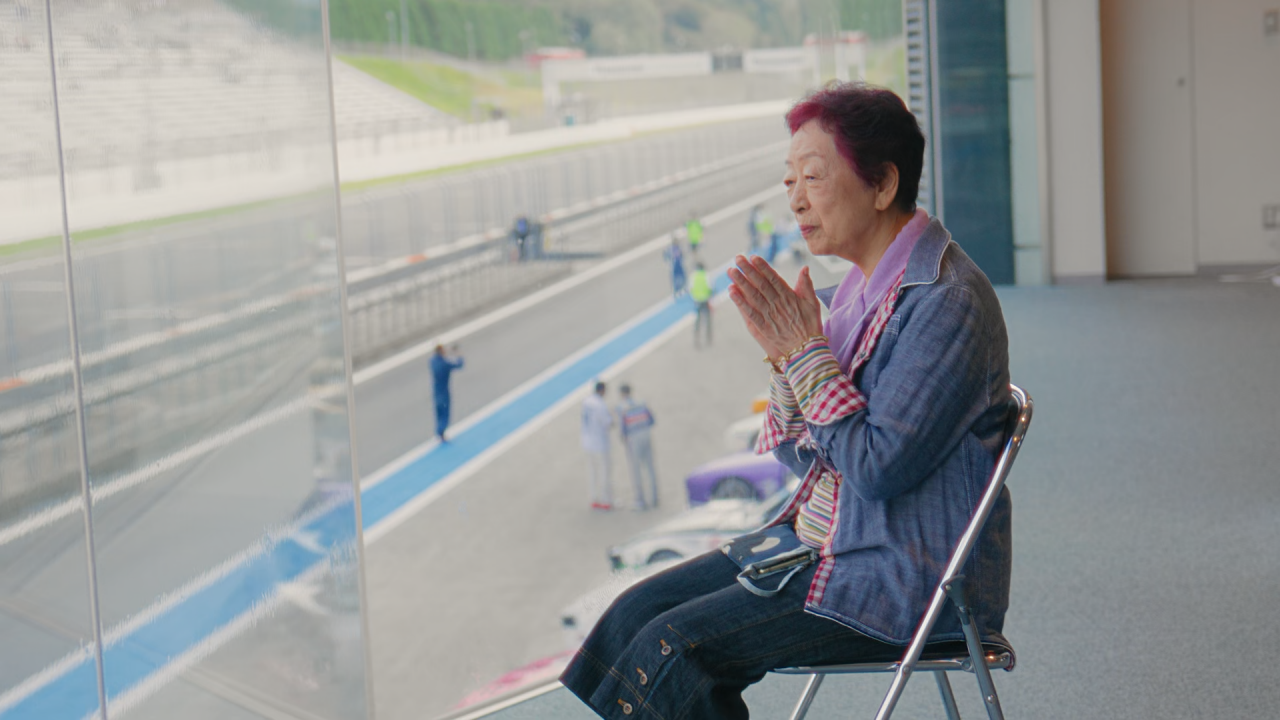
Naoko watches her RX-7 take center stage at the opening ceremony. "It was like seeing an old friend again," she said with a smile.
It had been ten months since she had last seen her car.
Nishimoto:
I love the sound of the engine. Would it be all right if I started it?
The key was handed to her. Settling into the seat for the first time in months, she turned the ignition. A quiet “ahh" escaped her lips.
Nishimoto:
That sound. I just love it! There's nothing quite like it. The moment I settled into the seat, I felt it. It was waiting for me.
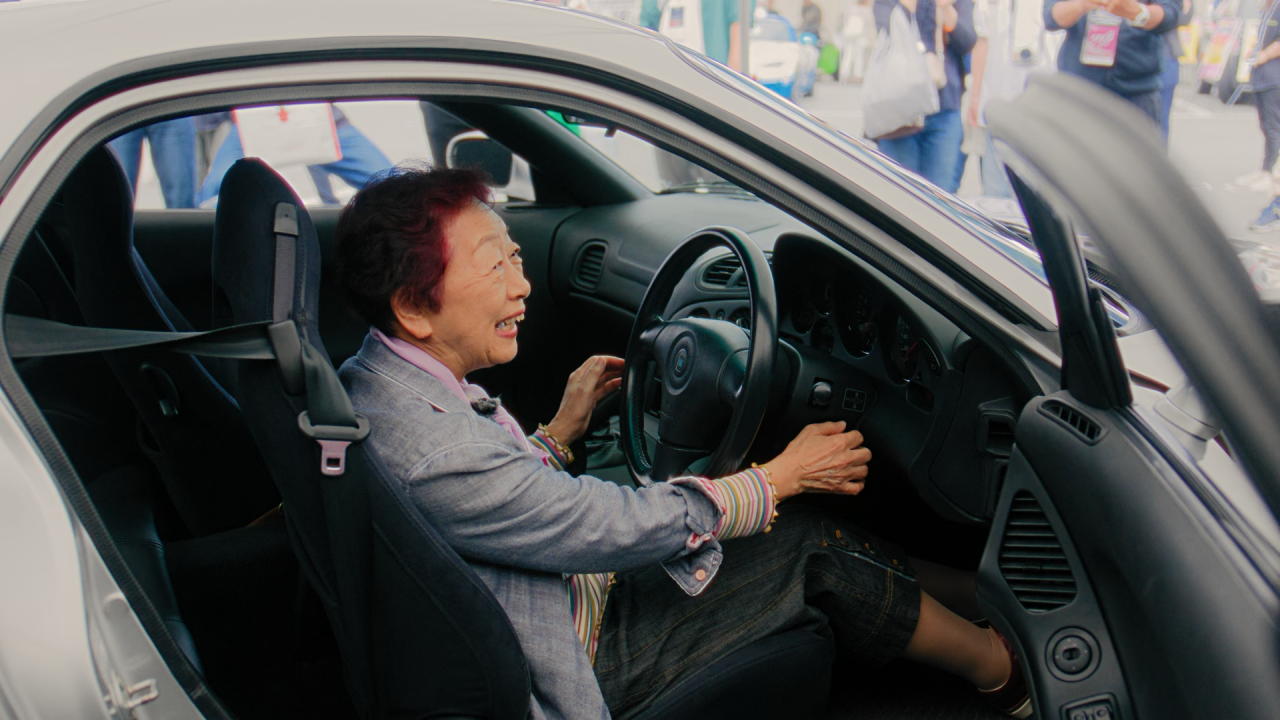
"Just one more time," she said with a shy smile, and ended up starting the engine three times.
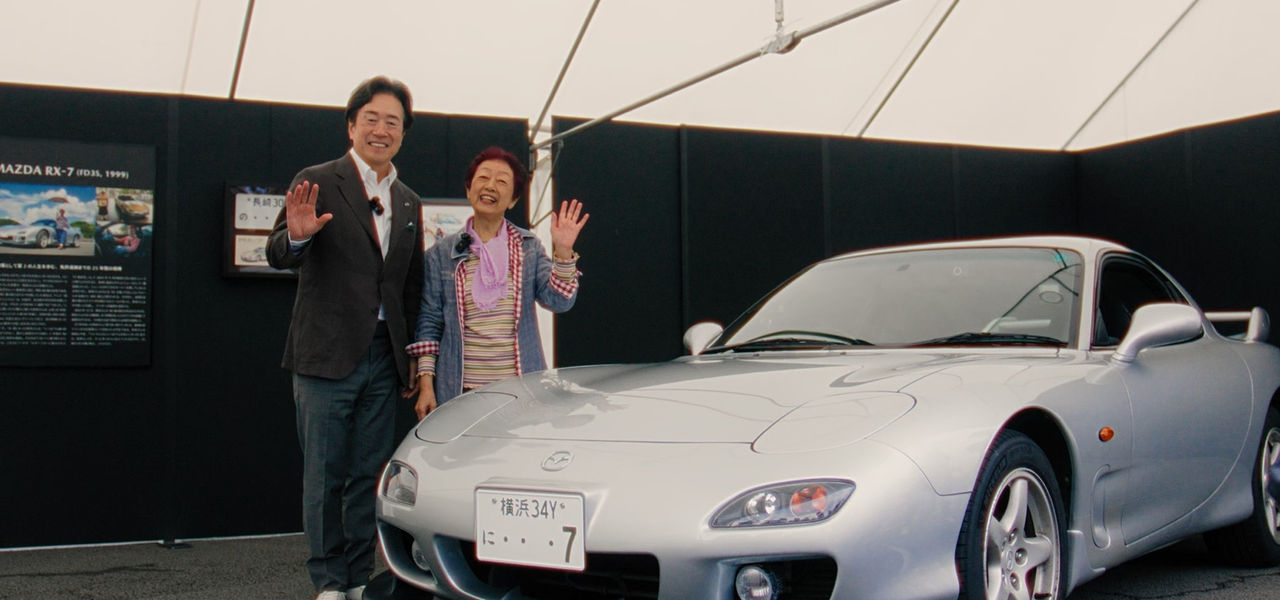
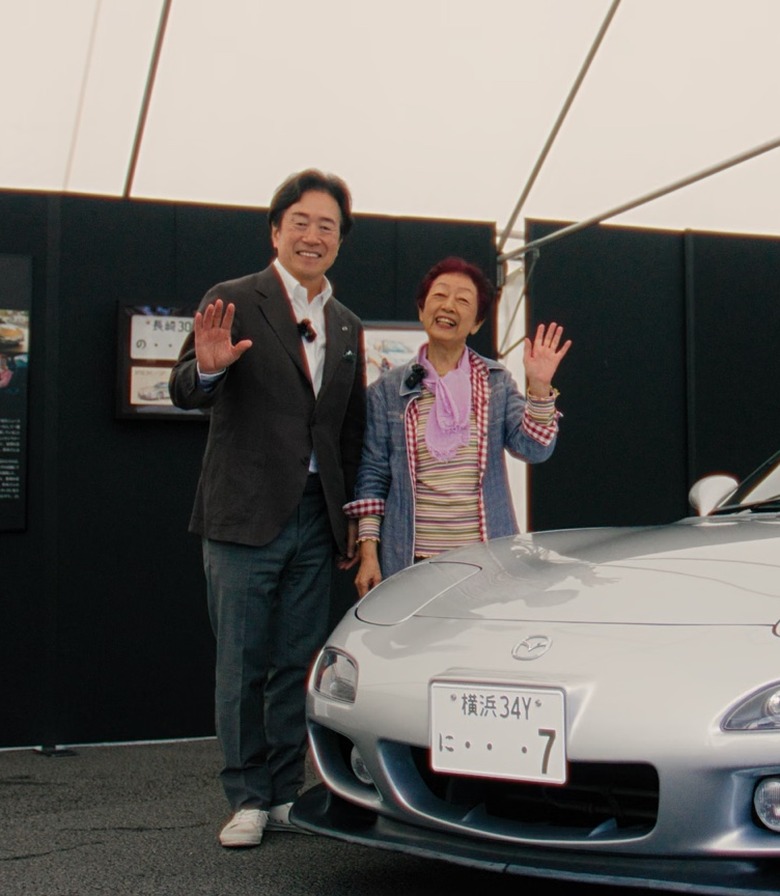
After the ceremony, Mazda President Moro, who had driven the RX-7 onto the circuit, came over to the RX-7 booth to thank Naoko in person.
Moro:
Thank you so much for entrusting us with your car. I drove it in the opening ceremony and fully intended to take it easy. But that engine! The moment I felt it open up, I couldn’t help it. Before I knew it, I'd left everyone else in the dust!
President Moro was the marketing lead for the RX-7 FD program at the time of its launch, making this car something close to his heart. His gratitude to Naoko, who had loved and cared for it for so many years, was deeply felt.
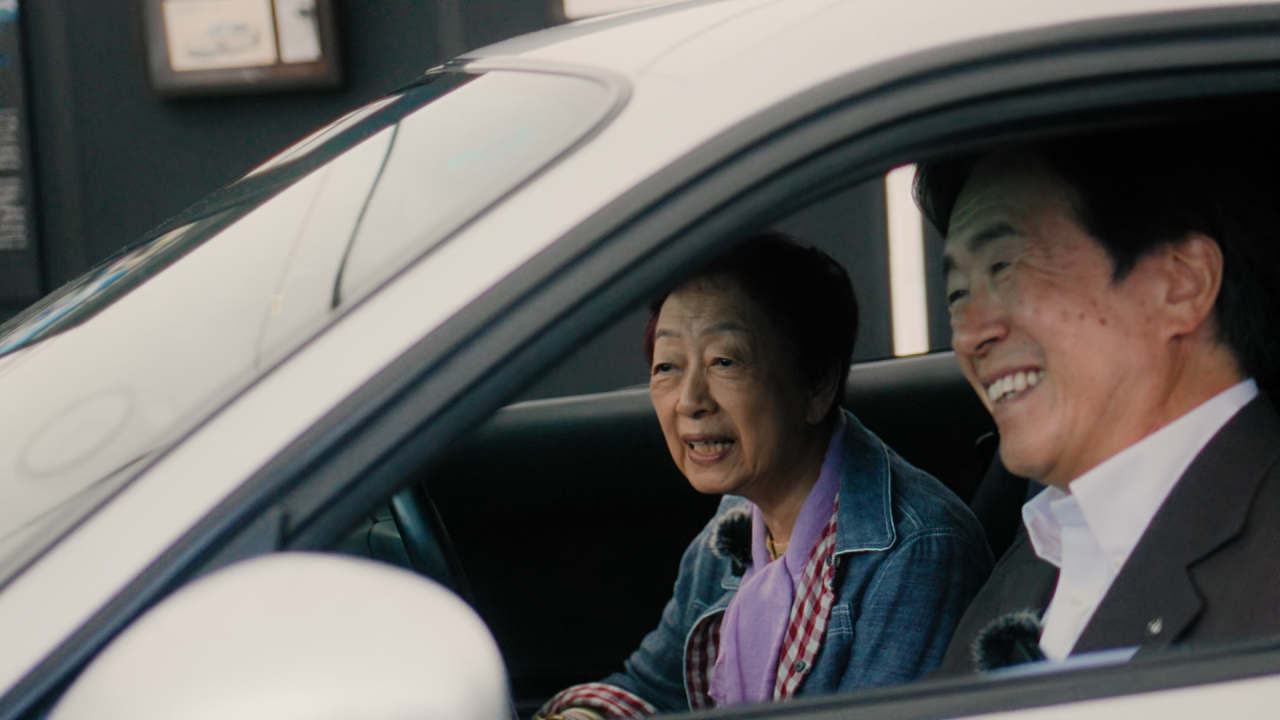
President Moro and Naoko Nishimoto share a moment in the car, talking about the beauty and joy of driving the RX-7.
Nishimoto:
I'm so pleased that so many people are enjoying it. And the license plate was such a happy surprise! Seeing how well you’ve all cared for the car tells me everything. Please continue to treasure it.
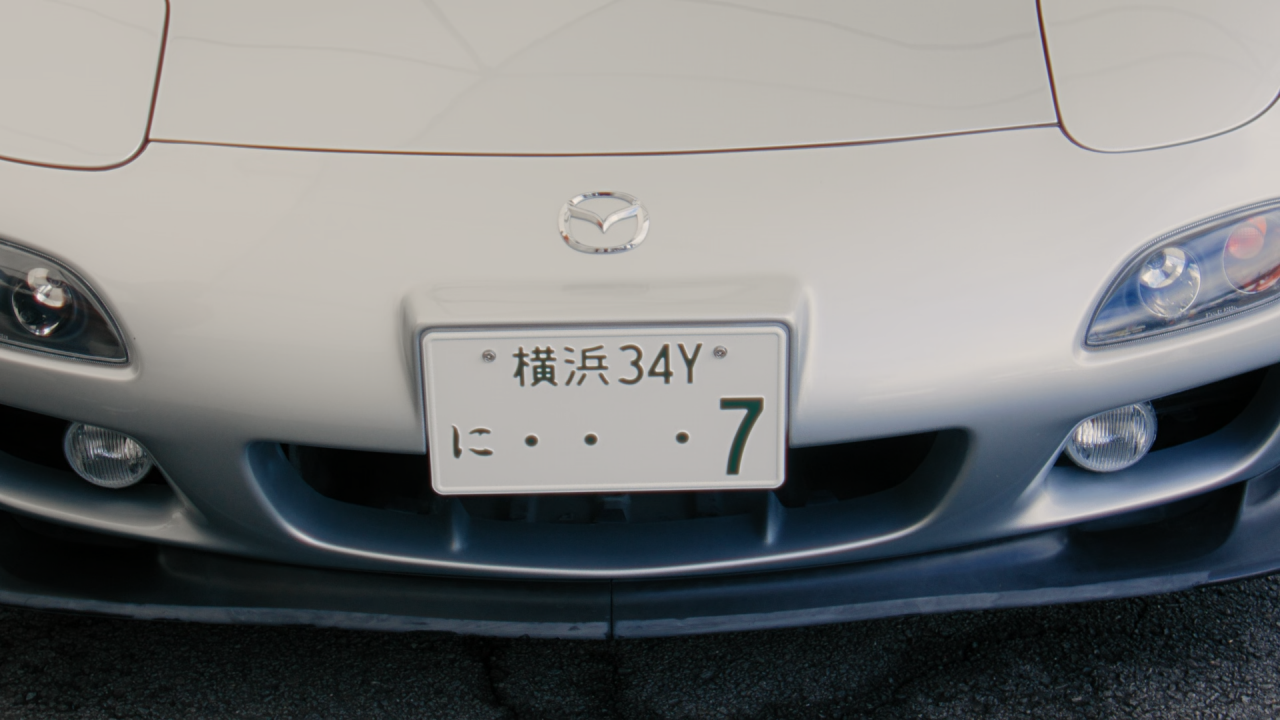
When Naoko bought the car in 1999, a thoughtful member of staff at the dealership arranged for the number plate to end in a 7. The new Yokohama plate also carries a 7, secured through a highly competitive lottery.
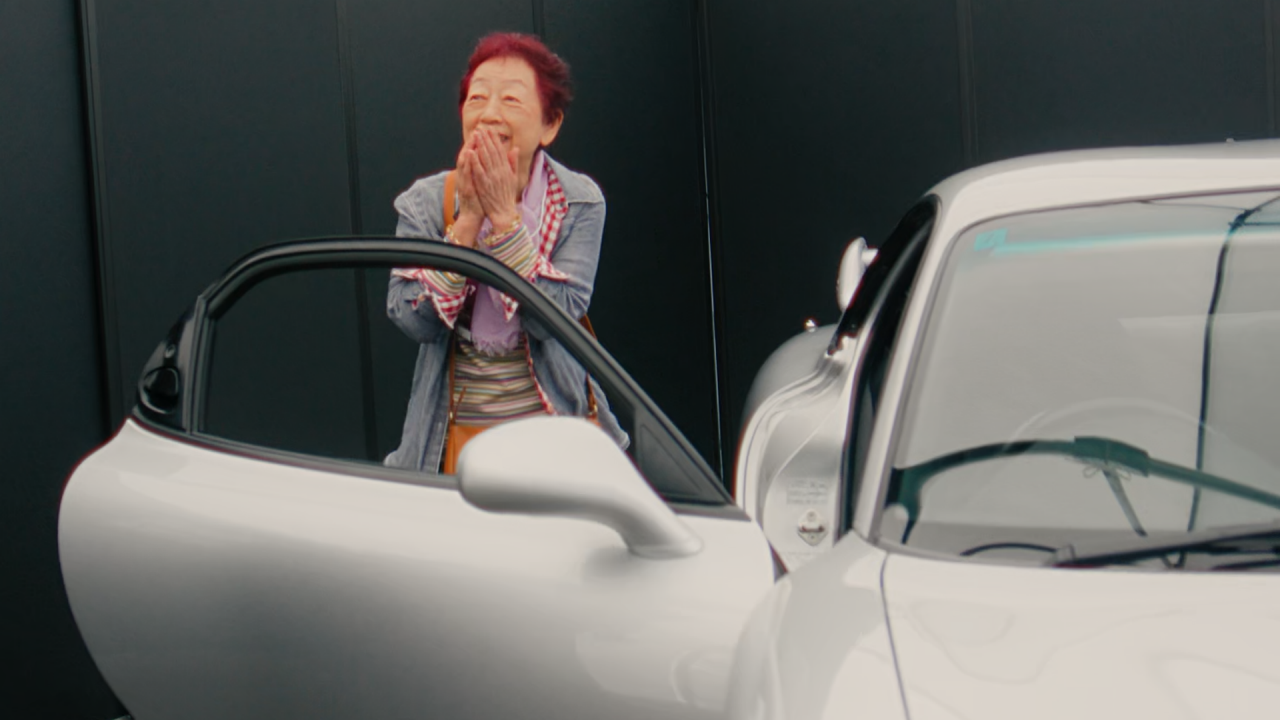
“What a wonderful surprise," said Naoko, her eyes lighting up. “The new number plate is a 7 again, just like the car. It was meant to be!”
The People Who Share a Passion for Keeping Cars Alive
Some people devote ten, twenty or more years to a single car, making it a part of their lives. Mazda wants to honor that devotion, and has been working to build a culture that values older cars as much as new ones.
With that in mind, Mazda has developed a range of initiatives to help owners keep driving the cars they love.
One example of this commitment is Classic Mazda, a service that offers restoration of older vehicles and the reproduction of hard-to-find parts.
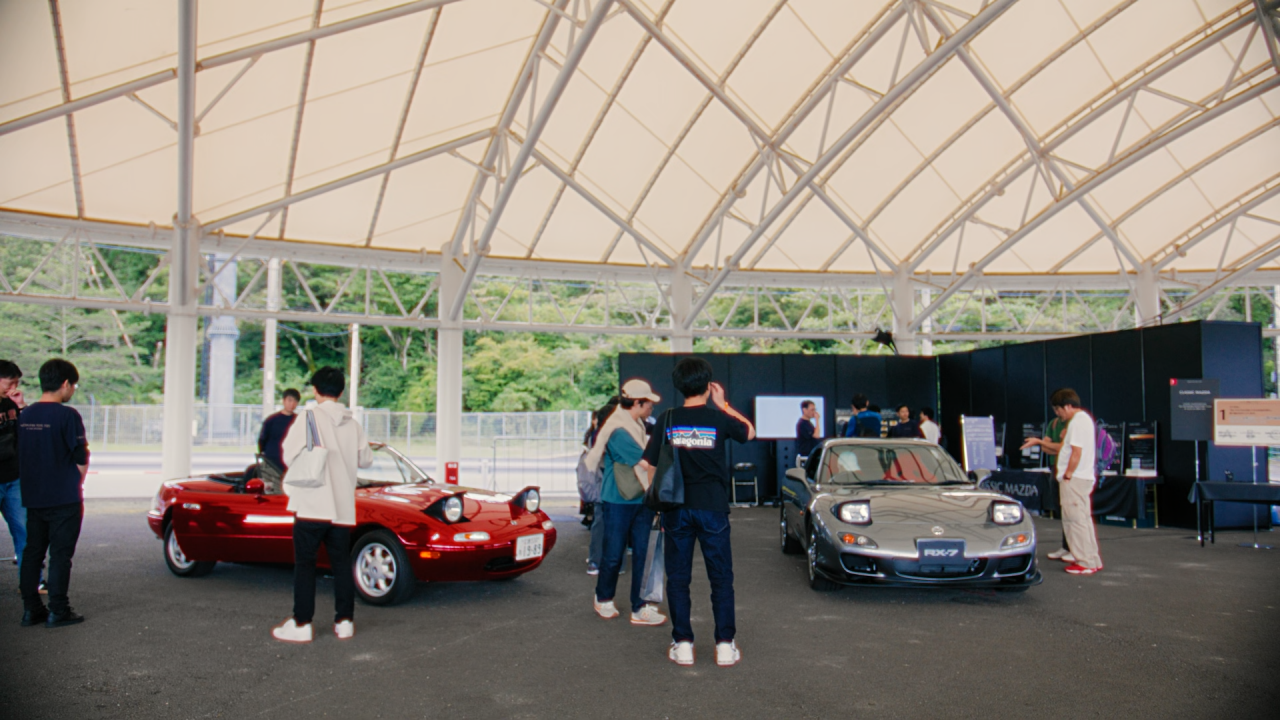
The Classic Mazda booth at Mazda Fan Festa, where a Mazda MX-5 (NA) caught the eye of passersby. The booth drew not only classic car enthusiasts but families too.
This kind of commitment to preserving older cars is something Mazda pursued earlier than most in the Japanese car industry.
Its beginnings trace back to around 2014.
Years after certain models had gone out of production, Mazda MX-5 owners were running into a familiar problem. The parts they needed to keep their cars on the road were disappearing.
Mazda listened, and began gathering feedback from custom car shops and suppliers, laying the groundwork to address the needs of owners who simply wanted to keep driving the cars they loved.
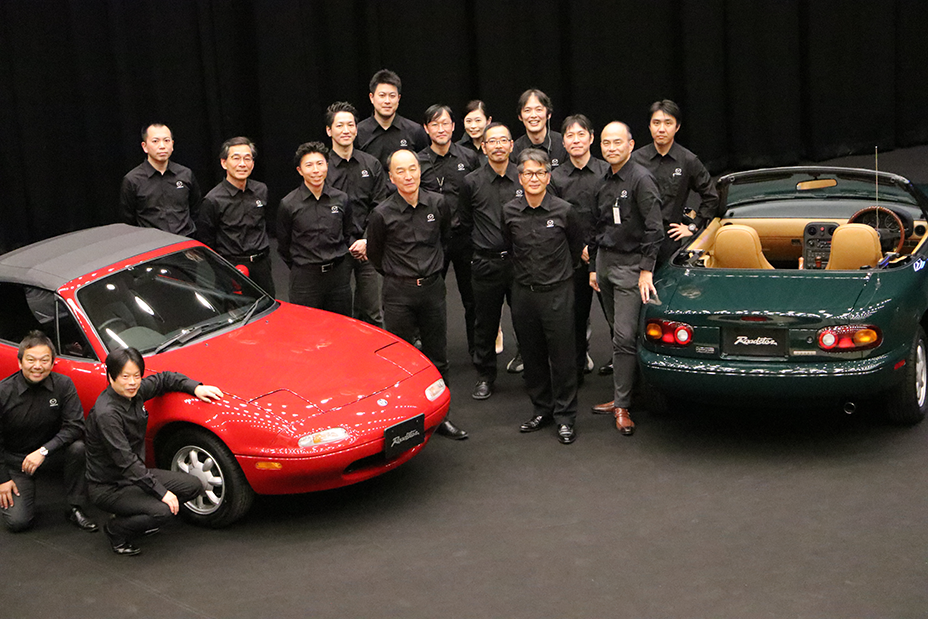

A Classic Mazda restoration service briefing held at Mazda R&D Center Yokohama in 2017.
Building on that foundation, Mazda launched a restoration service for the MX-5 (NA) in 2017. Over time, the program expanded beyond restoration to include the reproduction and supply of replacement parts, evolving into what is now known as Classic Mazda.
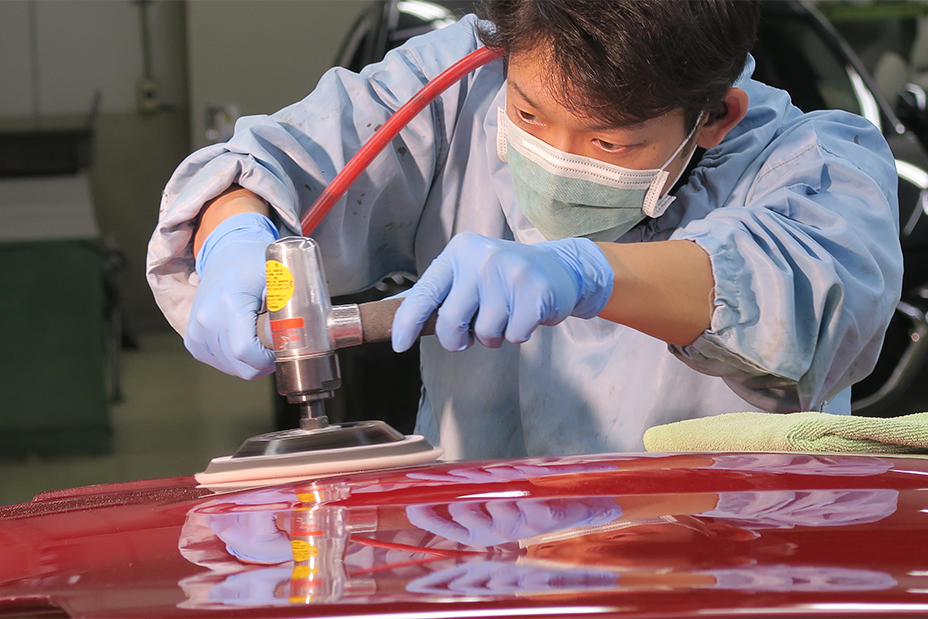
Mazda's restoration work is defined by its commitment to manufacturer-level quality. Each car is carefully rebuilt at a facility certified by an independent third-party organization, and upon completion, receives official certification. This is more than repair work, it’s about bringing each car back to life to carry its legacy forward to the next generation.
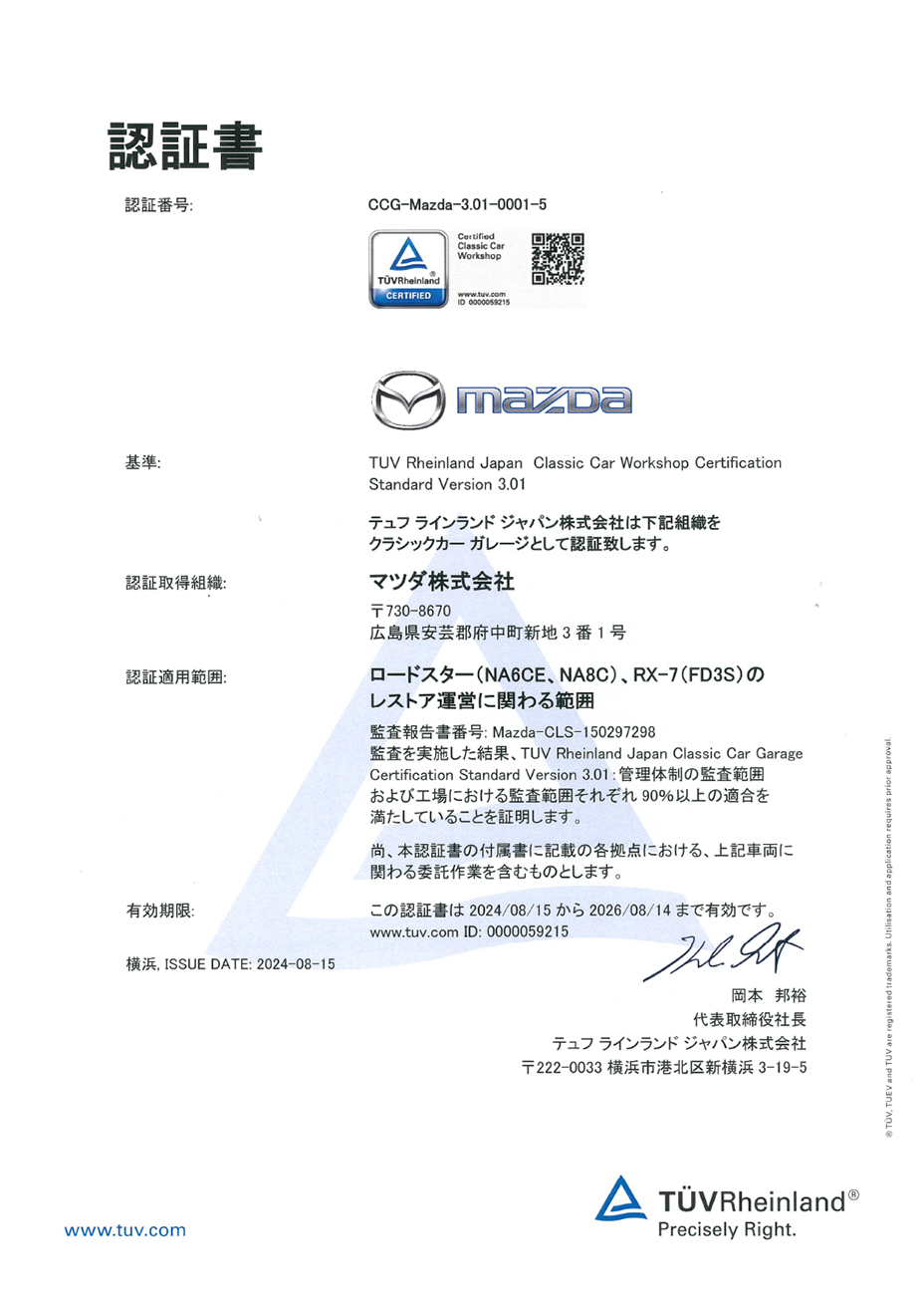
Certificate issued to Mazda by TÜV Rheinland Japan, the German-headquartered independent inspection organization. The certificate confirms that Mazda's restoration facilities and processes meet the TÜV Rheinland Japan Classic Car Workshop Certification Standard.
Akira Fushimi, the driving force behind Classic Mazda, shares his thoughts.
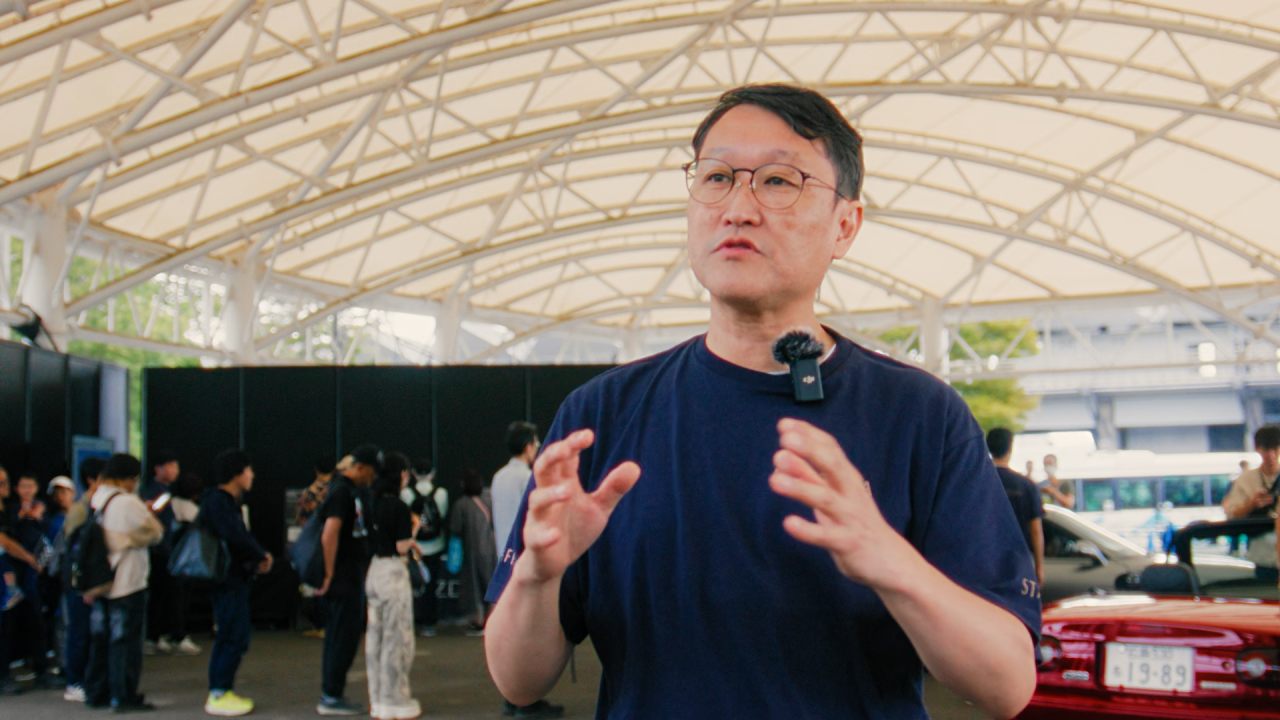
Akira Fushimi, After-sales Business Promotion Department, Customer Service Division. The Classic Mazda team has only three members, but Fushimi is constantly working to expand the network of partners inside and outside Mazda to meet the needs of classic car owners.
Fushimi (Mazda):
This project started from a simple desire to give something back to the people who have loved our cars for so long.
For an owner, a car's value has nothing to do with how old or new it is. At some point in their lives, they got behind the wheel, and the car became part of their story. A car isn't an object. It's a part of life itself.
That's why we're always looking for ways to help these cars live on.
Owners across Japan seemed to feel the same way: Inquiries have come in from all over the country, and in the roughly eight years since the service launched, 17 cars have completed the restoration process.
Each restoration takes around four to five months. Because the work is largely done by hand, only a handful of cars can be completed each year. In some cases, owners wait several years for their turn. Even so, many choose to wait. For these owners, a car they have shared decades of life with is worth restoring properly.
Repair over replace. The idea of continuing life’s journey in the same car instead of trading it in for a new one represents a shift in values that is slowly but surely taking hold.
Junji Yoshioka is one owner who has experienced the restoration service firsthand.
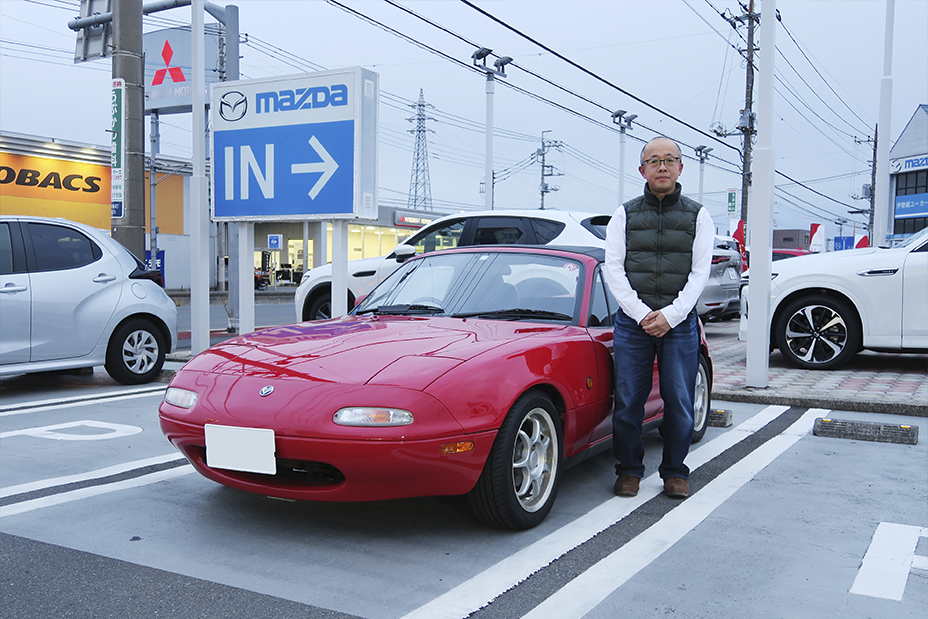
Junji Yoshioka, now enjoying life with his newly restored MX-5 (NA).
Yoshioka:
The MX-5 (NA) was the car I had as a young man. I’d drive through the night to clear my head after a hard day at work, or take a trip to see the ocean whenever the urge struck. So many precious memories.
So when things settled down at work and I found myself wanting to drive it again, I used the restoration service. I got to speak with the craftsmen working on the car and watch the restoration in progress. You could really feel the care and skill that goes into it. When I drive it now, it takes me right back.
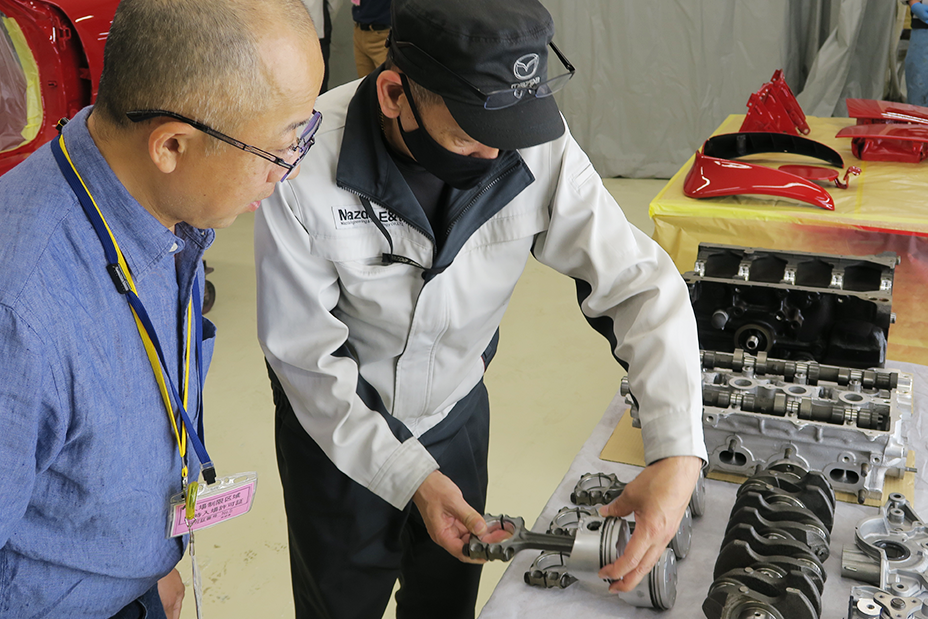
Yoshioka visiting the restoration facility. He made the 800km trip from Gunma to Mazda headquarters in Hiroshima, driving the whole way.
I think what Mazda is doing here is truly remarkable. As a business, it would make more sense for them to encourage people to trade in their old cars and buy new ones. And yet, here they are, working to preserve these cars, putting culture and tradition above the bottom line. That means a great deal.
I hope more people get to hear about this, and that the restoration service continues for a long time to come.
While customers have embraced the restoration service and the reproduction of classic parts, the road has not always been straightforward, as Fushimi explains.
Fushimi (Mazda):
Restoration is mostly the domain of car shops specializing in restoration, so we learned a great deal from them. In turn, we were able to produce replacement parts that these specialists couldn't make themselves. We worked closely with car restoration shops and dealers to understand which parts were most needed, and began reproducing them.
To date, Mazda has reproduced around 170 genuine parts. But maintaining that supply is becoming increasingly difficult. Older parts present a fundamental challenge.
Keeping production lines running and skilled workers in place is no small task. And in recent years, the shift toward electrification and tightening environmental regulations has made it harder for suppliers to continue manufacturing parts for traditional combustion engine vehicles.
Relying on Mazda genuine parts alone is no longer enough to keep these cars on the road.
So Classic Mazda has broadened its approach. By carefully vetting third-party parts and bringing in new suppliers, the team is working to ensure a steady supply of replacement parts. The goal is to build an ecosystem where manufacturers, restoration shops, suppliers and owners work together to keep classic cars going.
The question is no longer whether the part is genuine, but whether the car can keep running. That is the new standard Classic Mazda is working toward.
Yutaka Komaba of Goda Bankin was moved by Mazda's commitment to building that ecosystem together with its partners.
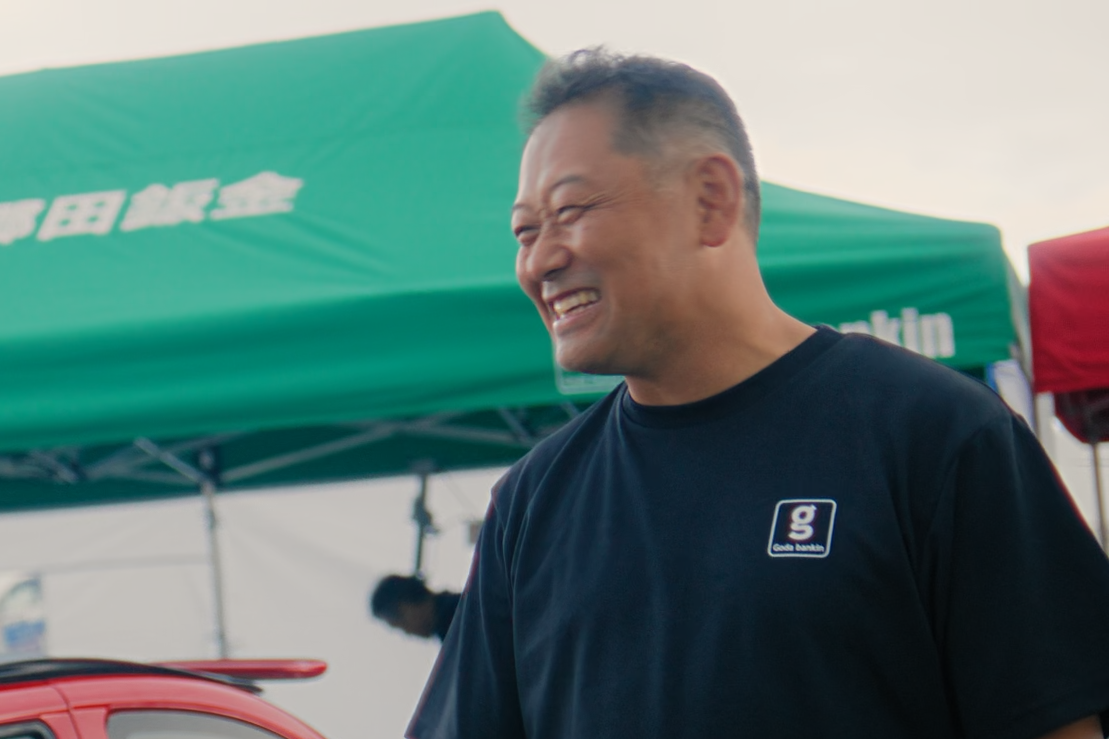
Yutaka Komaba, President of Goda Bankin Co., Ltd. The company advises Mazda on restoration, supplies hard-to-find parts, and independently develops and sells parts for use in repairs that Mazda can no longer provide.
Komaba:
If I’m being honest, my first thought was if a manufacturer could really pull off restoration work. But when I actually went to see it for myself, I was impressed. The quality and finish were properly managed, as you would expect for a brand like Mazda.
We started working together and since then, we've been sharing information on parts that are running low, and passing on knowledge about parts from other models that can be adapted. We've been finding ways to help however we can.
The Challenge and Joy of Preservation
Fushimi has worked hard to build partnerships outside Mazda in order to keep these cars alive. But he knows that passion alone is not enough to make it work.
Fushimi (Mazda):
Restoration and reproducing parts for these classic cars is not something Mazda can do alone. Parts manufacturers, dealers, car restoration shops, they're all part of this. And it has to work for everyone involved. If someone is losing out, the project isn't sustainable.
Passion alone won't keep this going. That's why we're constantly looking for a model that can last.
Komaba:
Mazda genuine parts are disappearing. I'd love for Mazda to keep producing the parts, but of course that's not always possible.
That doesn't mean we should just give up on these cars. I want to find every possible way to keep them going. Take a look at this.
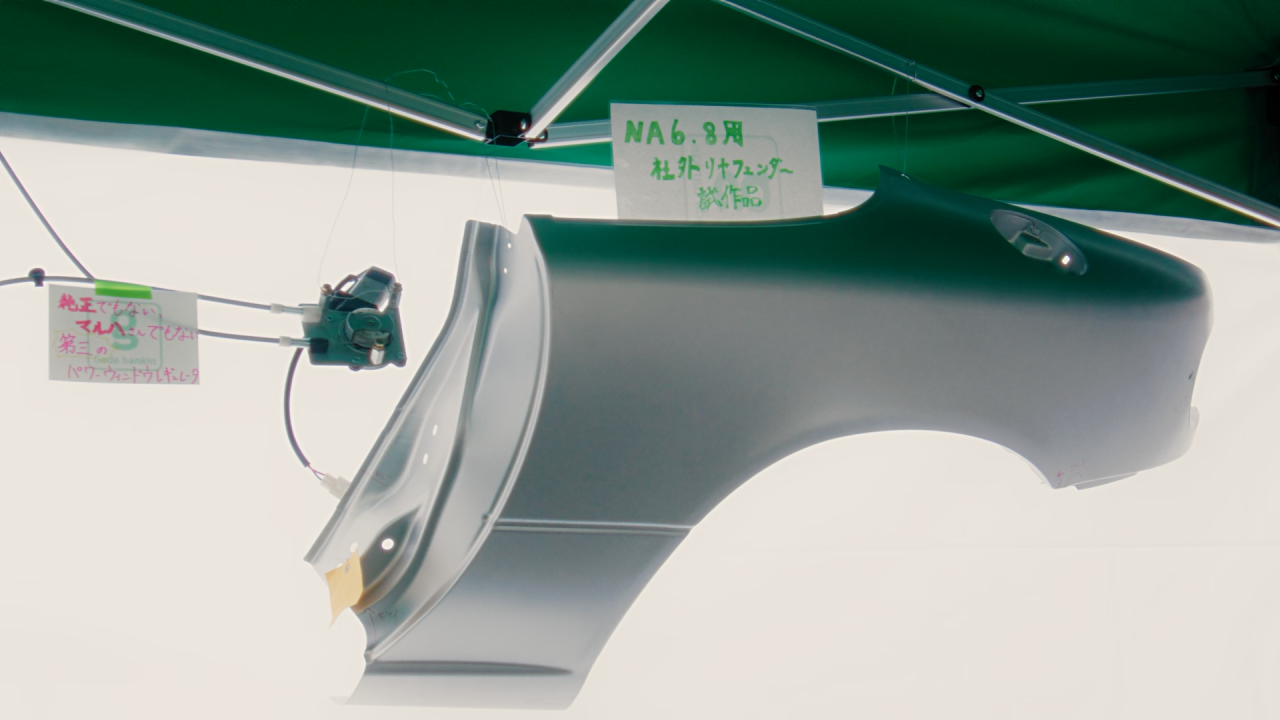
A part for an MX-5(NA), made by Goda Bankin. "We need more people. I'd love for independent specialists across the country to join us in producing parts for classic cars," says Komaba, extending an open invitation to the industry.
Komaba:
This is a part that we made in-house for the MX-5 (NA). Mazda still sells the genuine parts, but by the time production ends and people start struggling to find it, it's already too late. We start making our own reproduction parts while the genuine ones are still available. They may not be genuine, but they can still save the car.
We're a small company, but working alongside Mazda, sharing the same goal of keeping these cars alive, that means a lot. Being able to sit down with Mazda and figure out how to actually make it work, that's something I wouldn't trade for anything.
Fushimi (Mazda):
As a car manufacturer, we can't beat dents back into shape or fix everything by hand. Knowing that there are people out there who can do what we can’t is really reassuring. Thanks to our new partnerships, more and more reproduction parts are available.
There are things that Mazda can’t do alone. But with the support of outside partners, and owners who are willing to use reproduction parts as long as it means the car will keep going, we're managing to forge a path forward.
Going back to Naoko Nishimoto's story, I don't want to see classic cars treated like museum pieces. I want to see a future where older cars and newer cars are both a part of everyday life.
A future where a car that's fifty years old is still out there on the road alongside brand new ones, and someone can point to it and say to their child, “I used to drive that when I was young.”
That's the future we're working toward.
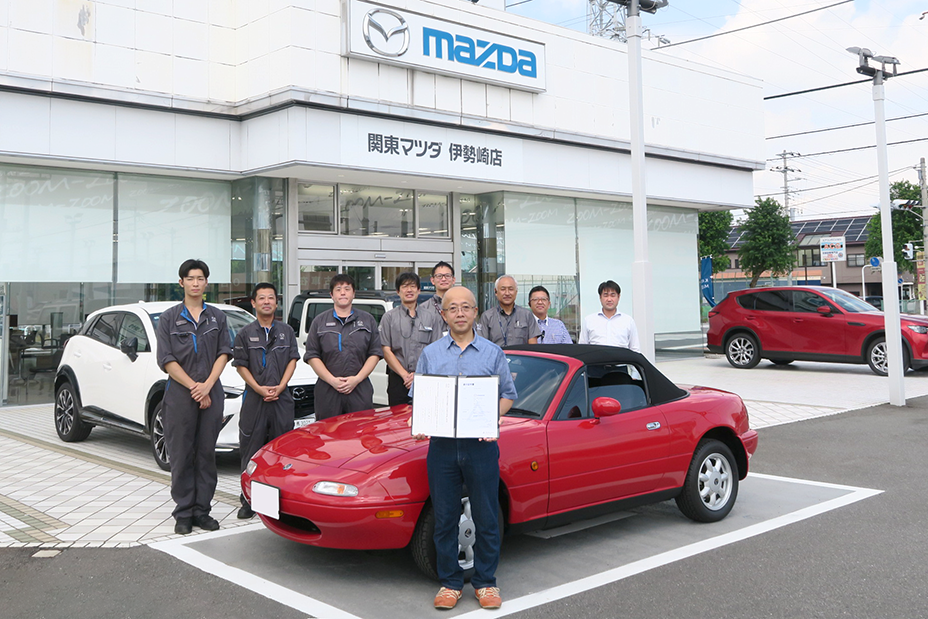
At the handover ceremony, owners receive a photobook containing memories of their car and a record of the restoration process. It is Mazda's way of honoring the story the owner and their car have written together, and wishing them well as they begin a new chapter together.
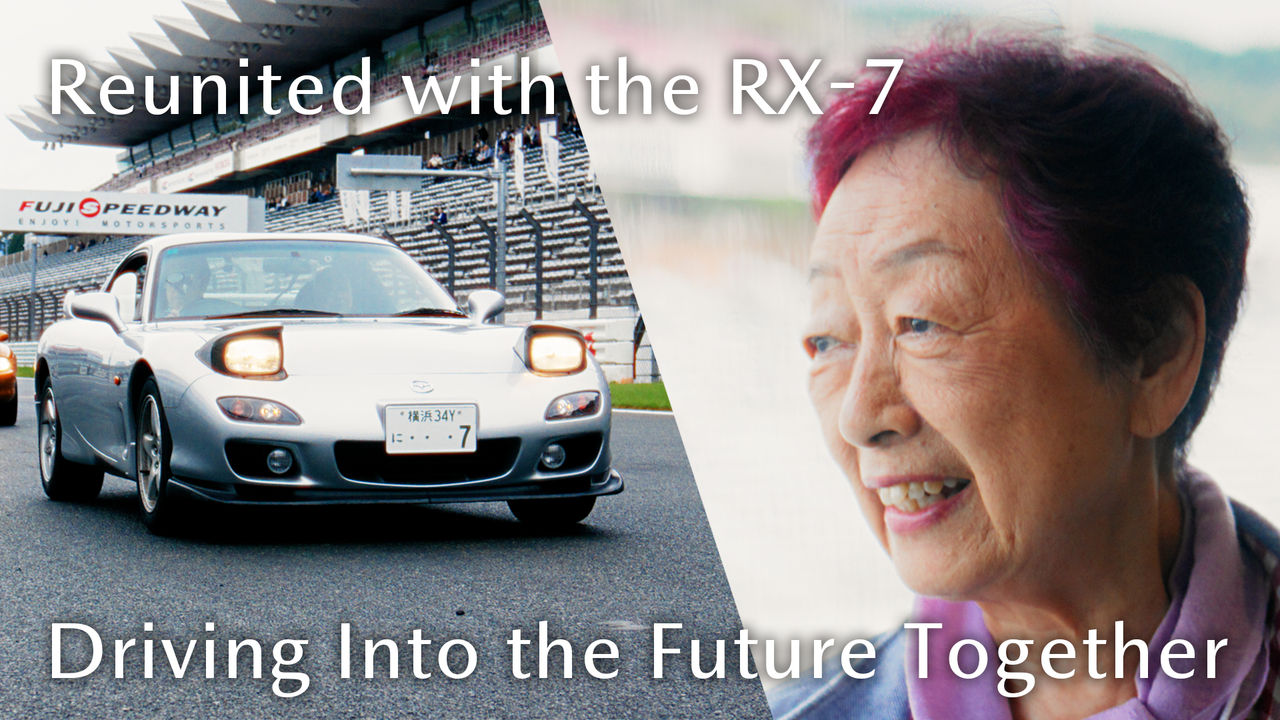
Watch the Movie
×
From the Editorial Team
The documentary about Naoko Nishimoto and her RX-7, released in 2025, received an overwhelming response from viewers around the world. Alongside messages of admiration for Naoko and her beloved car, many people shared their own stories about the cars that had been a part of their lives.
Preserving a car means preserving a story. And it is those stories that make Mazda what it is.
Through the work of Classic Mazda, we came to understand that the people dedicated to keeping these cars alive are always looking beyond the cars themselves. What drives them is the stories between people and their cars, the ones already written, and the ones still to come.
Share