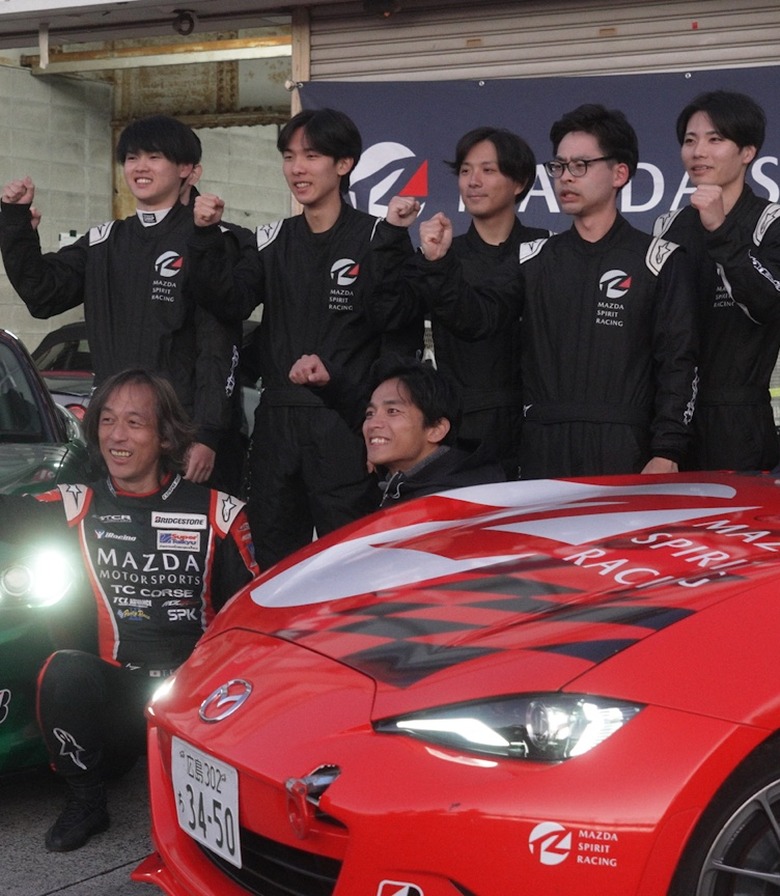
From e-Sports to Real Racing: One Year That Proved There Are No Barriers

a Pride of Hiroshima
×

What comes to mind when you think of motorsports? For many, it's a world reserved for professional racers and a select few. Something you watch on TV or from the grandstands, not something you take part in.


The six people in our story felt the same.


They once dreamed of entering the world of motorsports but convinced themselves it was beyond their reach. Seeking a different way to connect, they turned to racing games.
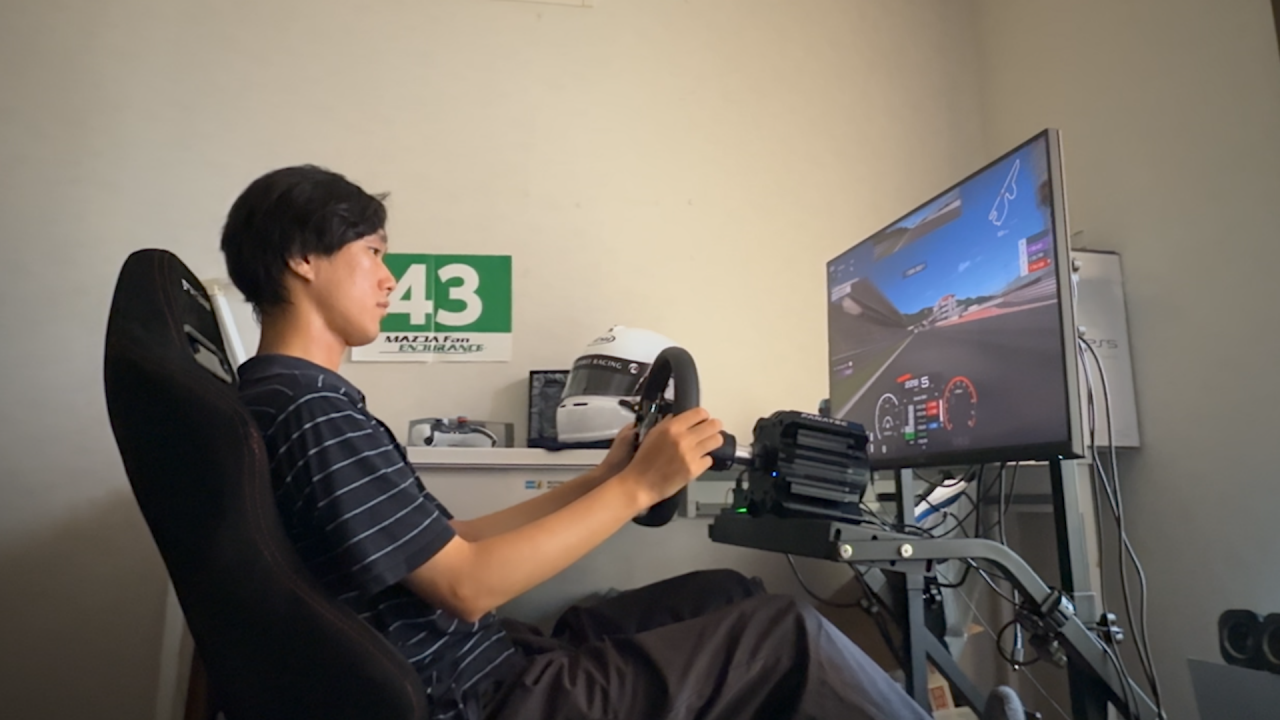
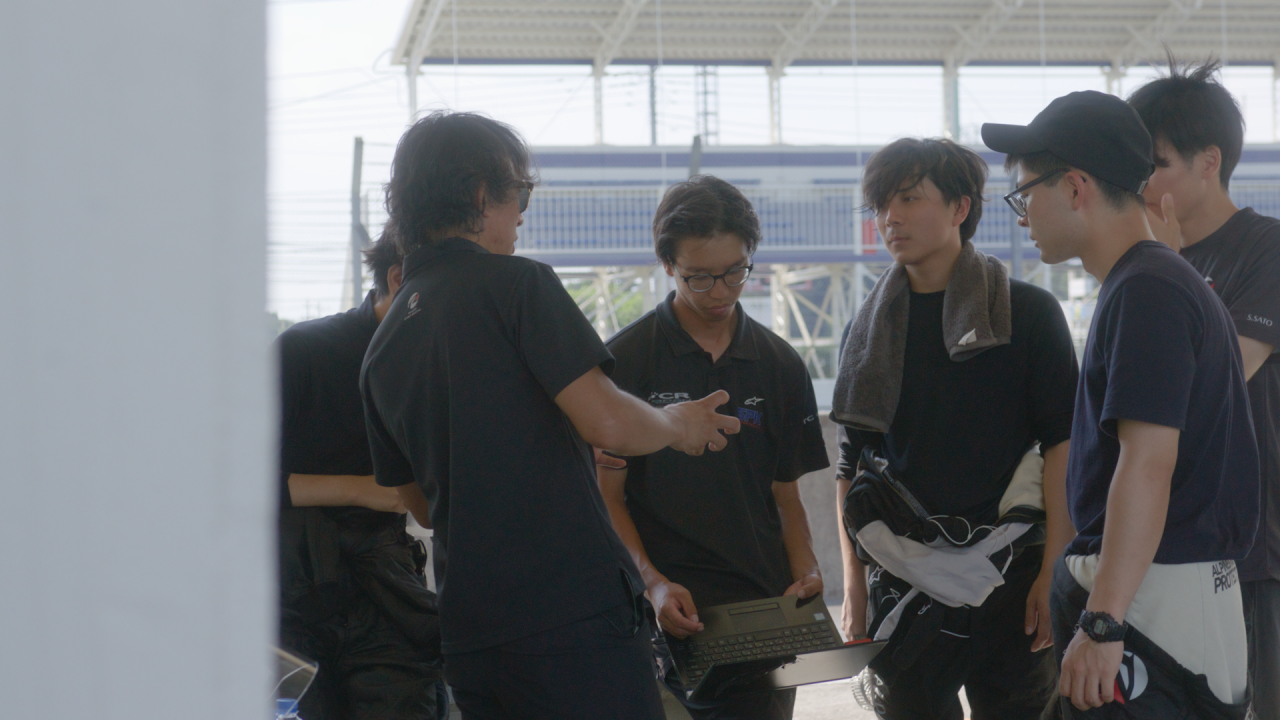
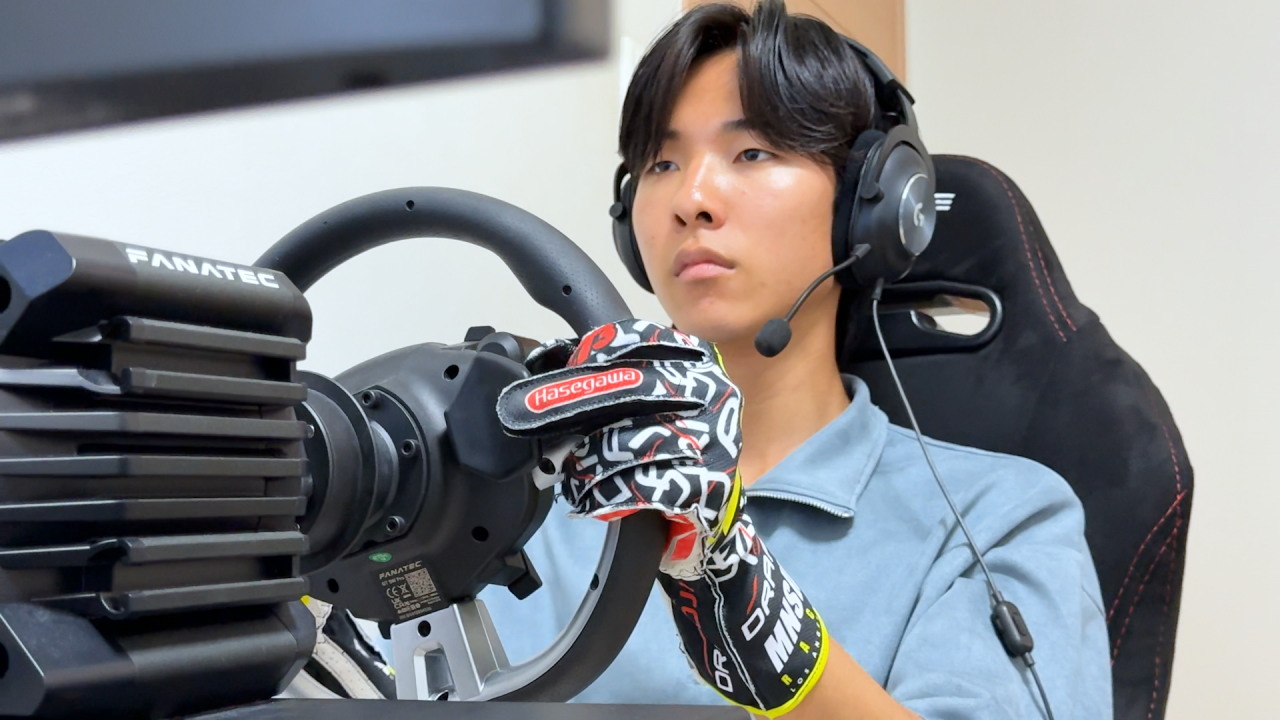
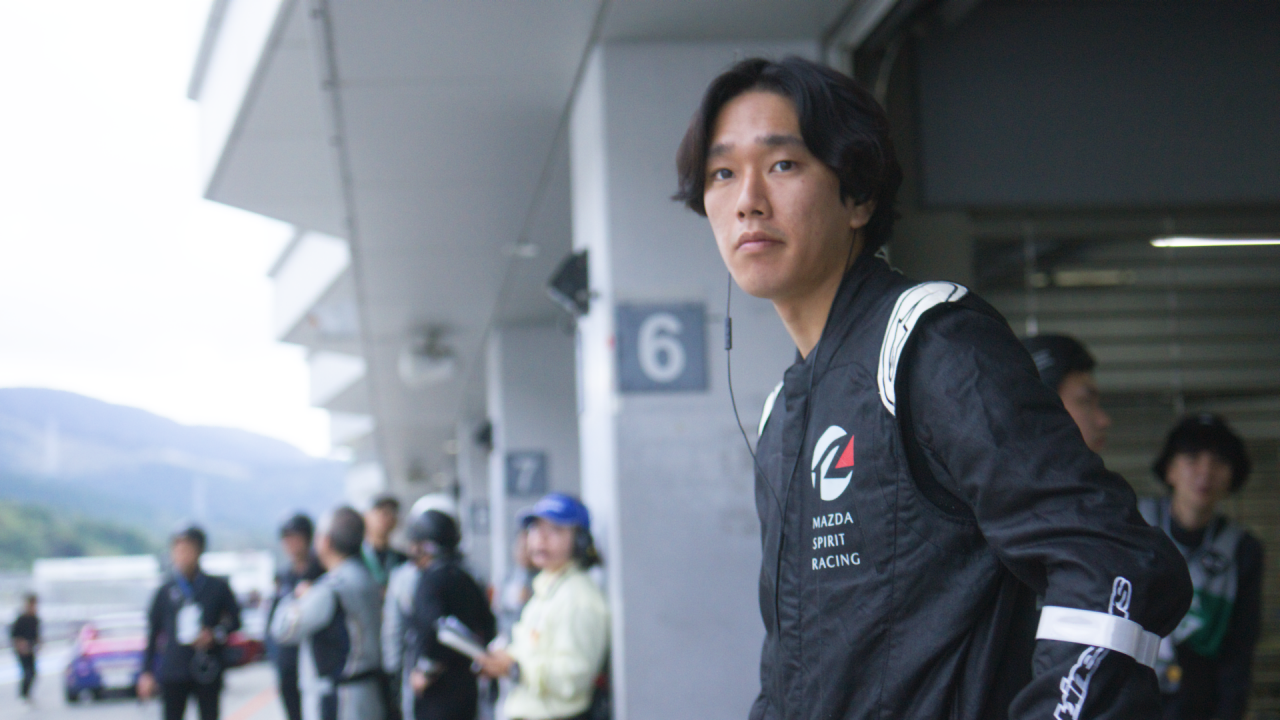
Then came an opportunity: Mazda's "From Virtual to Real" Challenge Program, where top racing game performers join MAZDA SPIRIT RACING and compete in motorsports for one year. Our previous article followed their journey to their first race.

This article picks up from that first race and follows them through to the final one, showing how they grew as a team. 


Through mistakes, setbacks, challenges and discovery, they learned what motorsports truly means. This is the story of their year.

When Dreams Feel Out of Reach

Plenty of kids love cars, and many of them dream about entering the world of motorsports at some point. Racing on a circuit, fighting battles where fractions of a second decide the victor, overtaking rivals while the crowd roars. It's a world that has captivated countless children.


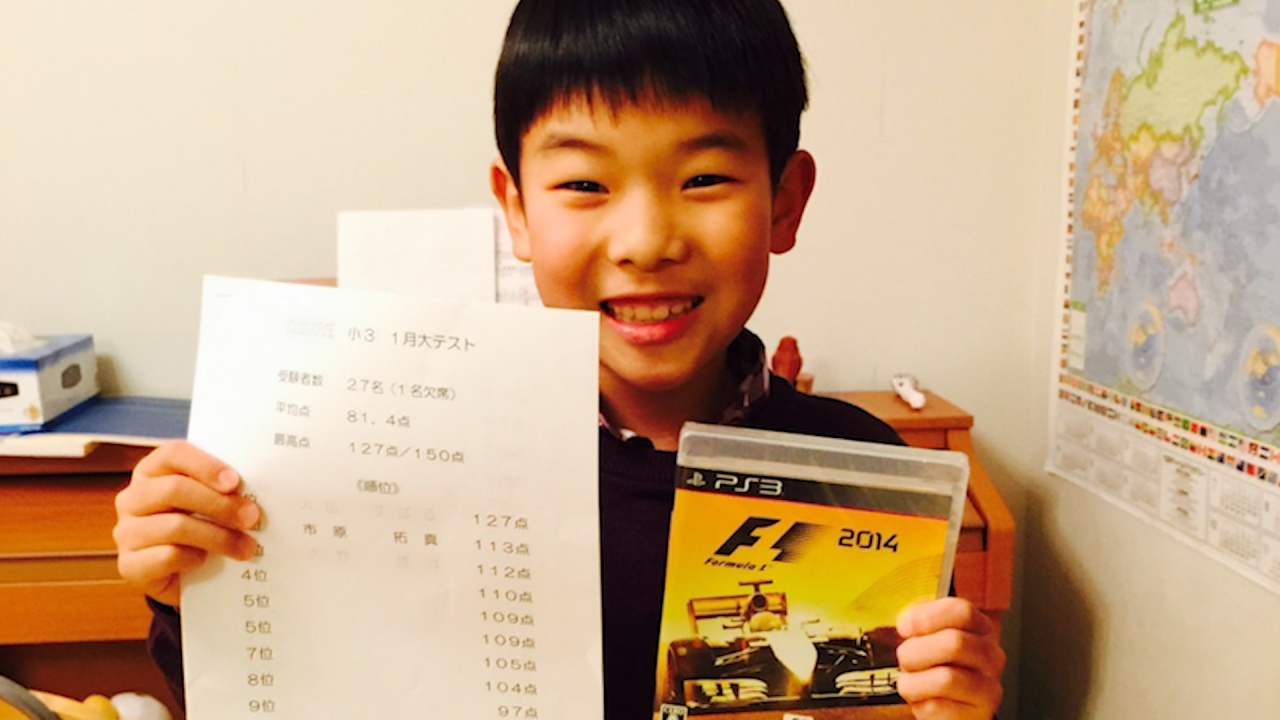
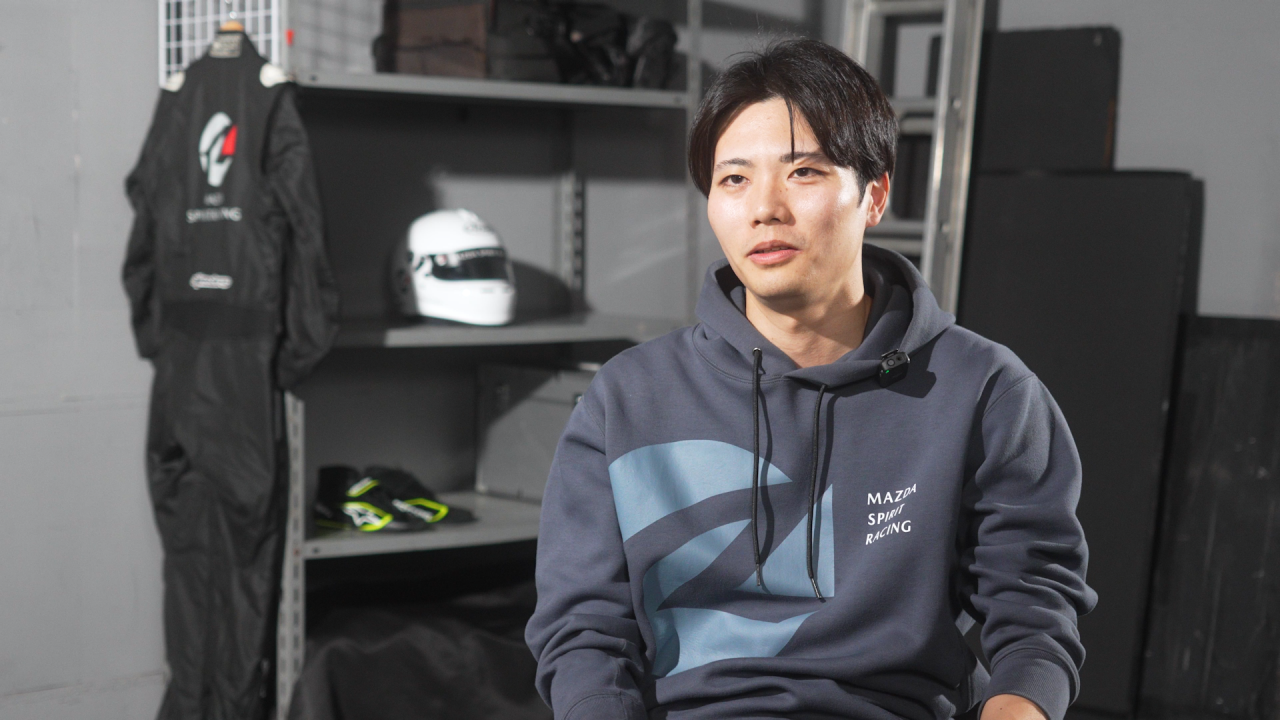
University student Takuma Ichihara was one of them.


Takuma Ichihara. From Virtual to Real program, Cohort 3.

Ichihara: 

Becoming an F1 racer was my childhood dream. I don't remember what sparked it. I've loved cars for as long as I can remember. The dream was just always there.


As a child, Ichihara was given a racing game as a reward for his good grades at school. Through high school and university, he excelled in e-motorsports while keeping his promise to his parents to stay on top of his studies.


Ichihara: 

Breaking into the racing world would mean giving everything up. Money, time, everything. My parents weren't willing to let me bet my entire life on the narrow path to becoming a racer. I had no choice but to give up.


Like Ichihara, Michitaka Nojo tried to achieve his dream of a career in racing, only to give up.


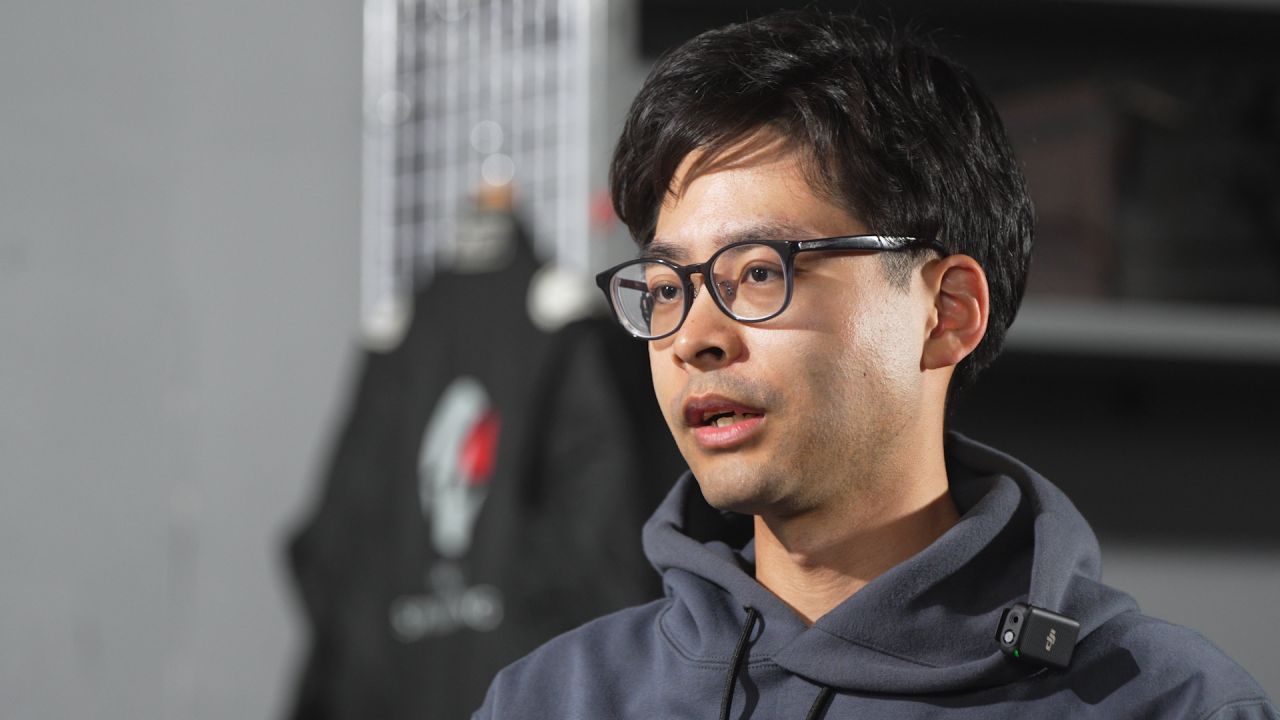
Michitaka Nojo. From Virtual to Real program, Cohort 3.


Nojo: 

I'll never forget that lightning-bolt sensation the first time I got into a kart. Gradually, I started dreaming of becoming a professional racer.


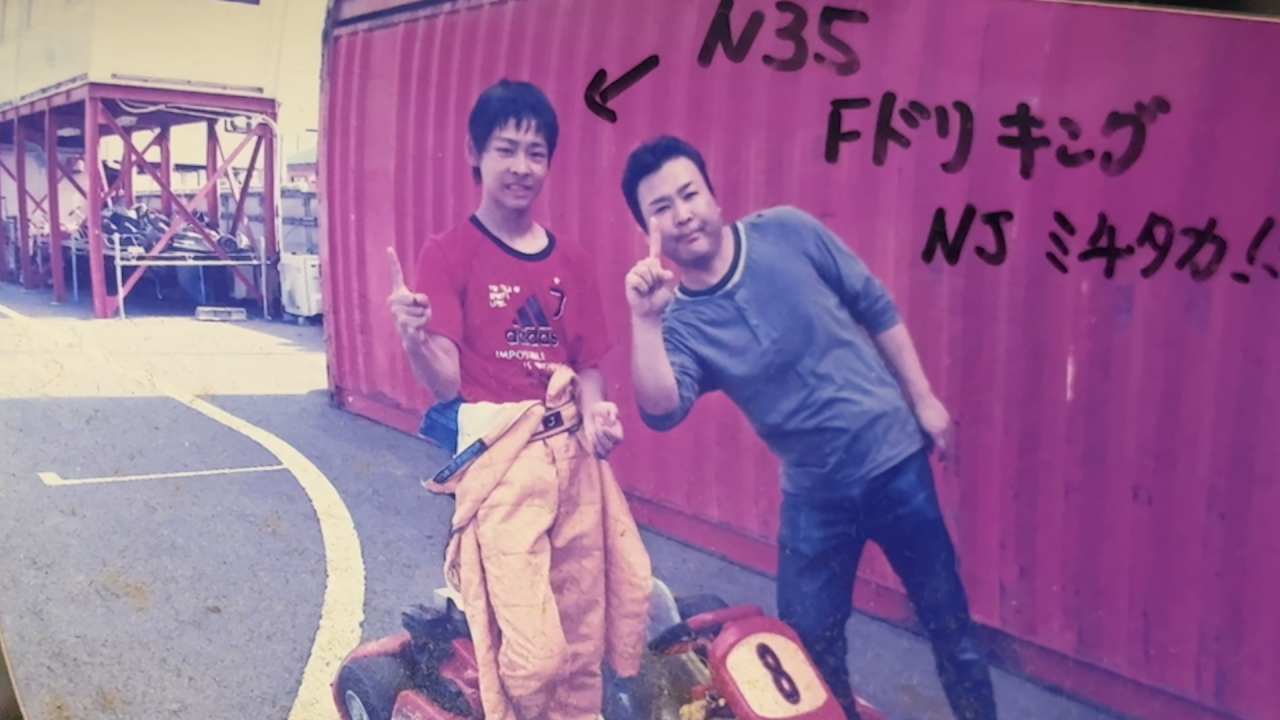
During his karting days, Nojo worked alongside his father, who served as sponsor, mechanic, and coach all in one.

Nojo: 

My father gave up his weekends to make it happen. We had an agreement: just one full season during my first year of high school. If I could deliver results, great. But I fell short and had to leave the karting world behind.

Some never got the chance to try. Others tried but had to move on. Either way, motorsports felt like a world they couldn't enter. A barrier they couldn't cross. So they walked away.

The Turning Point: From Virtual to Real

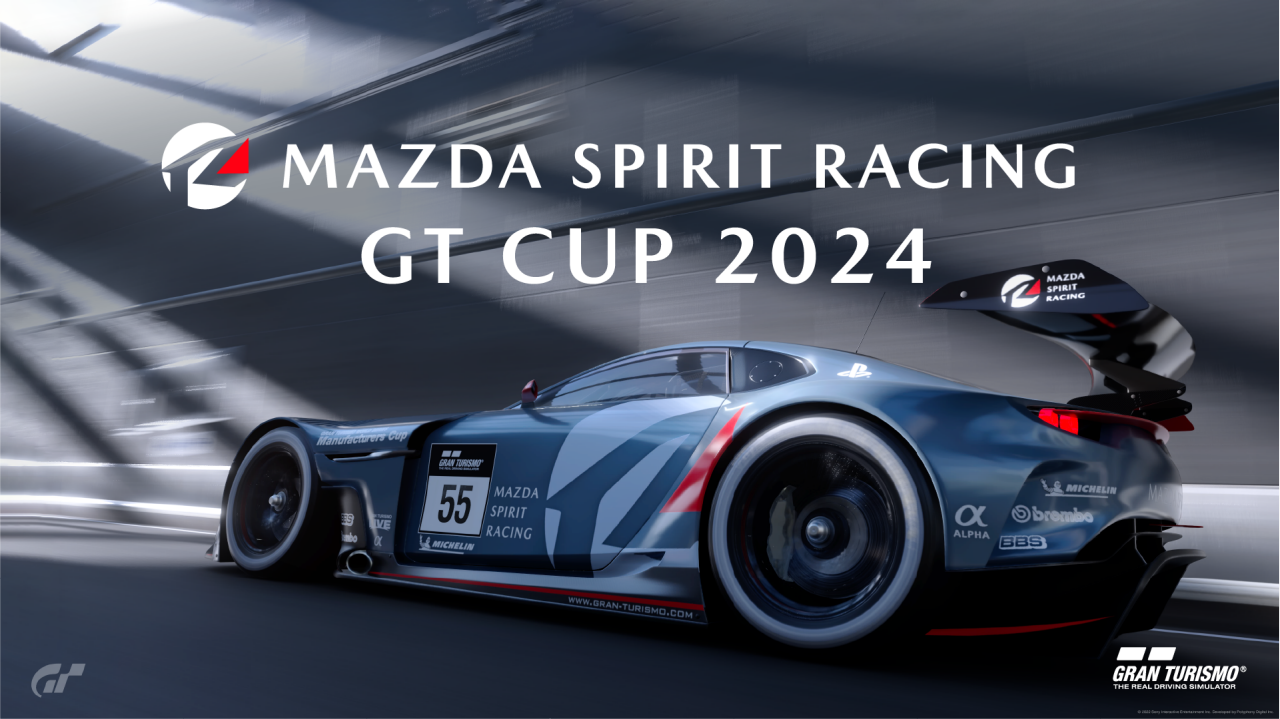
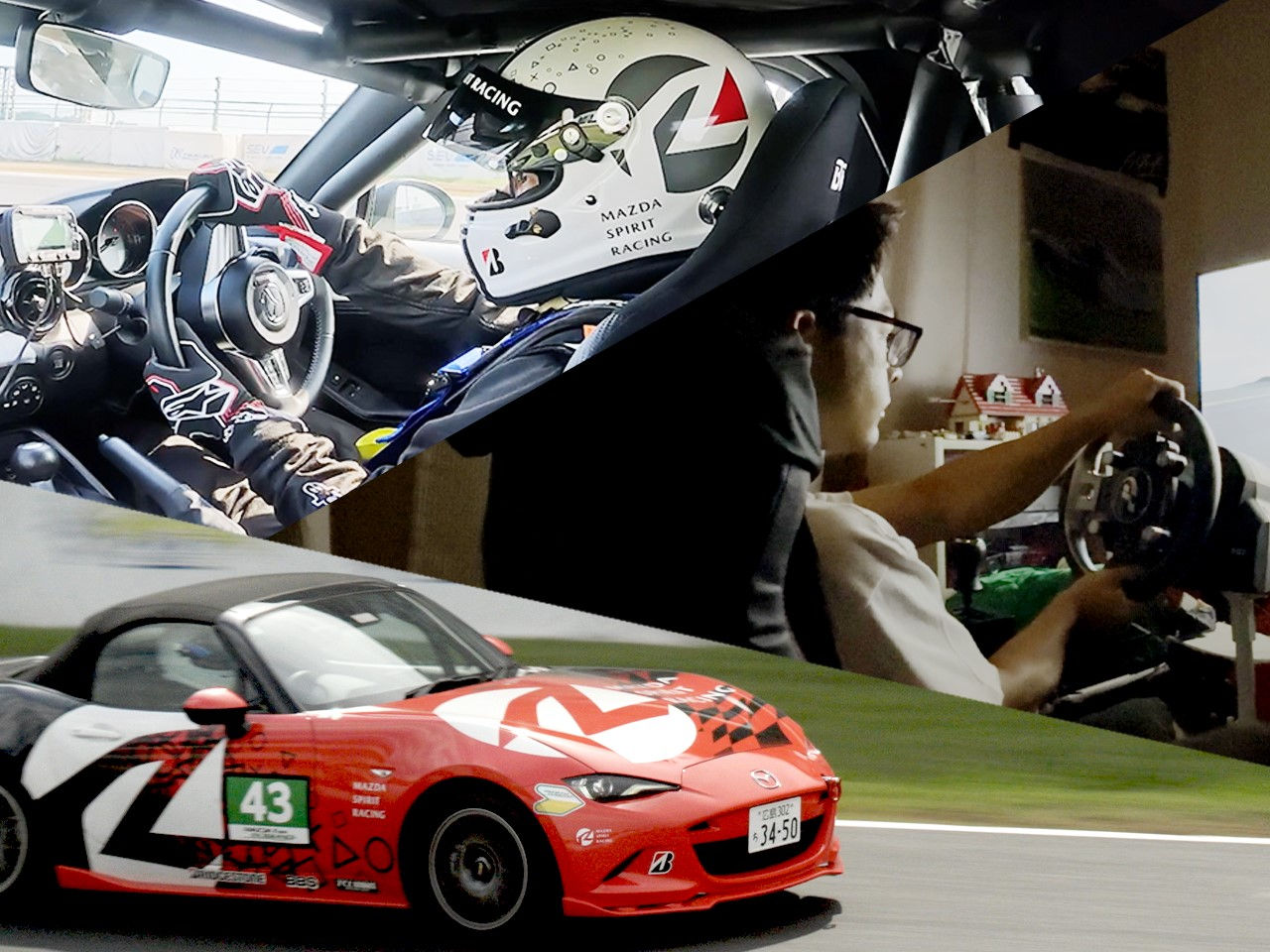
"From Virtual to Real" is a program where top performers in e-motorsports can compete in real endurance racing for one year as part of MAZDA SPIRIT RACING.


The process begins with Mazda hosting an e-motorsports competition on Gran Turismo*1. Top performers from the competition get to participate in a driving experience at an actual circuit.


From there, the participants are interviewed and the final six are chosen, earning the opportunity to race for one year as part of MAZDA SPIRIT RACING.


For those who had given up on real racing, this felt like their last chance.


Shintaro Sato, From Virtual to Real program, Cohort 3.


Sato: 

I wasn't getting any younger, and my responsibilities at work were increasing. I figured if I was going to try, this was it. Now or never. So I gave it my all.


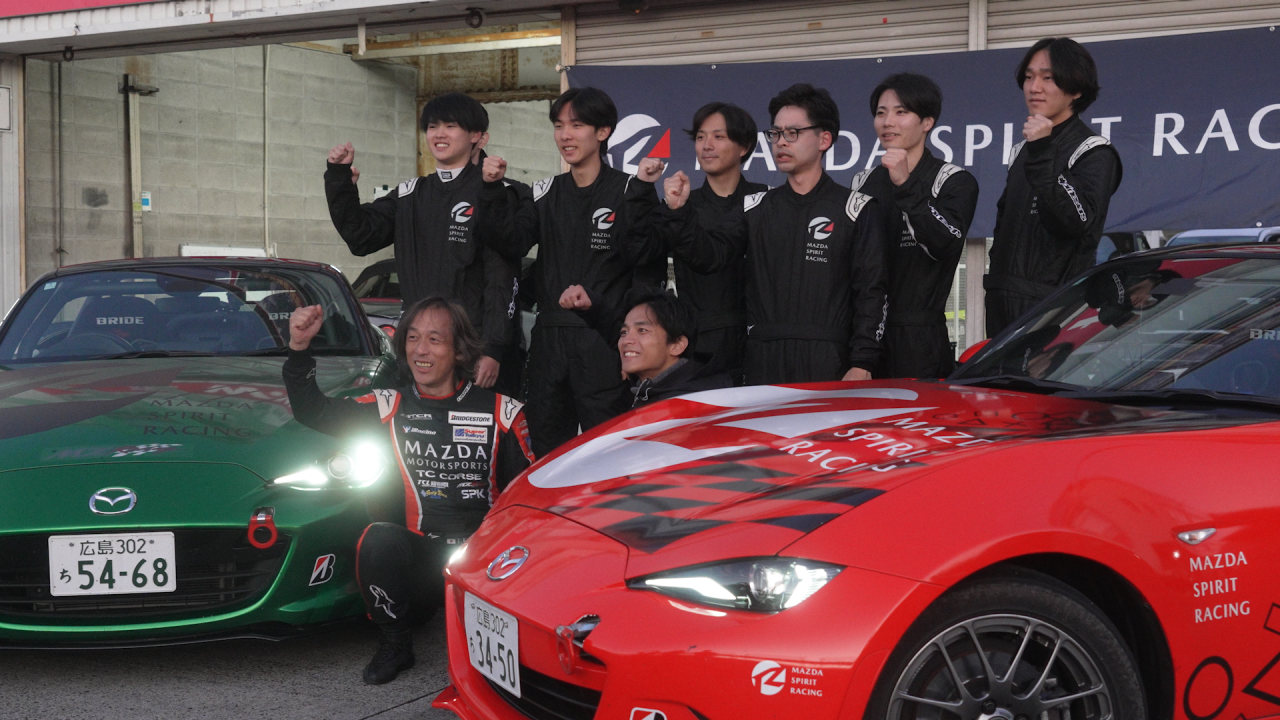
Six people selected from roughly 9,000 participants joined Cohort 3 in the program's third year. Different ages, different backgrounds. They would spend one year immersed in the racing world.


Their first challenge came sooner than anyone expected.

An Accident During First Practice

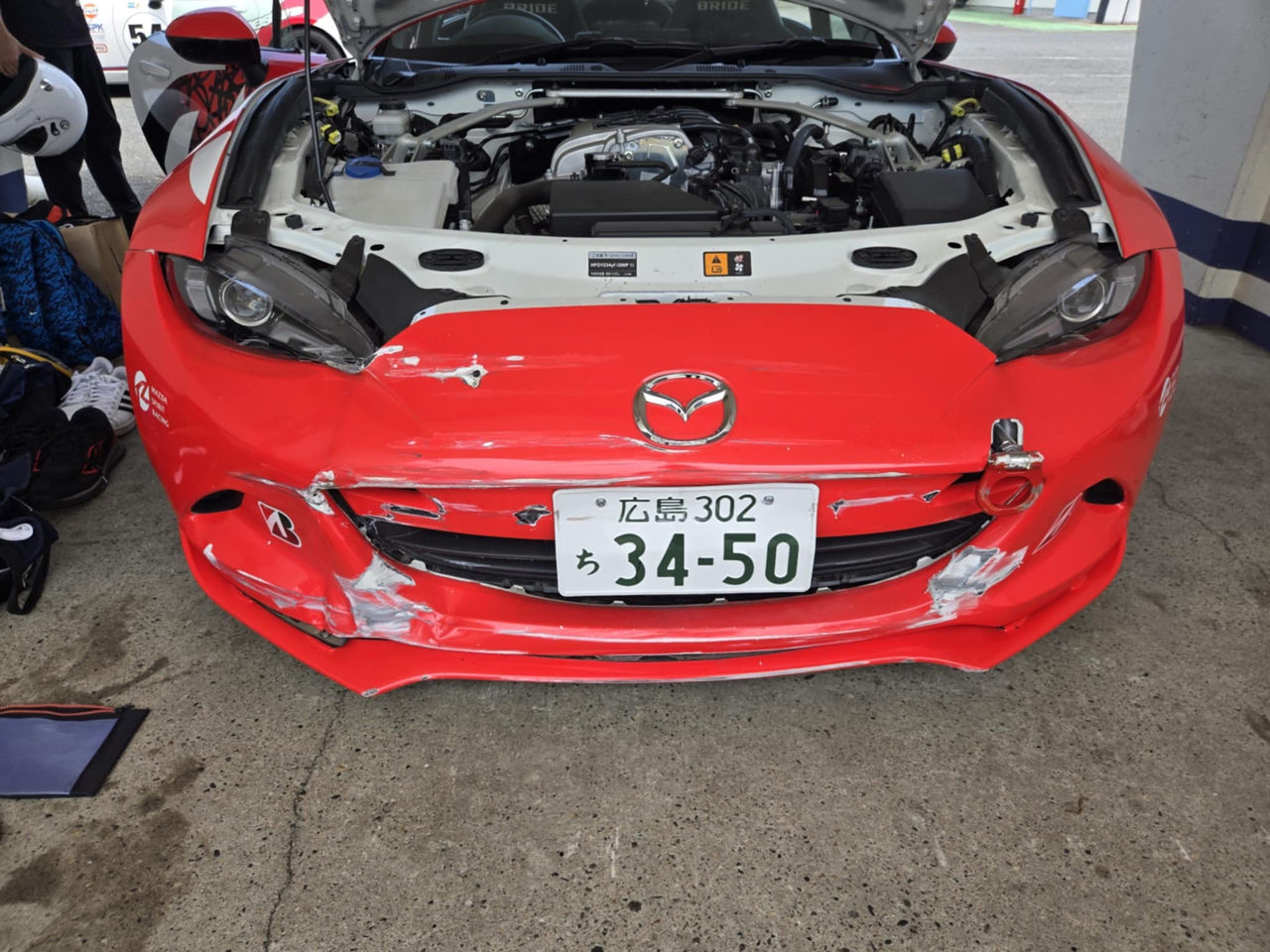
Twenty days before their first race, we received an email from the team. During a Cohort 3 practice session, a car had crashed.


The car's front bumper, headlights, and sensors were visibly damaged.

Fortunately, no one was injured. But whether the car could be repaired in time for race day was uncertain. The team stepped up to do whatever it took to get Cohort 3 to that race.


Kengo Goto, Mazda Corporation, Director of From Virtual to Real.

Goto:

We ran around looking for the parts we needed. When we finally managed to get everything, my only hope was that they could deliver their best on the track. I wanted them to feel the joy that comes from giving it everything you've got.


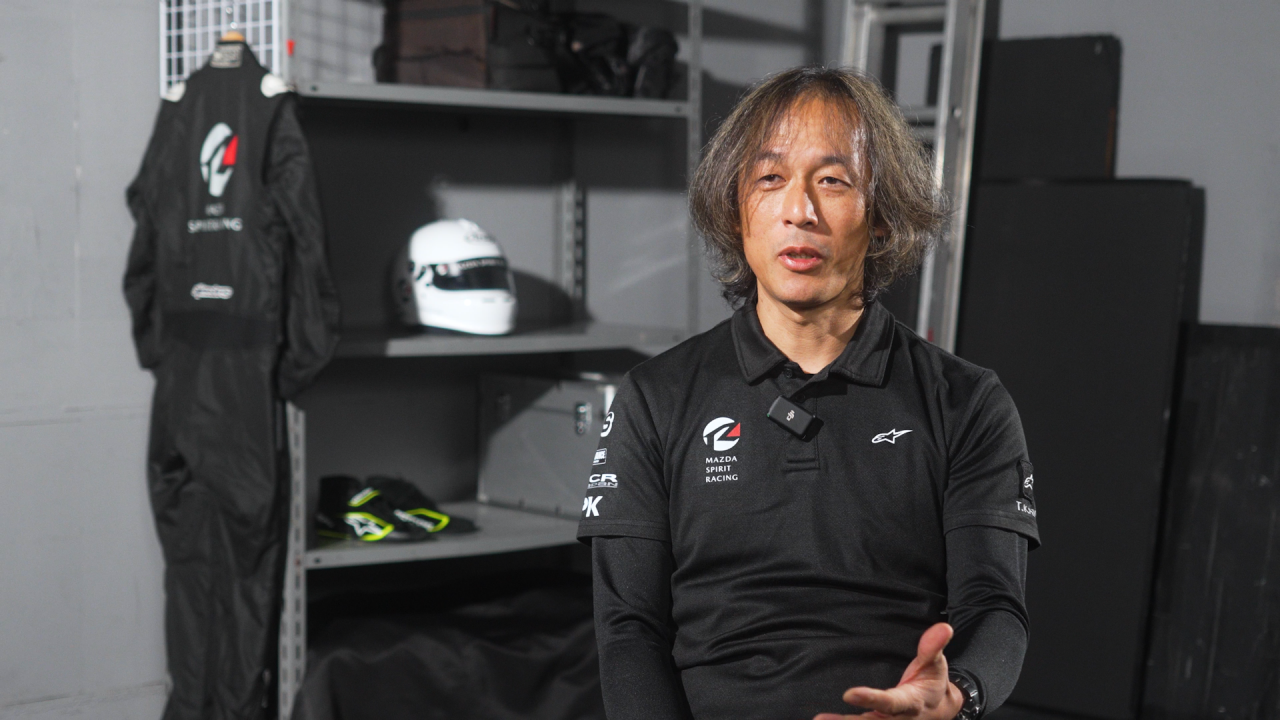
Teruaki Kato, Chief Instructor for From Virtual to Real, racing car tuner working with Mazda.

Kato:

Seeing how hard Goto worked to make it happen, I stayed up for days to get the car prepped. I was ready to do whatever it took. I gave it everything.

Repairs on the car continued until the morning of the race. When the car finally returned, they were ready for their first race at Tsukuba Circuit.


Learning What It Means to Race as a Team

The six were a mix of excitement and nerves before their first race. 


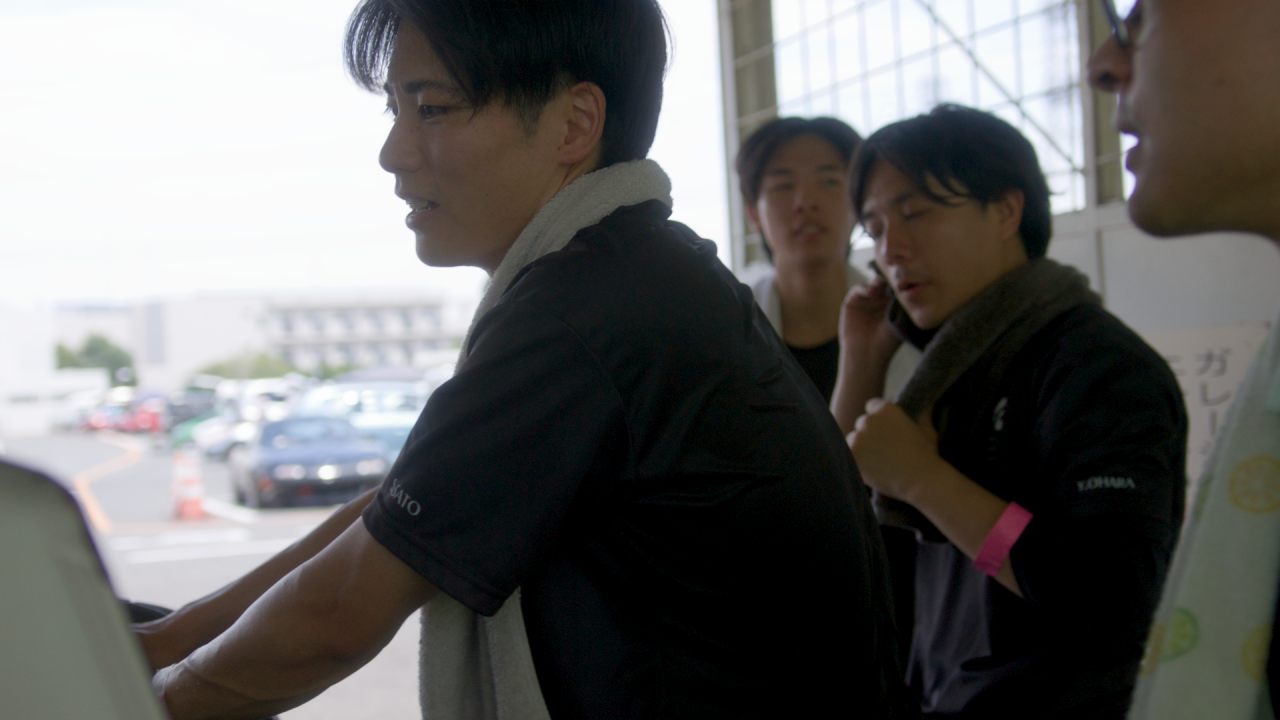
Their minds were only on the driving. Even as team members scrambled to prepare for the race, they just stood around watching.


They didn't communicate with each other, the pit crew, or staff. Sometimes, no one even knew where the others were.


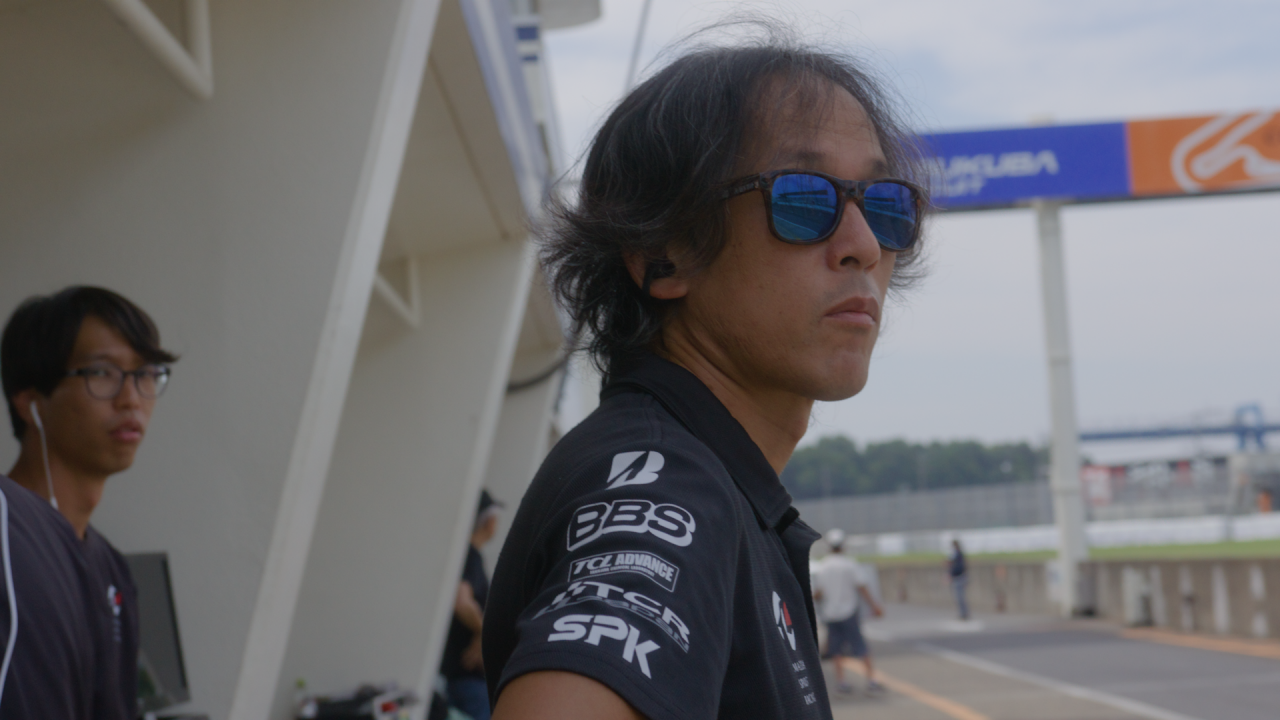
Chief Instructor Kato saw major problems in how they were approaching racing.


Kato: 

Racing is fun. But it's also a matter of life and death. When teams don't cooperate and communicate, it can lead directly to a serious accident.


As a racer, I’ve had the experience where I’ve been talking to someone just ten minutes before a race, only to have them never come back. When lives are on the line, you can't treat it like a game.


The way they were acting, I knew it could put themselves and others in danger if we didn't address it.


That evening, Kato took the six aside to tell them how it was.


He reminded them that they weren't here as guests, they were part of the team. They each needed to find their role and take initiative. Kato went on to explain the importance of having the right attitude and working together as a real team.


Later, all six said this moment was a major turning point.


Nojo:

I thought I'd been chosen to be a driver. But I was wrong. I'd been chosen to be a member of a team. That hit me hard.


Looking back, during my karting days, I left everything to my dad. After Kato called us out, I started thinking of myself as part of the team. Sure, it meant more work, but I was able to find joy in racing beyond driving.


When the team was working well, it made me happy. I wanted to finish the race as a team, no matter what.


Sato shares how it wasn't just the driving. He also enjoyed time spent working as a team toward a race.


Sato: 

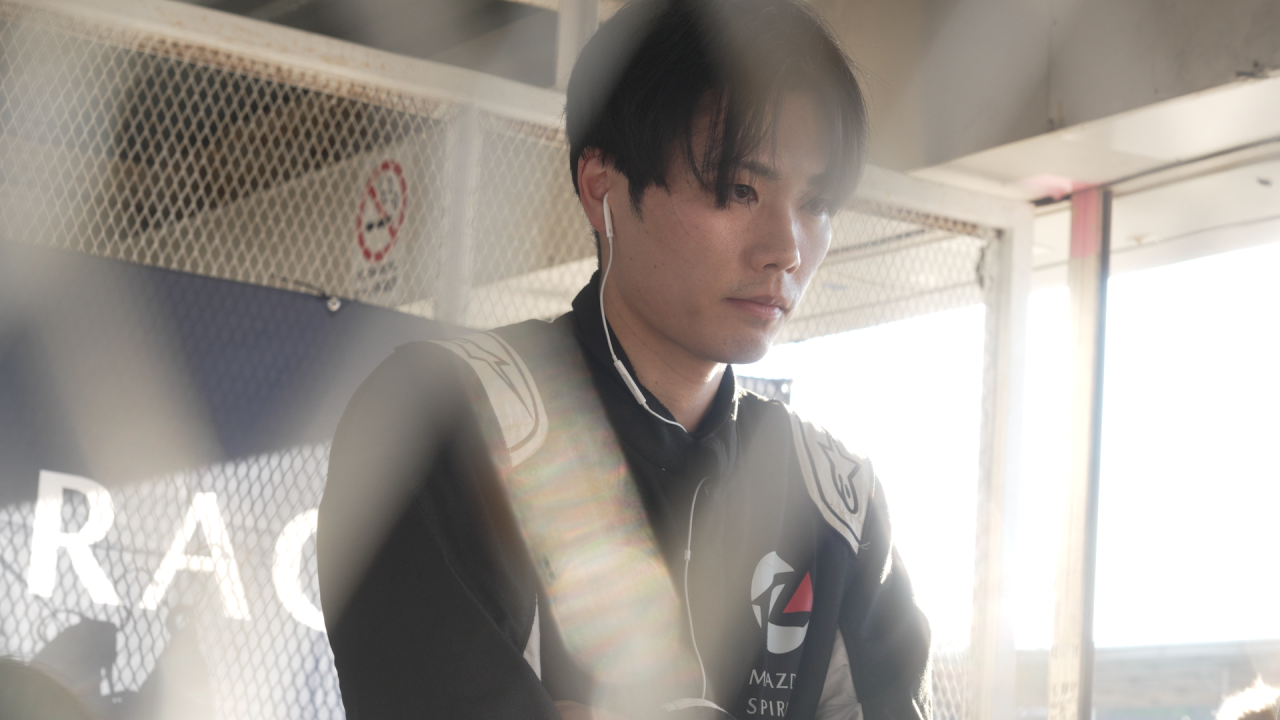
If you look at the whole race, the actual driving is just a tiny fraction. Most of it is spent in preparation. And surprisingly—to me at least—prepping for a race is also fun.


Even when you're doing something for your teammates, your heart races with excitement. Prepping means early mornings and late nights. Your body should be exhausted. But you don't notice the fatigue until the day ends. That's how absorbed you get in the whole experience of racing.


The joy of working with teammates is something they never experienced in gaming.


The joy of heading for a shared goal, reaching that finish line together, that's what makes real racing special, Kato says.


Kato: 

Sure, there's joy in the actual driving, something you can only get in real racing. But it's not just that. It comes from people. From connections with others, from working together to accomplish something. I want them to know that joy. Racing isn't just about driving.


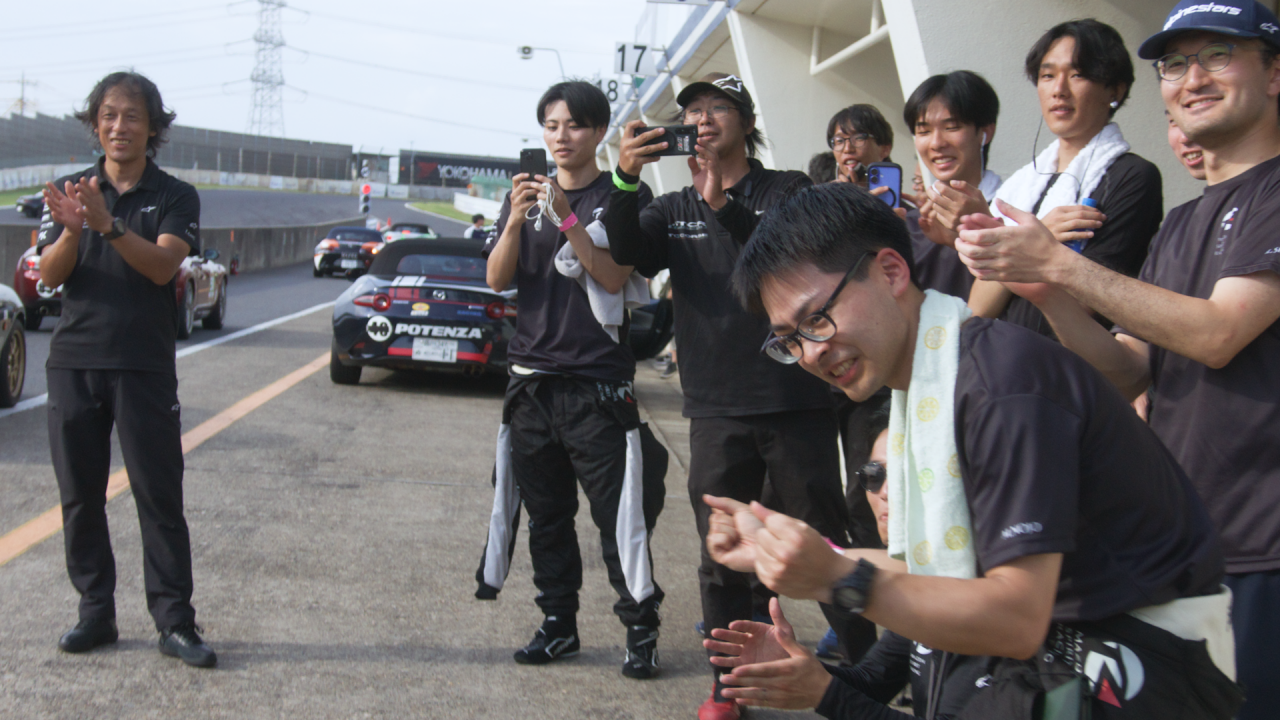
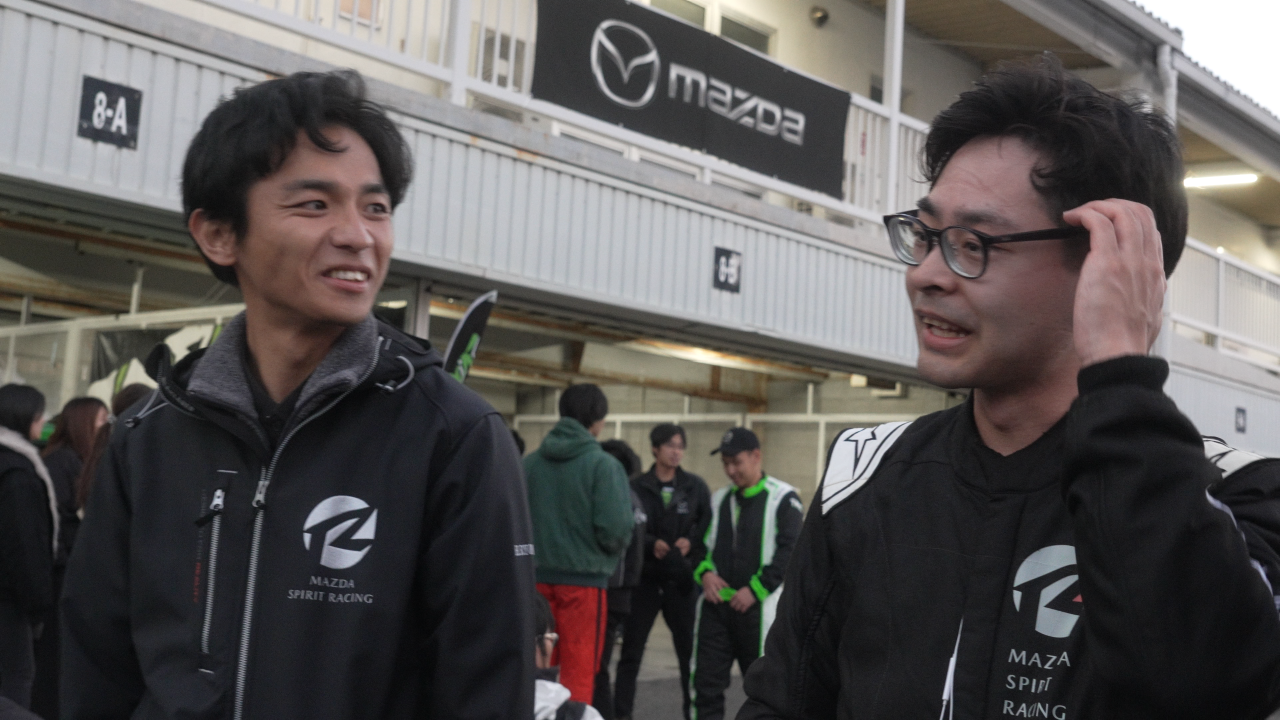
Working as a team, supporting and encouraging each other while sharing their struggles and victories. Teammates united by a common goal. This was the moment Cohort 3 began to become a team.


At the same time, discovering this new joy made them think about different ways to engage with motorsports.

The Graduates Who Stayed Connected to Racing

The From Virtual to Real program lasts just one year. The six racing this time are Cohort 3. Before them came Cohort 1 and Cohort 2, who raced the year before and the year before that.


Cohort 1 graduates Haruto Miyake and Junpei Inaba visited Tsukuba Circuit. They came to support Cohort 3 and share what racing means to them.


Haruto Miyake, From Virtual to Real program, Cohort 1. He handled everything from checking the car to analyzing race data, contributing to the team's success. Our team didn't realize he was a program graduate until asking, assuming he was a racing professional.

Miyake: 

The program taught me how fun racing is. I also changed from being shy to someone who can start conversations. I'm here supporting them as a team because I want to pass on what racing gave me to the next generation.

Junpei Inaba, From Virtual to Real program, Cohort 1. During the race, he managed radio communication with drivers, controlling the flow of the race.

Inaba: 

Of course driving is fun. But if there are people in this program who want to keep improving, I want to support that. That's why I'm helping out.

These two supporters were not the only Cohort 1 graduates showing up that day. Having bought his own car after graduating, Rin Seta was there as a fellow racer.


Rin Seta, From Virtual to Real program, Cohort 1. While active as a gamer, he joined the world of real racing after completing the program.

Seta: 

Racing used to just mean gaming for me. But From Virtual to Real showed me how fun real racing is.


During the program, Mazda provided the car. Then the year after graduating, I took the plunge and bought a RX-7 so I could keep racing. Looking back, the program really was a turning point in my life.

Motorsports had seemed a distant world that belonged only to professionals. But when the six actually participated and looked around, they saw all kinds of people finding their own ways to get involved in racing.


These encounters would change how Cohort 3 thought about motorsports.

The Final Race: Same World, Different Perspective

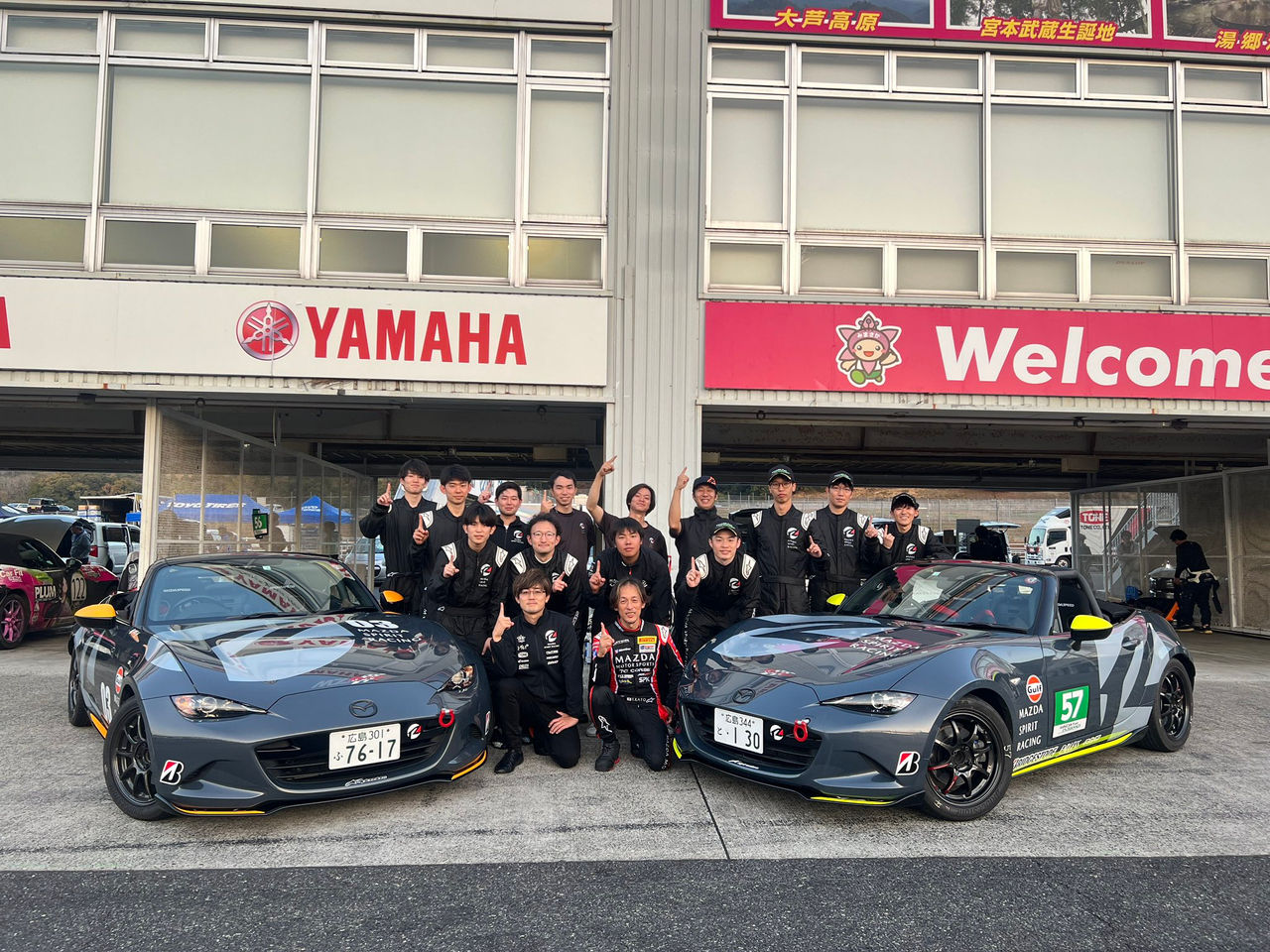
After a year of racing, Cohort 3 reached the final race at Okayama International Circuit. The six we met that day were unrecognizable from their first race.


Takuto Nakamura, From Virtual to Real program, Cohort 3.

Nakamura: 

Looking back, what Mazda and Kato told us at Tsukuba Circuit became the turning point. After that, we started calling out to each other as a team and taking initiative with preparation and practice.


Racing itself is part of it, but the real challenge and excitement of real racing is in how well you prepare.


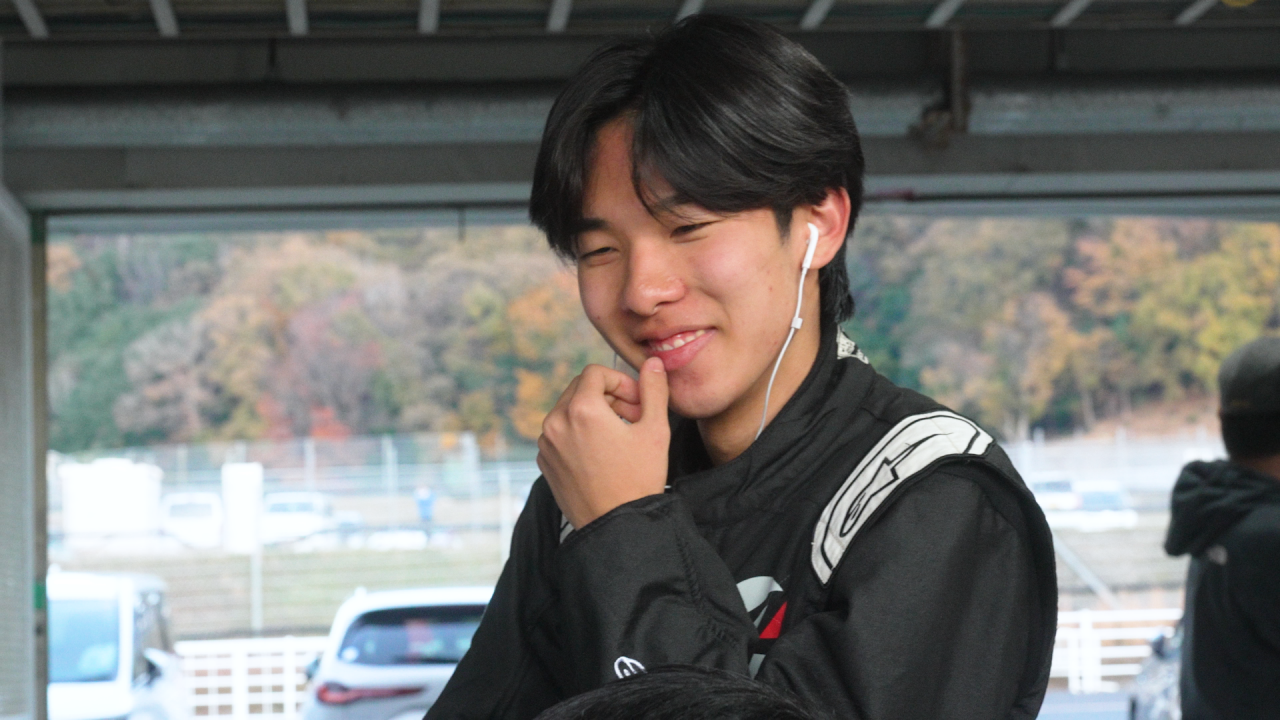
Then came race day. Having learned the joy of preparing together and working through challenges with teammates, their expressions looked brighter than ever.


Nojo: 

Before the race, someone from Mazda told us to just have fun. And we did exactly that. It was an honor to race as part of Mazda.


Ichihara: 

It really was like a dream. Not just the race itself, but working through problems with the team, staying at hotels together, eating meals together. It was so much fun. Something you just don't get from gaming.


Sato: 

I joined thinking I wasn't getting any younger and this was my last chance. But I realize now how wrong I was. People way older than me, people busy with work, are all out there enjoying racing. It completely flipped my image of motorsports.


The realization had dawned. The barrier between themselves and motorsports was something they had created.


After finishing their year of racing, they were already looking ahead to the next step.


Yuki Ohara, From Virtual to Real program, Cohort 3. As the oldest, he felt pressure at the start to lead the team, but over time, he naturally began moving the team forward.

Ohara: 

This is the end of the From Virtual to Real program. But starting next year, the six of us are planning to form our own team. We'll rent a car ourselves and keep racing. Thanks to everyone at Mazda, we got this opportunity and discovered this joy. It would be a waste to just let it end here.


Starting next year, they'll race on their own without help from Mazda.


What changed wasn't their situation, but their perspective. Racing is no longer an impossible dream, it's an achievable reality. By taking that first step with Mazda, they learned they could take on the challenge themselves. And discovered the joy of racing unique to working with a team.


That is the real meaning of From Virtual to Real. They'd believed the world of real racing was impossible to enter. But by taking it step by step, these six realized that barrier had never existed. Only their belief in it was real.


Their example will encourage others like them. People who once dreamed of racing but gave up.

Mazda believes in the joy of cars. And we're certain there's a kind of joy that only motorsports can provide. The From Virtual to Real Challenge Program is a challenge to motorsports culture itself.


Racing doesn’t belong to a select few. It’s open to everyone. Making that a reality means breaking down more than just systems and competitions. It means breaking down the barriers people build in their own minds.


The path these six carved out will push others forward. That's what this year proved to us.


From the Editorial Team


These six people once told us that entering the world of motorsports felt impossible for them. So when they finished their year of racing and started talking about competing on their own, we truly understood what this program meant.


From Virtual to Real wasn't something Mazda created just for a select group of special people. It was designed to show that the path to racing is open to anyone, anytime. A program that creates that moment of realization.


The program became a spark for opening new futures. And perhaps their success will become the spark for someone else.


If you have a dream, we hope this story gives you the push you need.

*1 “Gran Turismo” logo and name  are trademarks and registered trademarks of Sony Interactive Entertainment Inc. Gran Turismo 7 for PS5®/PS4® is published by Sony Interactive Entertainment Inc.


Share
  • X
  • Facebook