MAZDA VISION X-COMPACT: Bringing a Design Ideal to Life with Takumi Hard Modelers and Co-Creation Craftsmanship

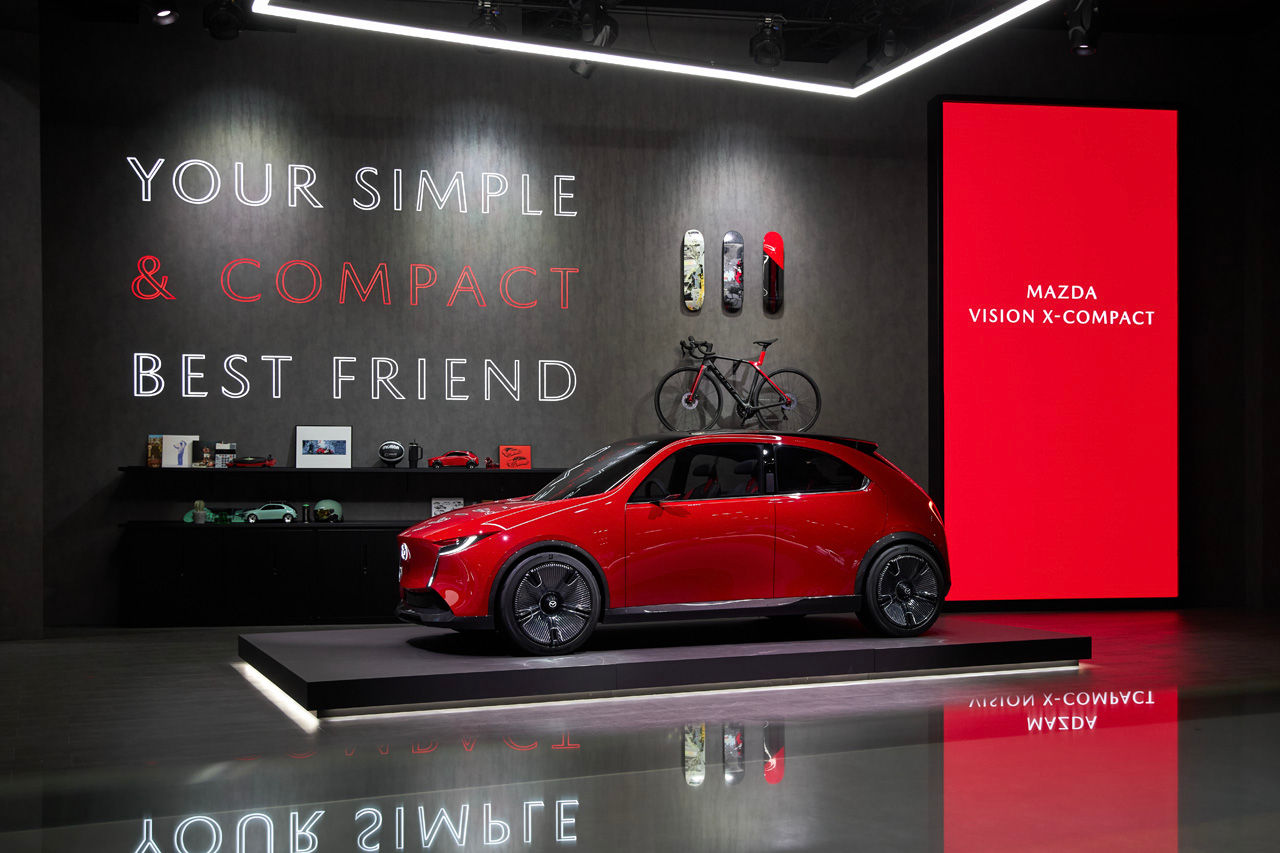
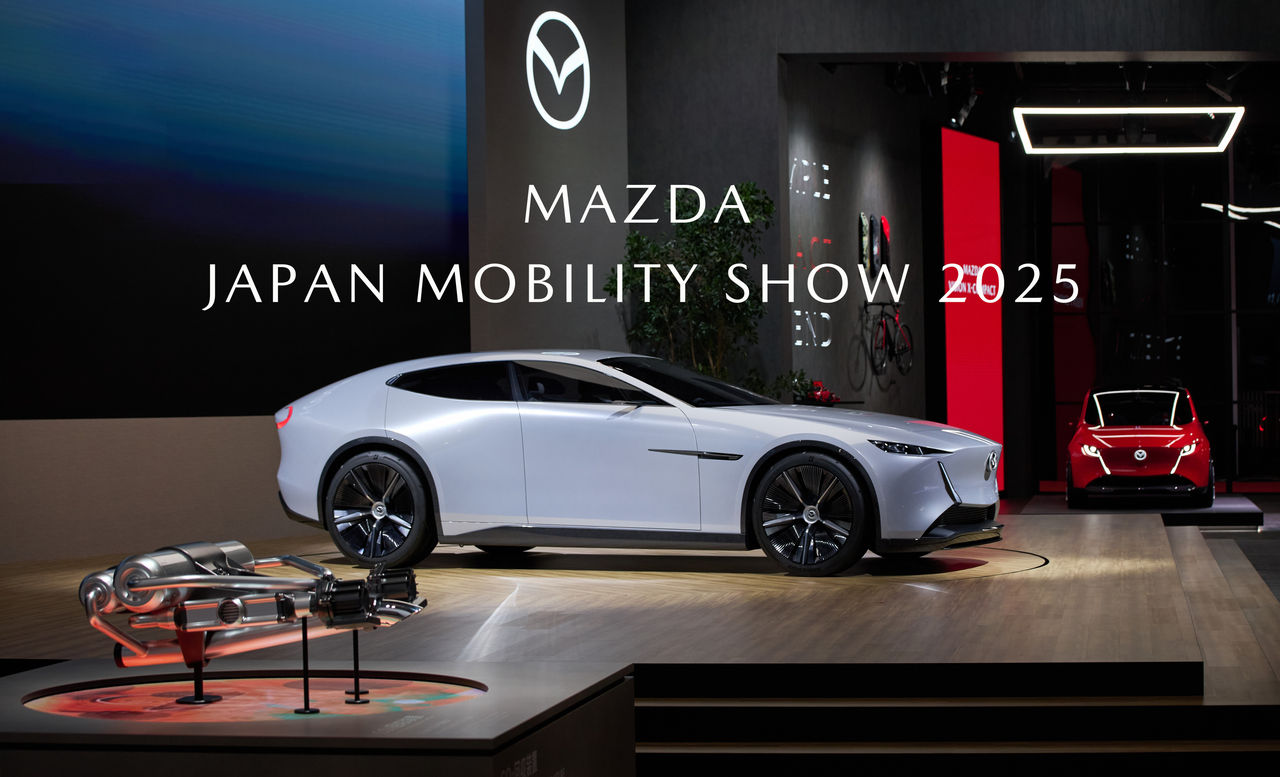
The Mazda Vision X-Compact drew considerable attention at Japan Mobility Show 2025. Designed around the concept of a car that becomes like a close friend, the interior features a design that creates a warm connection with the car and a sense of unity between driver and vehicle.


At the heart of this interior space sits a sporty seat with striking presence. Behind the development of this seat lies a story of co-creation—one driven by the pride and dedication of Mazda's elite craftspeople.


A designer's relentless pursuit of an ideal. Master modelers with years of refined skill. Early-career talent bringing fresh perspectives. Professionals across different specialties and generations came together, combining their expertise, creativity, and inspiration to complete this seat. Here's what happened behind the scenes.


MAZDA VISION X-COMPACTのシート開発メンバー

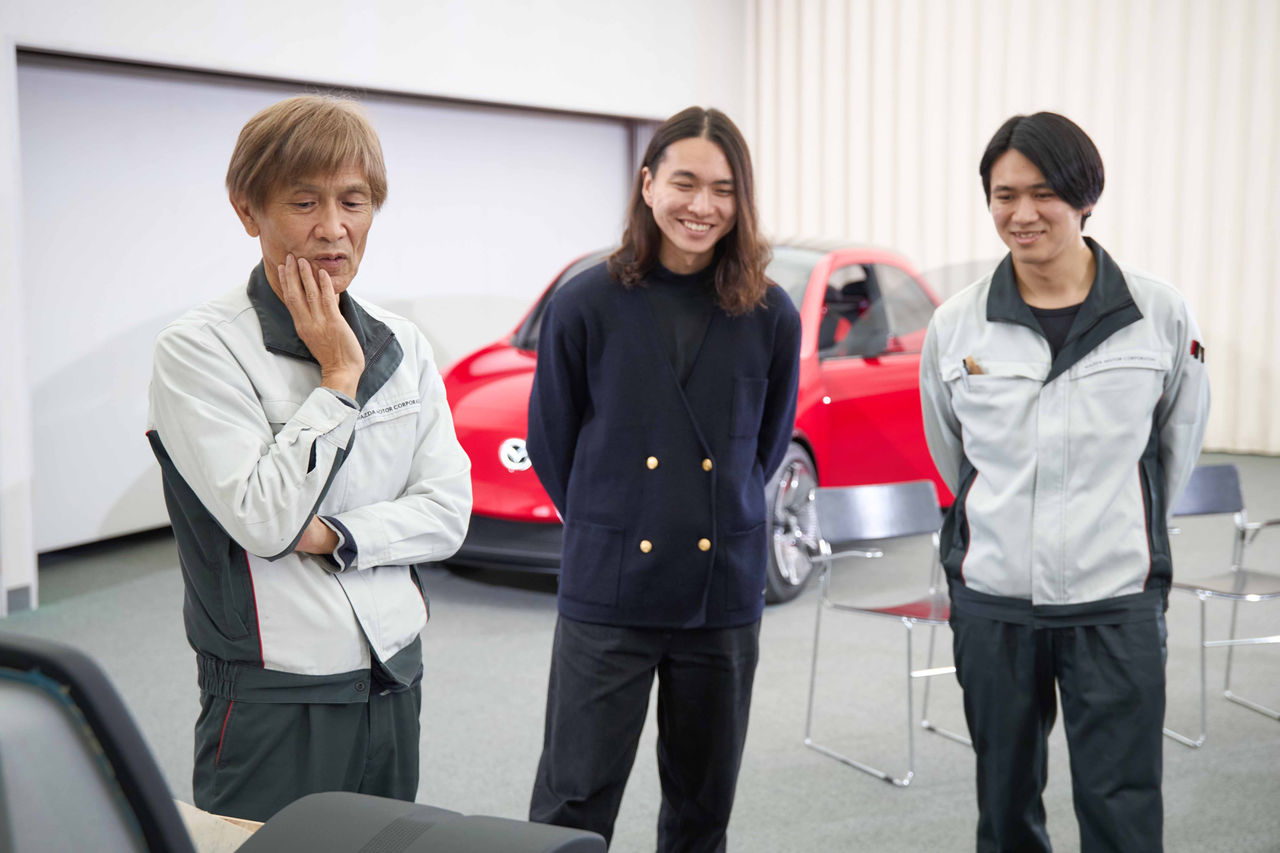
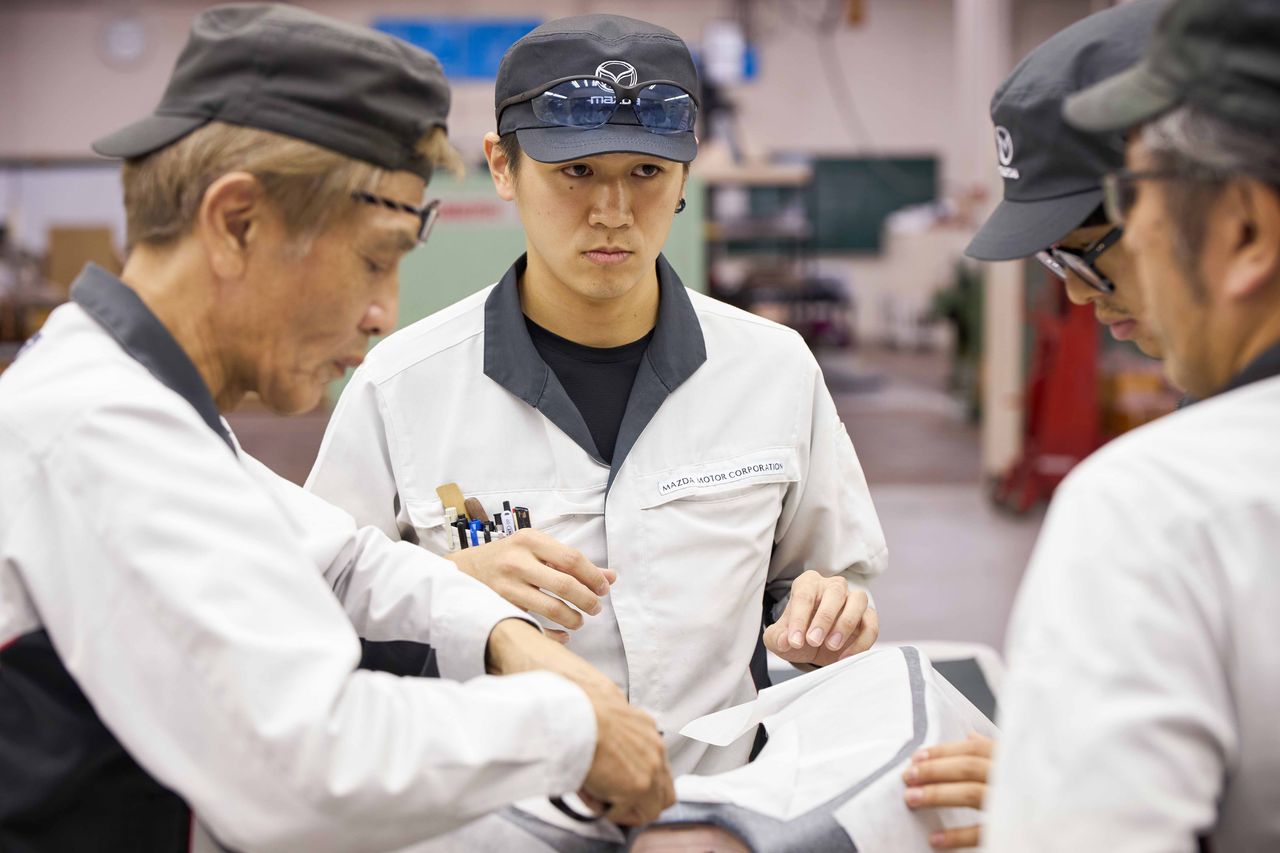
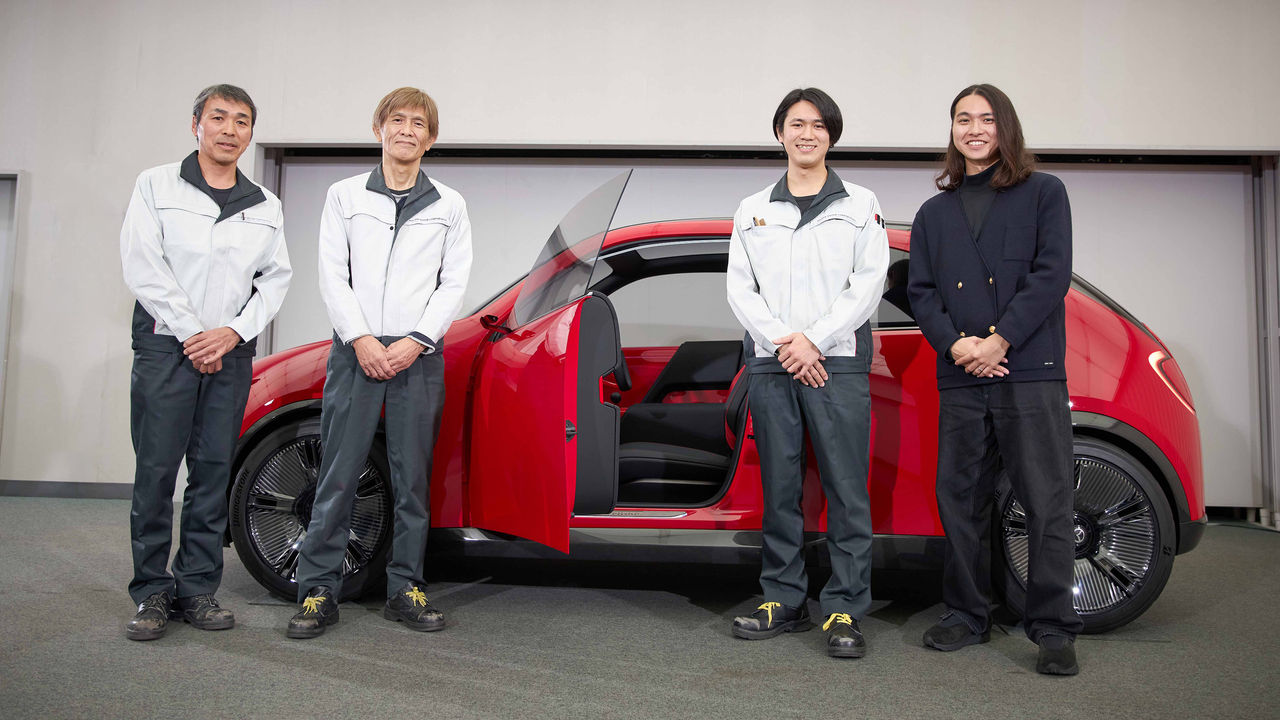
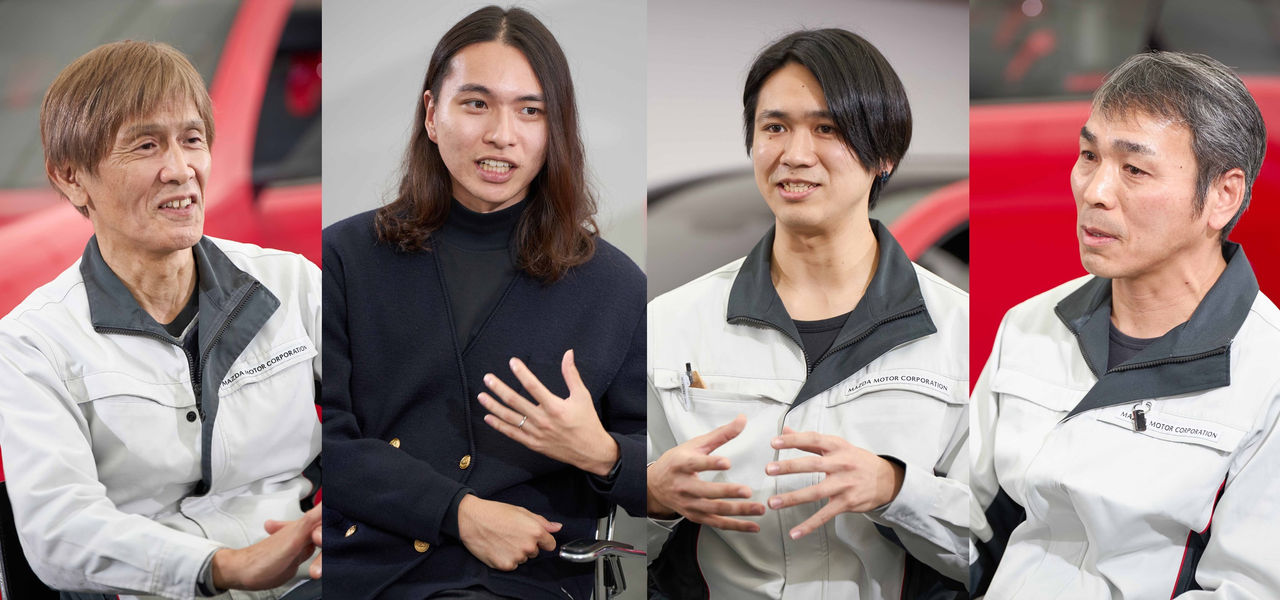
Mazda Vision X-Compact Seat Development Team (from left):

The Takumi hard modeler who has honed his skills over decades: Osamu Fujiki

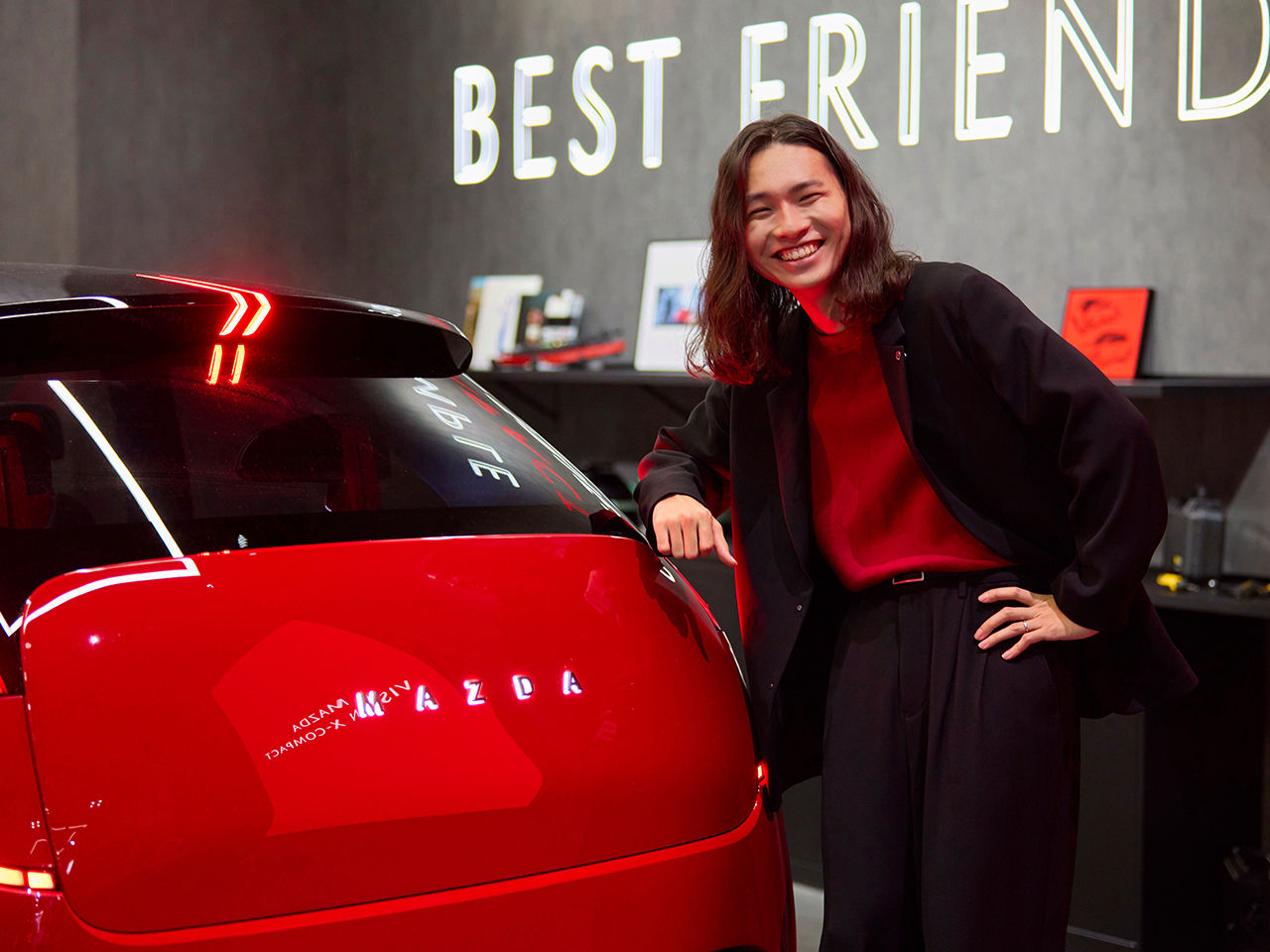
The early-career designer selected to lead interior design: Kaisei Takahashi

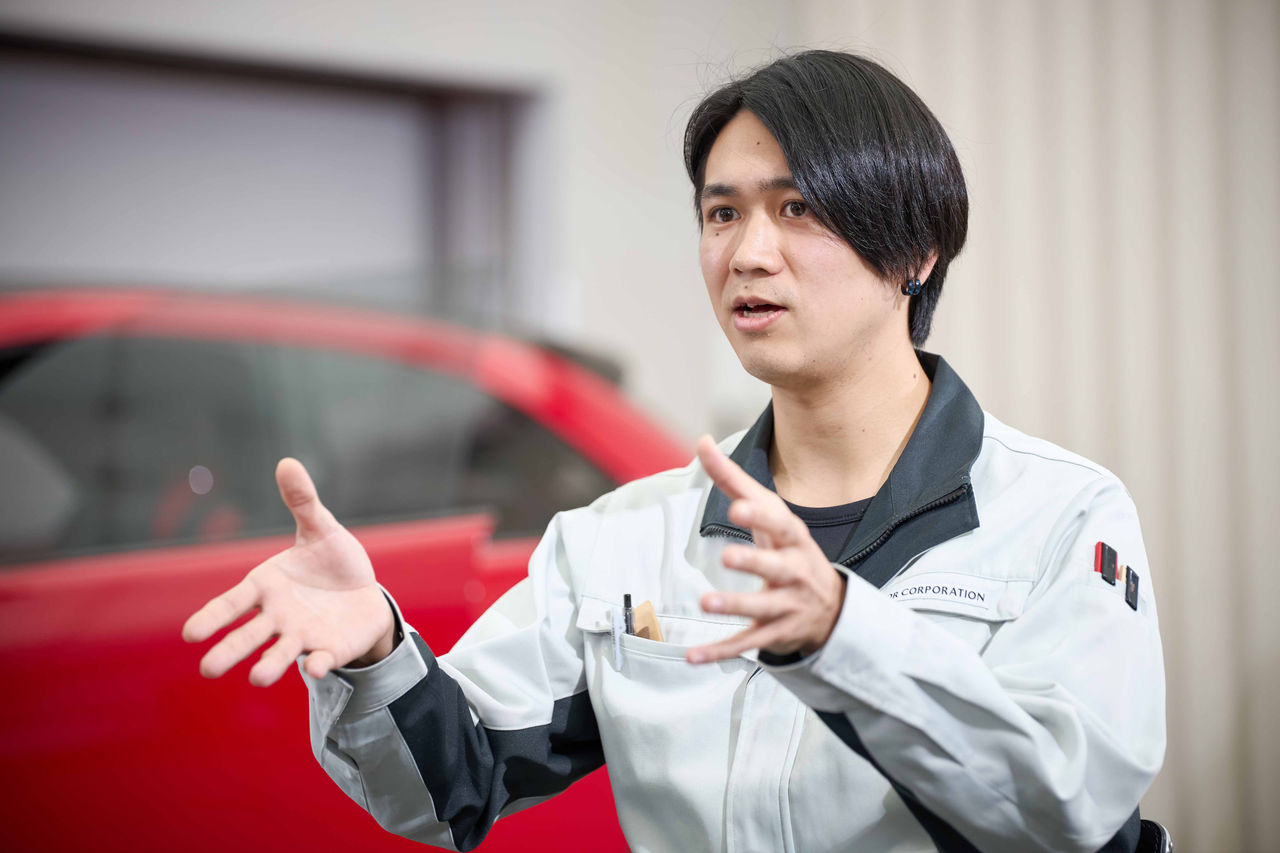
The early-career hard modeler bringing fresh perspectives and digital expertise: Taisei Yasutomi

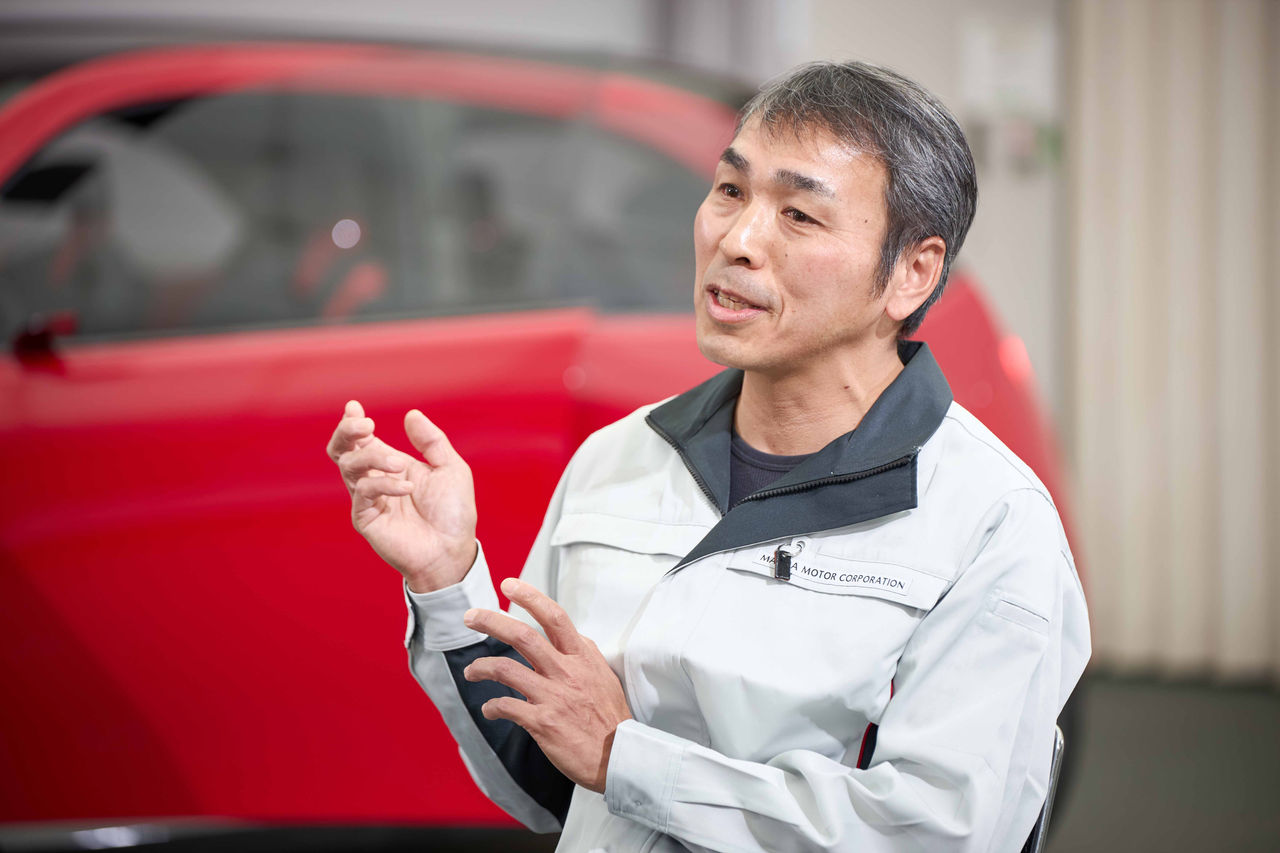
The senior hard modeler who led the team throughout this seat development: Yukikazu Hashimoto


"I Want to Create a Seat as Light as a Bicycle Saddle." Where Co-Creation Between Designer and Hard Modelers Began

Takahashi, you led the interior design for the project. What was your design concept for the Mazda Vision X-Compact's seat?

Takahashi:

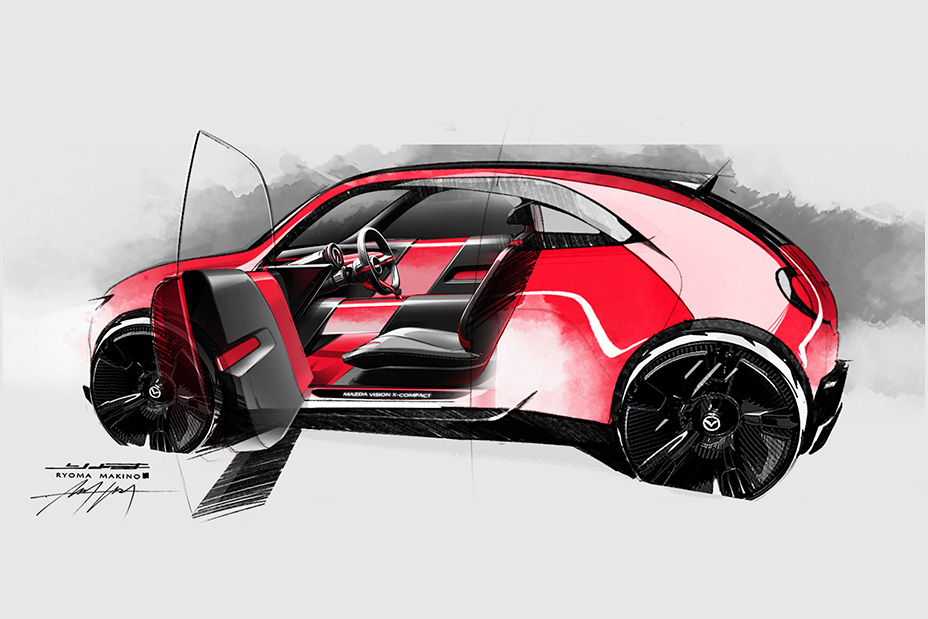
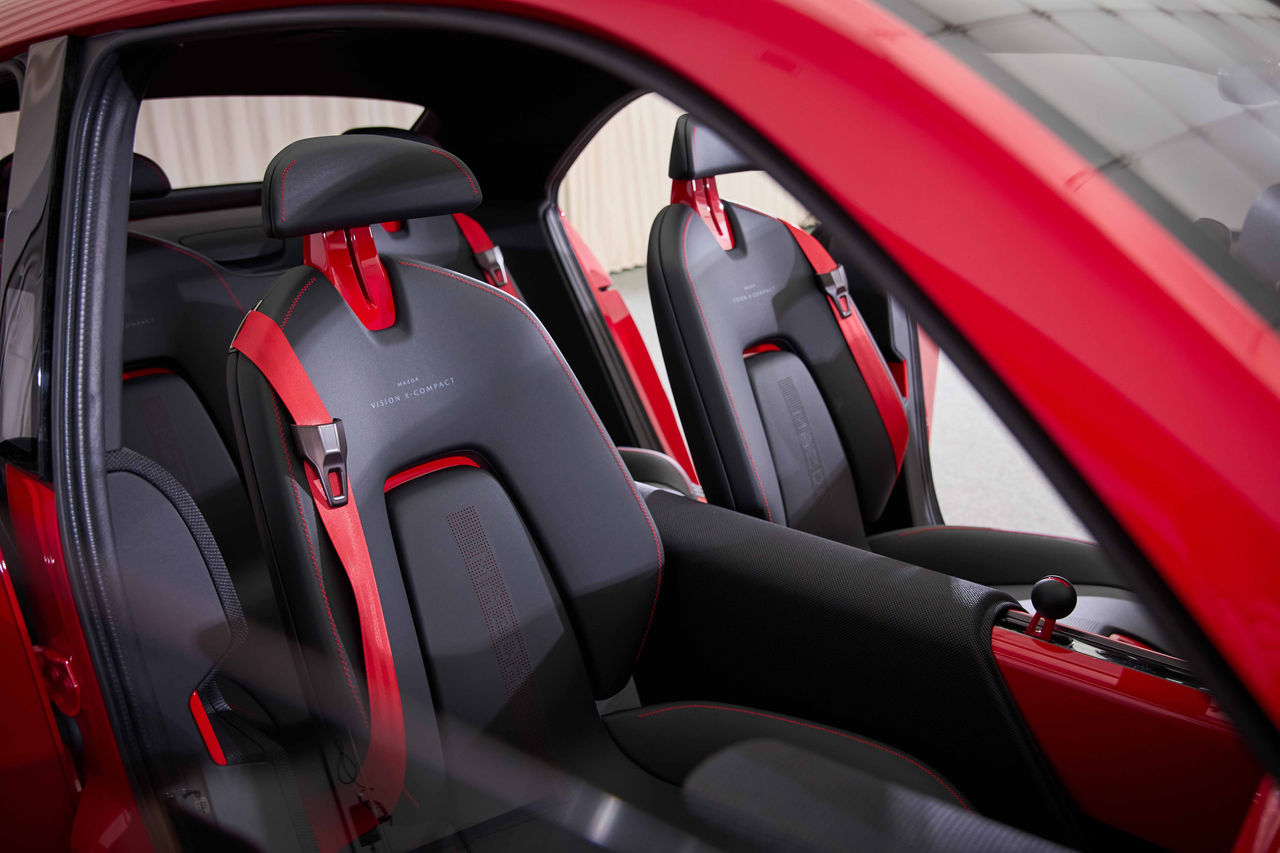
The concept was a light, sporty seat inspired by a bicycle saddle. The Mazda Vision X-Compact is designed to be a car for zipping around town, and I wanted to capture that feeling of hopping on a bicycle and just taking off. To achieve this, I wanted to use a single piece of fabric with minimal stitching to create a form that hugs your body closely.


MAZDA VISION X-COMPACTデザインスケッチ

Mazda Vision X-Compact design sketch. 

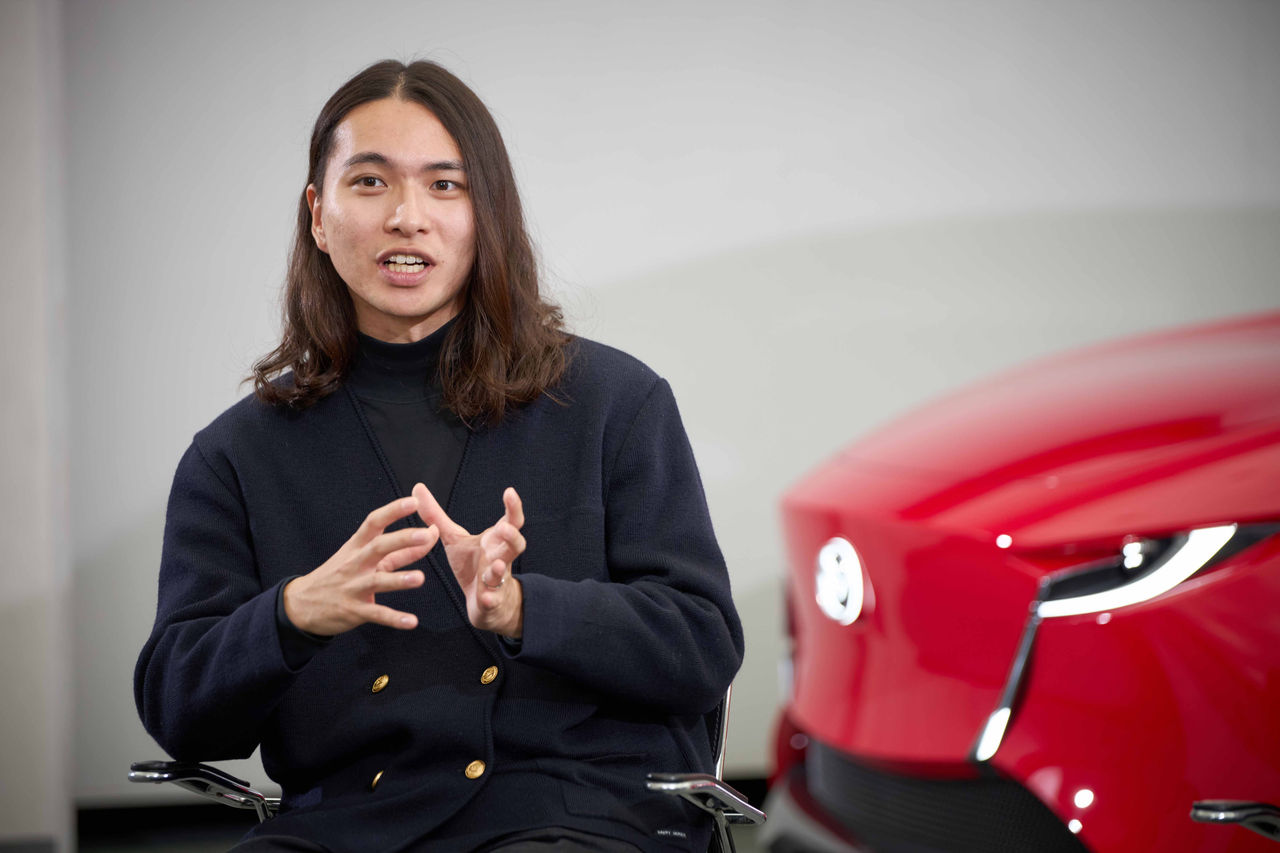
デザイン本部デザインクリエーションスタジオ:髙橋快勢

Kaisei Takahashi, Design Creation Studio, Design Division. Joined Mazda in 2021. After working on accessory packages for the Mazda 2 "SCI-FI," and interior design for the Mazda EZ-6 and Mazda EZ-60, he joined the vision model development team.


Fujiki, as a hard modeler, your role is to turn design ideas into physical form, right? What did you think when you first saw this design?

Fujiki:

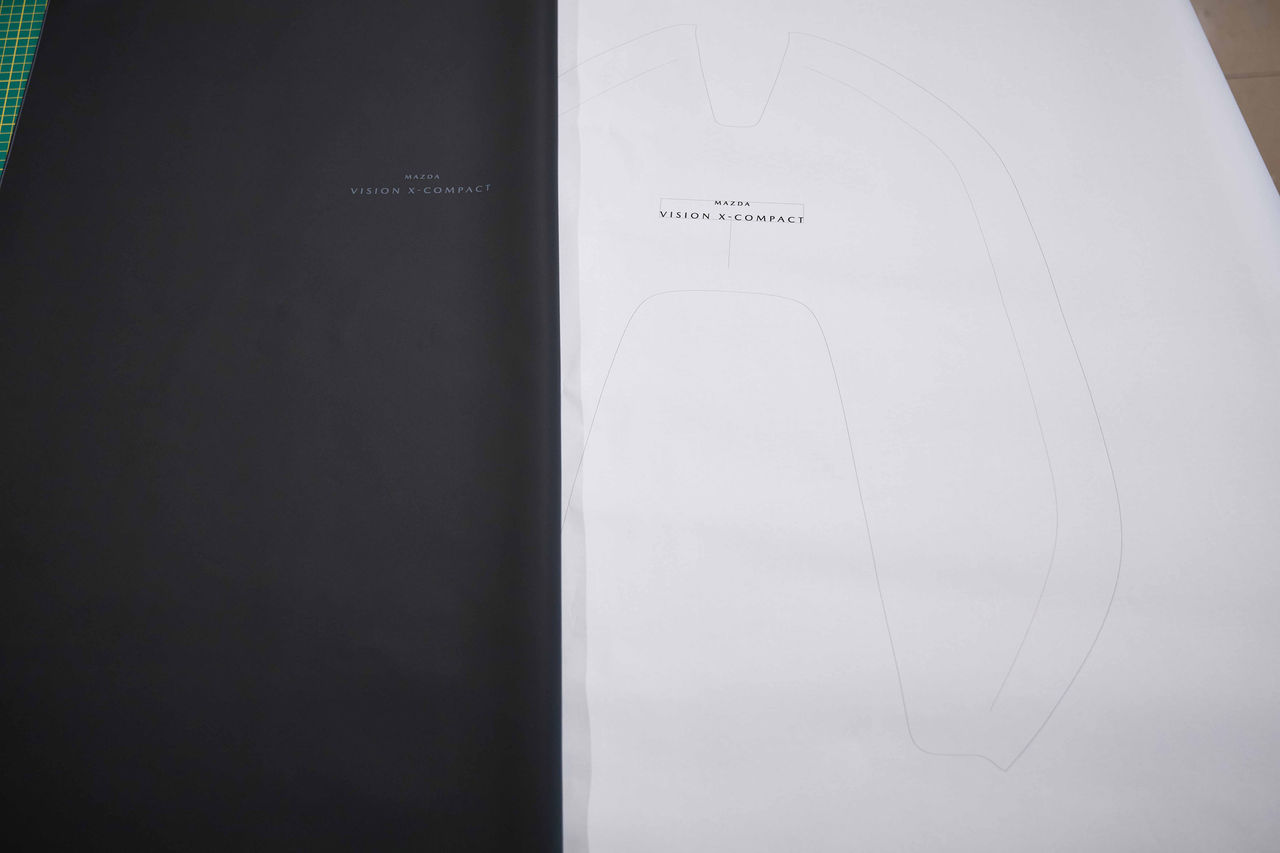
As soon as I saw the design data, I knew this would be quite a challenge. The designer's request was clear: use a single piece of fabric to create a smooth form that hugs the body. In other words, a seat with no divisions and no stitching lines.


Seats are typically built with divided sections and when you try to create a three-dimensional shape from a single, flat piece of fabric, wrinkles are inevitable.


I knew it was going to be difficult, but I was up for the challenge. It’s only through actually making something that you discover the real issues and insights. So we began working up prototypes to find a solution.


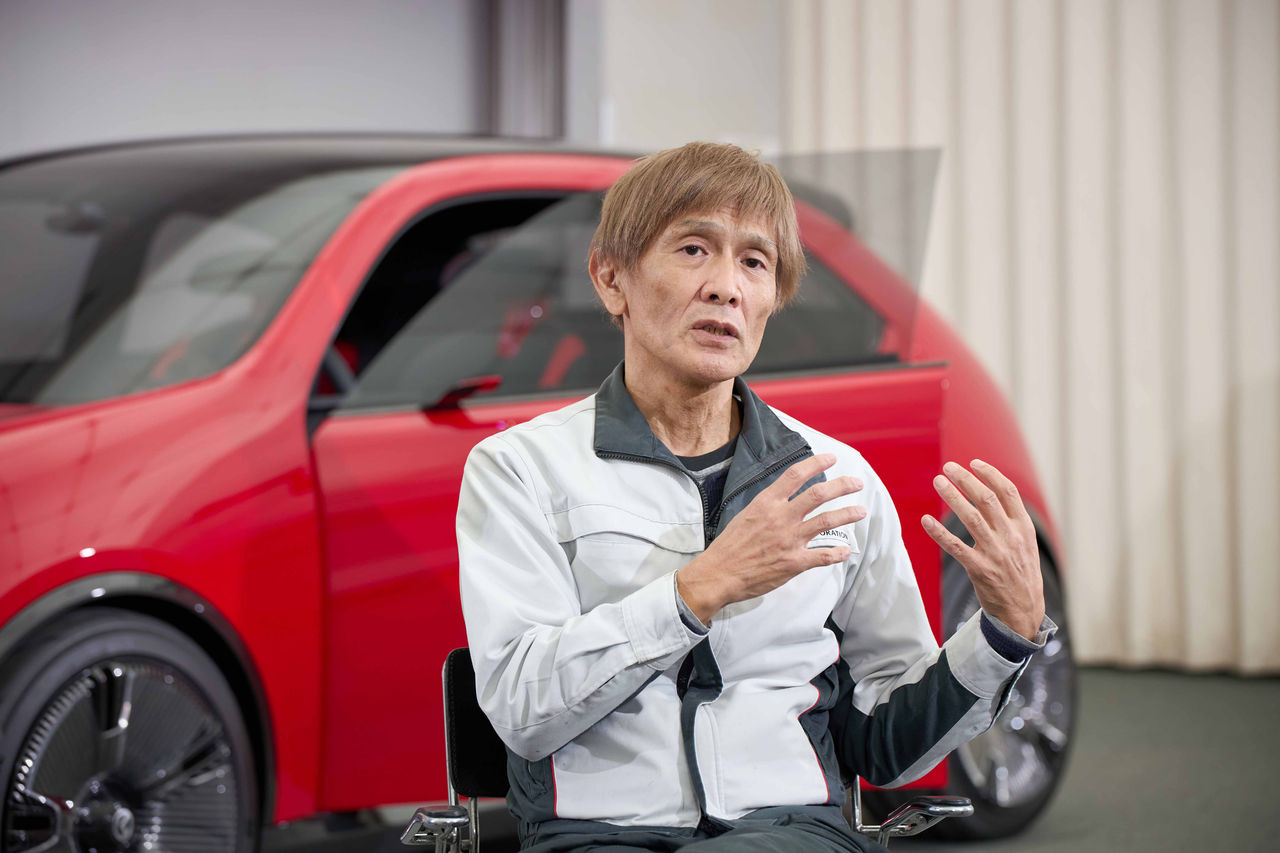
デザイン本部クリエイティブスタジオ:藤木修

Osamu Fujiki, Design Creation Studio, Design Division. Joined Mazda in 1981. Has worked across all aspects of model-making, including exterior and interior advance design. As a Takumi hard modeler, he has worked on interiors for the 2015 Mazda RX-Vision, 2017 Mazda Vision Coupe, 2023 Mazda Iconic SP, and 2025 Mazda Vision X-Coupe.


That choice to take on the challenge rather than shut down the idea really embodies what Mazda's craftsmanship is all about.

Takahashi:

At first, I was focused only on what I wanted to achieve with the design. But watching them work through prototype after prototype, I learned about the real physical constraints and how materials behave. That's when we began working together on the same level, with a shared vision and determination.


Designers and modelers working as one, bouncing ideas off each other, refusing to give up. It’s this collaborative spirit that makes Mazda's culture special for me.


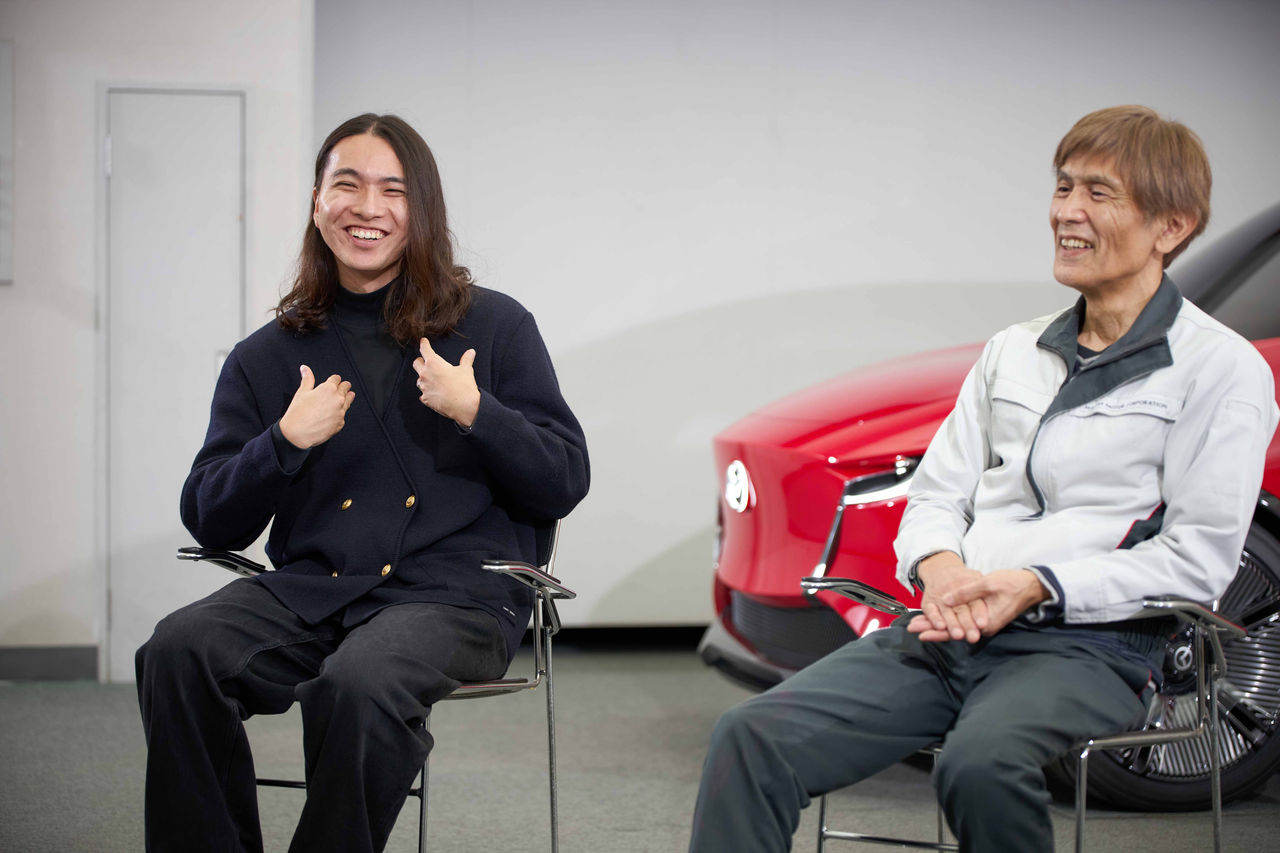
試行錯誤のシート開発を振り返って笑みがこぼれる高橋(左)と藤木。

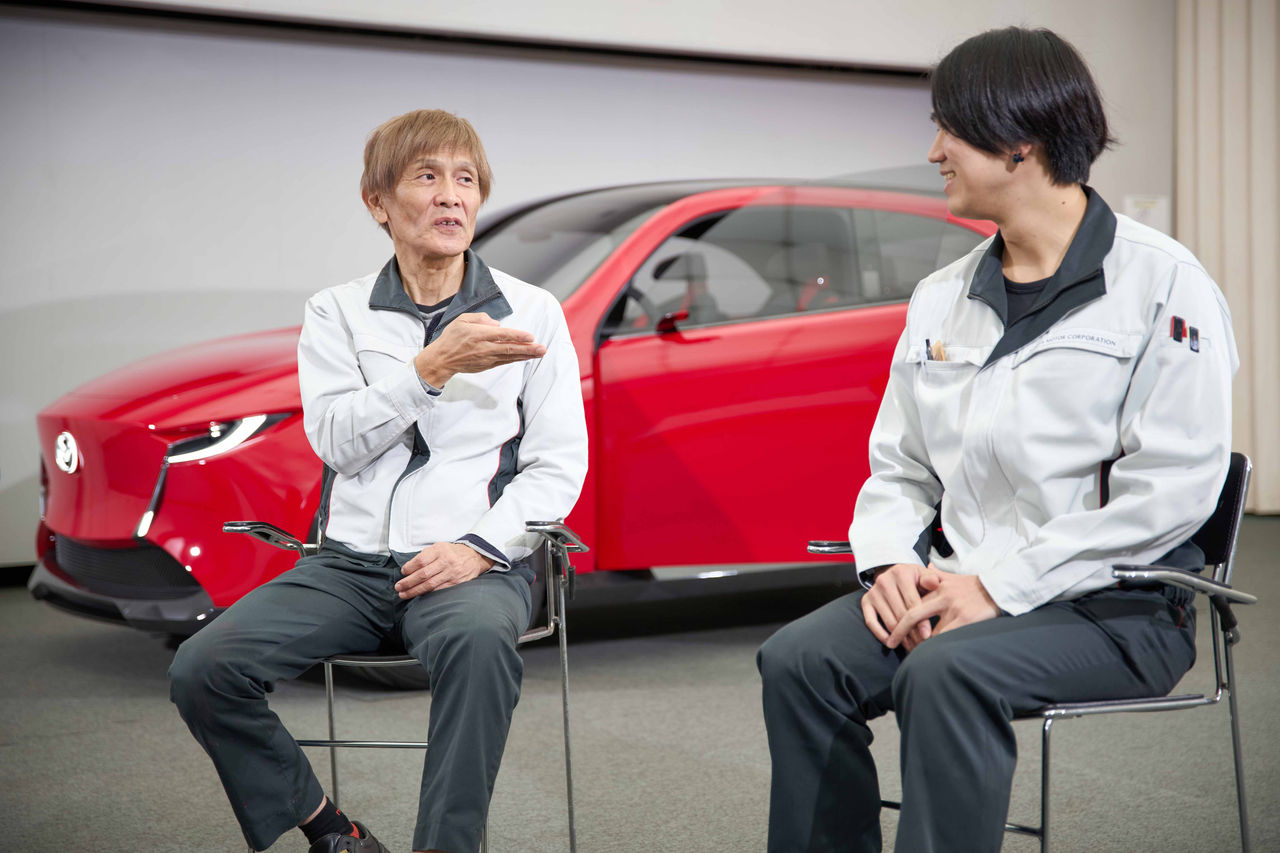
Takahashi (left) and Fujiki smile as they reflect on the trial-and-error process of seat development. 

数々の試作品を前に談笑する。(左から藤木、髙橋、安富)

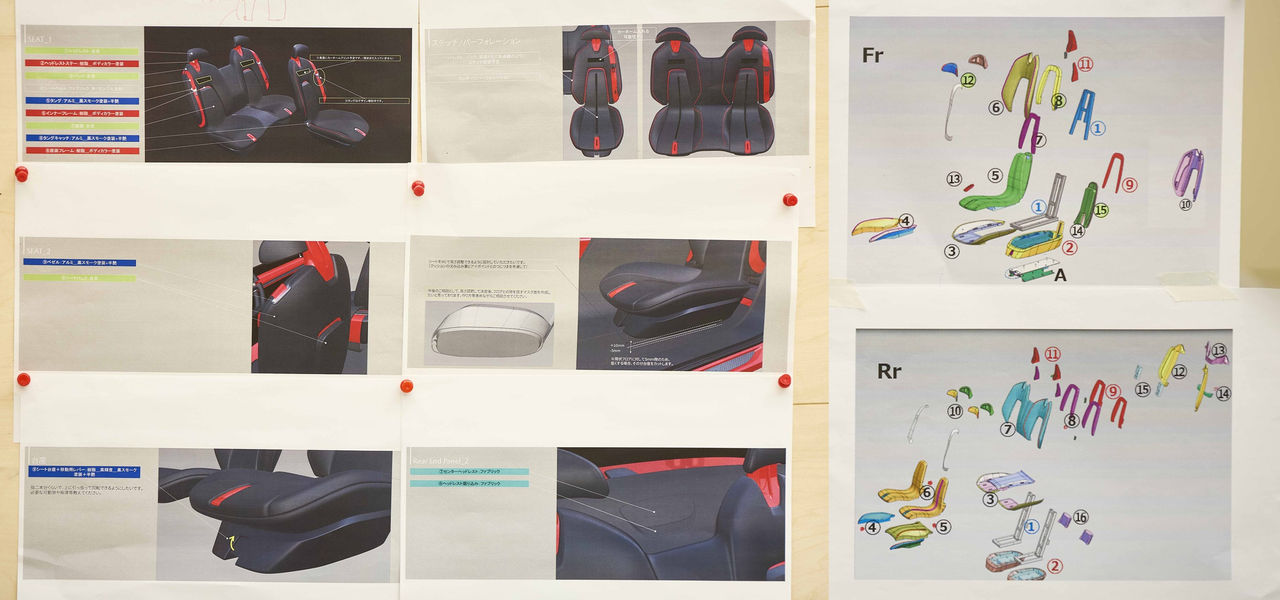
The team discuss their work in front of several prototypes. (From left: Fujiki, Takahashi, Yasutomi)

Takahashi:

This seat project was developed completely in-house*, without outsourcing to external partners. I was constantly impressed by the standard inside Mazda. I have complete trust in the hard modelers' skill and quality. We could only achieve this finish by developing it in-house.

*Excluding parts


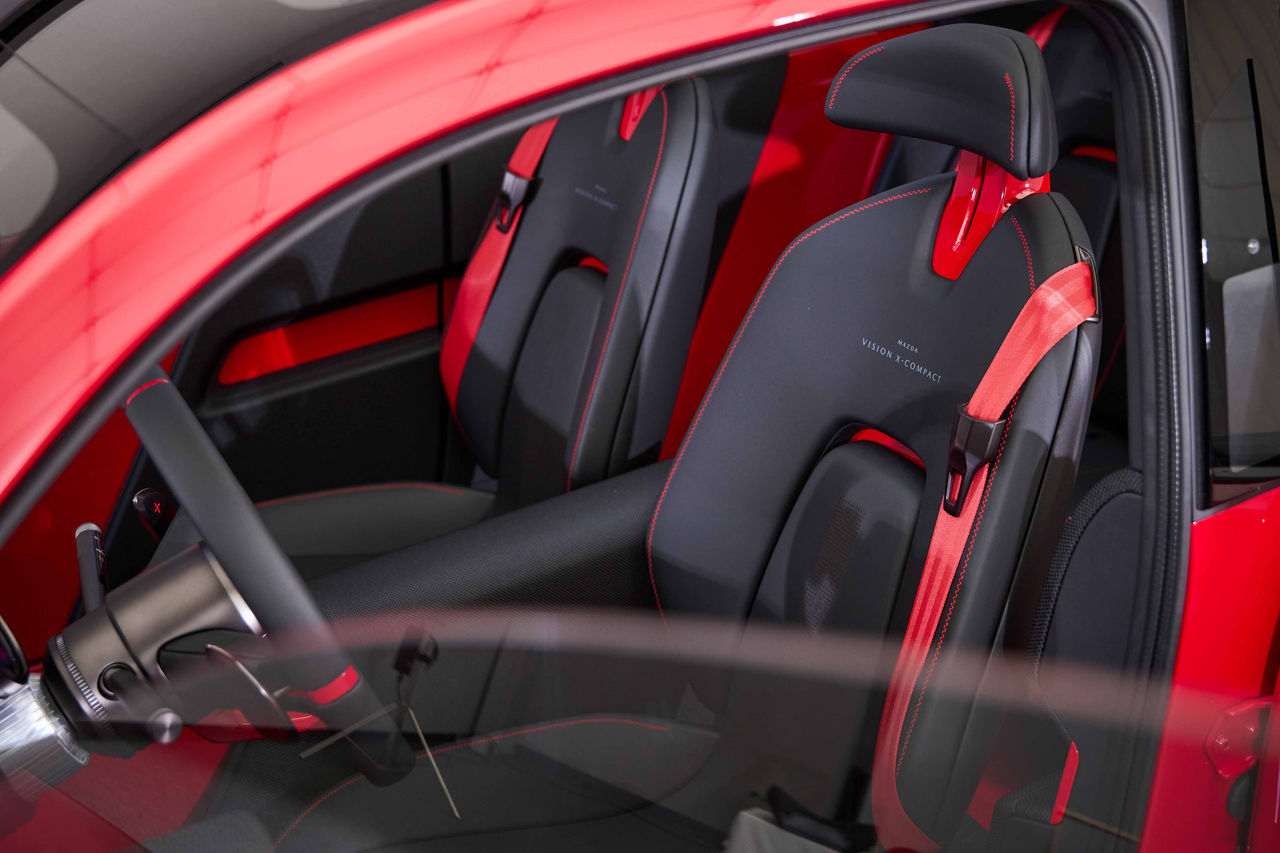
継ぎ合わせの縫製ラインのない一枚の生地から作り上げたMAZDA VISION X-COMPACTのシート。

The Mazda Vision X-Compact seat, created from a single piece of fabric without any seams.


The Takumi Team of Hard Modelers: Balancing Tradition and Innovation


Hard modelers have a reputation as an elite team of Takumi, each a master in their fields with exceptional skills in metalwork, painting, fabrication, sewing. What does a concept car project mean for a team like this?

Hashimoto:

Concept cars show customers Mazda's vision for the future. Even for experienced modelers, it’s always exciting and inspiring to work on these projects. For early-career modelers, it's the kind of project they aspire to, an opportunity for growth.


This time, I wanted the early-career modelers to experience this firsthand, so I assembled a cross-generational team bringing together experienced and less-experienced members.

デザイン本部デザインイノベーションスタジオ デザインモデリンググループ:橋本幸和

Yukikazu Hashimoto, Design Modeling Group, Design Innovation Studio, Design Division. Joined Mazda in 1985. As lead modeler in new vehicle development, he primarily handles hard model production used in product planning and approval processes. In 2015, he worked on the full-scale model of the Mazda LM55 Vision Gran Turismo.

Yasutomi, this was your first time working on a concept car. What was that experience like?

Yasutomi:

I remember being really nervous at the first meeting. While the experienced modelers kept coming up with ideas, I was just trying my best to keep up. But as the actual work progressed, I began to share my ideas and opinions. It's an environment where if you speak up, people always listen and let you try things, so my confidence gradually began to grow.

デザイン本部デザインイノベーションスタジオ デザインモデリンググループ:安富大晟

Taisei Yasutomi, Design Modeling Group, Design Innovation Studio, Design Division. Joined Mazda in 2020. After gaining experience as a clay modeler working on large product seats, he moved to the Hard Model Group in 2023. He works on sewing for seats, instrument panels, and door trims in new vehicle development.

Yasutomi:

When we work, there's no micromanaging every single move. There's room for us to think for ourselves. That comes with responsibility, but that's what makes working in the Hard Model Group rewarding for me.

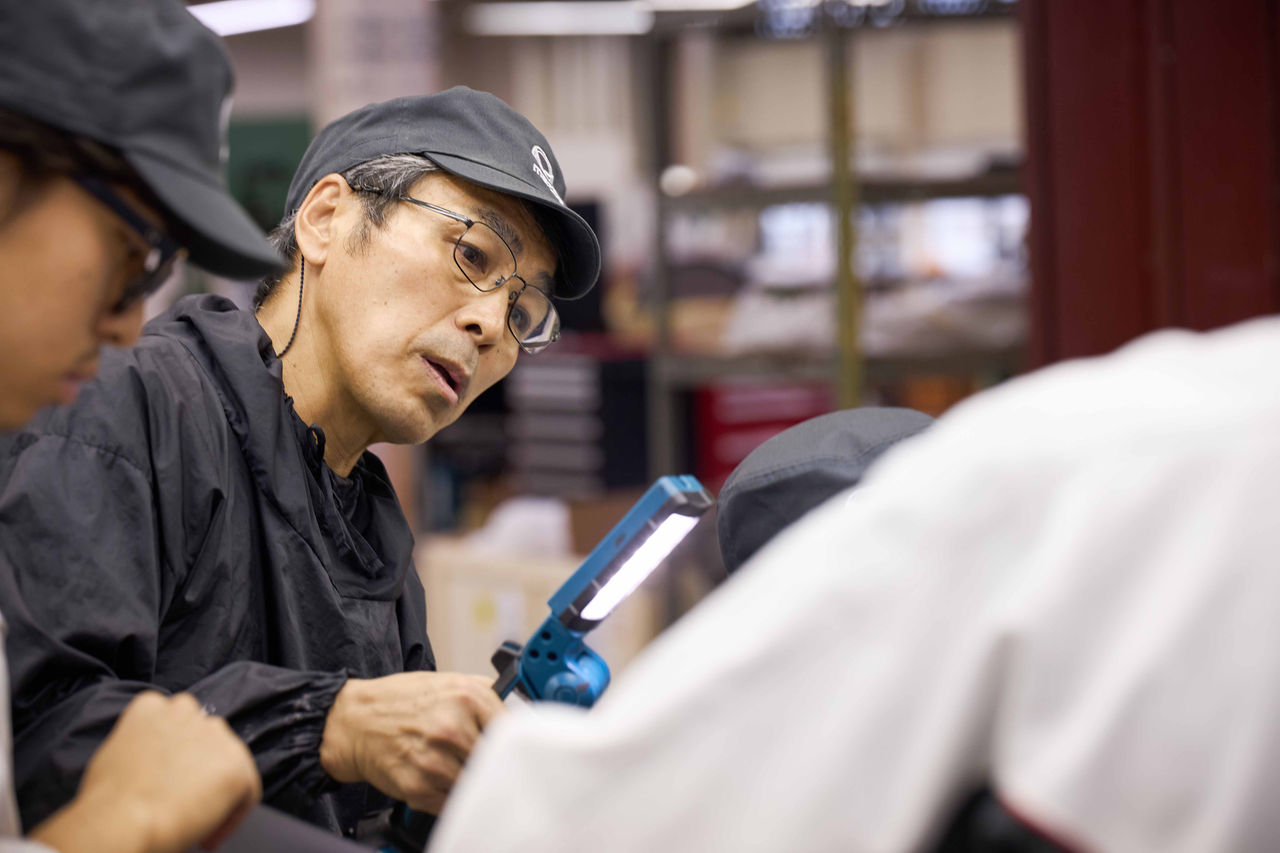
藤木(左)をはじめとするベテランモデラーのアイディアに耳を傾ける安富(中央)

Yasutomi (center) listens carefully as Fujiki and other experienced modelers discuss ideas (left).

Fujiki:

At Mazda, we get young people involved early. They learn through experience, including making mistakes.


I always tell early-career members not to hold back. I want them to value the spirit of trying rather than saying they can't do something. That's why we have early-career modelers like Yasutomi who keep challenging themselves with new things.

Hashimoto:

When mentoring early-career modelers, I'm always conscious of balancing freedom with responsibility. I teach the basic rules, but I respect each person's individuality. I think it's important for everyone to find their own way of working as early as possible.

若手社員からベテランの匠まで、幅広い世代のメンバーで構成されたチームを牽引した橋本。

Hashimoto led the team assembled from early-career modelers and experienced Takumi.


Yasutomi:

When the development hit rough patches and we couldn't find solutions, I was always encouraged to try and find a way out myself, even if there was only a tiny lead. Having an environment where early-career members can propose ideas and actually build and test them is really valuable.

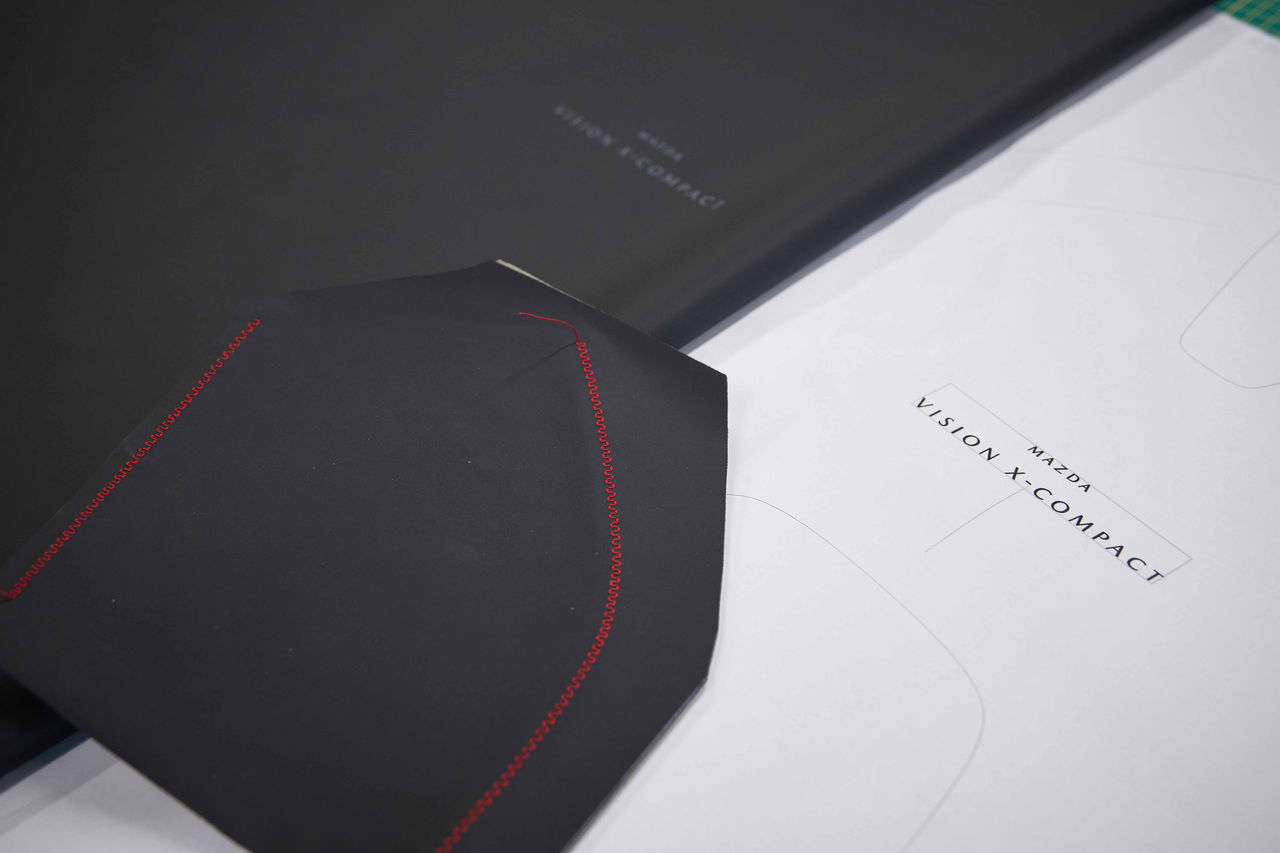
The Mazda Vision X-Compact seat features striking red stitching that complements the body color, Viola Red. This is not a functional seam, but decorative embroidery added as a design element. Yasutomi, you handled this embroidery work. What can you tell us about this process?

The striking red stitching was deliberately added as a design element.

Yasutomi:

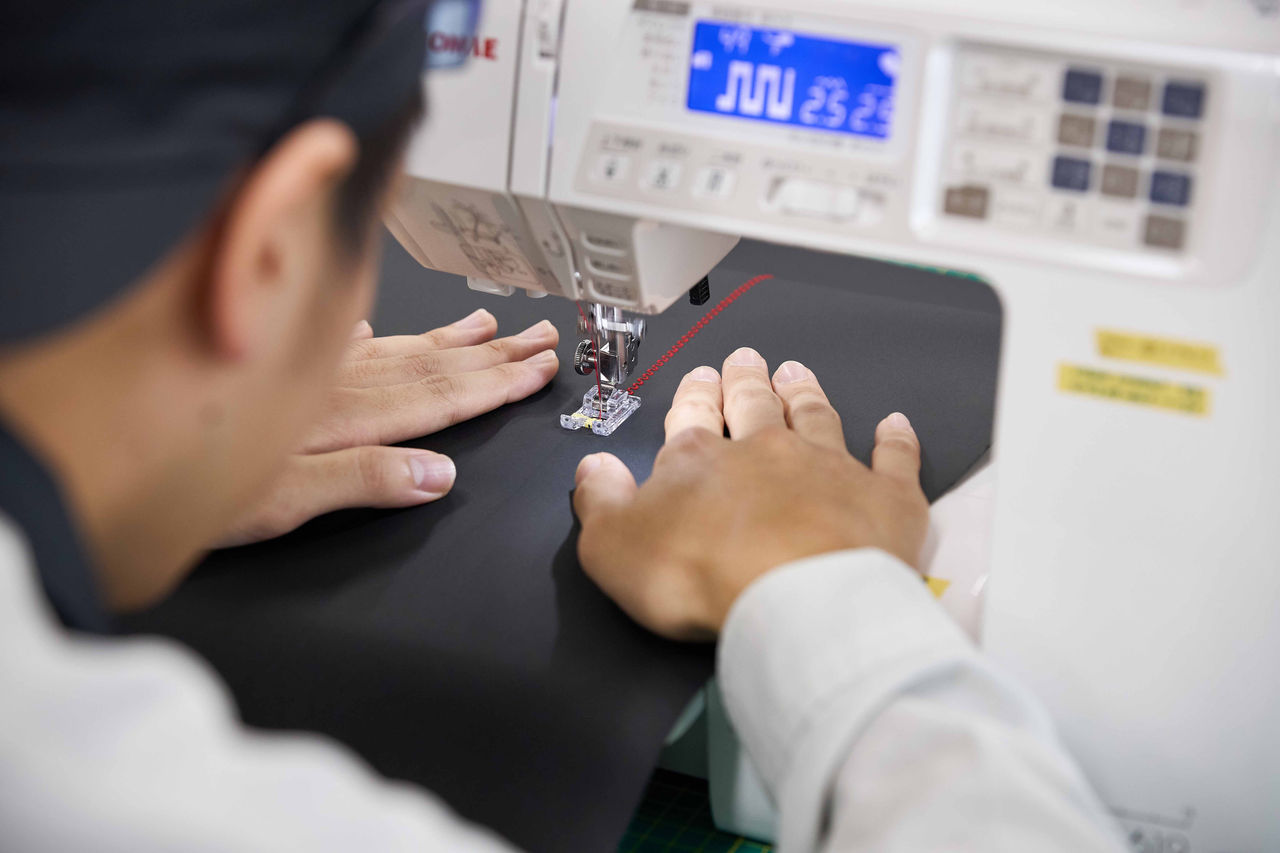
We used fashion design software with the capability to unfold 3D data into 2D patterns. With it, we could simulate embroidery placement and fabric tension, checking how the fabric would stretch and where the stitches would land.

This meant we could plan placement digitally, and finish with human intuition and judgment.


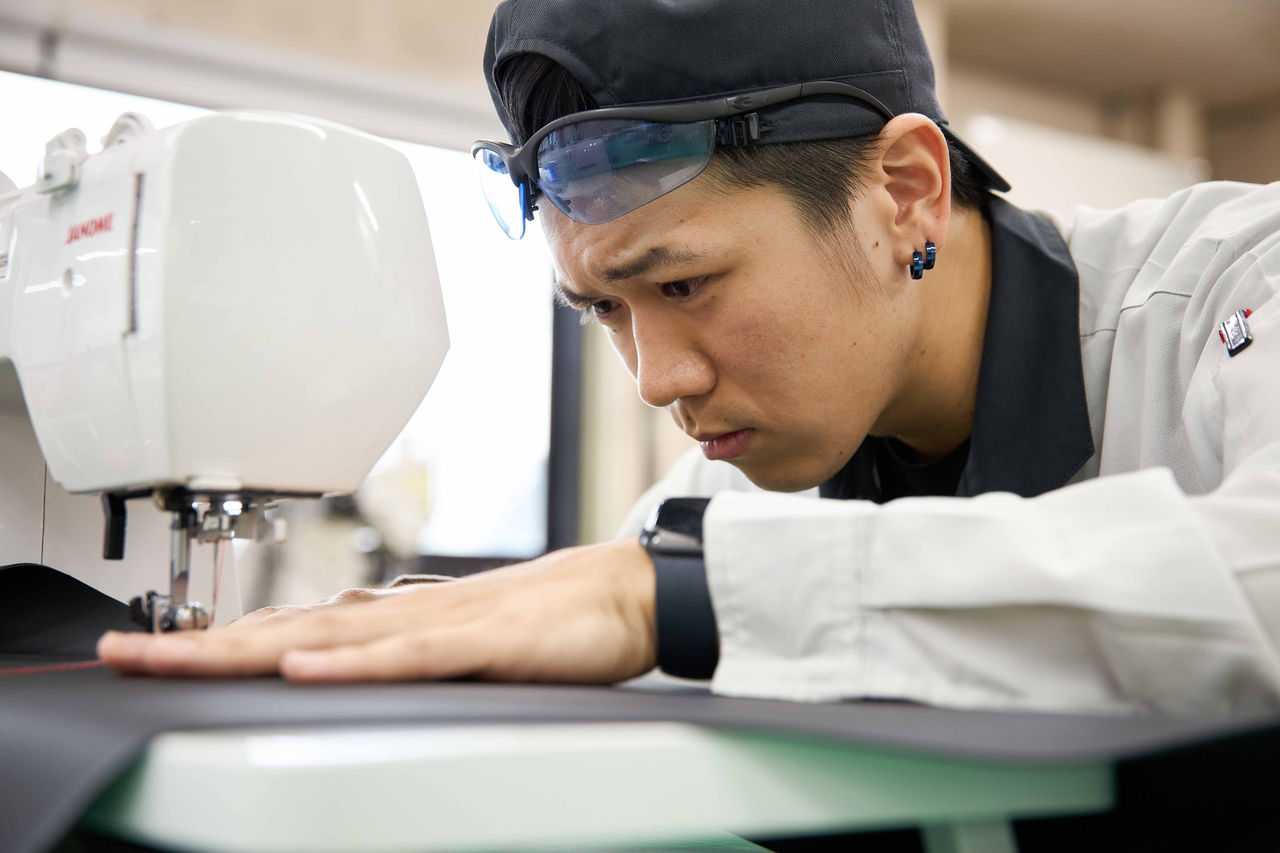
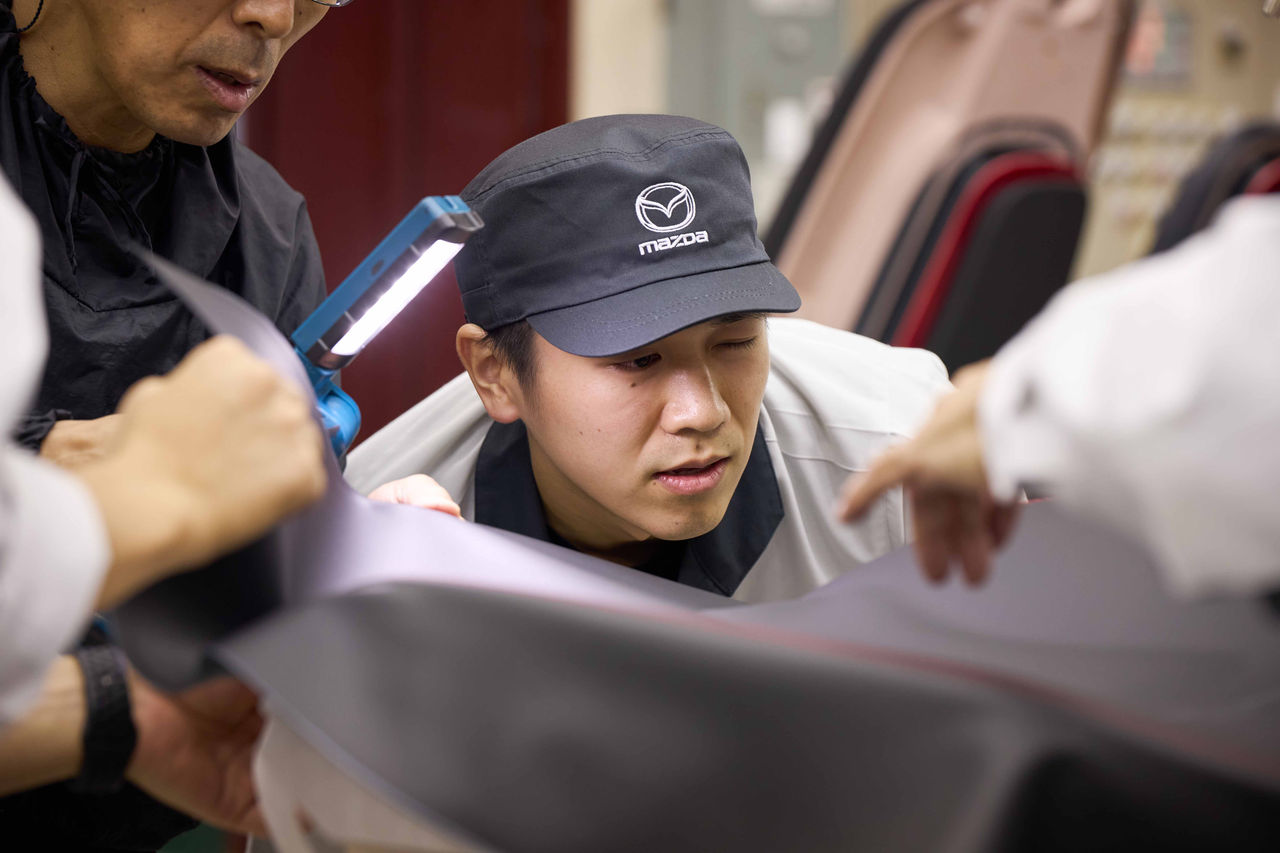
But when it came time for the actual stitching, we couldn't put guide marks on the fabric. I had to embroider stitch by stitch with perfect accuracy, working entirely by feel. If the stitch position shifted even slightly, the whole design would fall apart. I was really nervous when I began.


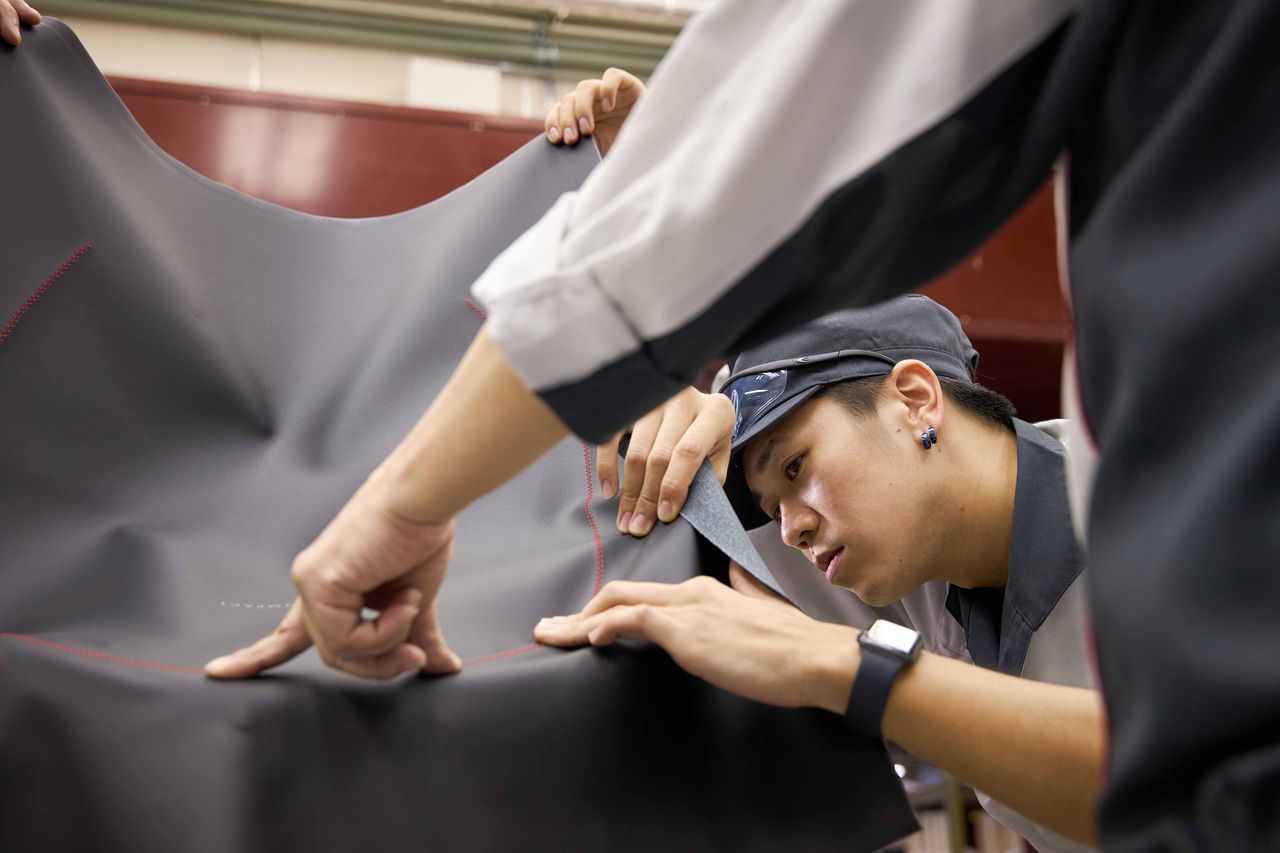
No room for error, Yasutomi focuses intently as he guides the sewing machine needle into the seat fabric.

Fujiki:

The seat’s stitching isn't there to join pieces together, it's purely decorative. This means every single stitch has to stay perfectly straight from start to finish, with the beginning and end lining up exactly.


The younger generation picks things up quickly and knows how to work efficiently with the latest digital tools. Watching them work with this technology is always inspiring.


But the final finish still comes down to the human hand. That’s why you need both tradition and innovation to be a real modeler. That's what Mazda craftsmanship is built on.


This seat brought digital technology and craftsman intuition together perfectly. You need both: fresh thinking from early-career people and deep experience from the shop floor. That's how you create something truly excellent.

Checking the finished stitching.

 "I want early-career staff to grow without holding back," says Fujiki (left).

Breathing Life into the Seat: One Chance to Get It Right

Hashimoto:

This seat had a complicated structure, and we had very little time to complete it.

With the schedule so tight, the team members who worked on the project early on analyzed every detail, from how the parts fit together to the assembly process, and recorded it all on video. Using that as our guide, the entire team worked together to build and assemble the front and rear seat parts.


I really feel that everyone who contributed to this project passed on knowledge and effort that carried us forward. 


This project clearly encapsulates a culmination of knowledge and passion for craftsmanship. The fabric had to be applied in a single attempt, how did you prepare for that?

Fujiki:

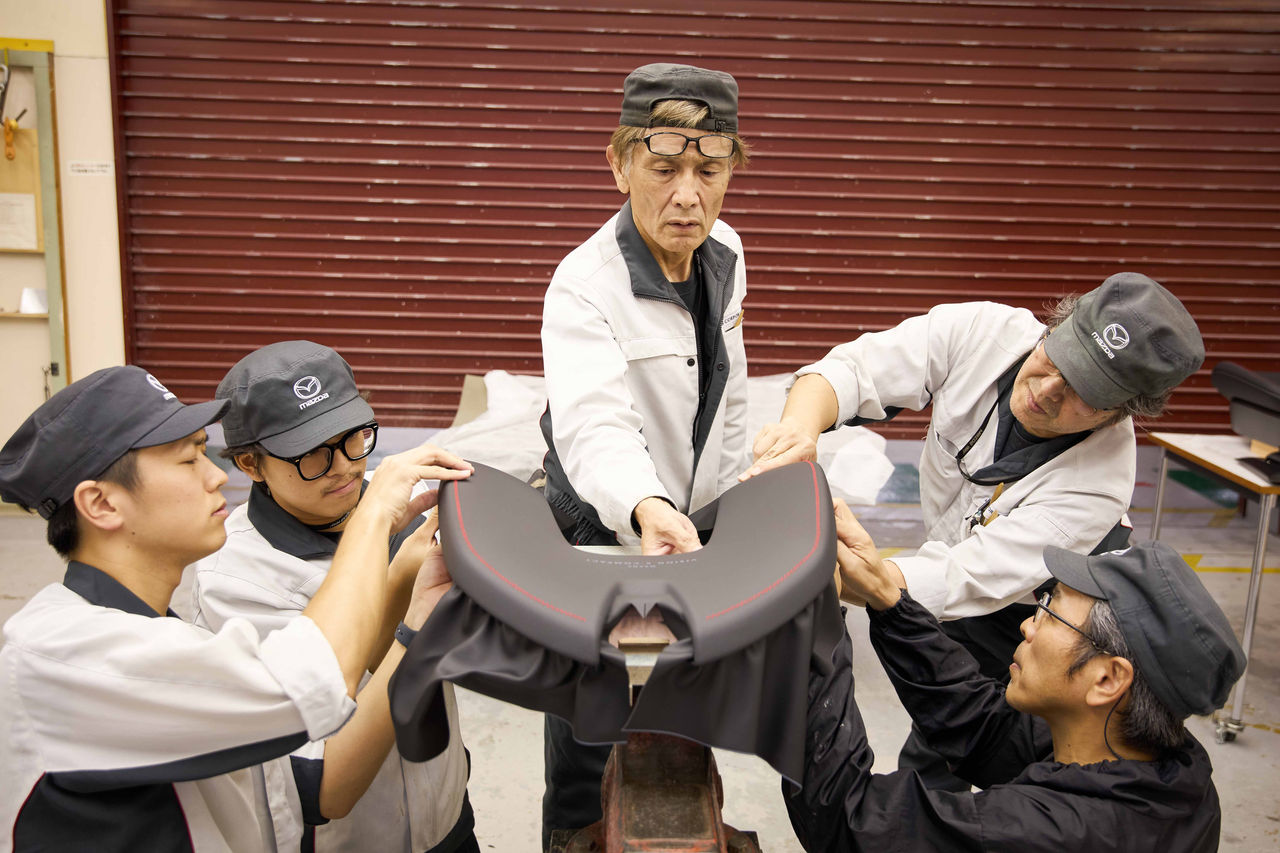
The center section of the seat was especially difficult. This area had different requirements from other parts, so we needed to find a completely new approach. Through repeated testing with the team, we realized we had to apply the fabric with uniform tension across the entire seat. Pulling it in sections would create wrinkles no matter what we did.


Before the actual attempt, the entire team practiced the application process as a test run. We confirmed the technique and discussed improvements. With that knowledge in hand, we finalized our procedure and then went for it.


We only had one chance. We couldn't afford to fail.


The pressure was constant, but we stayed in sync, calling out, reading each other's moves. Everyone knew instinctively what to do and adjusted on the fly. It came together because of the experience and trust we've built on the shop floor. True teamwork.
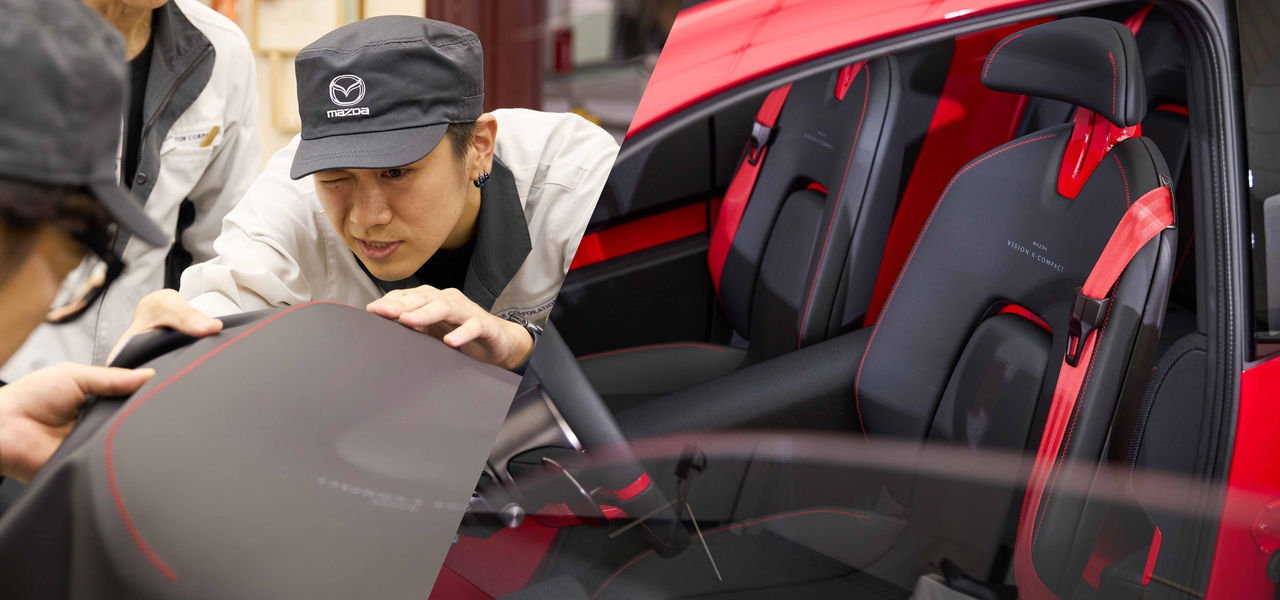
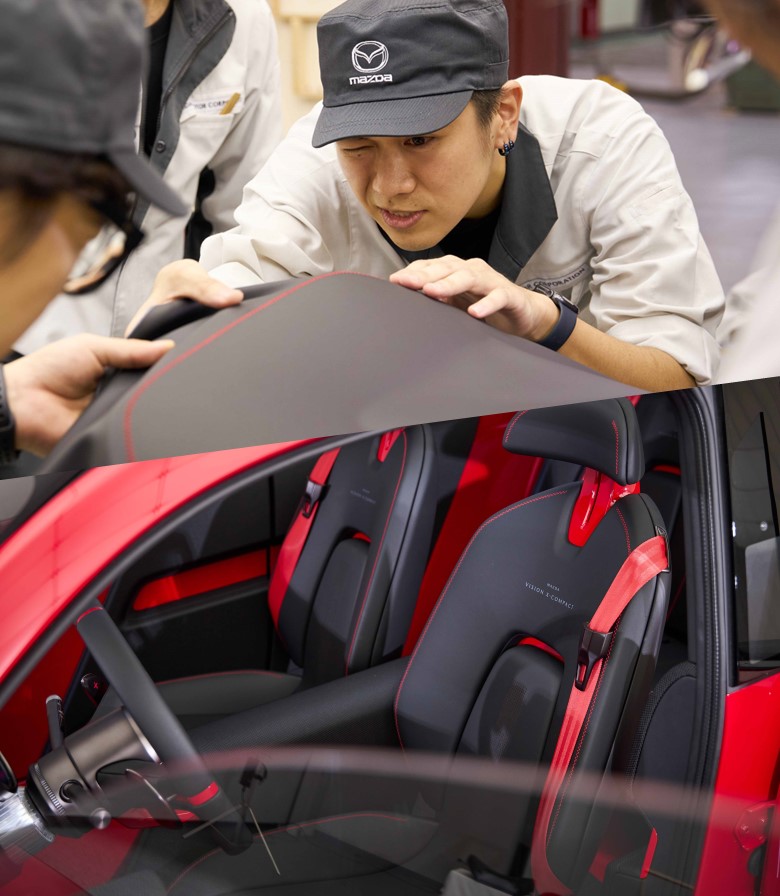
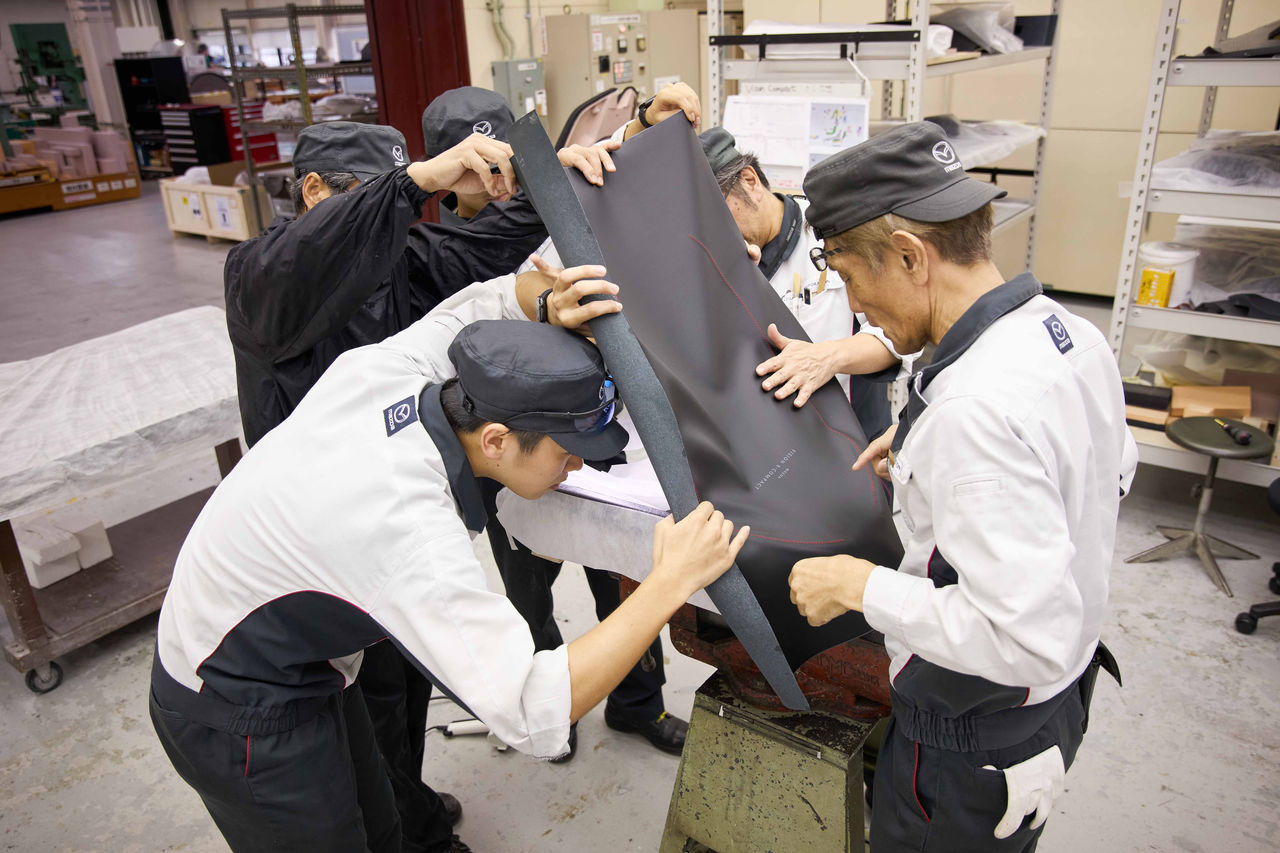
The team applies the seat fabric under intense pressure. Like a surgical procedure, the work is all done by hand with zero margin for error.

With zero room for error, the process must have been incredibly tense. How did you all feel when you successfully applied the fabric?

Yasutomi:

The moment we finished, the tense silence broke and everyone's faces instantly lit up with relief and joy. I'll never forget that sense of relief and accomplishment. That moment on the shop floor created a bond across generations.

Fujiki:

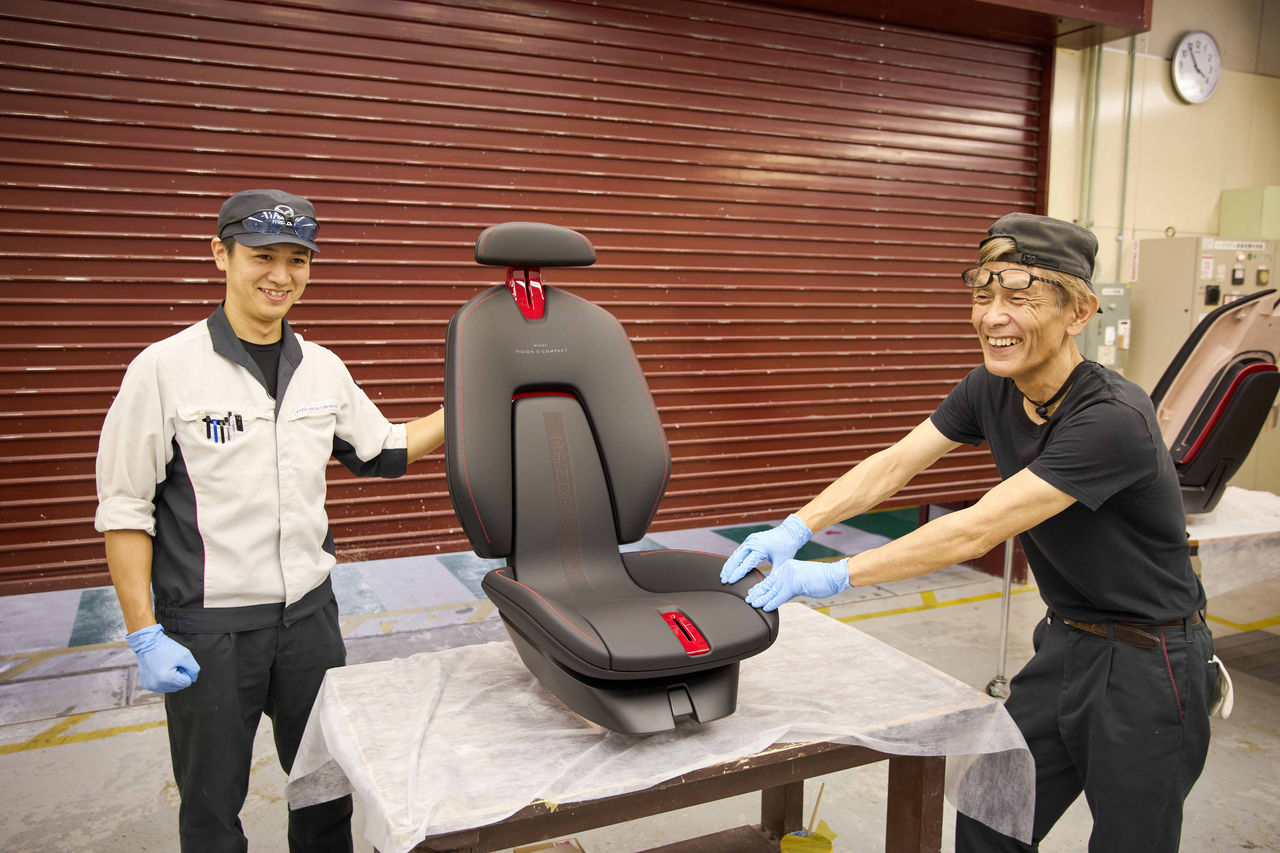
Later, when I looked back at the photos from that day, I realized I had this huge smile on my face. No matter how many years you do this, you still get a sense of relief when you complete the task. All that tension released at once, and there I was, just genuinely happy.

With the fabric application task done, Yasutomi (left) and Fujiki (right) beam with satisfaction at the completed seat.

When the completed Mazda Vision X-Compact was displayed at Japan Mobility Show, what kind of reactions did you see from visitors?

Fujiki:

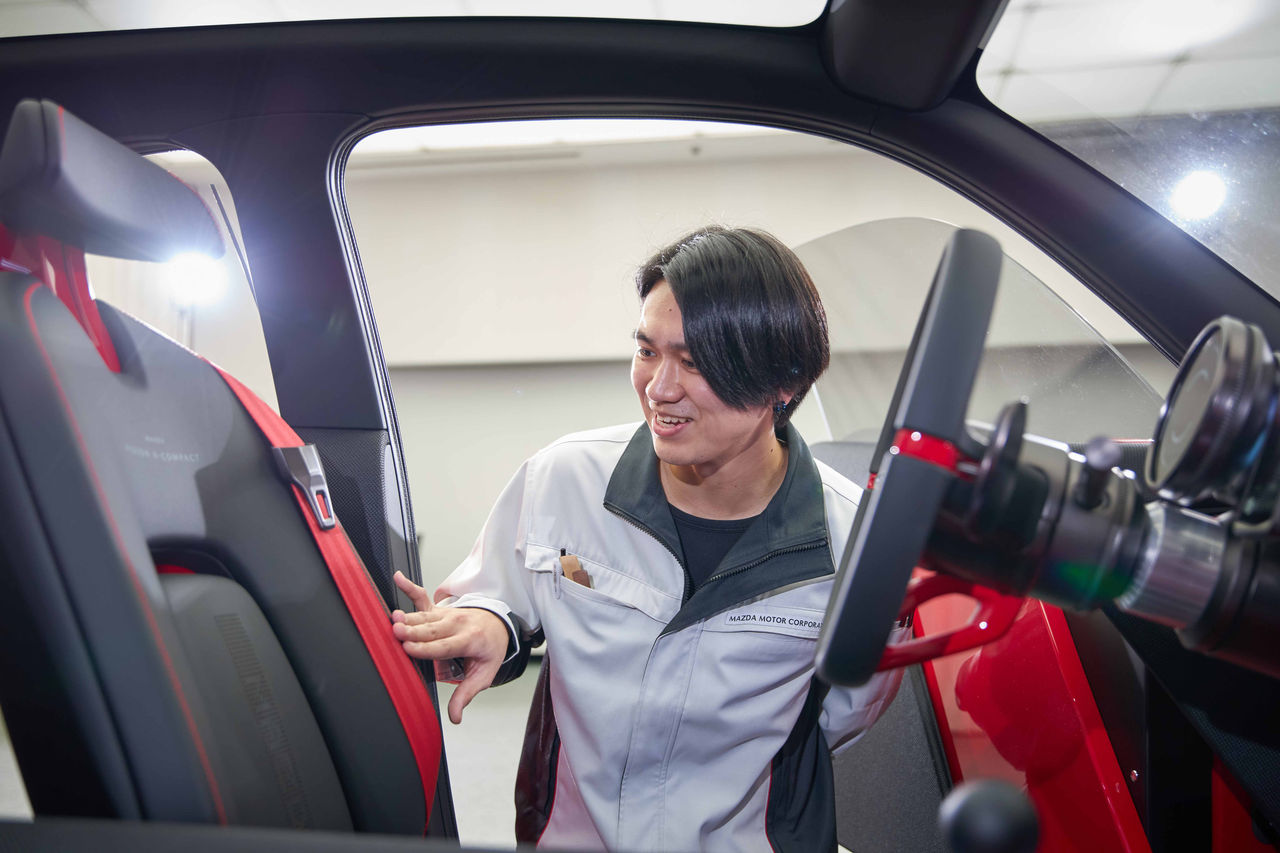
The moment people opened the door, some stopped with smiles on their faces, others moved closer to get a better look at the interior, and some just stood there gazing at it. Many people showed real interest. Seeing those reactions, I felt that the interior design's appeal reached people across all ages and genders.

Takahashi:

We got comments about the playful touch of the glossy red frame you can glimpse inside, and the Mazda lettering subtly hidden in the center band of the seat. People said it was cute and fun.


What I always value most is that customers feel the joy of driving when they get in a Mazda, and that it makes their daily lives richer. This vision model expresses that goal in its purest form.


It would make me really happy if people picked up on that, and I plan to take every bit of customer feedback and apply it to future creations at Mazda.


Looking back on the development process with the completed Mazda Vision X-Compact in front of you now, what are your thoughts after finishing this major project?

Takahashi:

I really feel the high level of Mazda's craftsmanship. The ideal I envisioned took shape through the hands of these Takumi. The quality truly amazed me.


I want to treasure the learning and experience I gained through creating this vision model, and apply it properly to the production models we deliver directly to customers. That's my role going forward.

Hashimoto:

I had doubts at the beginning, but the moment this seat was completed, those doubts turned into genuine pride. We proved we can tackle projects like this. Mazda's in-house technical capabilities are alive and well, and that confidence is firmly rooted now.


We achieved this through cross-generational collaboration under difficult conditions. I hope we can pass what we’ve learned onto the next generation and that our early-career members become the ones leading the way, demonstrating their talents and skills, and passing them on to those who follow.

Fujiki:

Mazda's hard modelers form an unbroken line of Takumi, a tradition passed down through generations. Masters in our fields, we push each other to get better, sharpening each other’s skills to bring the vision to life. This culture is impossible to replicate, and one that runs deep at Mazda.

Yasutomi:

I want to carry forward the never-compromise attitude that our senior colleagues embody. And someday, when I've developed to become a Takumi myself, I want to pass that same message on to those who come after me.


After the interview, the team poses for a photo in front of the Mazda Vision X-Compact.


From the Editorial Team


The designer envisioned a single-piece fabric seat. The Takumi team of modelers answered that vision with refined skill and creative problem-solving. This project captures two forms of co-creation that drive Mazda's craftsmanship.


First, designers and modelers crossed disciplines to pursue a single vision of beauty. Neither side compromised; instead, they continued exploring possibilities, and together they made the seemingly impossible real. Second, experienced and early-career members worked across generations, combining years of hands-on expertise with fresh digital sensibilities.


Their absolute commitment to quality and constant drive to improve showed us both the strength of Mazda's in-house capabilities—rooted in tradition yet continually evolving—and the future possibilities ahead.


MAZDA | JAPAN MOBILITY SHOW 2025

×
Share
  • X
  • Facebook