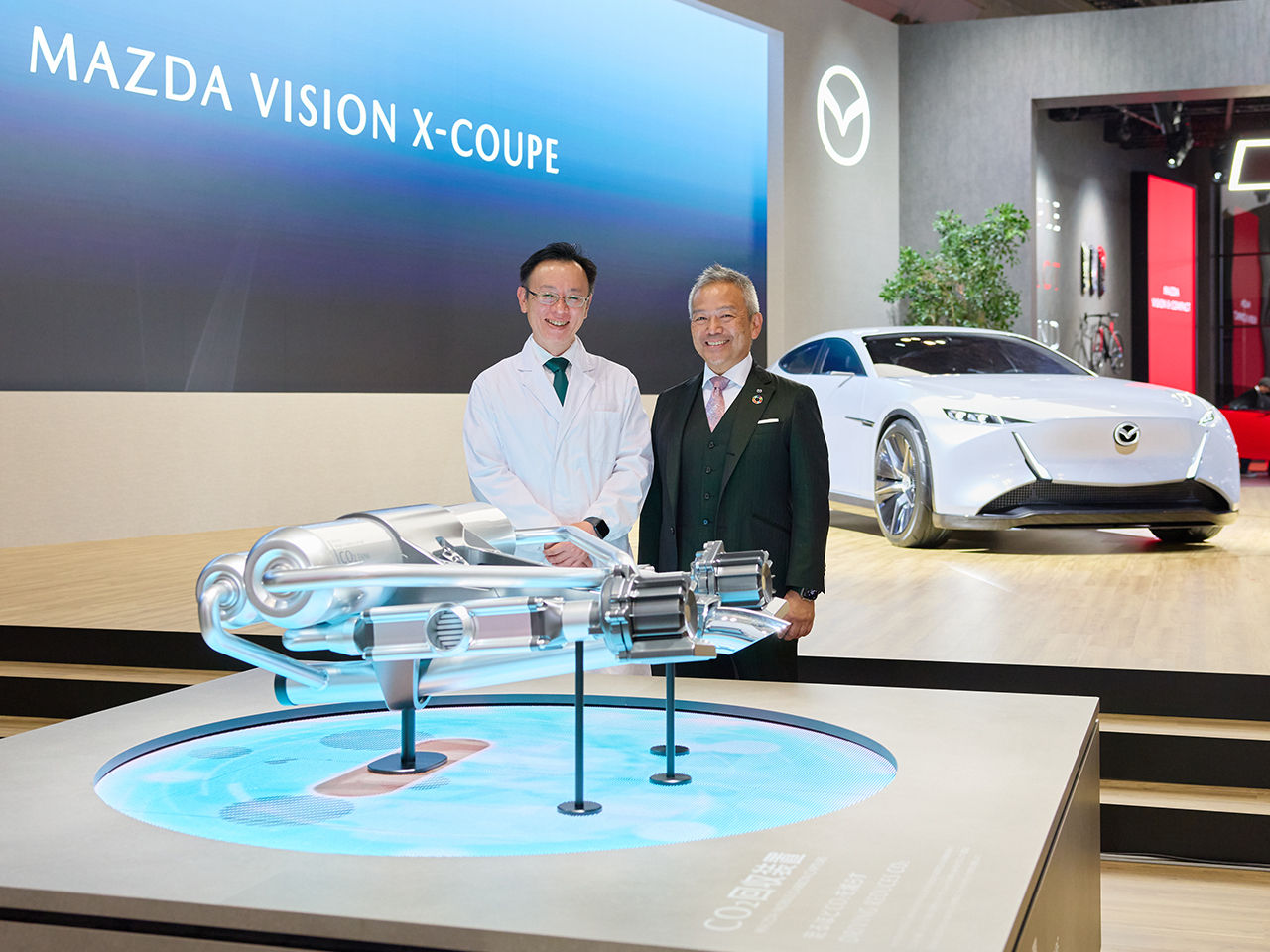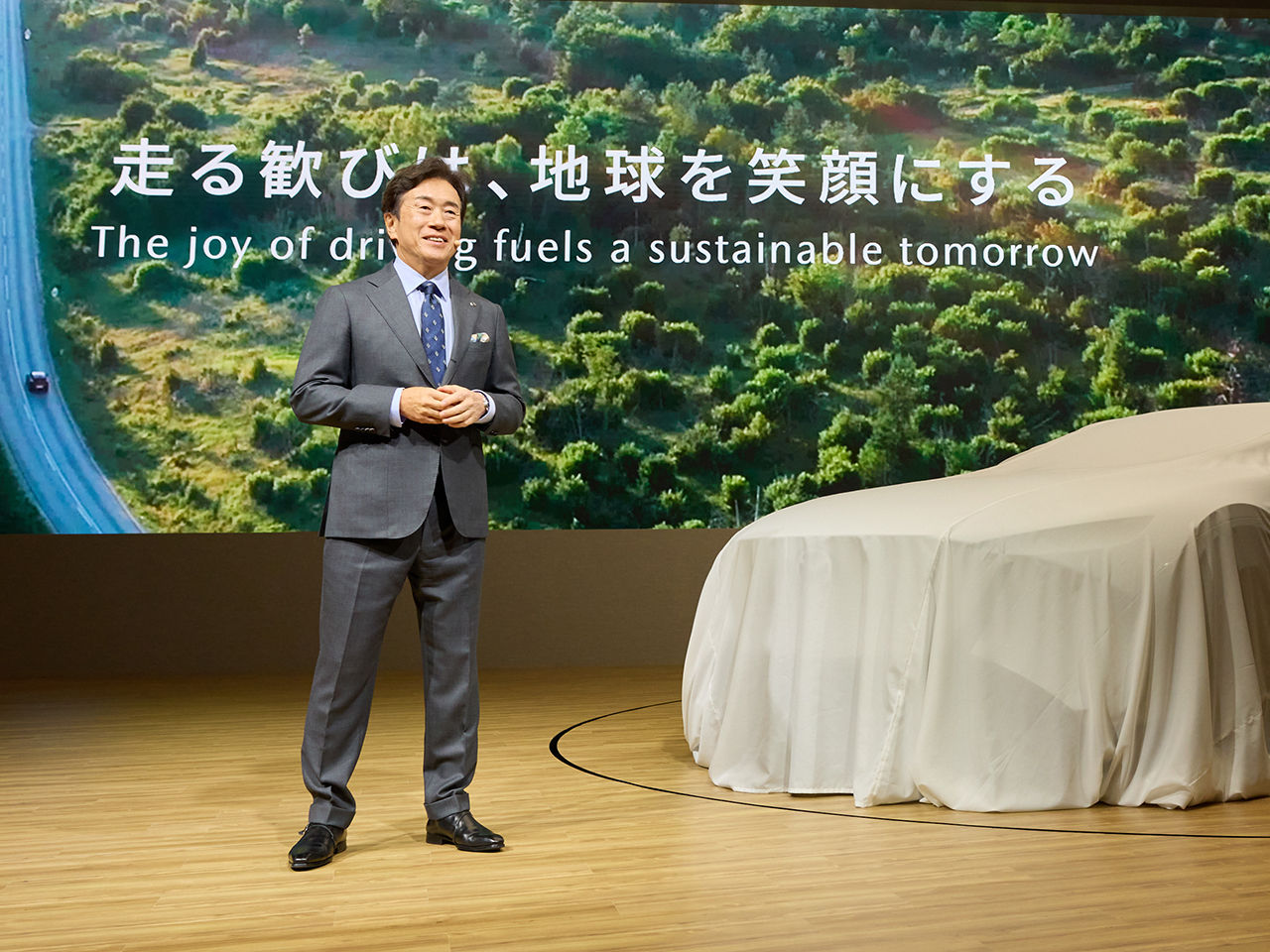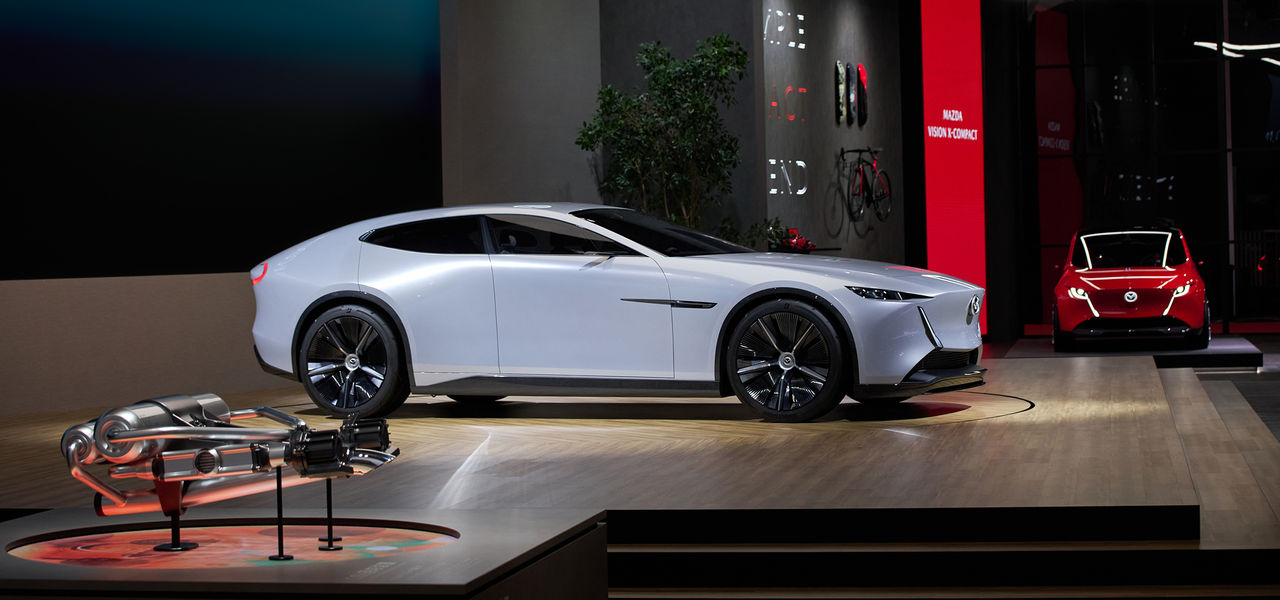
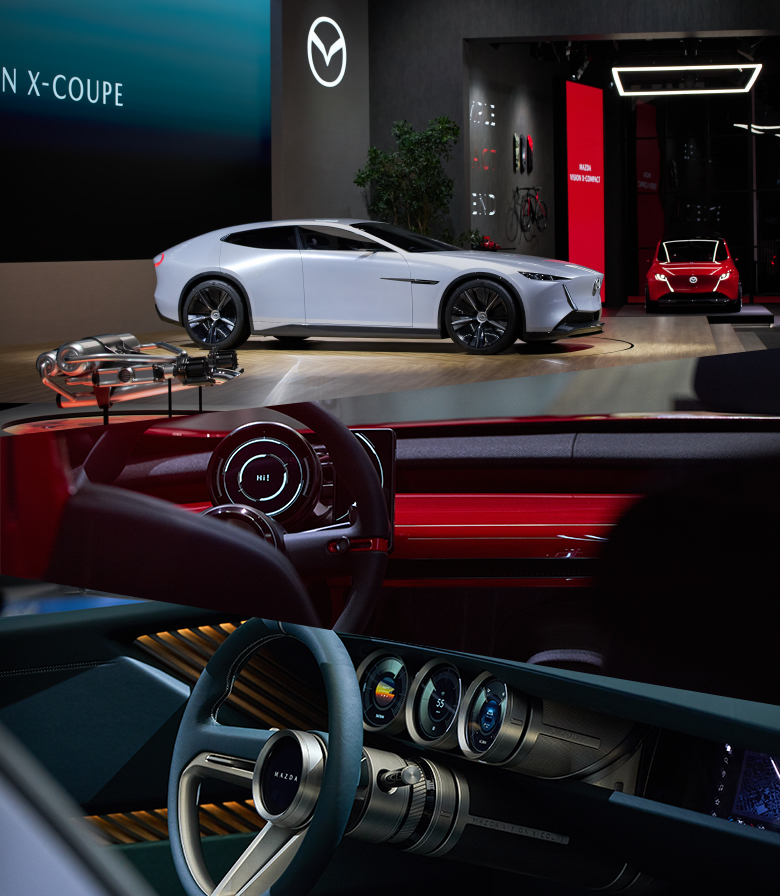
At Japan Mobility Show 2025, held October 30 through November 9 at Tokyo Big Sight, Mazda unveiled two vision concept cars: the Mazda Vision X-Coupe and Mazda Vision X-Compact. Together, they represent the next chapter of Kodo design, Mazda’s signature design philosophy, exploring new depth and creative range. Our editorial team sat down with three leaders behind these vehicles: Ikuo Maeda, Executive Fellow of Brand Design, who directed both projects; Norihito Iwao, General Manager and Chief Designer of the Advance Design Studio; and Eiji Kimoto, the newly appointed General Manager of the Design Division . Their insights, along with perspectives from the designers and modelers who brought these cars to life, reveal what gives design the power to enrich people’s lives and where Kodo design is heading next.
2025.12.18
Two Lights Illuminating the Future of Kodo Design: Mazda’s Vision Models Point the Way
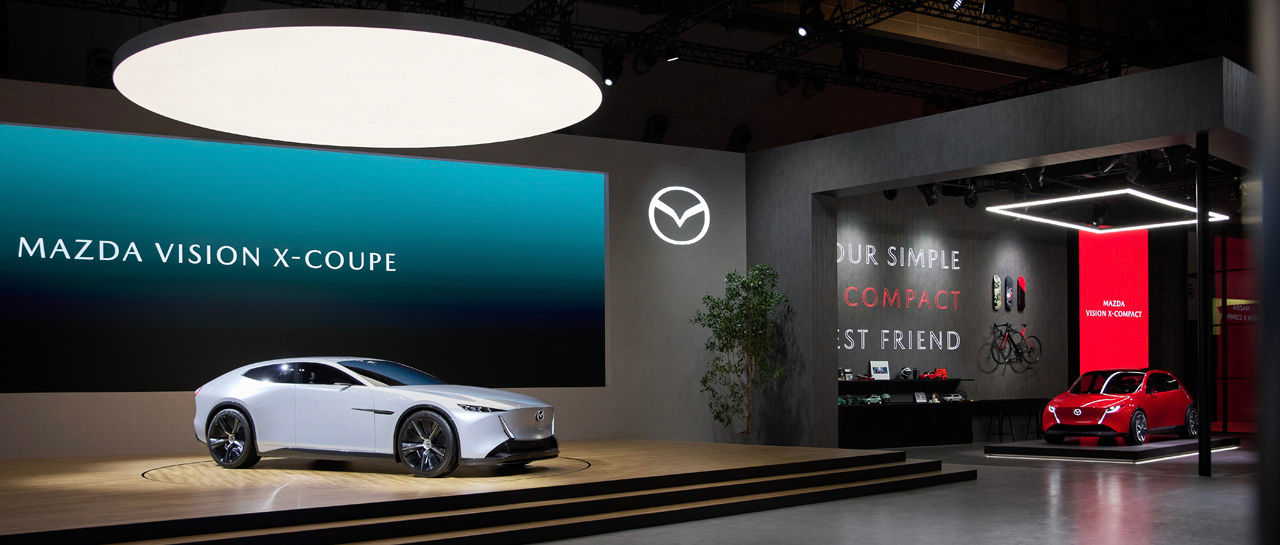
At Japan Mobility Show 2025, where Mazda’s exhibition shared the inspiring message of “The Joy of Driving Fuels a Sustainable Tomorrow,” two vision models captured visitors’ attention. These were not design samples created just for the show. These two models serve as clear guidelines for the direction of Mazda cars in the years ahead, and as symbols declaring that Kodo design, the philosophy Mazda has championed since 2009, has entered a new phase.
The Evolution of Kodo Design and New Creative Possibilities
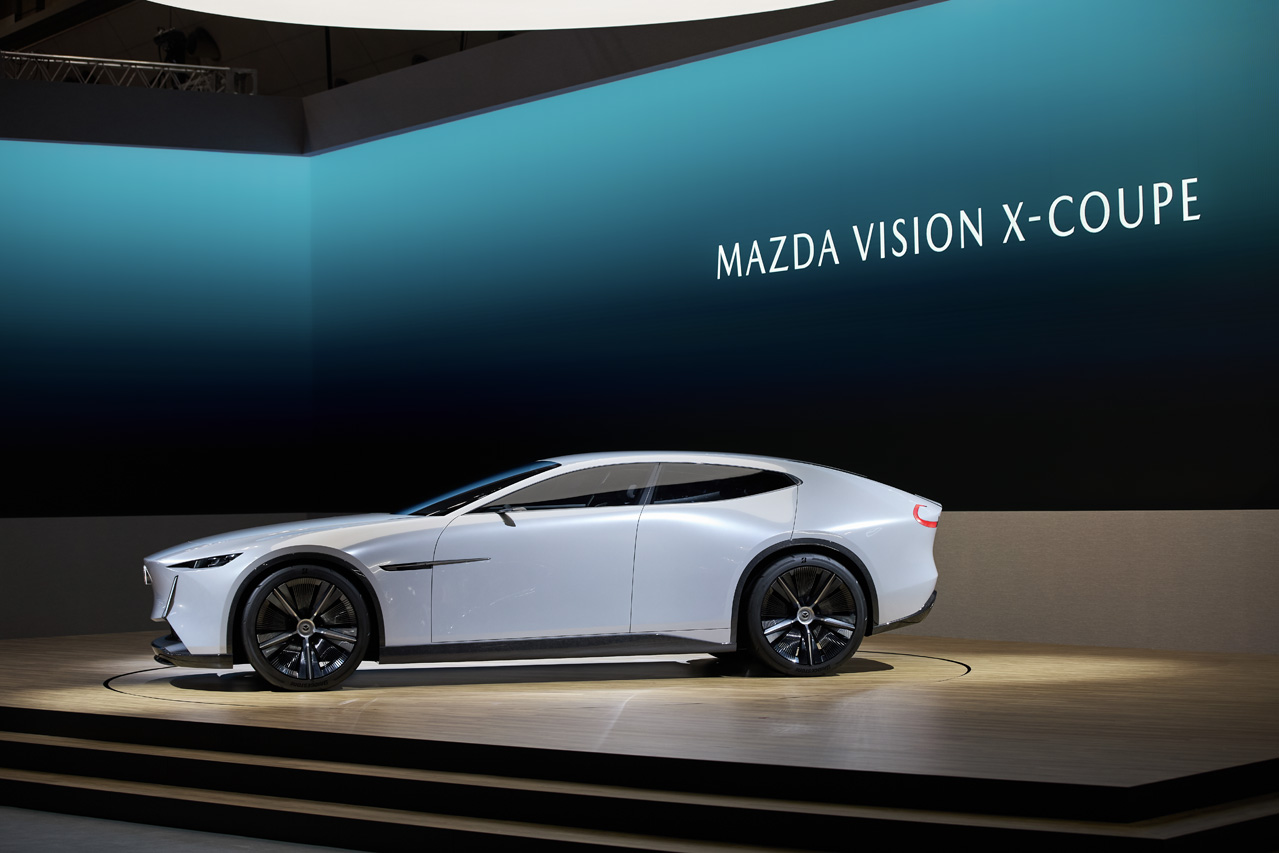
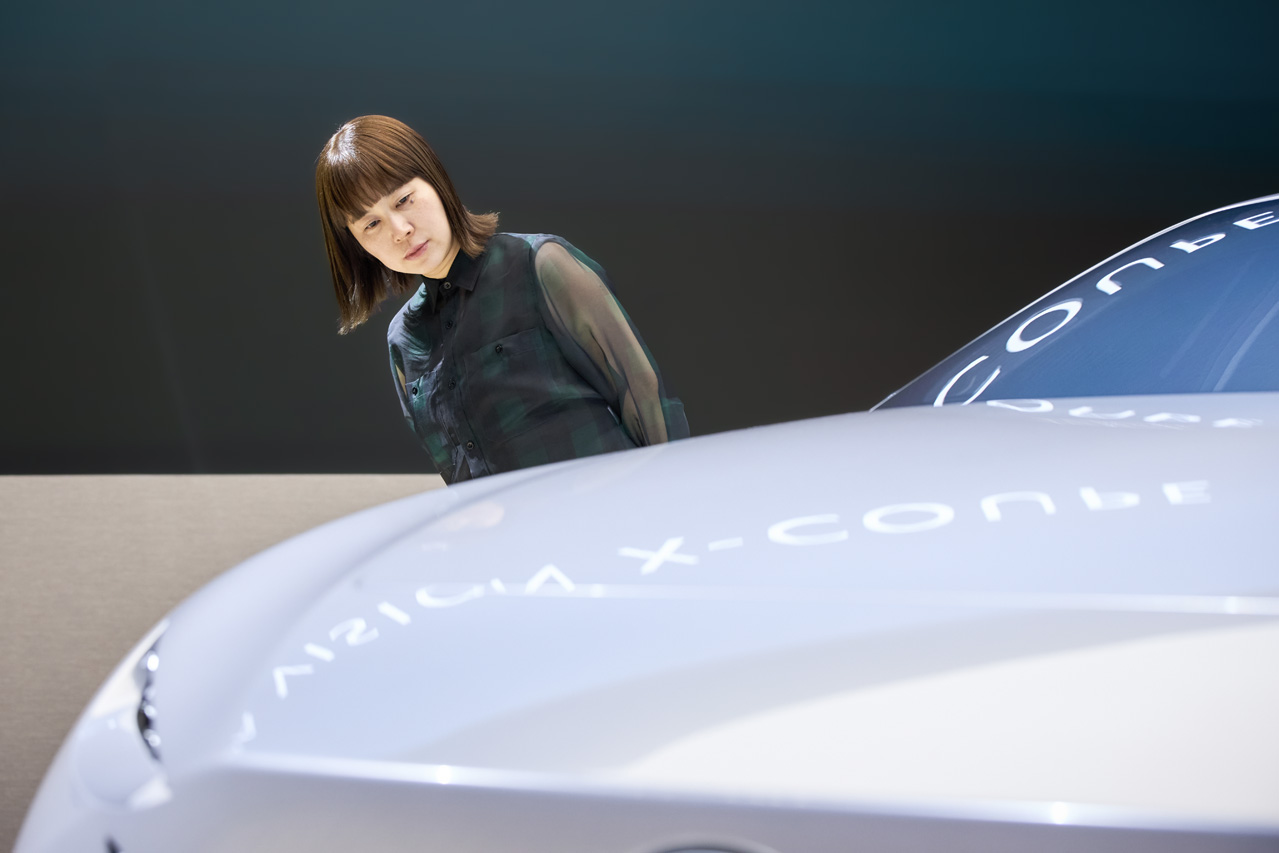
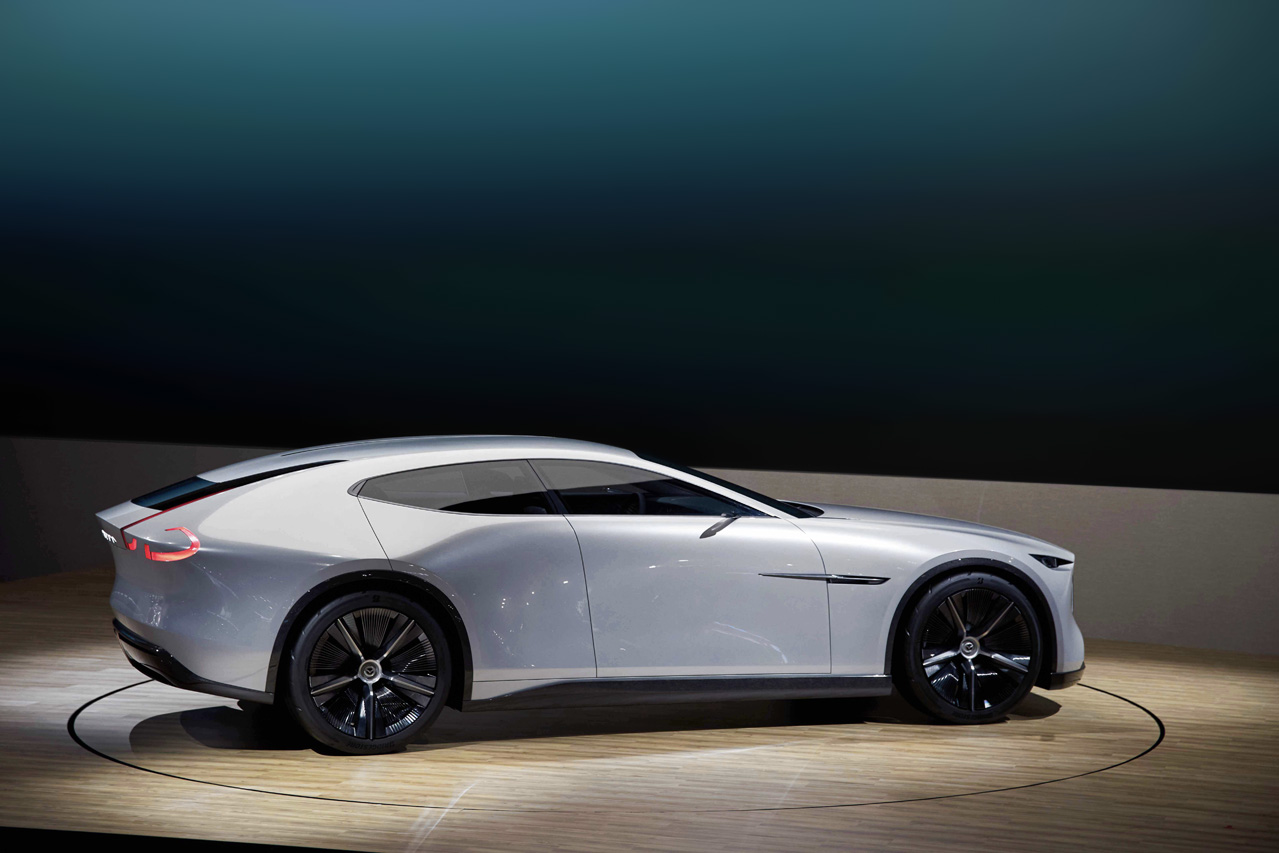
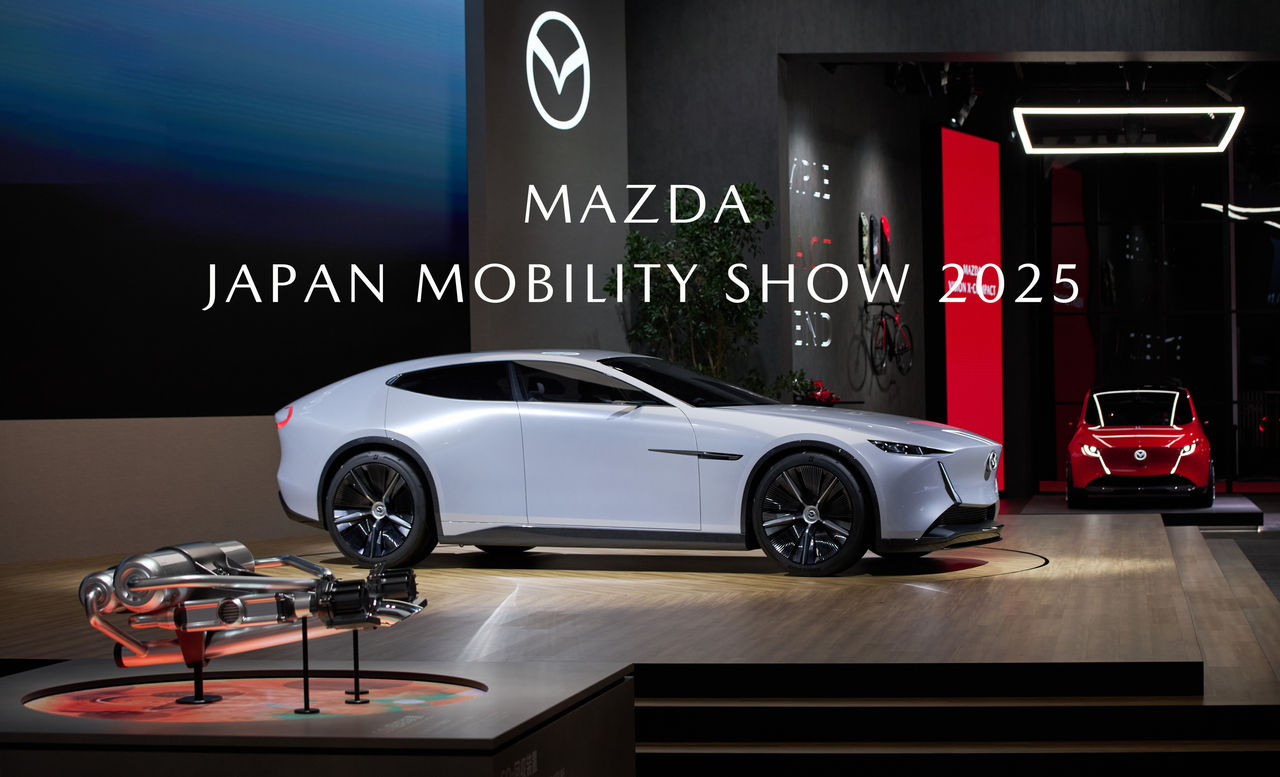
The Mazda Vision X-Coupe takes the “less is more” philosophy that has guided Kodo design in recent years to its fullest expression. Building on Mazda’s attention to how light reflects off body surfaces, the concept pursues a new approach: rather than shaping surfaces to move light, it lets light follow the strength and beauty of the car’s underlying structure. This design concept, named “Solid Move,” expresses dynamism across the entire vehicle, not just the body sides.
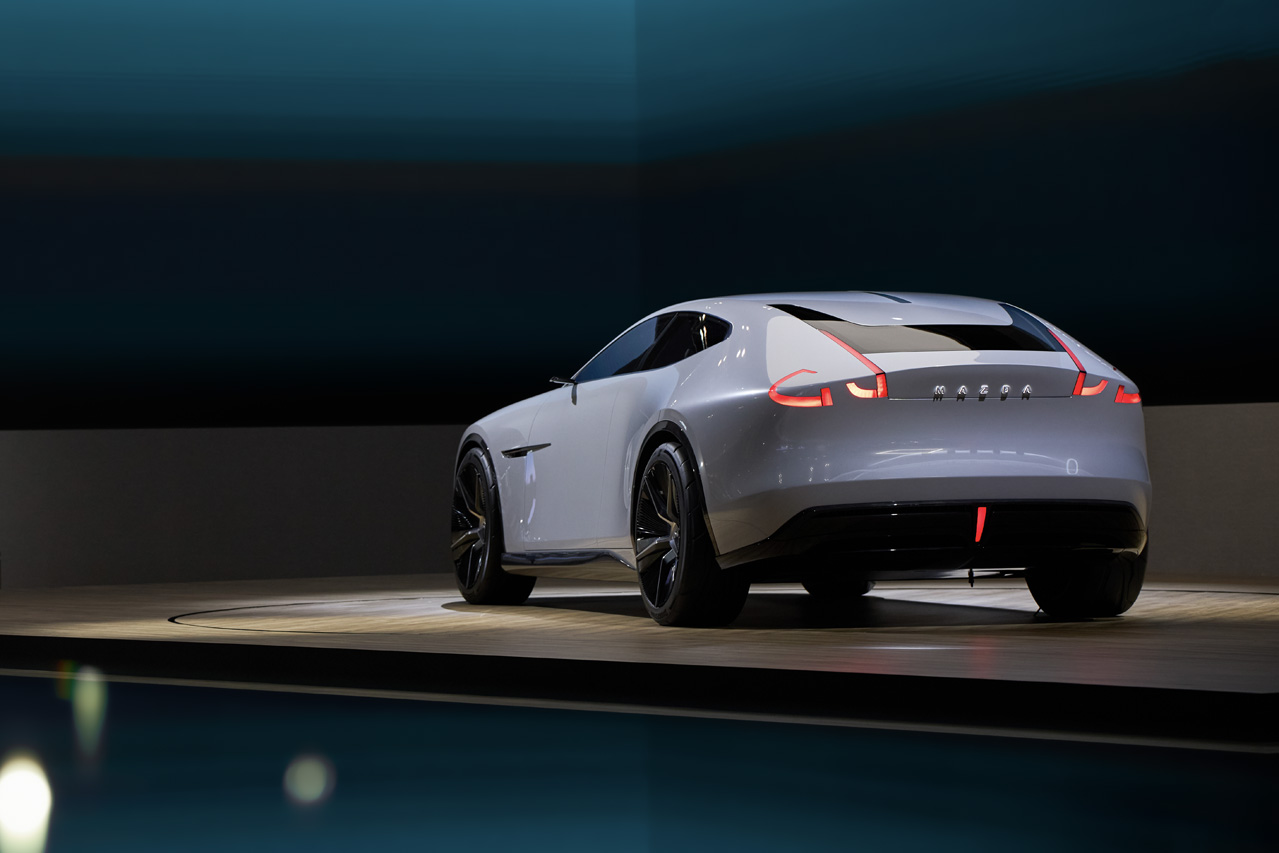
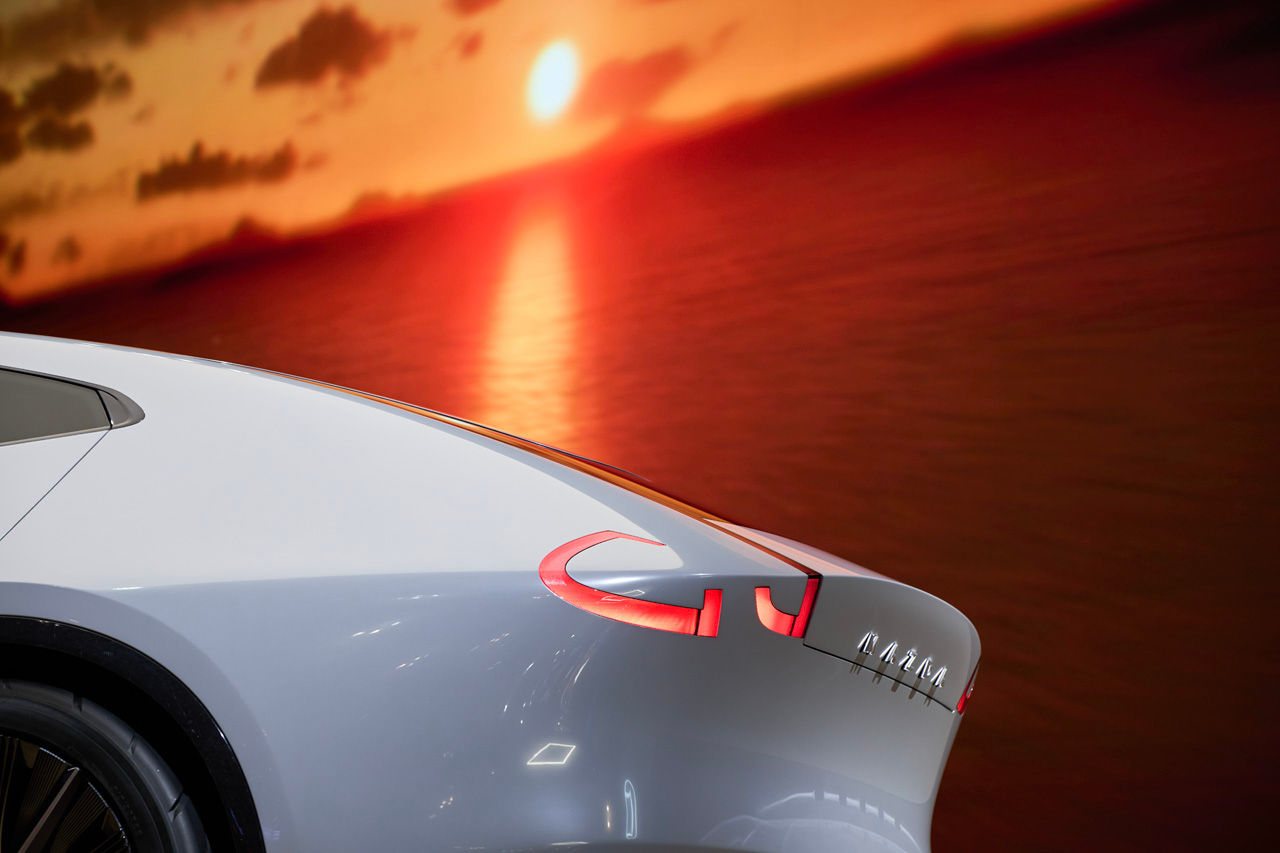
The overall silhouette and form convey a distinctive, powerful sense of movement and solid strength. Like the front, the rear centers on bold three-dimensional shapes, with the lights designed as part of the form itself.
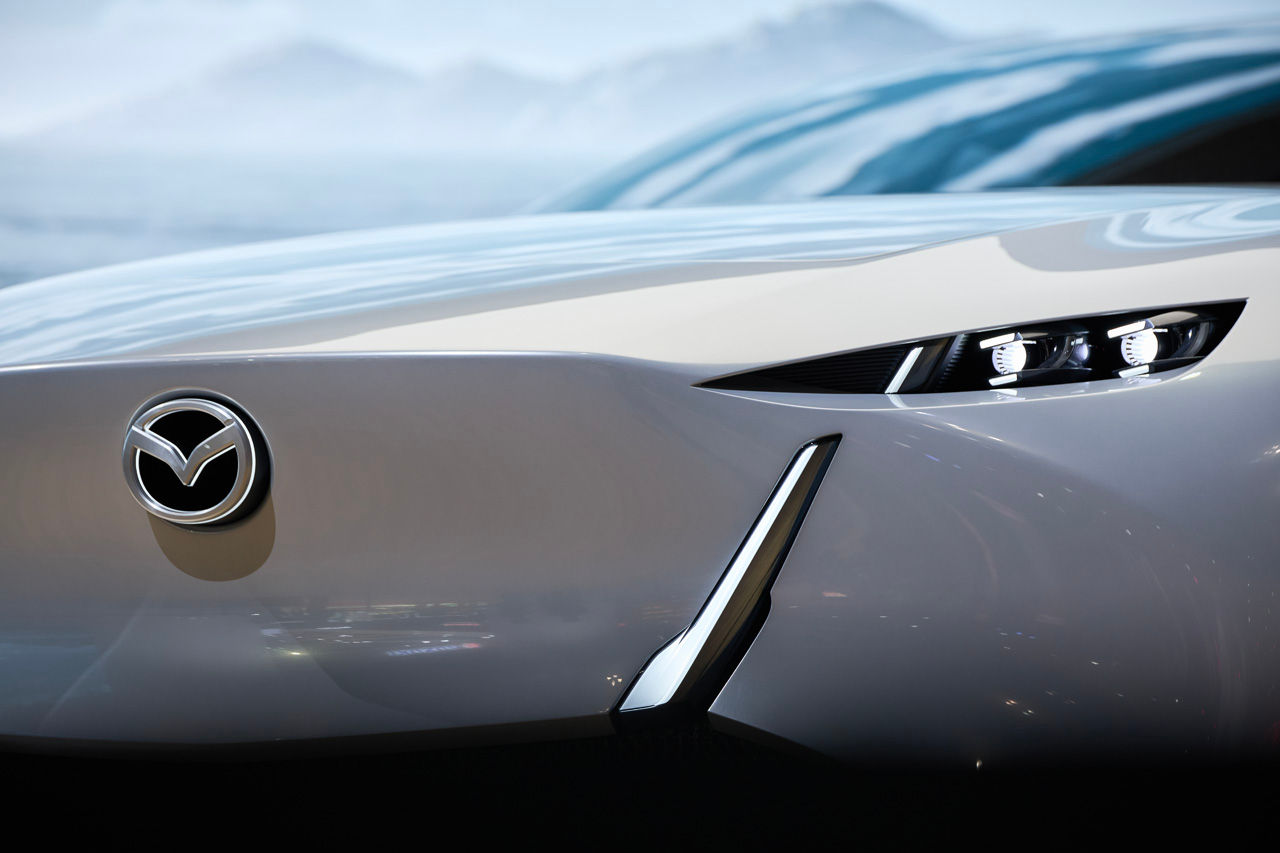
A seamless face, new grille, and bold three-dimensional expression present a fresh take on Mazda’s brand identity. The lighting signature contributes to weight reduction and aerodynamics. The body color, which may appear white at first glance, is a newly developed “Glass Silver.” This next-generation paint combines the hardness of metal with a sense of transparency, creating a vivid, alluring finish.
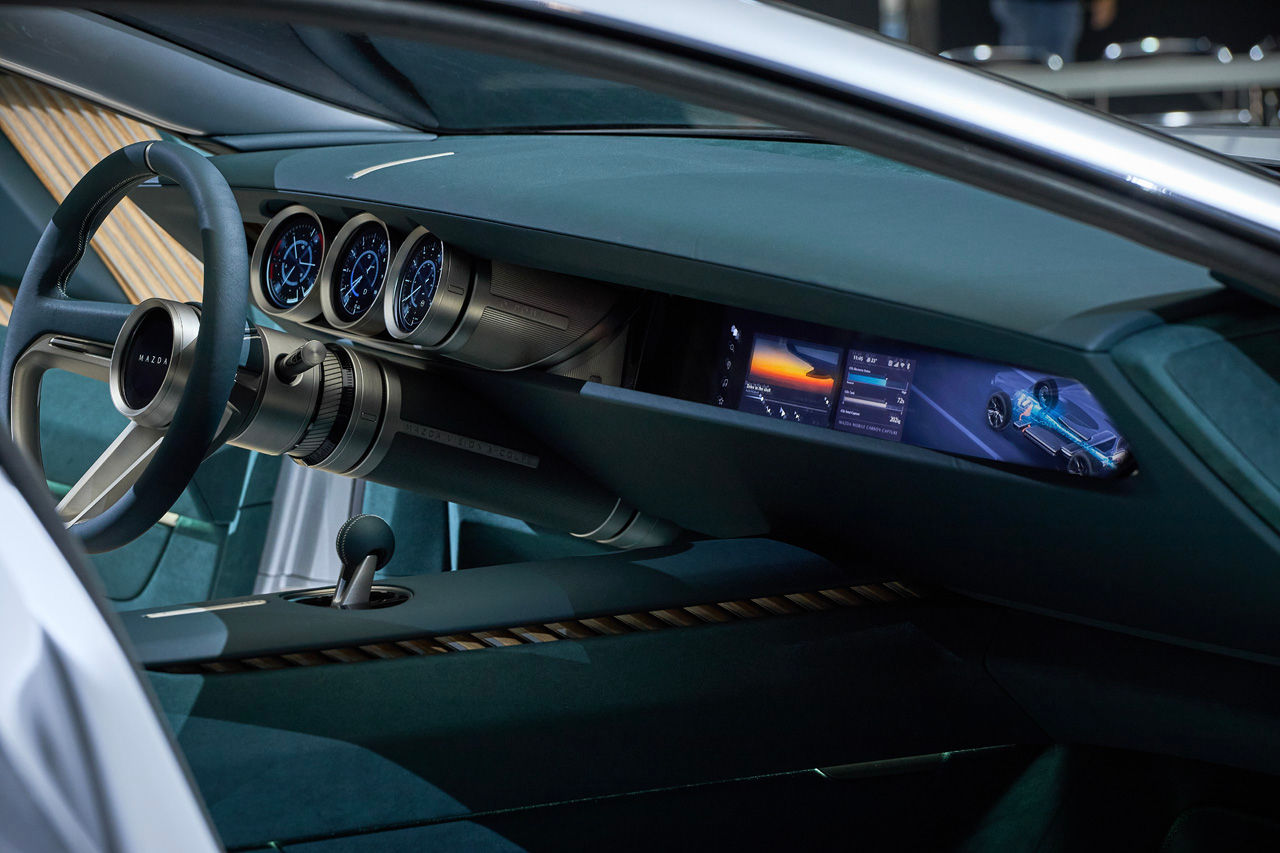
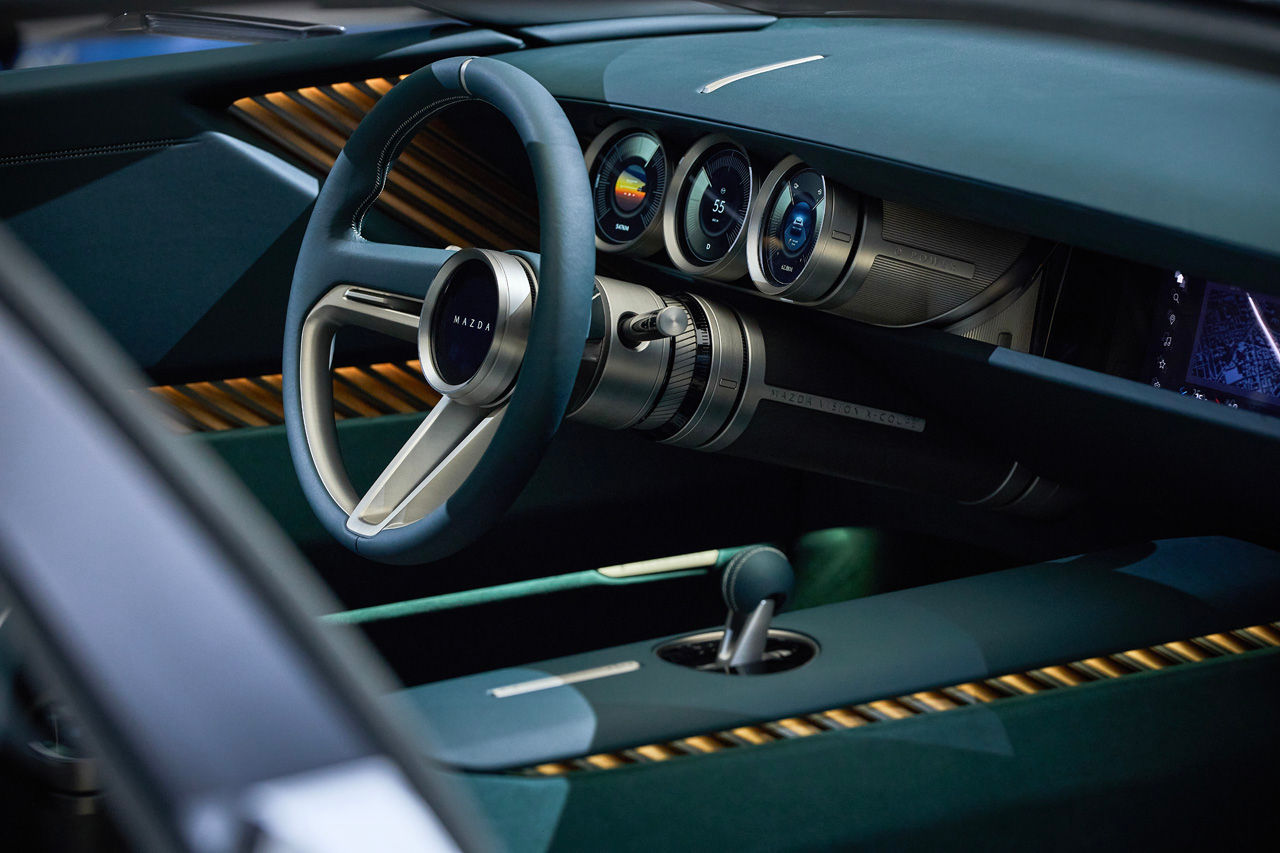
Circular gauges line the horizontal instrument panel. Together with the round steering wheel and shift knob, the interior has an authentic feel. The infotainment screen sits where it won’t block the driver’s view, with essential driving information concentrated near the gauges to create a driver-focused space.
The Mazda Vision X-Compact takes a different focus. By fusing a human sensory digital model with empathetic AI, this vehicle acts like a close companion that anticipates and understands to deepen the relationship between people and cars. Beyond software, the car’s form itself conveys approachability, like a partner ready to join you on the road. Based on the Solid Move concept, the exterior has a slightly forward-leaning stance that suggests energy and motion.
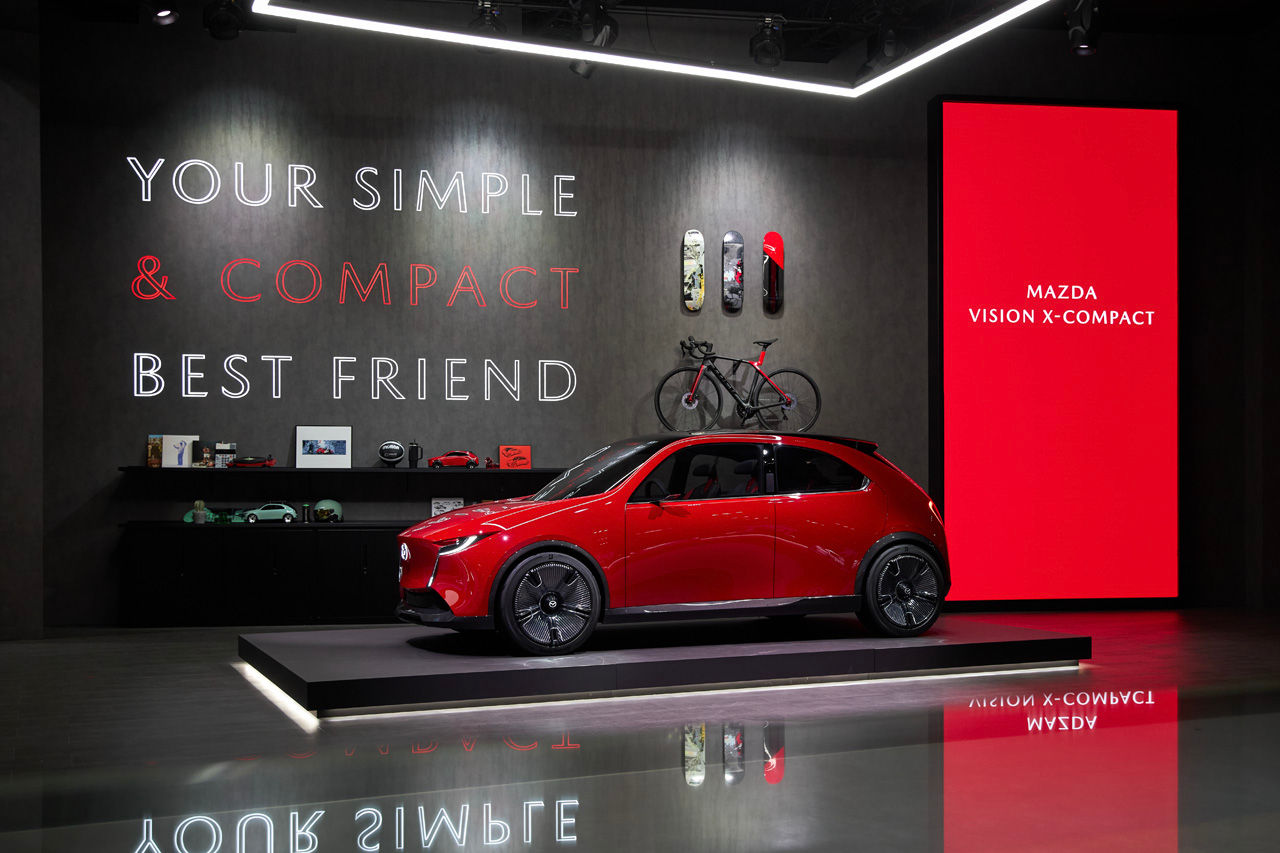
The concept is “a car that becomes a friend,” a vision model created to explore a new relationship where people and cars truly connect. A car that acts like a close companion, capable of engaging in natural conversation and suggesting destinations, building an interactive relationship that helps expand the driver’s world.
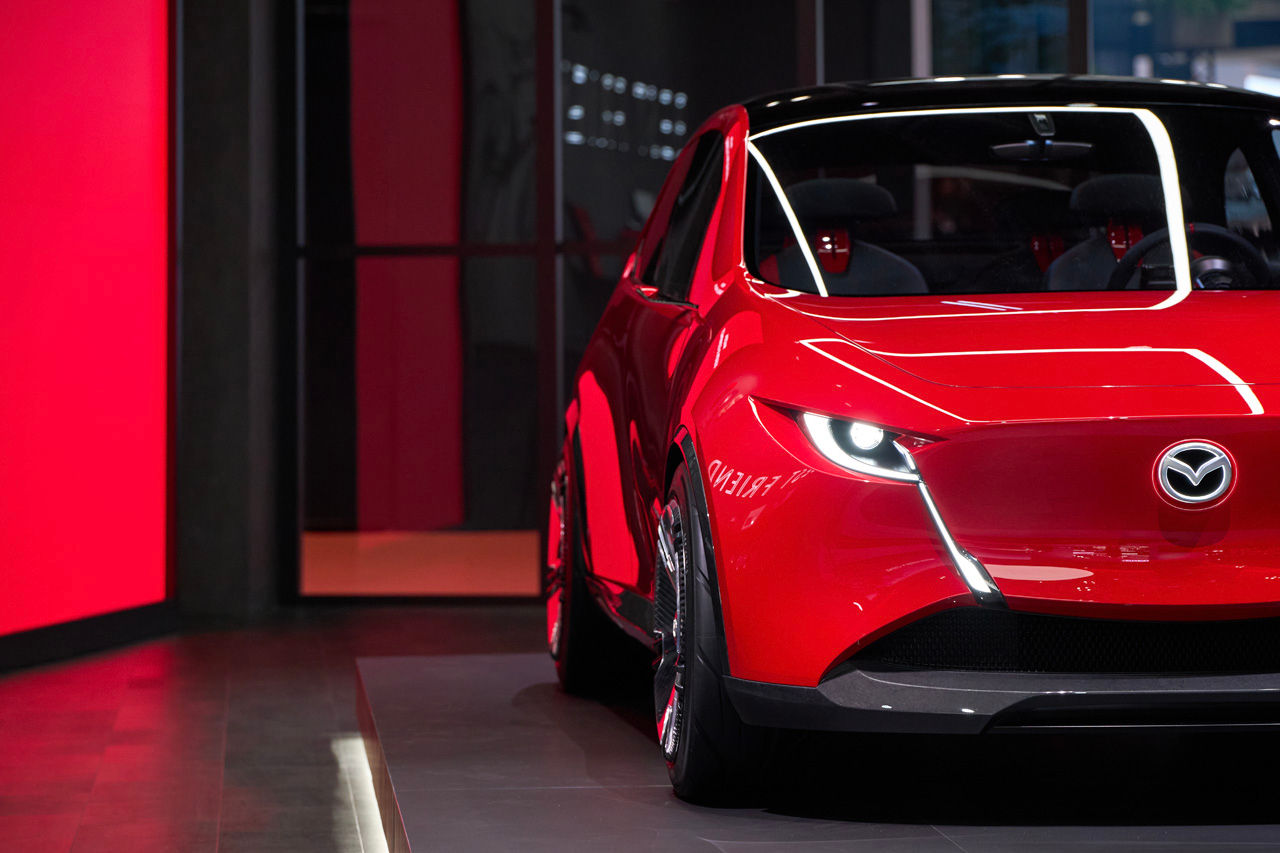
The Mazda Vision X-Compact fully embraces a fun and playful design. Beyond its approachable, lovable exterior, the car conveys solidity, one of the key concepts for these vision models.
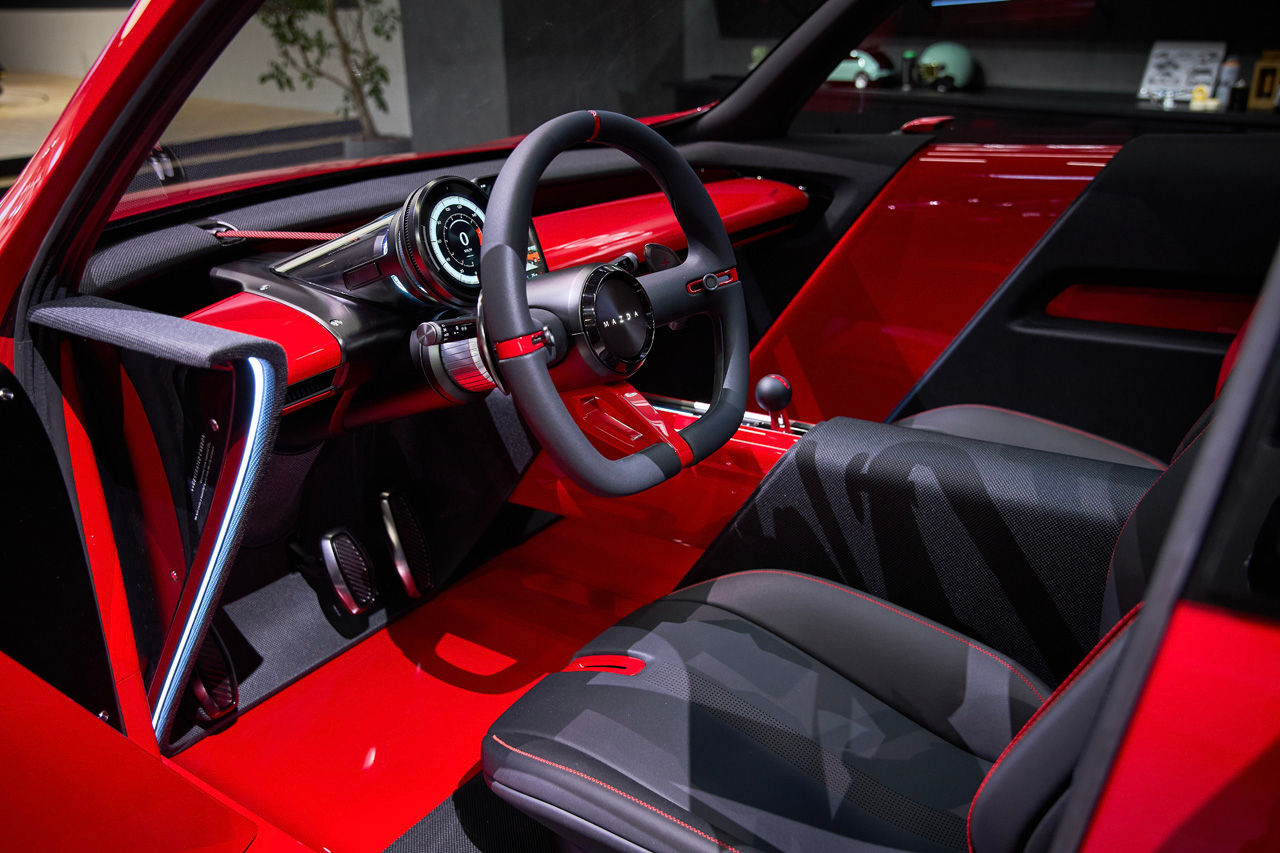
Led primarily by a young designer at Mazda, the Mazda Vision X-Compact has a distinctive interior. It maintains visual continuity with the exterior while creating a casual, hop-in-and-go feel.
It has been roughly 15 years since the introduction of Kodo design, the brand identity-defining design philosophy at Mazda. We sat down with its creator and the design director behind the two vision models, Ikuo Maeda, Executive Fellow of Brand Design to discuss the history and future of Kodo design, and his vision for these two cars.
Vision Models as a Declaration of our Resolve
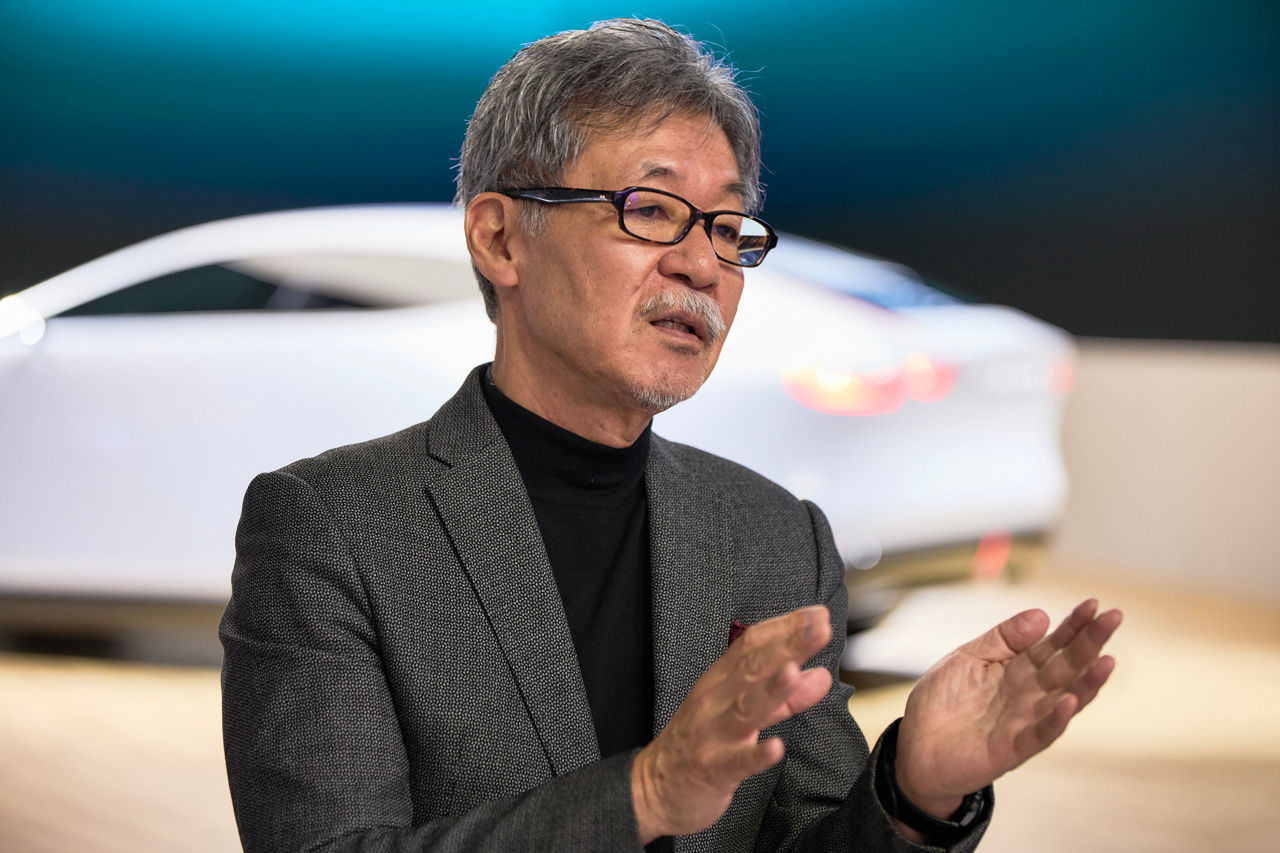
Ikuo Maeda. Joined Mazda in 1982. As Chief Designer, was responsible for iconic vehicles including the RX-8 and third-generation Demio. In 2010, as General Manager of the Design Division, introduced the “Kodo - Soul of Motion” design philosophy, establishing Mazda’s distinctive design language. Appointed Executive Officer in 2013 and Managing Executive Officer in 2016, bringing design and branding expertise to corporate identity and retail outlet branding. Currently serves as Executive Fellow for brand design and Head of Mazda Spirit Racing.
Maeda :
The Kodo design concept was something I introduced in 2010, the year after I was appointed Head of Design. I knew it would take time for this concept to develop a philosophy and become a pillar of brand value, so I mapped out a 20-year plan for where I wanted Kodo to go. I divided those 20 years roughly into three phases. In the first phase, we pursued vitality, the core theme of Kodo design, drawing on nature and living creatures to breathe life into our cars. In the second phase, we set out to become a design brand that could represent Japan by exploring Japanese aesthetics. That meant stripping away elements to let simple beauty shine through, our “less is more” philosophy.
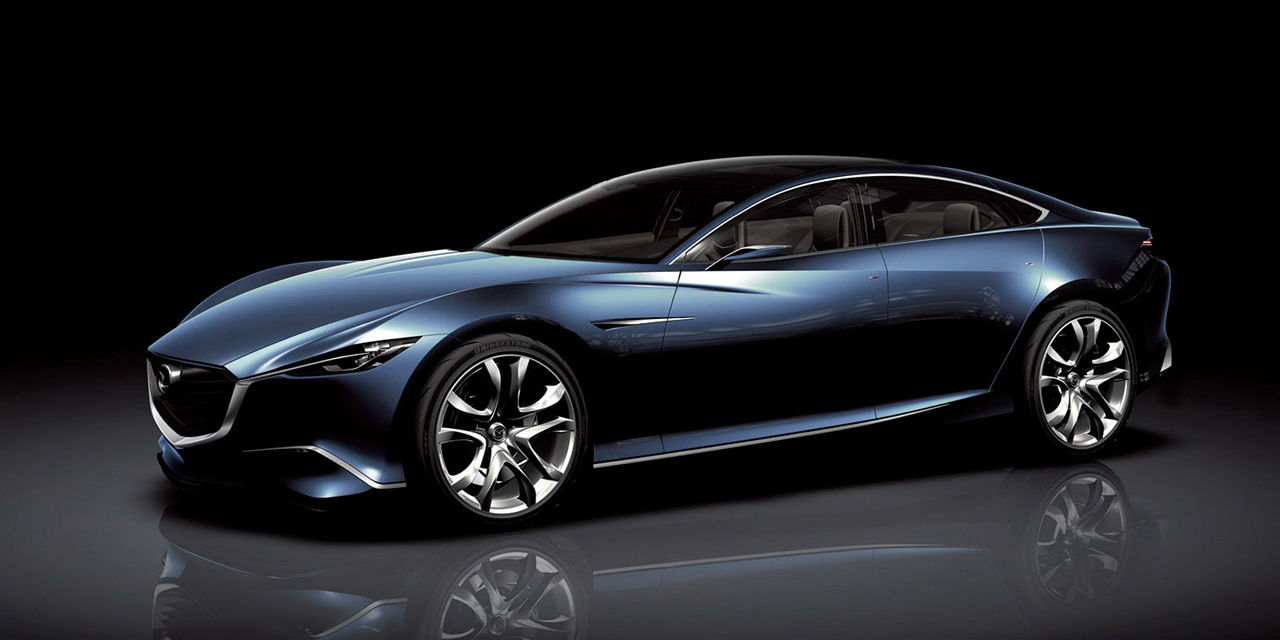
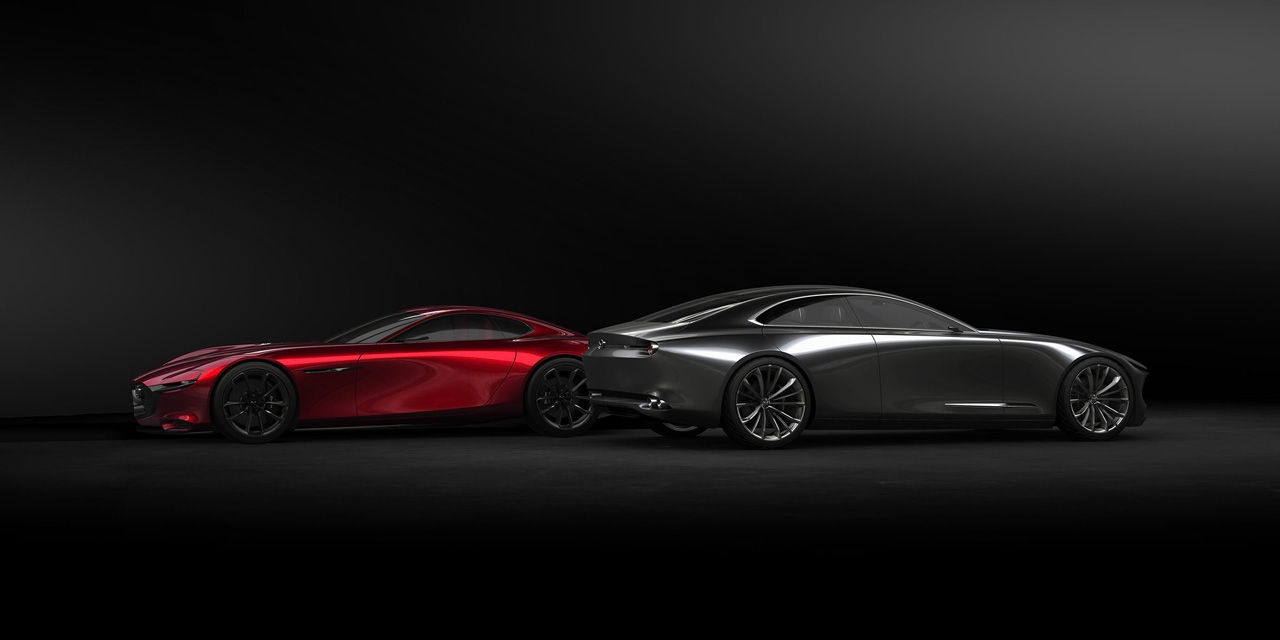
Photo 1: The Mazda Shinari concept car, unveiled during the first phase of Kodo design. / Photo 2: The Mazda RX-Vision and Mazda Vision Coupe from the second phase.
With the Mazda Vision X-Coupe and Mazda Vision X-Compact, we’ve reached the starting line of Kodo design’s final phase. The guiding principles here are “heritage and evolution,” or what we call Neo-Authentic. We’ll keep refining what we’ve built through Kodo design while taking on new forms of expression for a new era. For me personally, it means a lot to have come this far, and I’m excited to see this through.
The Mazda Vision X-Coupe was the hardest car I’ve ever made. By stripping away element after element, we tried to uncover the essence of Japanese aesthetics. I saw this challenge as a way to preserve our heritage while laying the foundation for creating our unique value. There were times we went too far, losing the essence of Mazda, the essence of a car, even the allure. But by pushing to the extreme, we came to understand what is truly essential to a Mazda. The result is a design that’s simple, yet solid and powerful.
With the Mazda Vision X-Compact, we wanted to show what else Kodo design can do. The theme here was “partner. ” We wanted to create a car that you’d see and immediately want. It was a surprise to some that I’d work on this kind of car. But in a phase about heritage and evolution, I felt we needed to unveil both together: the Mazda Vision X-Coupe, which takes Kodo design philosophy to its fullest expression, and its partner, the Mazda Vision X-Compact. Together, they show the range and evolution of all that Kodo design can be.
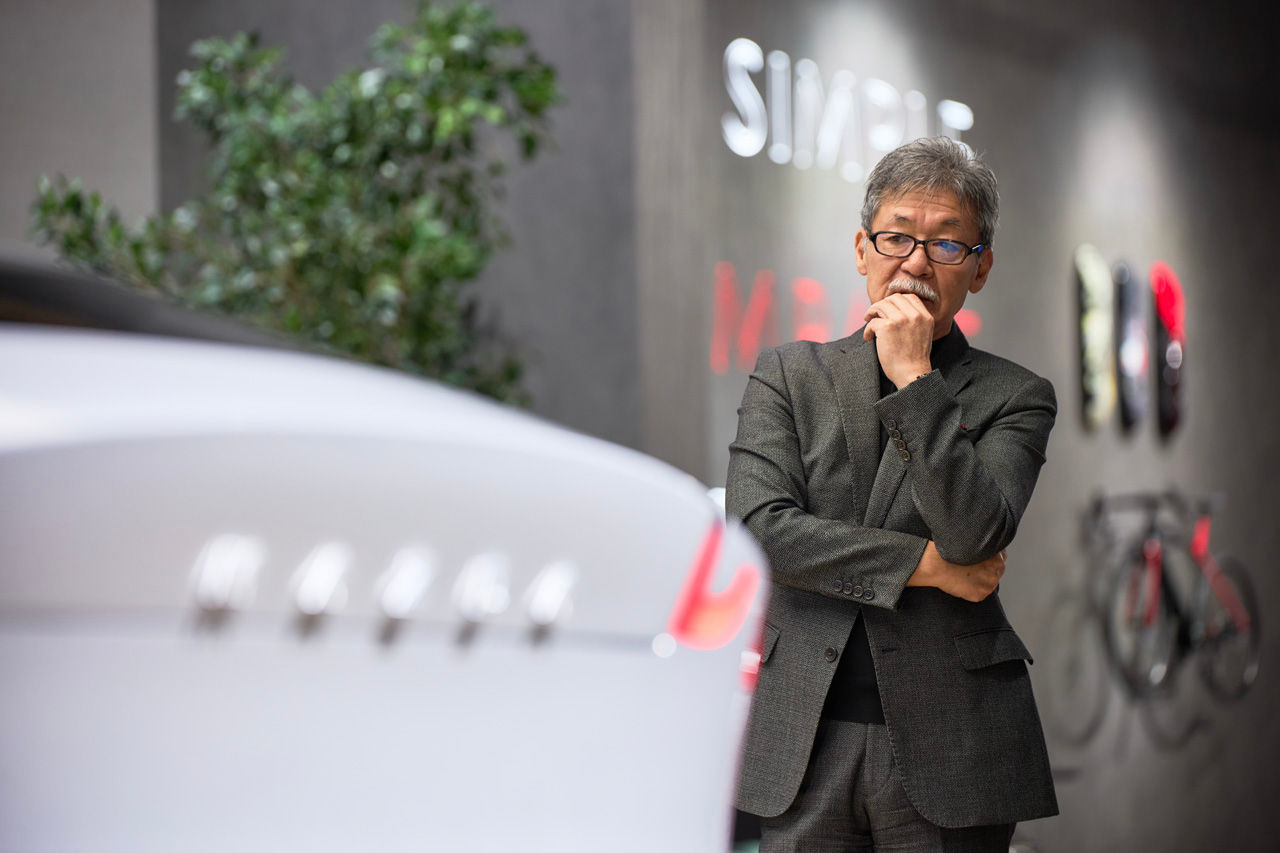
With heritage and evolution as our theme, the project began with the whole team thinking about what to preserve and what to develop from Mazda’s design history. We had a lot of young, fresh Mazda join us as we looked back on these last 15 years together, sorting out what to keep and what to update. Along the way, I had my own moments of discovery, and I could see that what we’ve built has truly taken root in our people. Someday I’ll step aside, but I’m confident the next generation will keep Kodo design moving forward. Heritage and evolution isn’t just the theme for this project. It may be the key to Kodo design’s entire future.
Why do we make vision models at Mazda? It comes down to one thing: declaring our resolve. It’s a statement about the challenges we’ll take on in the years ahead, a reference point we can always return to. That’s why vision models are never fantasy. They take practical form. Vision models represent Mazda’s resolve. That’s the responsibility I carry with me as I continue working alongside our design team.
The Work Behind Creating Designs that Move People
To bring Maeda’s ideas into reality, Norihito Iwao, General Manager and Chief Designer of the Advance Design Studio, led the effort on the ground. A close collaborator who deeply understands Maeda’s thinking, Iwao shared the challenges of the project and his passion for seeing it through.
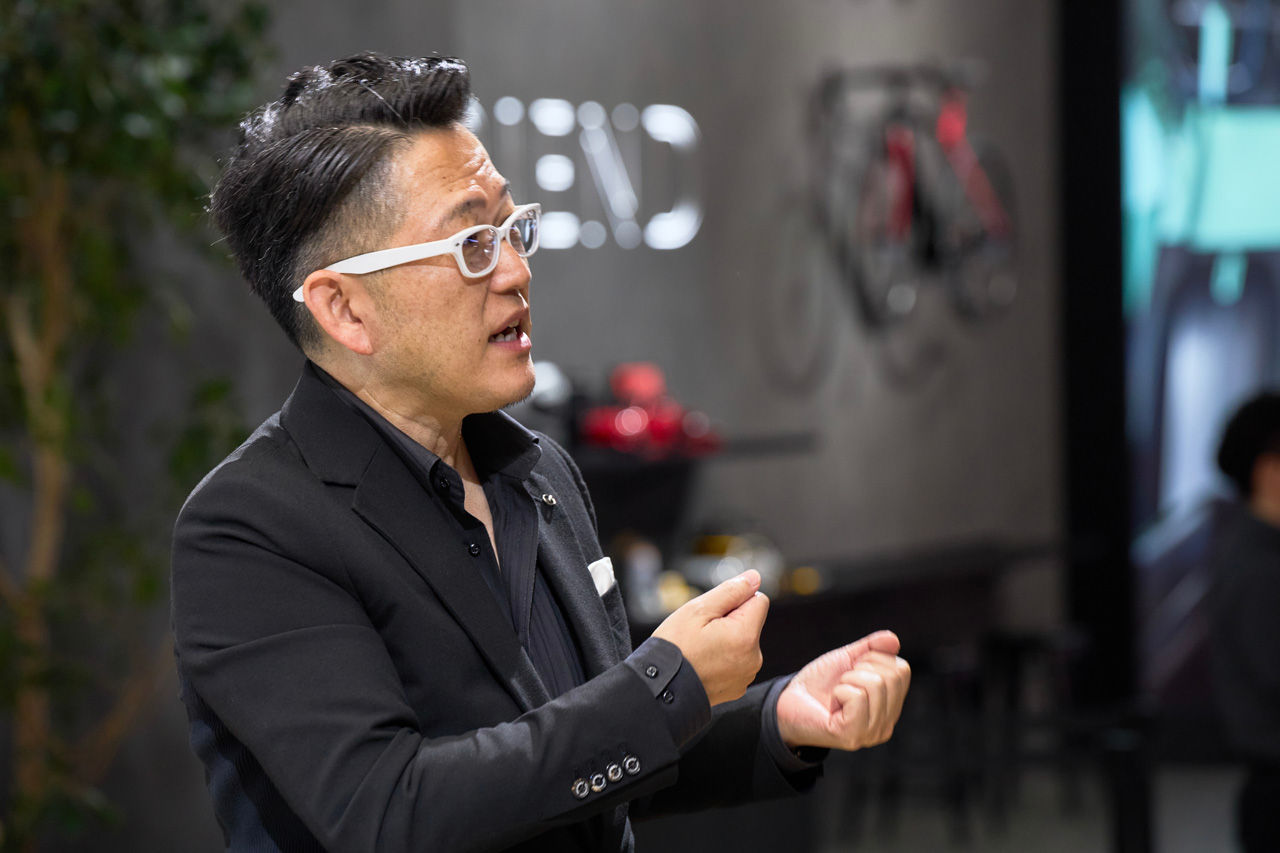
Norihito Iwao joined Mazda in 1993. After working on production vehicle parts design and the Titan truck, he moved to Advance Design. Starting with the RX-EVOLV unveiled at the 1999 Tokyo Motor Show, he has led 13 show cars, concept cars, and vision models including Secret Hideout, Senku, Mazda RX-Vision, and Mazda Vision Coupe. He has also worked on production vehicles including the Mazda CX-5, Mazda CX-3, Mazda CX-50, and Mazda CX-60, as well as advanced design projects.
Iwao :
To bring Mazda’s future to life as vision models, I first brought people together into a group we called Team Vision. The team included people from different departments and backgrounds: not just designers, but clay modelers, digital modelers, and hard modelers. Normally, modelers shape what designers sketch. But here, they joined in the design thinking too. By proposing ideas beyond their usual roles, we raised both quality and precision. I think this kind of collaborative creation is uniquely Mazda.
It took about two years to turn the design vision into actual vehicles, and we tried many new things along the way. Of course we wanted to honor the heritage of Kodo design that Mazda has built. But we also kept searching for how to achieve evolution, what our next move should be and how to make it real. By pushing the less is more philosophy to its limits and sharpening strength, movement, and intent, we arrived at a design concept we call Solid Move. It’s a concept born from the team’s shared passion and countless rounds of trial and error. These two vision models are the result of something bigger, uniting everyone’s passion toward a single goal. They’re proof of what we can achieve when we build as a team.
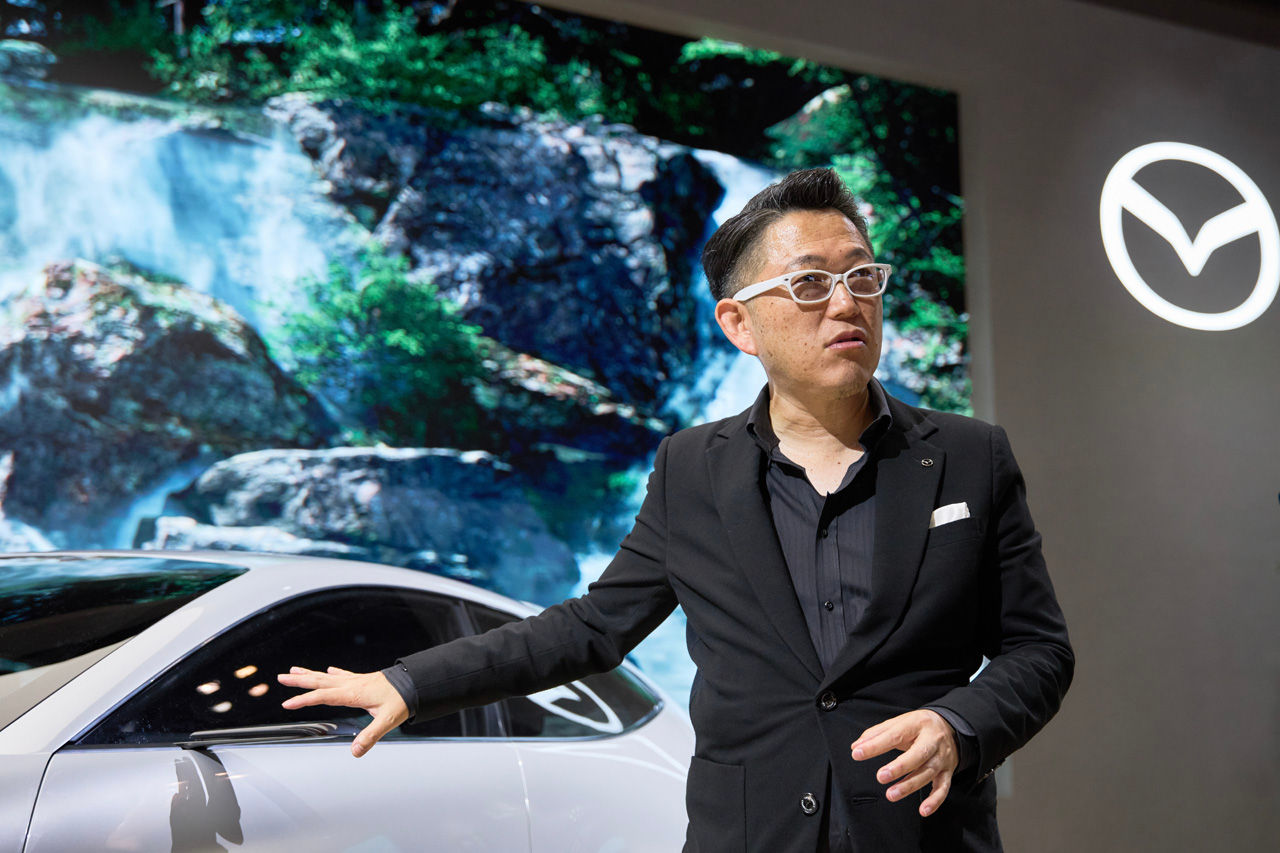
The collaborative approach might sound democratic, but for each member, it was also a battle for their ideas. Some saw their ideas make it into the Mazda Vision X-Coupe or Mazda Vision X-Compact. Others didn’t. In that context, I see myself as a Design Creative Conductor. Like an orchestra conductor who knows each instrument’s sound and character, I needed to understand each team member and create an environment where they could keep contributing without losing heart. But I’m not just conducting, I’m also playing an instrument. By joining in the design work myself, I gained trust as a leader and could communicate with the team at their level, in their language.
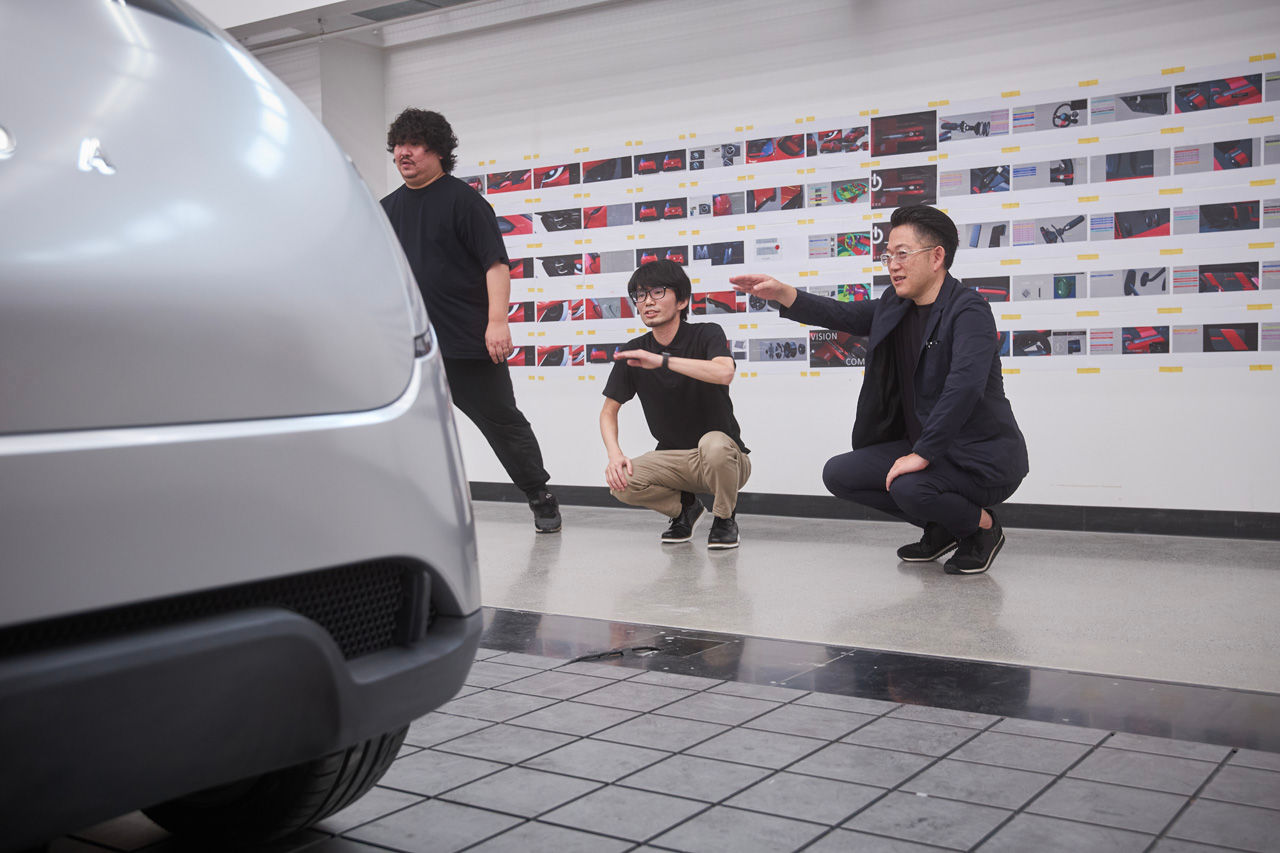
A moment from the Mazda Vision X-Compact production. Working alongside team members to explore directions for the exterior surfaces, bringing the design closer to the ideal as a team.
Vision models like these go through fabrication with external model makers to become full-scale display vehicles. Reproducing our design accurately sometimes requires detailed, demanding exchanges. So before we started, I told our partners, “We’re not here as client and supplier. We’re one team, and we’re making something great together.” I asked for their help in making these vision models the best they could be. That passion got through, and the two cars you see here were fabricated with perfect precision.
Today at the booth, there was a woman who shed tears when the sunset in the video reflected off the Mazda Vision X-Coupe on the big screen. For me, design isn’t just about the quality of the form itself. It’s about moving people and enriching how they feel. Working on these vision models reminded me that moving people takes human effort and passion.
Honoring Kodo Design Heritage and Going Beyond Imagination
Next, we spoke with Eiji Kimoto, who became General Manager for Mazda’s Design Division this year. As the person who will lead Mazda design going forward, he shared his impressions of the two vision models and his thoughts on the future of Kodo design.
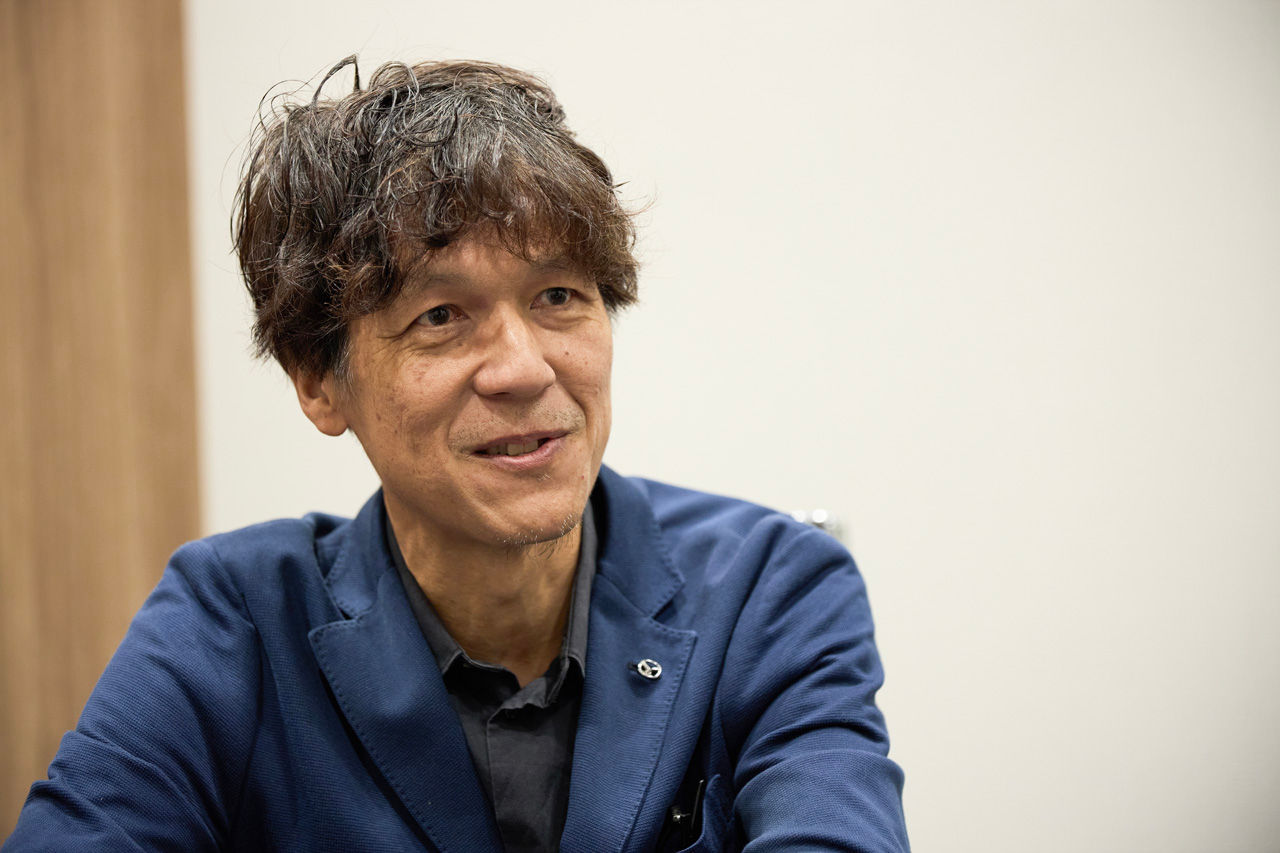
Eiji Kimoto joined Mazda in 2003. Despite a science background, he entered the automotive industry as a designer. After joining Mazda, he worked in the Advance Studio on show cars. He then led design for production vehicles targeting the US market, including the Mazda CX-9 and Mazda CX-50, followed by the Mazda EZ-60 EV unveiled last year. This year, he became General Manager for Mazda’s Design Division.
Kimoto :
These vision models are the ultimate form of Kodo design right now, achieved by pushing less is more to its limits. The Mazda Vision X-Coupe in particular marks the starting line for Mazda’s future direction, and I’m already excited thinking about how to bring its essence into our production vehicles. It’s a challenge that’s exciting and nerve-wracking at the same time.
Maeda built Kodo design into something that’s taken root across the company and is recognized by people around the world as a brand in its own right. After he steps back, I have a responsibility to preserve the heritage of Kodo design and what makes Mazda design distinctive. That’s my job as Head of Design.
What I value most as a designer is finding solutions no one saw coming. I want to create designs that go beyond what people imagine, but not in a way that feels unfamiliar. I want customers to see it and think, “Yes! This is exactly what I was looking for.” These vision models set the direction, but simply copying elements into production cars wouldn’t do them justice. The real excitement is finding ways to go beyond what people expect. So to all the car lovers and Mazda fans out there I say, watch this space to see the next phase of Kodo design.
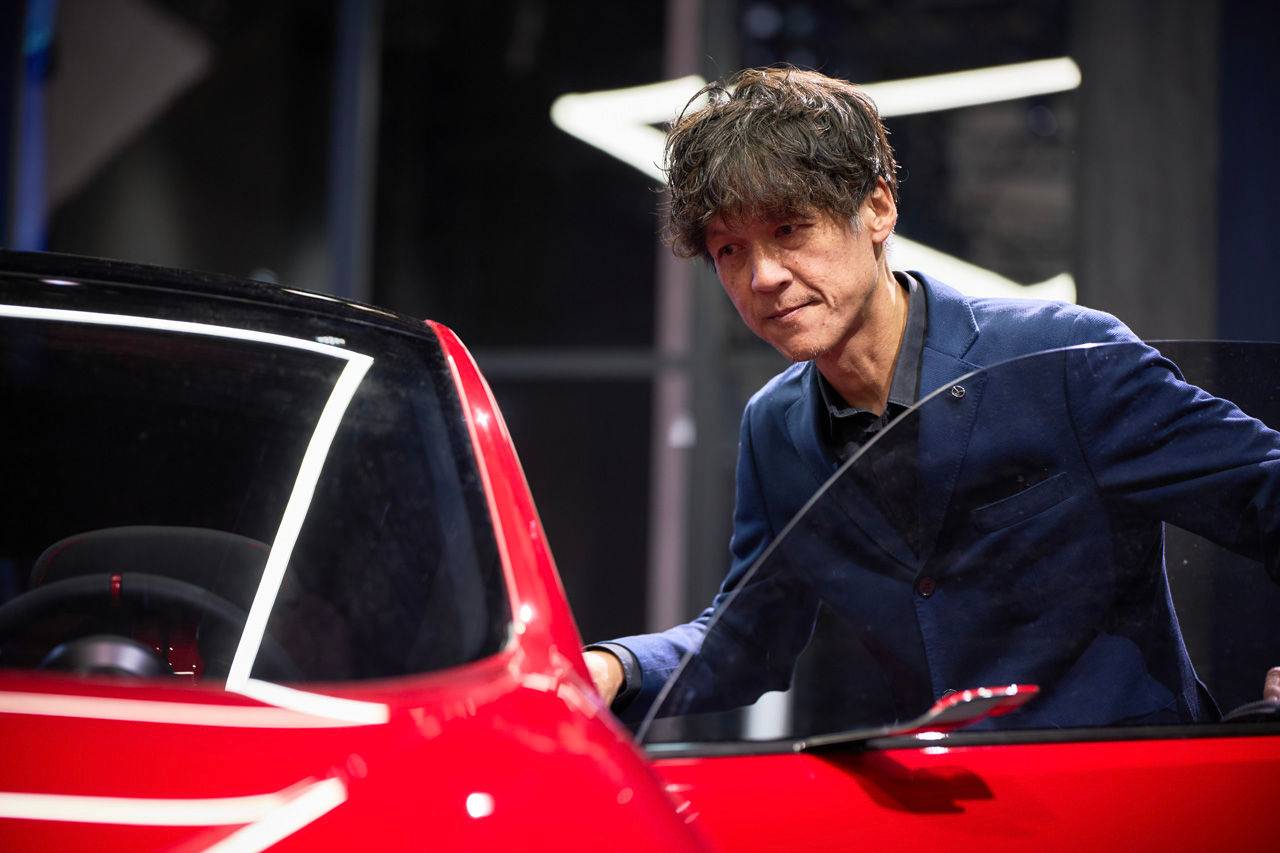
Designers and Modelers on Beauty in the Details
Driven by the concept of collaborative creation, every team member poured their expertise and ideas into these two vision models, patiently shaping them into reality. To dig into the details, we interviewed Team Vision members at the Japan Mobility Show about the Mazda Vision X-Coupe and Mazda Vision X-Compact. We hear from each about the design highlights and details they focused on.
Koichi Ono (Design Division, Production Design Studio, Interior Group, Lead Designer)
Models: Mazda Vision X-Coupe (main), Mazda Vision X-Compact
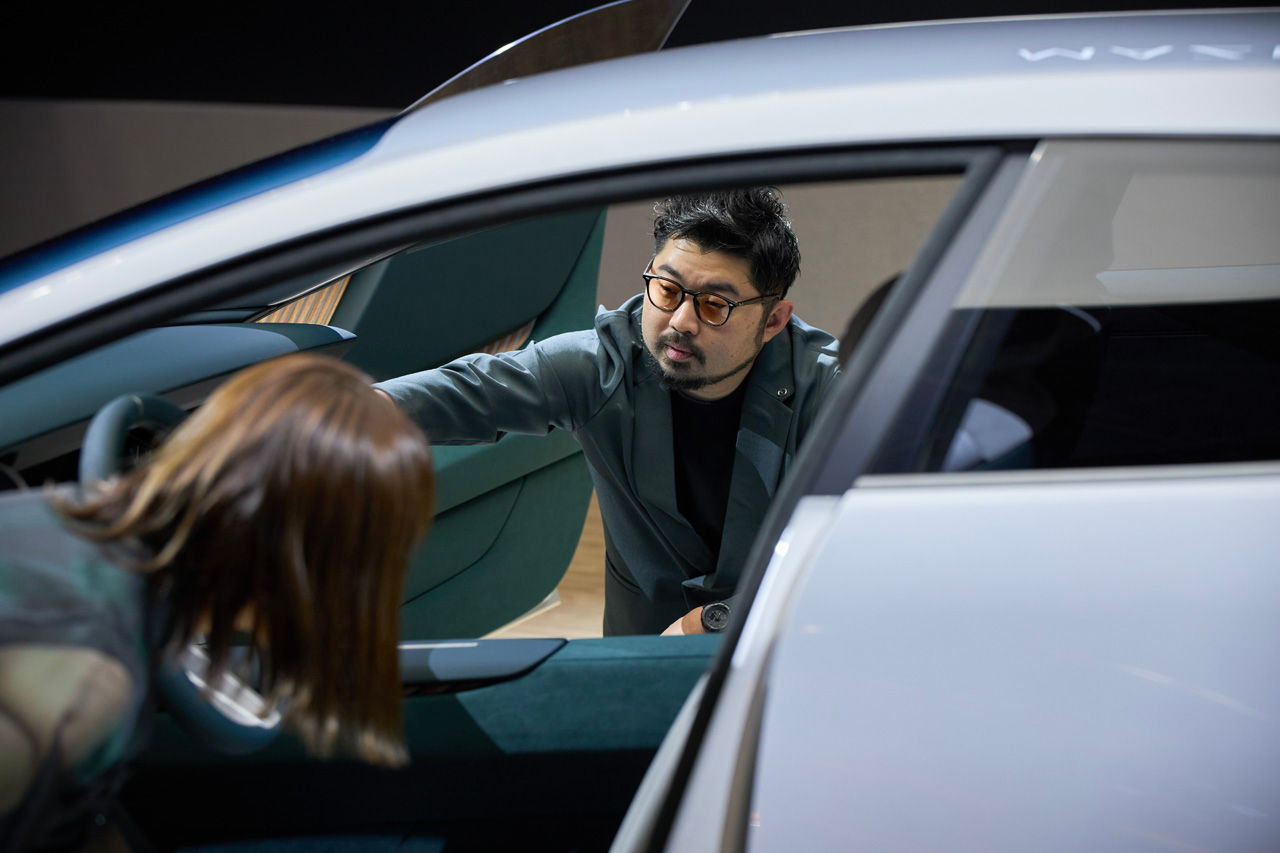
Ono :
For the Mazda Vision X-Coupe, the highlight is the cockpit. The moment you open the door, the triple gauges, steering wheel, and shift lever draw your eye, creating a space that makes you want to drive. We wanted to create a new kind of Mazda interior that pulls you deeper into the driving experience. The challenge was expressing heritage and evolution, our Neo-Authentic concept, throughout the interior. For heritage, we focused on a simple structure that lets you concentrate on driving. For evolution, we worked with CMF designers (Color, Material, Finish) who specialize in sustainable materials and surface finishes, as well as interface designers, testing ways to create a space that responds to human senses. By working together as a team to incorporate the values, digital elements, and the needs of a modern era into the interior, we were able to realize the dual concept of heritage and evolution.
Kaisei Takahashi (Design Division, Production Design Studio, Interior Group, Designer)
Model: Mazda Vision X-Compact
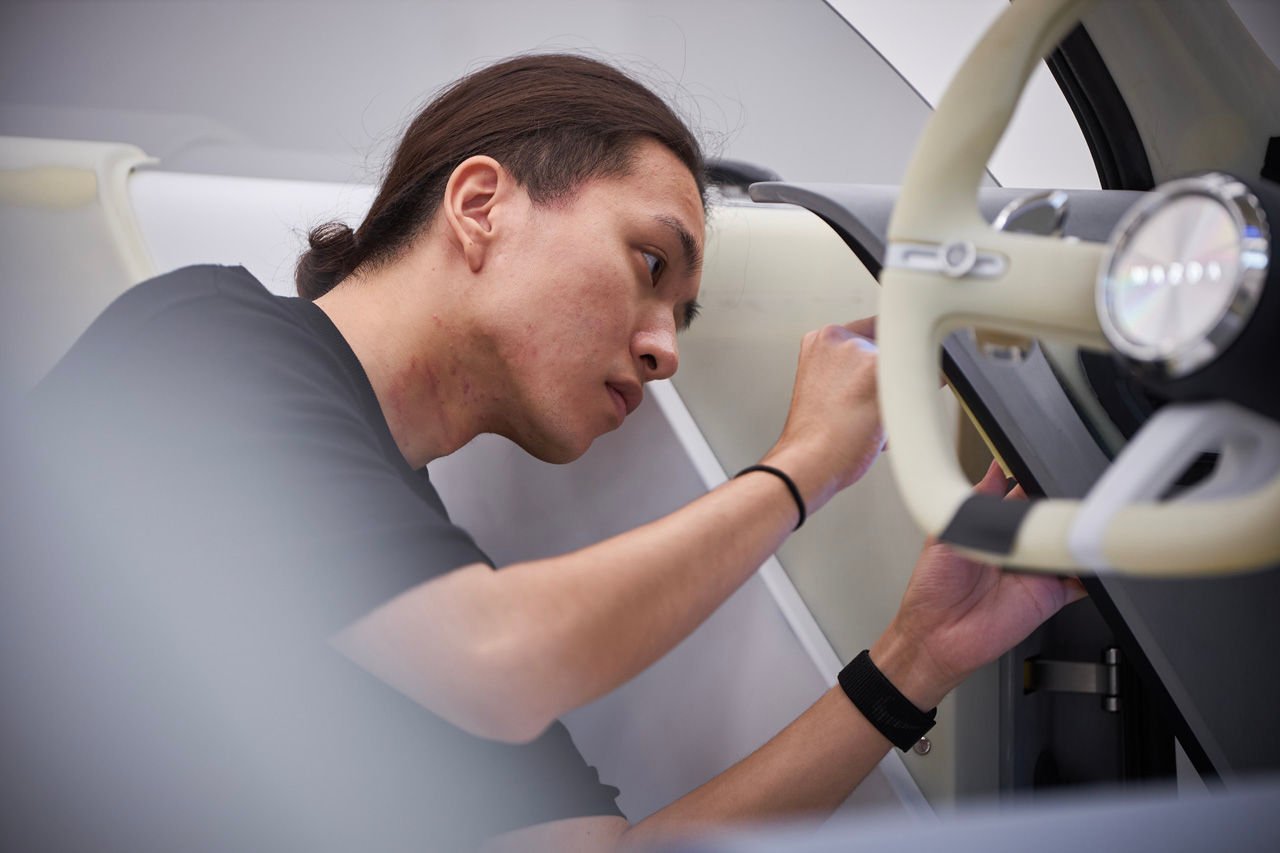
Takahashi :
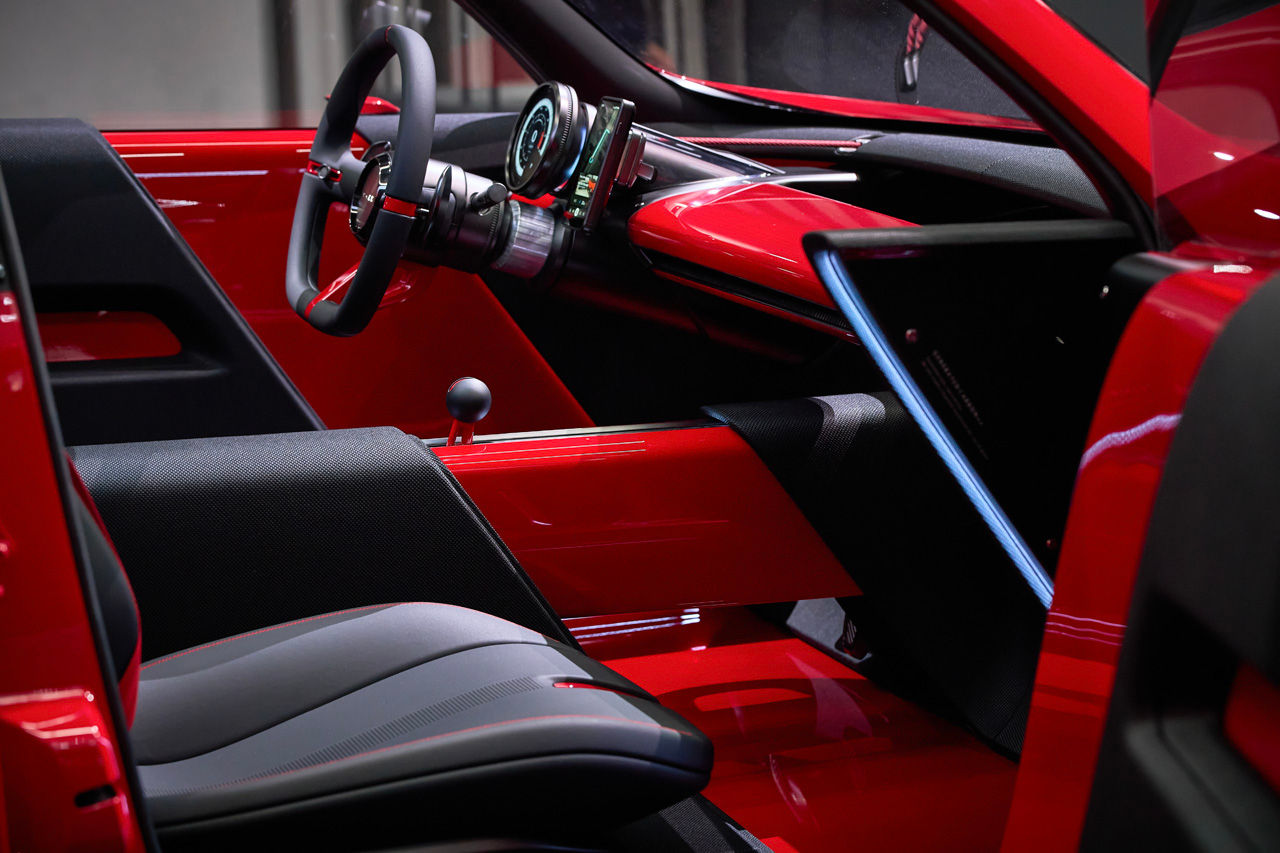
I was mainly responsible for the interior of the Mazda Vision X-Compact. The red body exterior cuts across the interior, making you feel the car up close and creating a space where person and car connect directly. The challenge was maintaining quality and creating a driver-focused cockpit within a simple layout, without it looking too plain. We gave the cockpit a sense of presence and worked carefully on details around the gauges and steering wheel. I paid particular attention to how we placed the gauges and smartphone dock together within the steering wheel, putting all the information in one place so you can stay immersed in driving. We also used details like wire-suspended gauges and an exposed frame structure, keeping things visually simple while maintaining functionality. The result is a clean interior you can just hop into and go. And because the design is so minimalistic, you can put your own stamp on it.
Kazuhisa Noda (Design Division, Design Modeling Studio, Senior Creative Expert, Clay Modeler)
Model: Mazda Vision X-Coupe

Noda :
For the Mazda Vision X-Coupe, my focus was making the whole car feel like one solid form. We structured the form so that energy flows outward from the center of the silhouette toward each wheel, wrapping around the whole car. That’s how we gave shape to the less is more philosophy. We also controlled the contrast in the surfaces to express the speed and powerful beauty that define Mazda. The hardest part was interpreting Solid Move and translating it into three dimensions. Push too hard on solid and you lose movement. Bring out movement and it doesn’t feel solid enough. To balance these opposing ideas, we deliberately softened some areas. Through that give and take, we found a balance of allure, strength, and lightness.
Ryoma Makino (Design Division, Production Design Studio, Exterior Group, Lead Designer)
Model: Mazda Vision X-Compact
Makino :
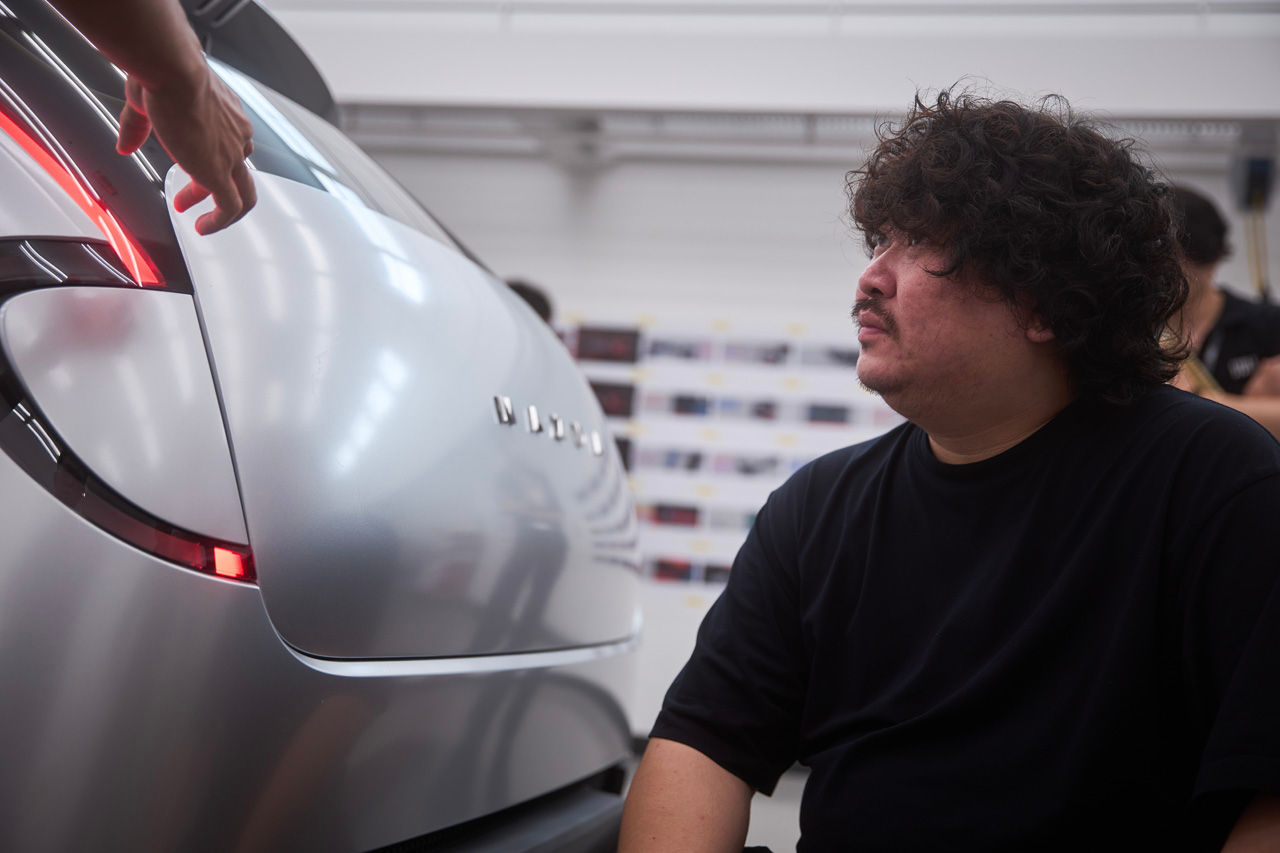
Mazda’s first passenger car was the R360 Coupe, a small, lovable vehicle built for everyday use. I wanted to bring something new to this company’s history of small cars and write a fresh chapter. That’s the spirit I brought when I started sketching the Mazda Vision X-Compact as exterior lead.
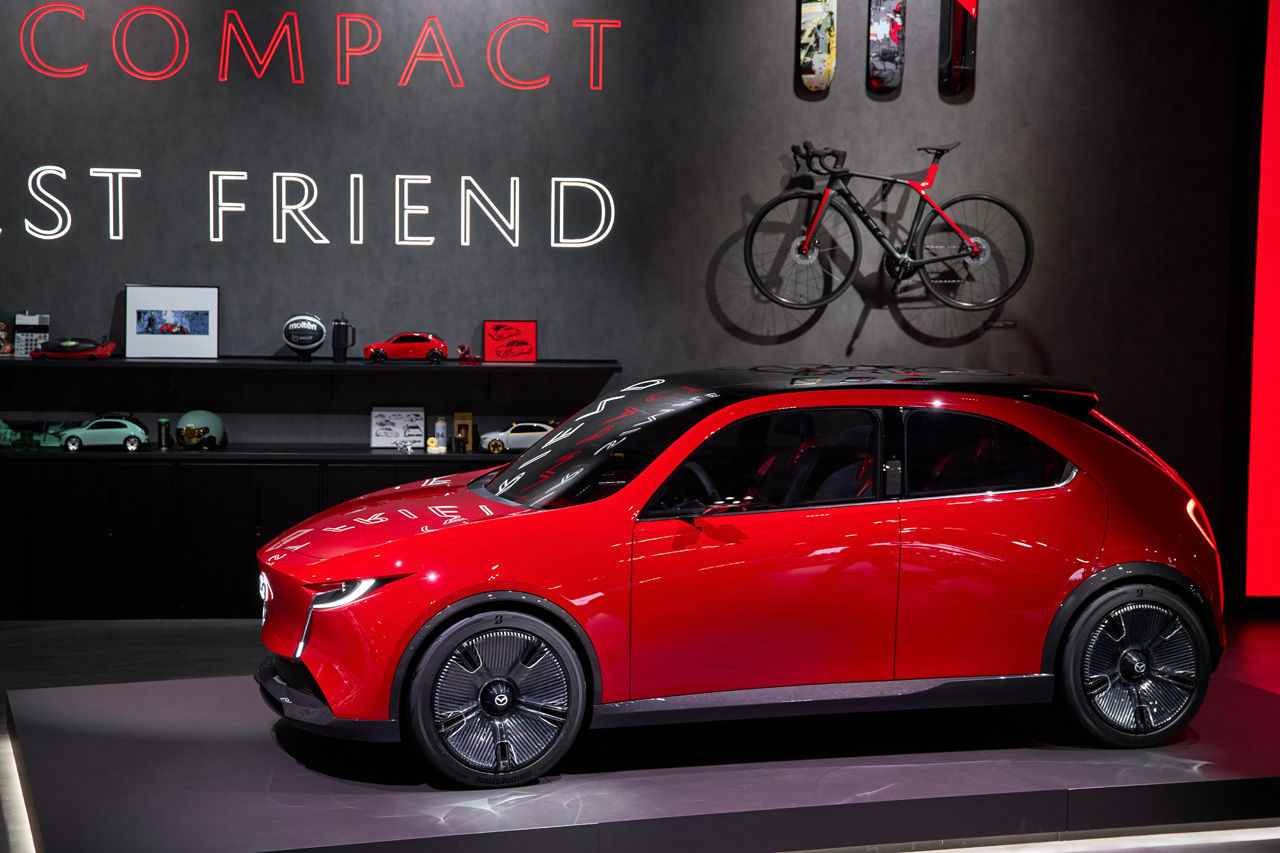
I focused on two challenges. First, expressing the structure and form as one. The result is something classical yet modern and approachable, with a lovable look you can recognize from 100 meters away. Second, the expression. The challenge was combining cuteness with coolness and confidence. That was the hardest part. We worked as a team refining the design right down to the line, and the result was something that you’d want to use every day, like a favorite and familiar tool. When the car was finished, I was moved to tears. It felt like something new had come to life in Mazda design. That’s what we mean by “soul of motion”—something that can move your very soul. As a designer, I hope everyone who sees this car feels something too.
Mina Yamashita (Design Division, Advance Design Studio, Senior Specialist, CMF Designer)
Models: Mazda Vision X-Coupe, Mazda Vision X-Compact
Yamashita :
I worked on color, material, and finish for both vision models. For the Mazda Vision X-Coupe, we developed a new body color called Glass Silver. Starting from the Neo-Authentic concept, we explored what essential values should be carried into the future through CMF. As we interpreted how Kodo design could be in harmony with nature, I began to see water as a way to express the vitality of life. So we decided to strip away color and challenge ourselves with texture alone. We wanted a modern, alluring silver that felt transparent yet still conveyed the strength of metal. I hope people can see how its beauty comes from reflecting the colors around it, and get this sense of a car from a brighter future. We layered ultra-fine metal particles over a light gray base to create that see-through metal quality. The tricky part was that the color looked different between test sprays and the final application. It was a real challenge to track down the cause, and recreate the exact color from the paint booth at Mazda HQ in the manufacturer’s facility. For the interior, we used sea wool, a fiber made from recycled oyster shells, on the seats. We also drew inspiration from the Seto Inland Sea for the interior Sea Green color. Since we held back on color with the body, we used color to add a touch of playfulness. The result is a sophisticated space that’s quietly refined and effortlessly comfortable.
Yamashita :
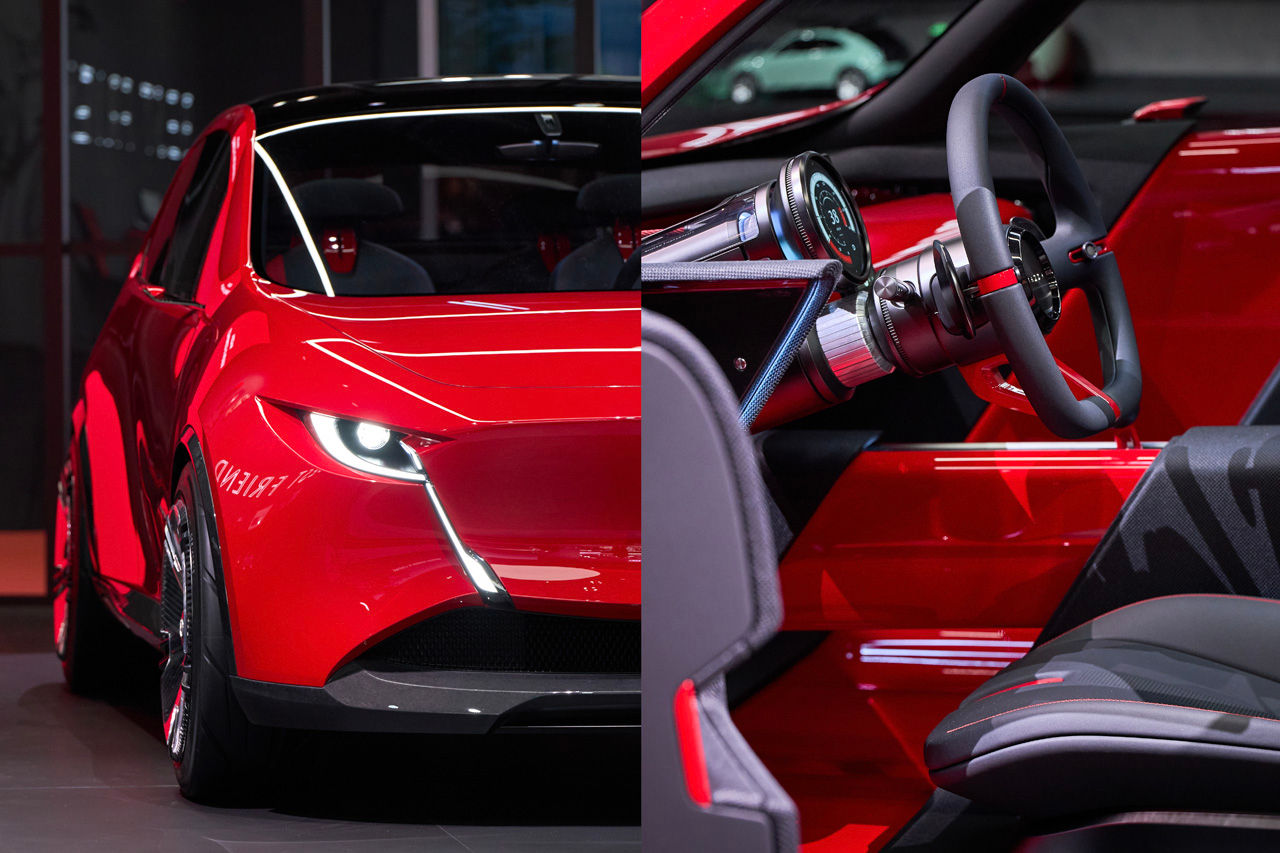
For the Mazda Vision X-Compact, I wanted the opposite of the Coupe: something bright and fun. We used Viola Red, the same vivid color from the Mazda Iconic SP at last year’s Japan Mobility Show. With the Solid Move concept, we felt a solid color would bring out the solidity better than metallic. It also suits the car’s slightly retro feel. The challenge was the seat covering. We made fine adjustments to preserve the shape, hiding seams in places you can’t see. What I focused on most was the contrast between hard and soft: the exposed red frame against the materials that wrap around it. The sporty synthetic leather recalls a racing bicycle saddle. The nylon fabric suggests durable outdoor gear. There’s recycled carbon that looks like Japanese washi paper, mechanical metal, advanced transparent materials, and wire. We balanced all these different elements with the interior designer to create something unified. It achieves a sporty appearance while also using only sustainable materials. It’s cute, cool, and has a great personality. If I were choosing a partner, that’s who I’d want. (laughs)
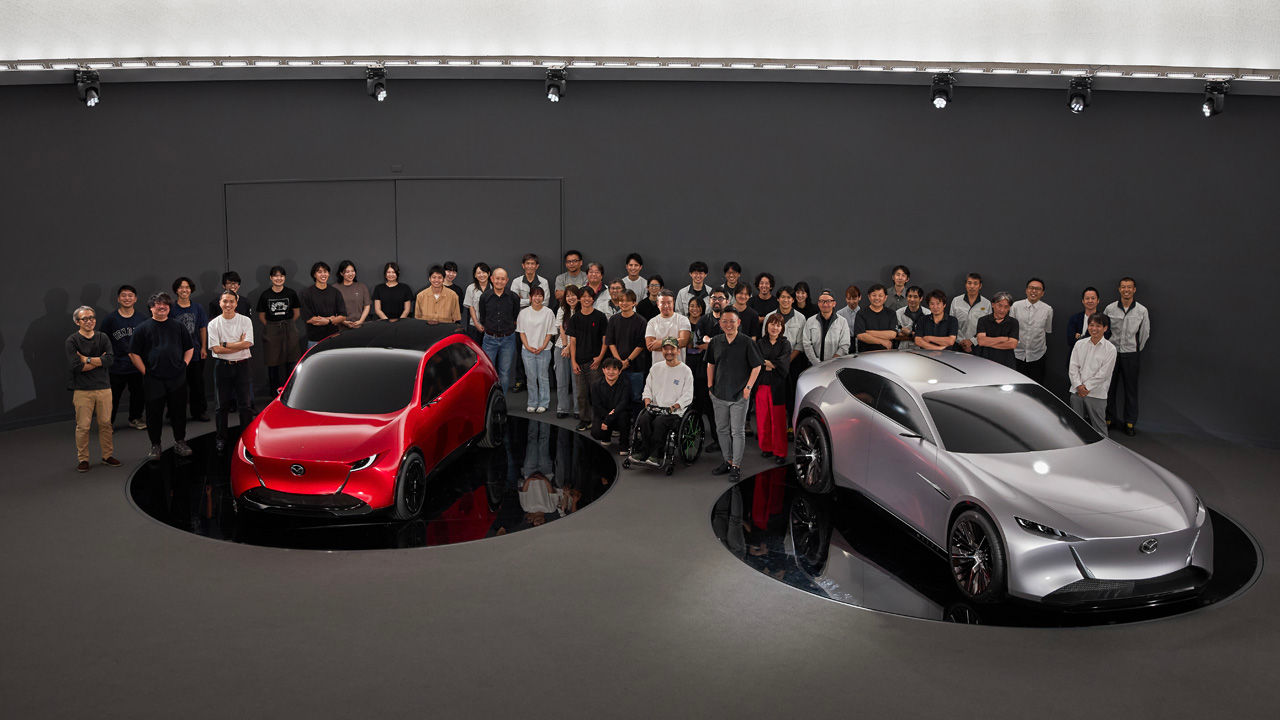
Team Vision with the vision models (clay model stage). Building two vision models at once was a first for Mazda. Many team members said that successfully showing both at Japan Mobility Show was only possible because of the collaborative environment that crossed individual specialties.
Vision Model Gallery
Mazda Vision X-Coupe (Exterior)
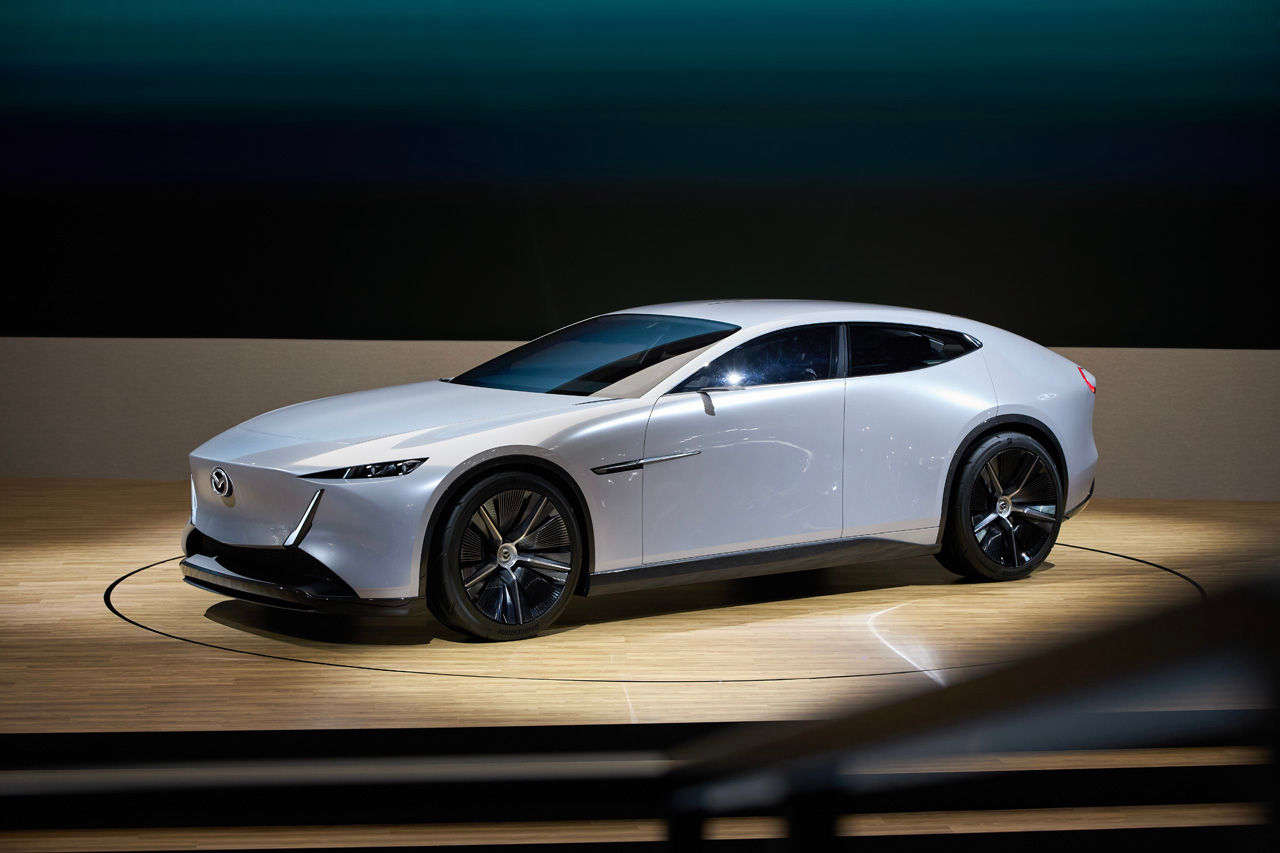
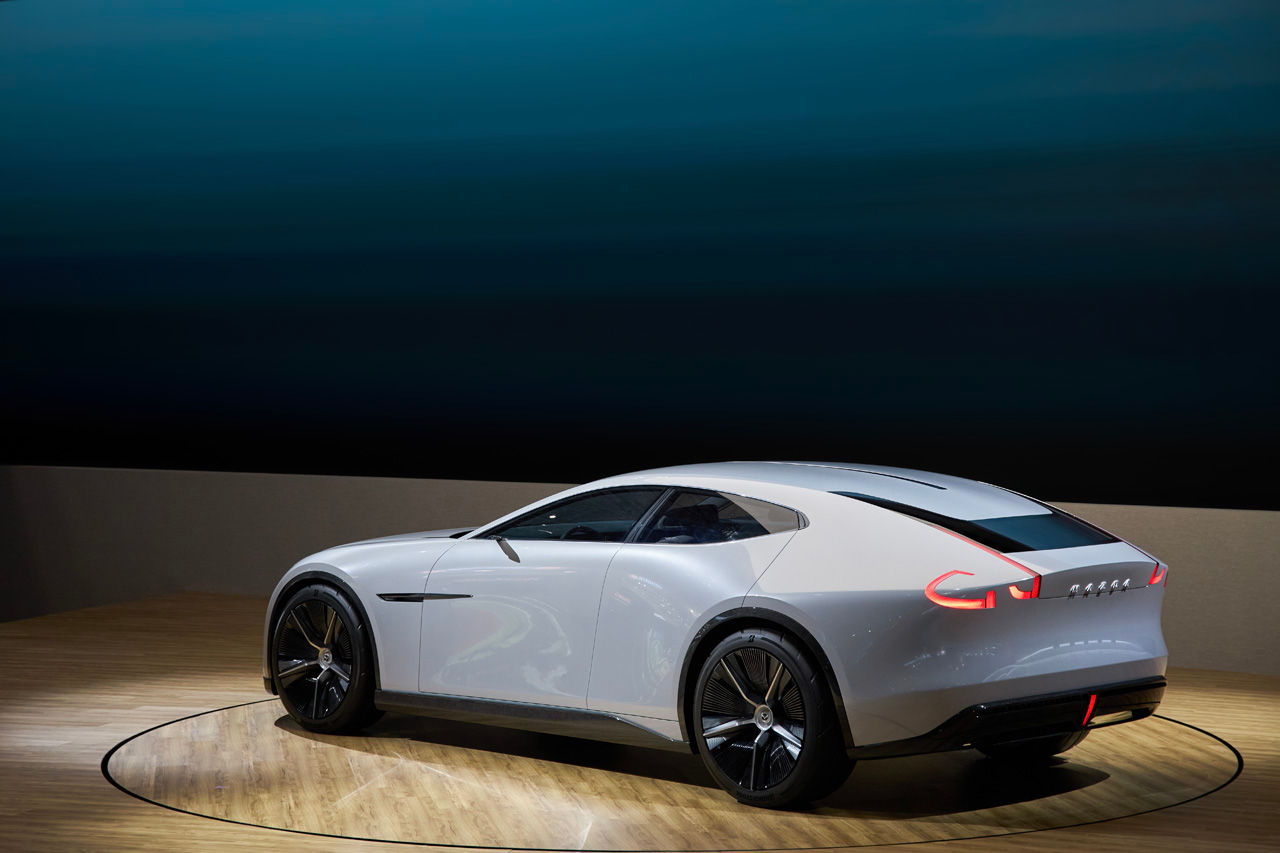
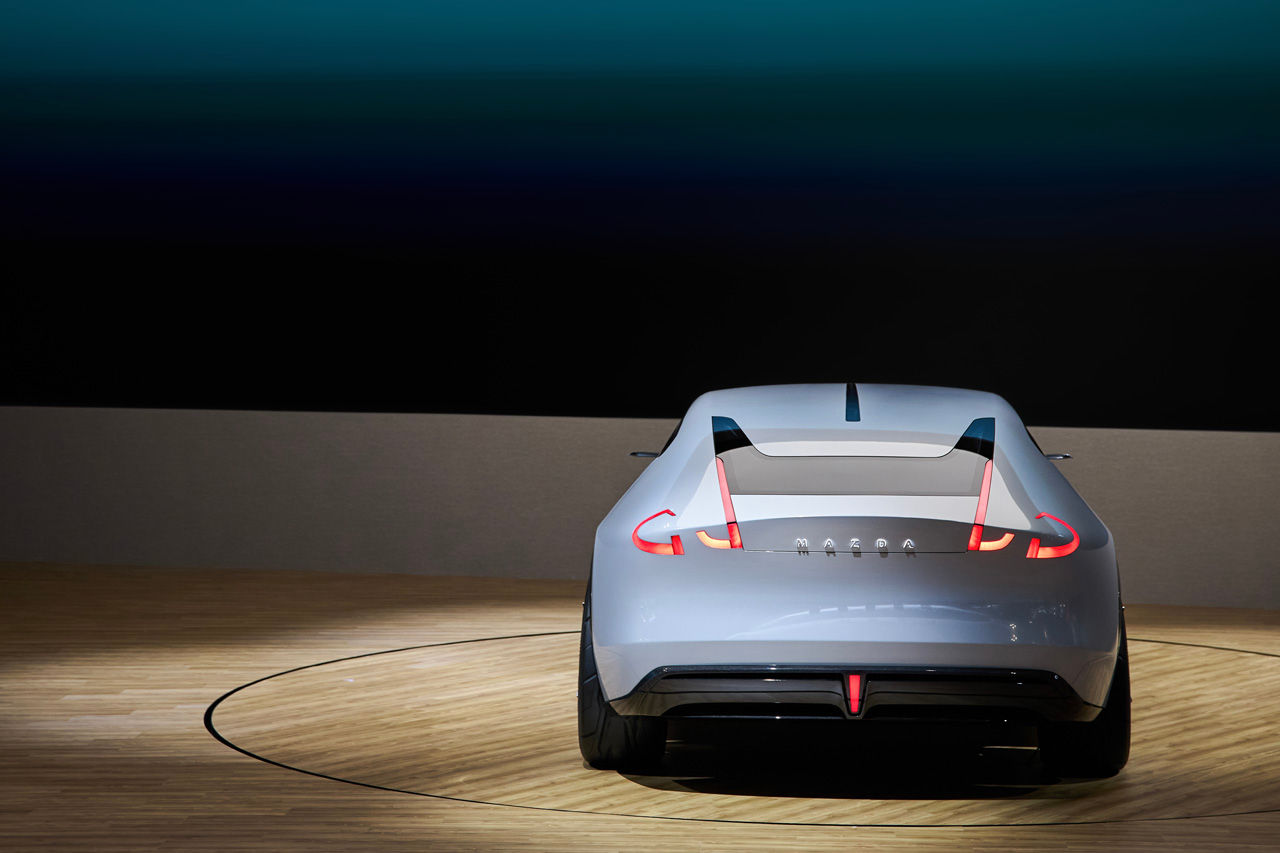
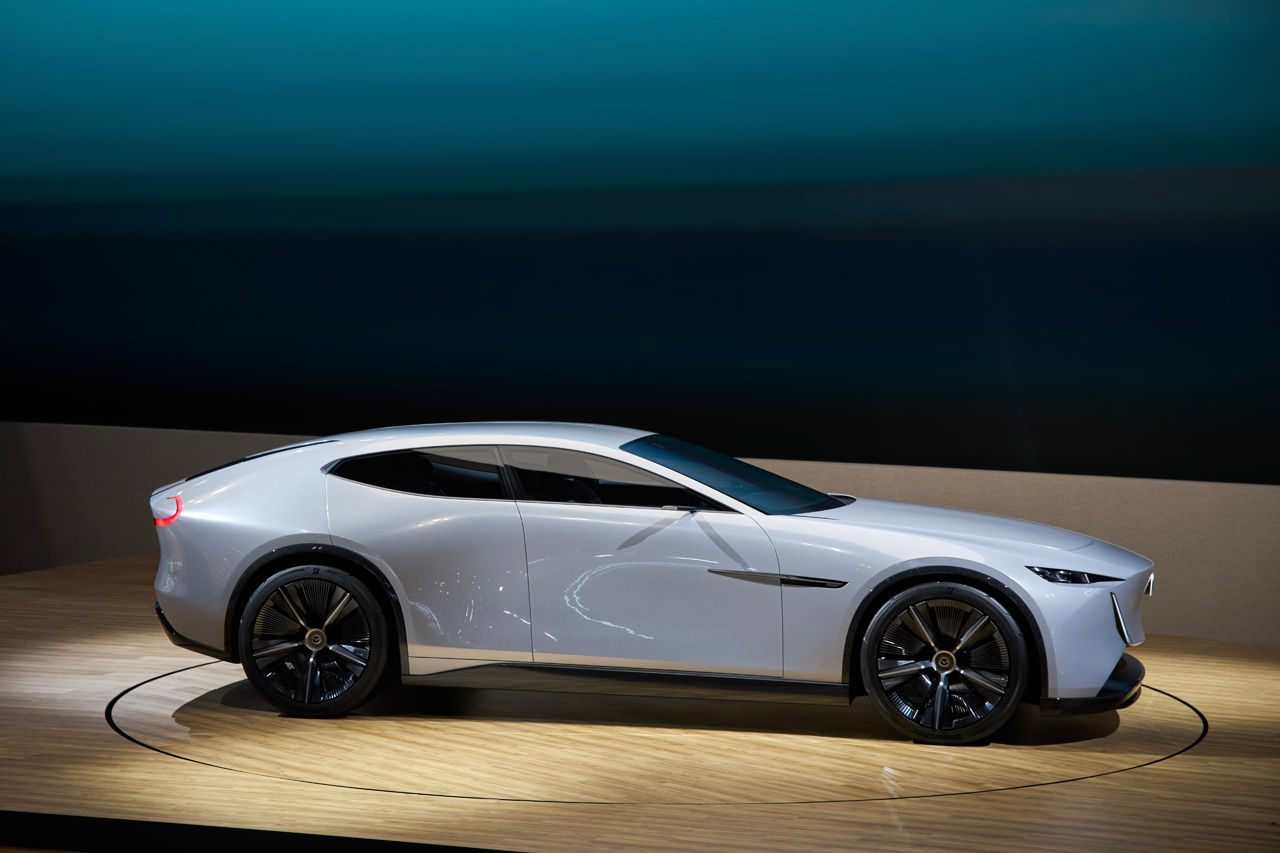
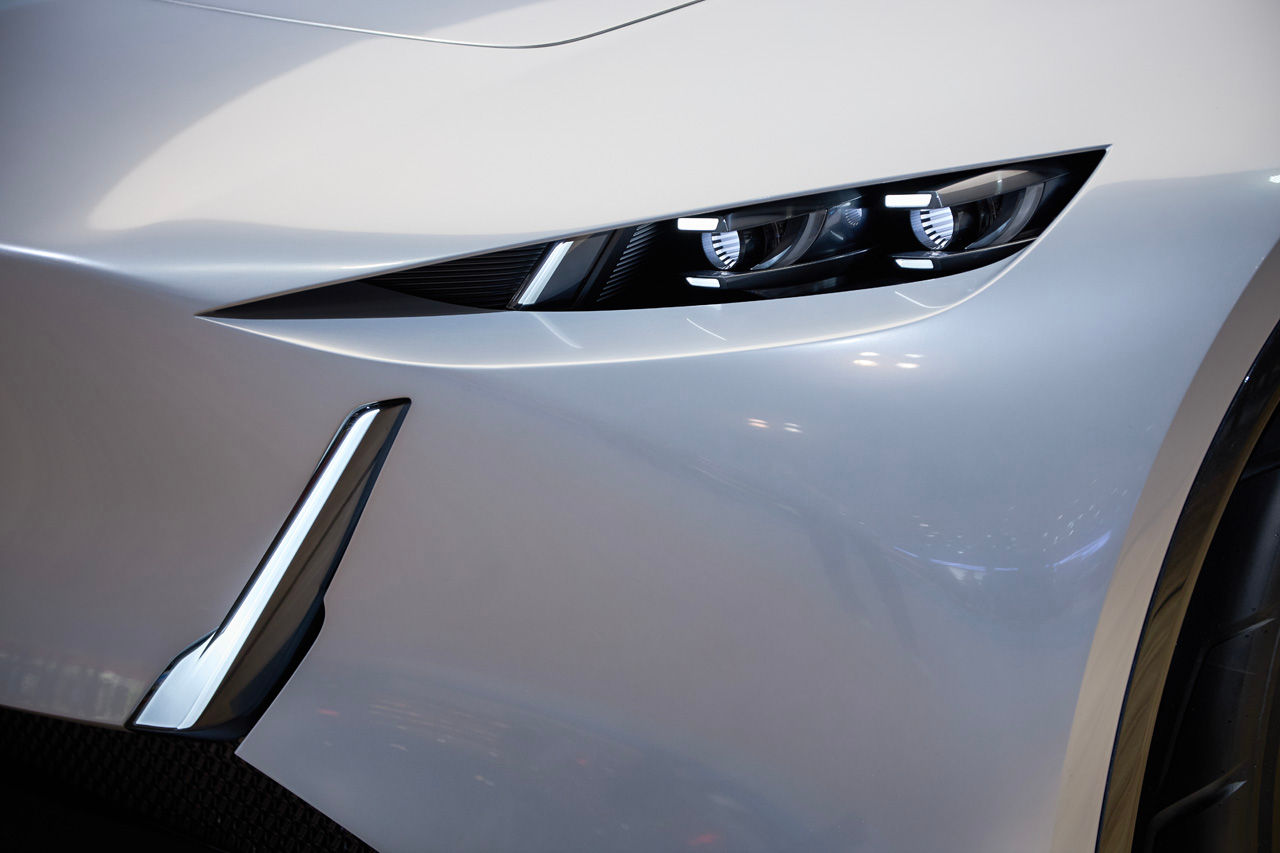
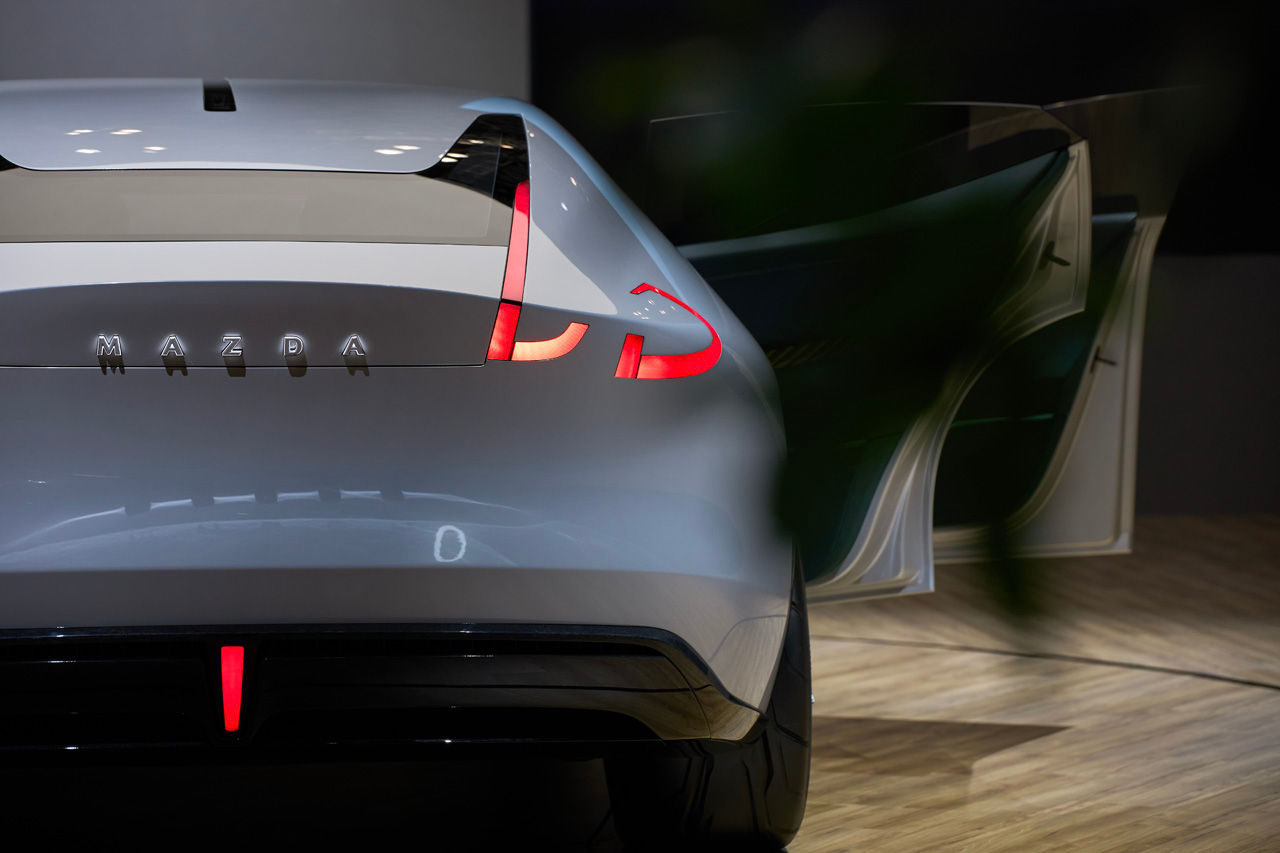
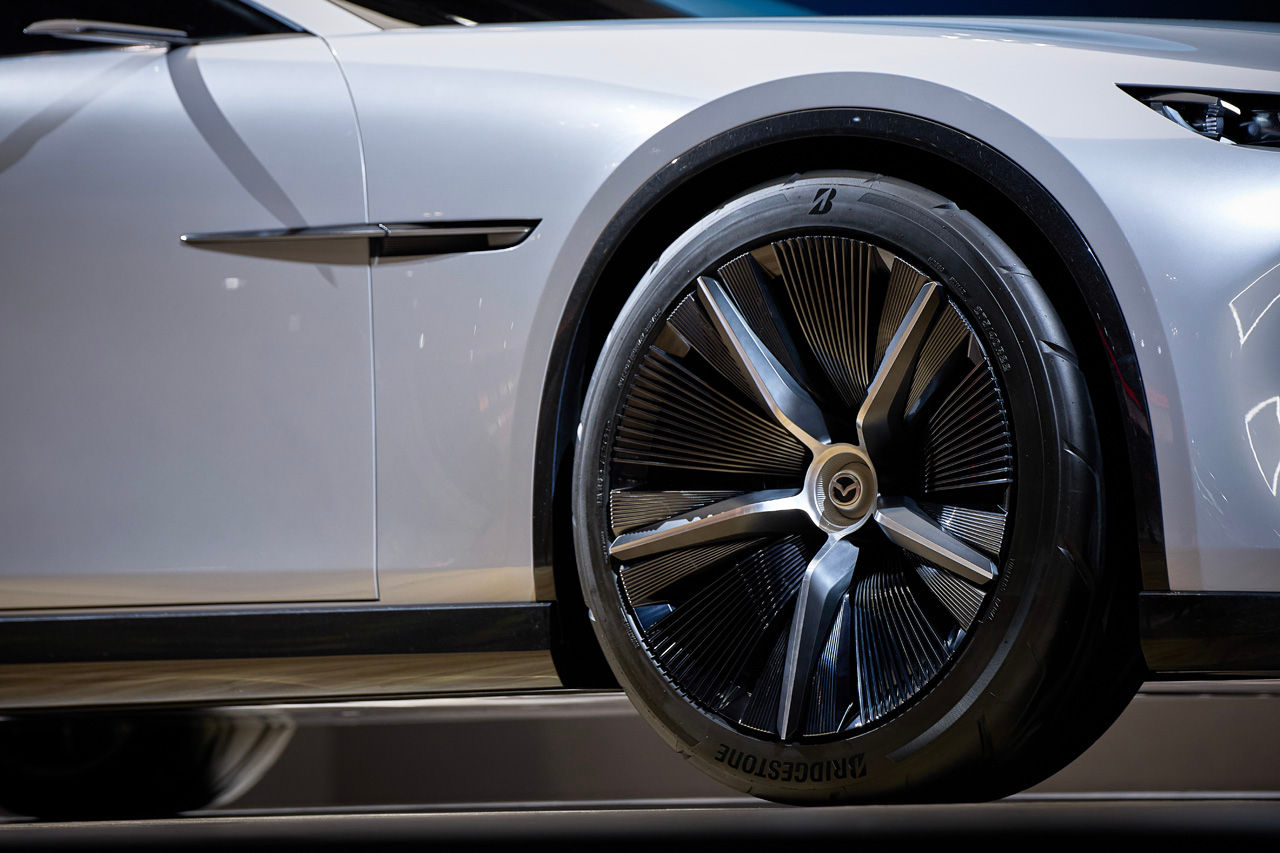
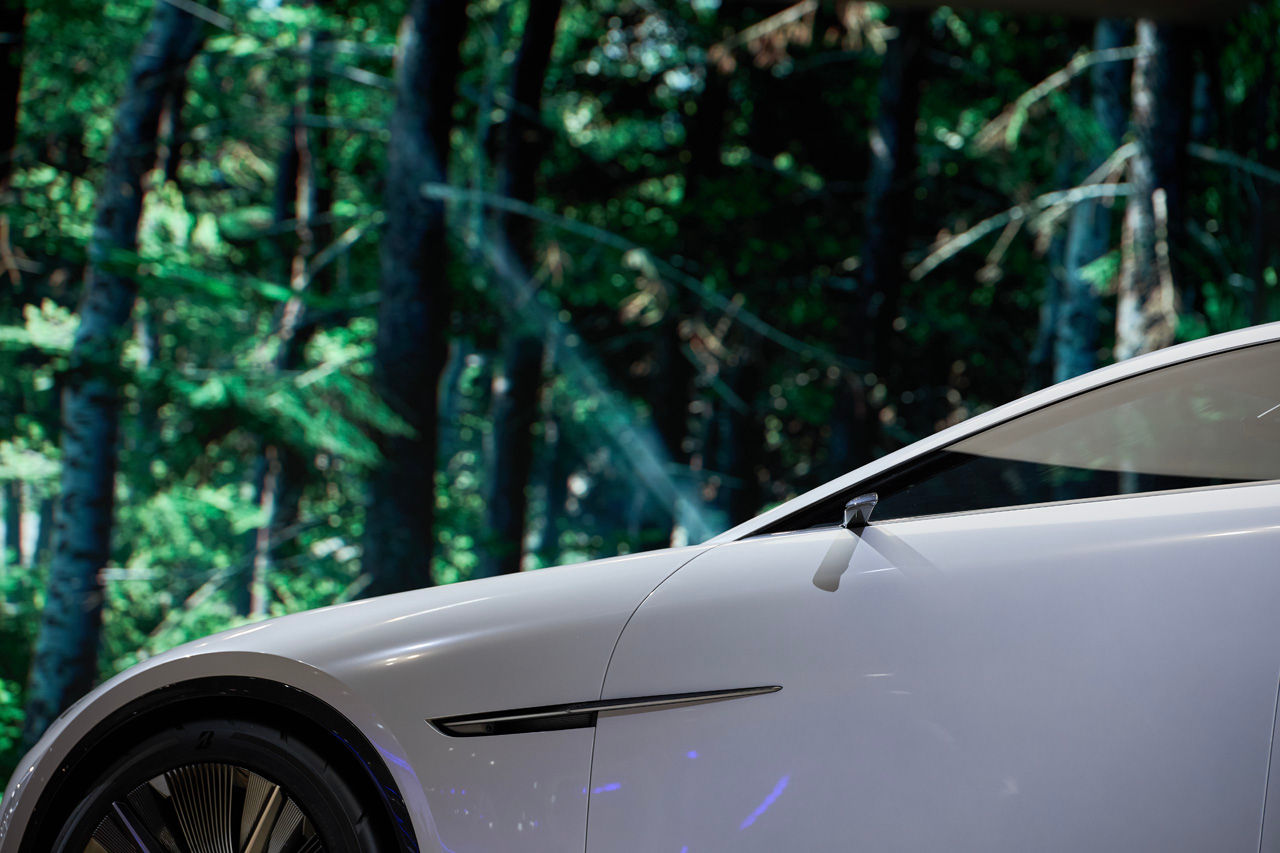
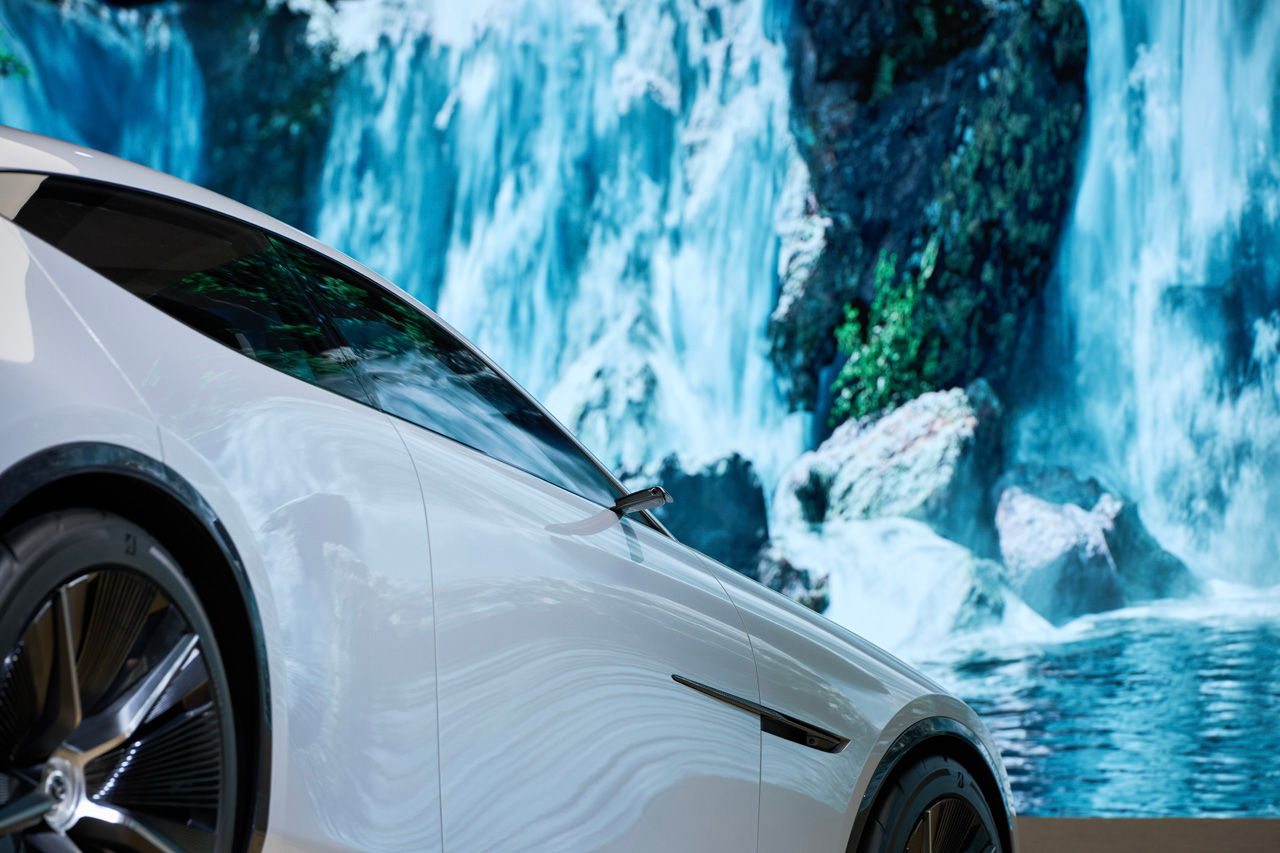
By pursuing the less is more aesthetic and designing the movement of the structure itself, the car expresses dynamic motion across its entire form: a strong force from the rear pushing forward. Rather than the previous approach of moving light, Solid Move is a new approach where the structure moves and light follows. The reflections on the body sides reveal just how detailed the design work is.
Mazda Vision X-Coupe (Interior)
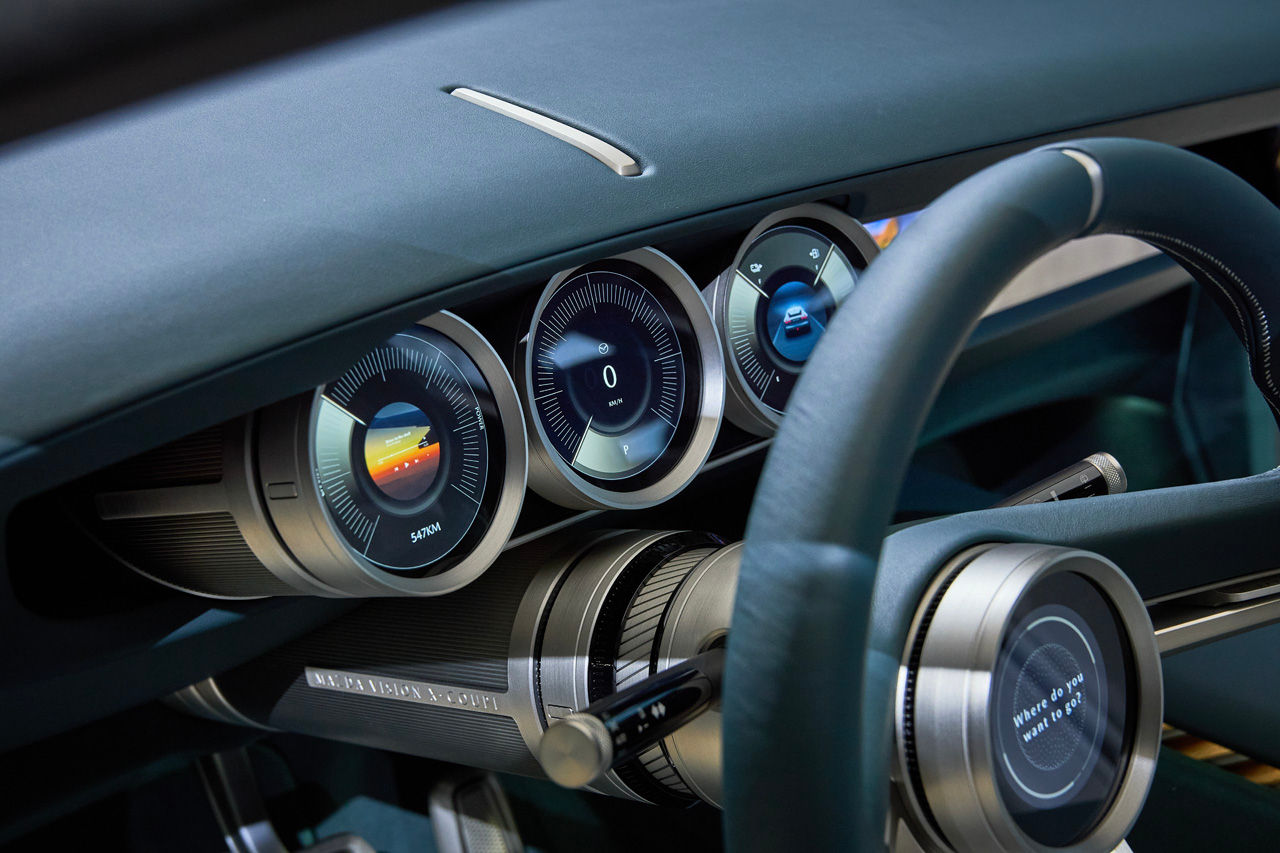
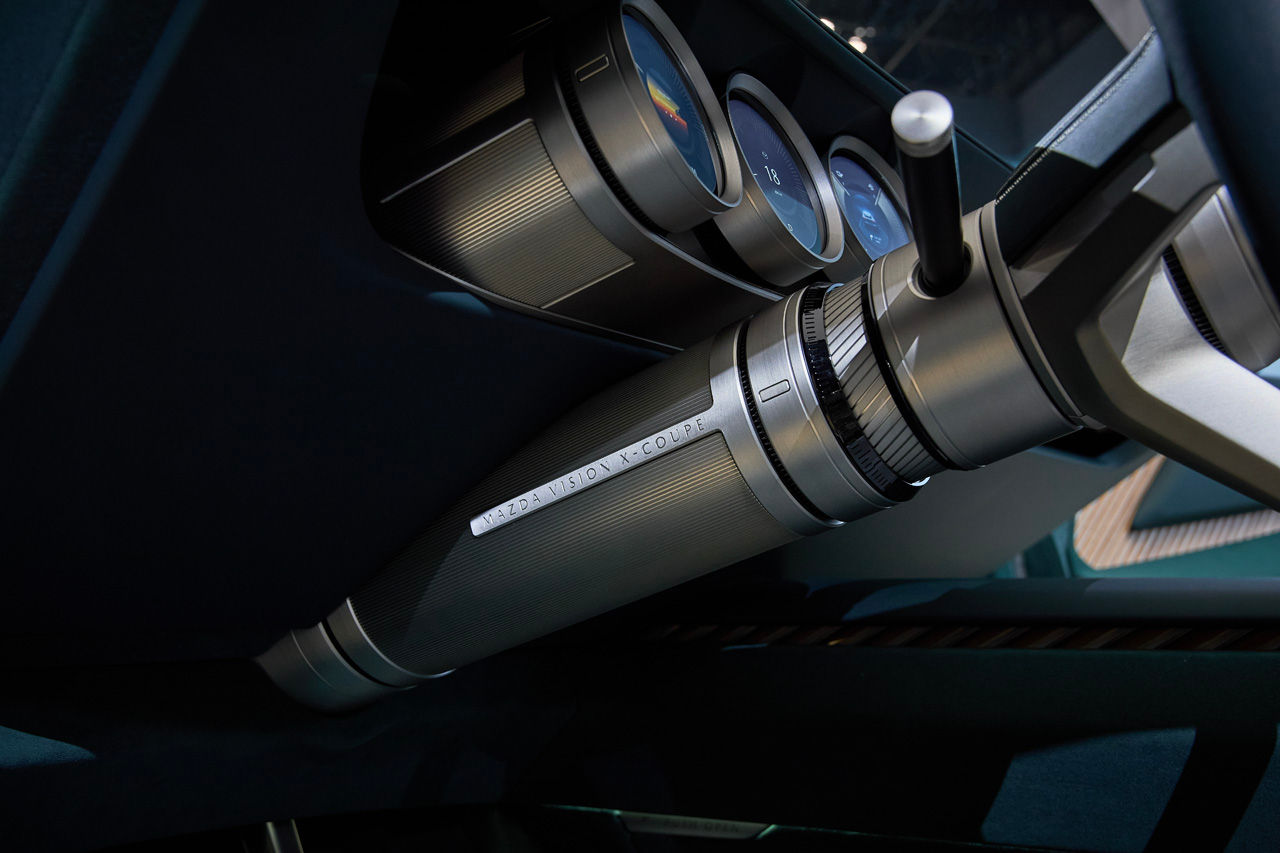
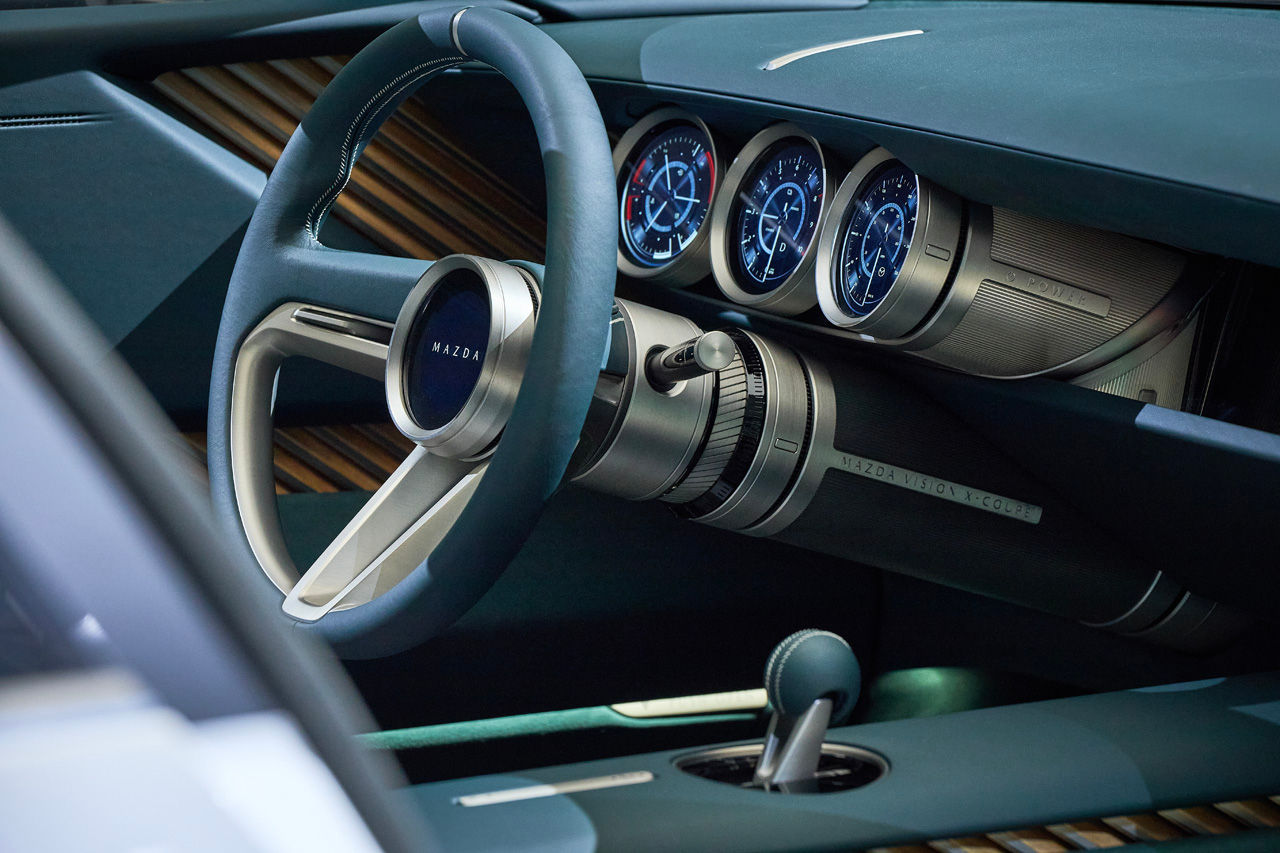
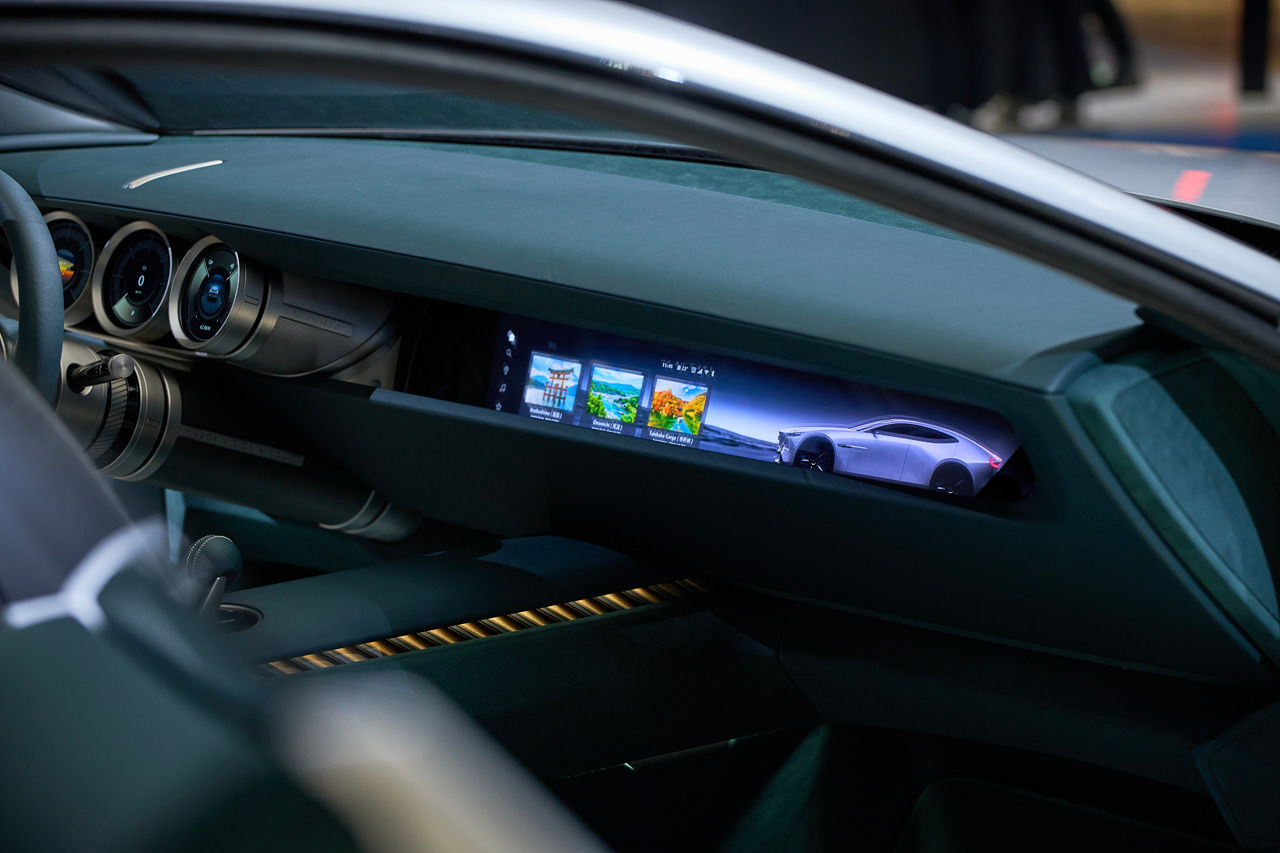
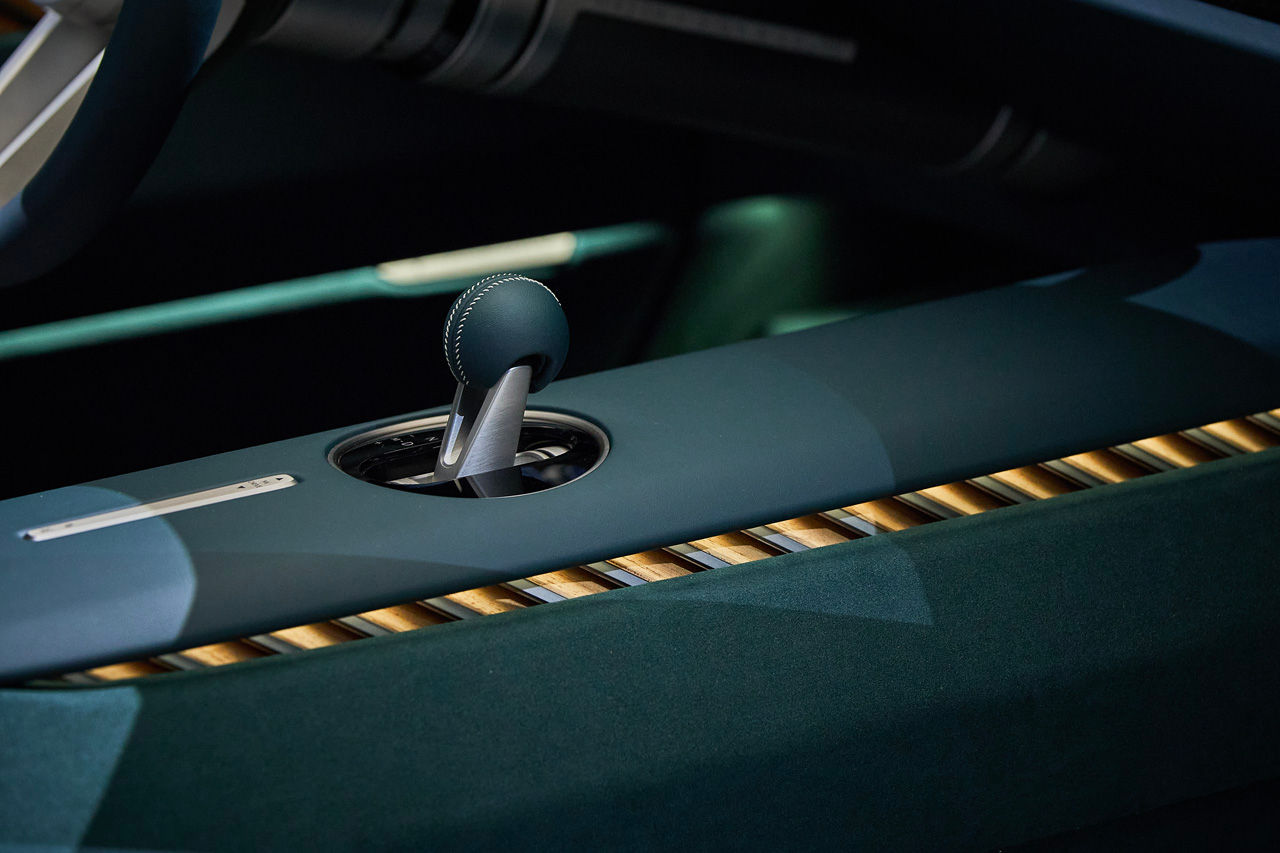
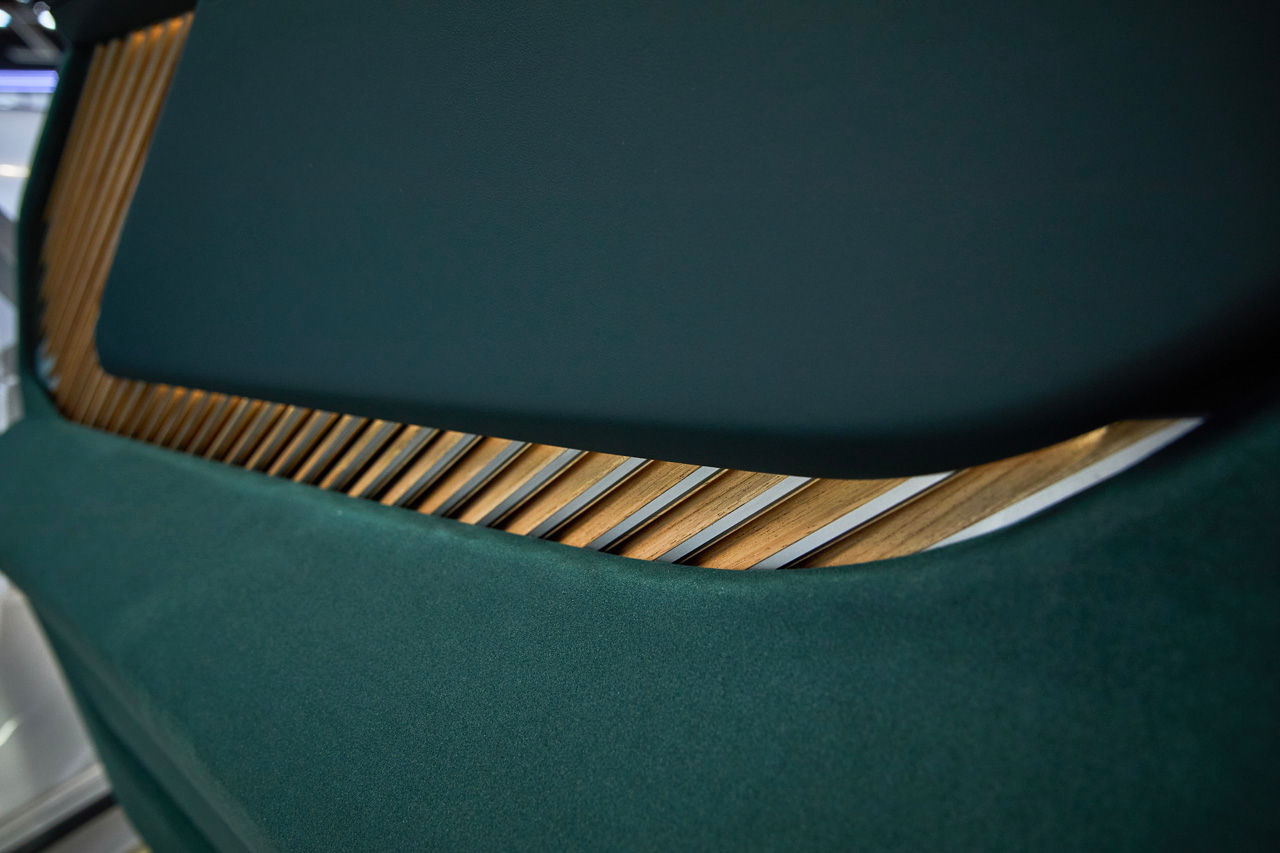
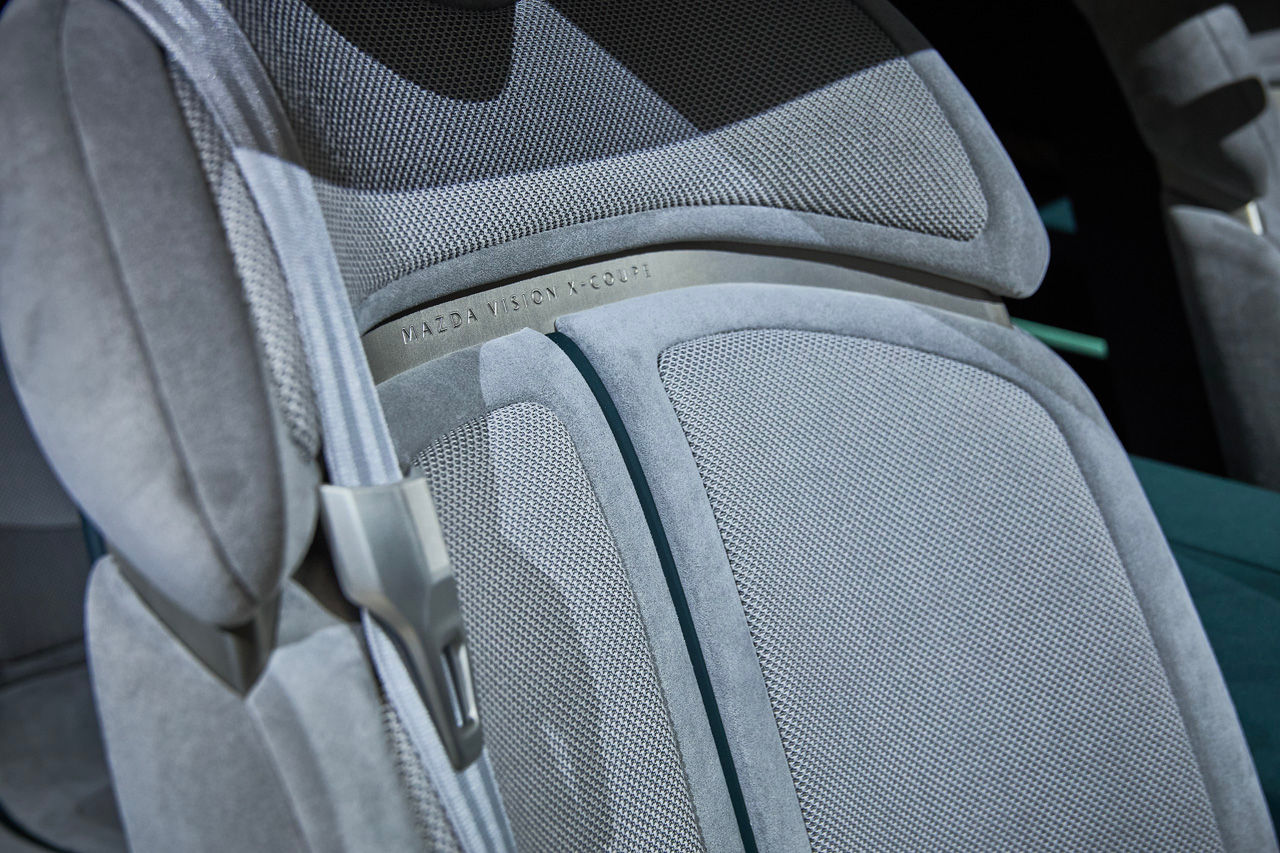
The triple gauges catch your eye the moment you open the door, sparking the desire to drive. The interior color, Sea Green, was inspired by the Seto Inland Sea. Combined with indirect lighting, the cabin balances quality with comfort. The seats use a fiber made from recycled oyster shells, proposing a new approach to oyster shell disposal, a challenge local to Hiroshima.
Mazda Vision X-Compact (Exterior)
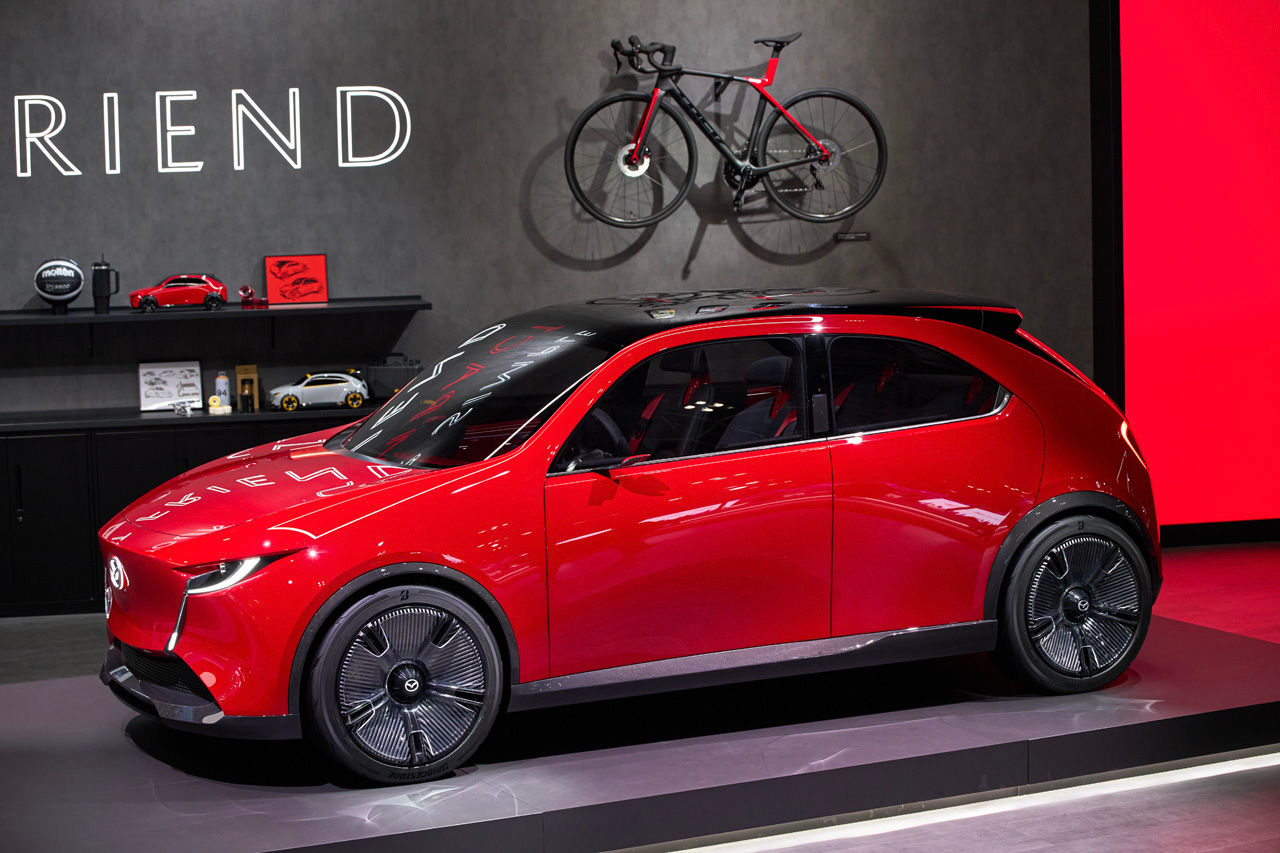
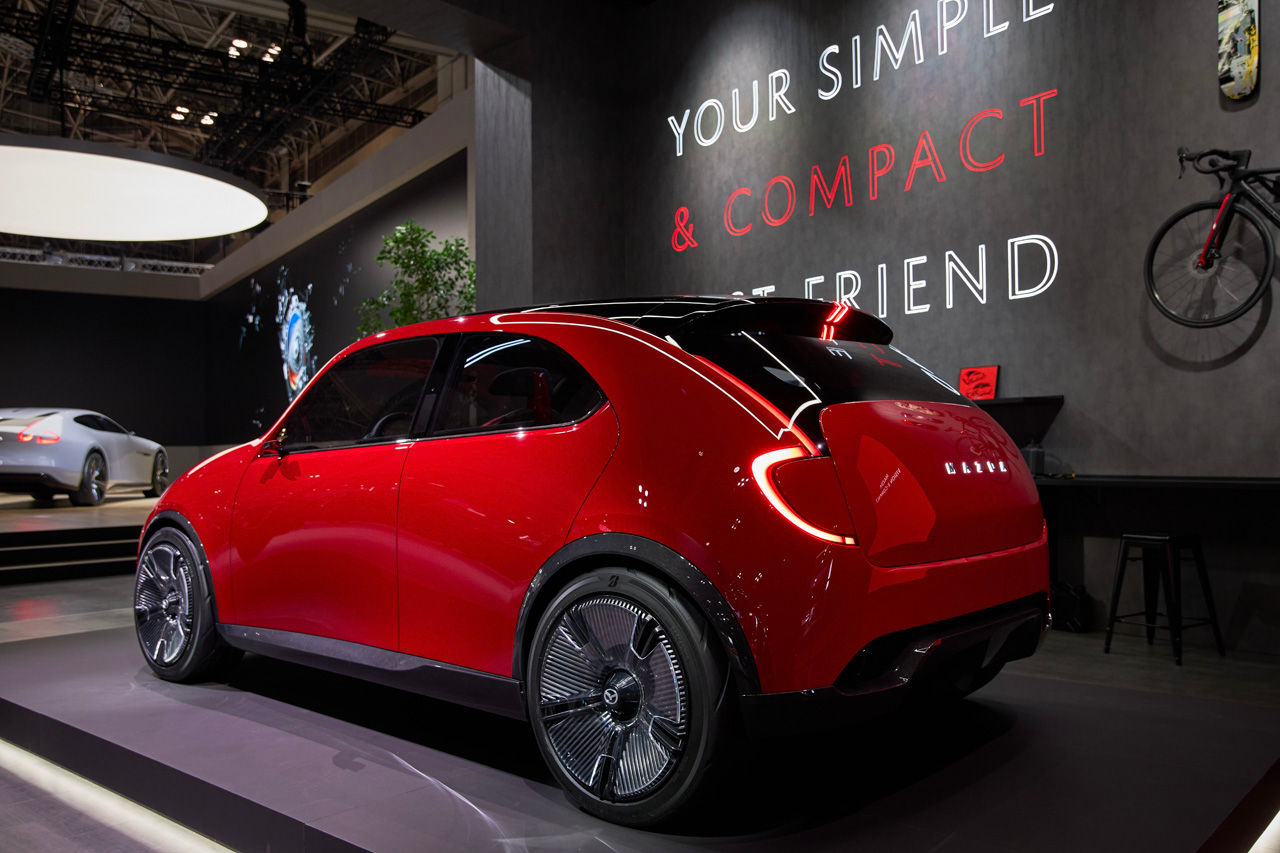
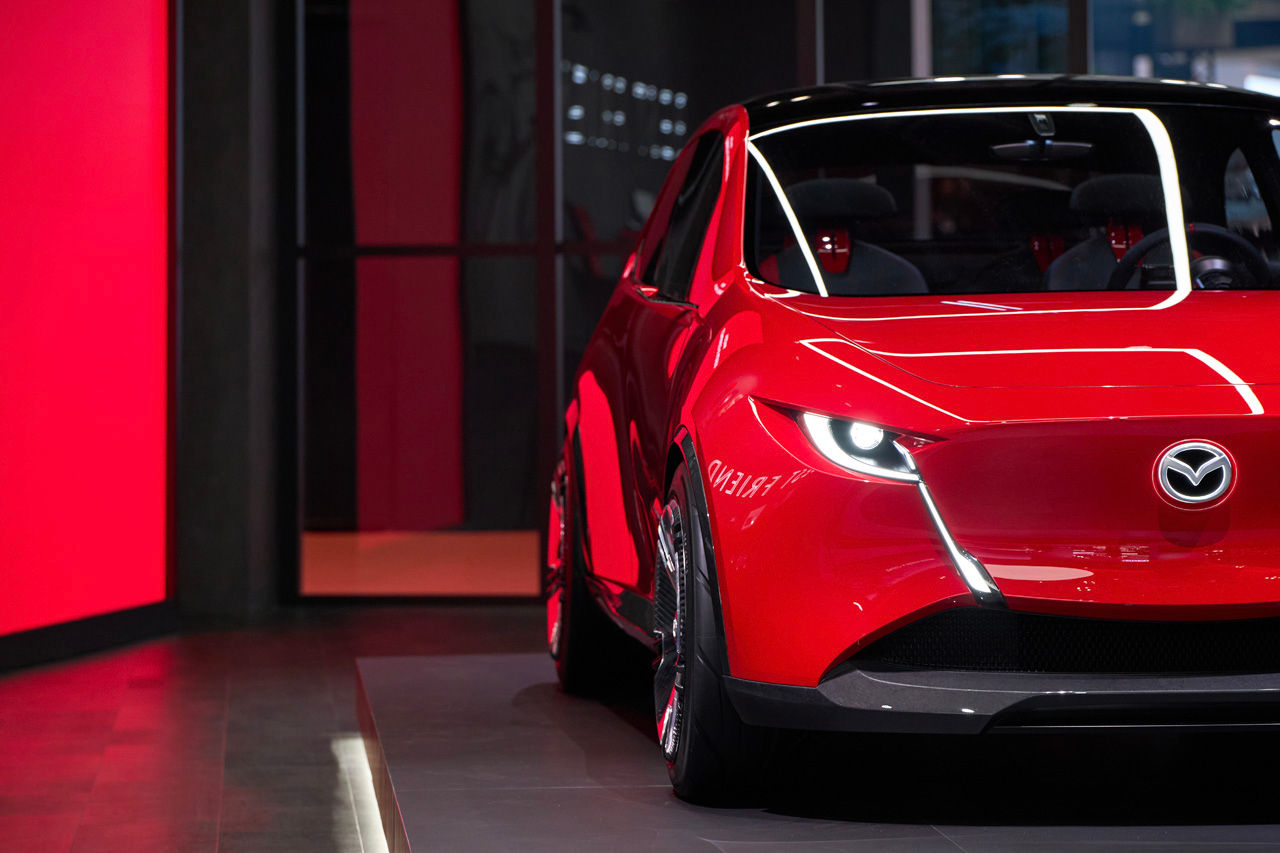
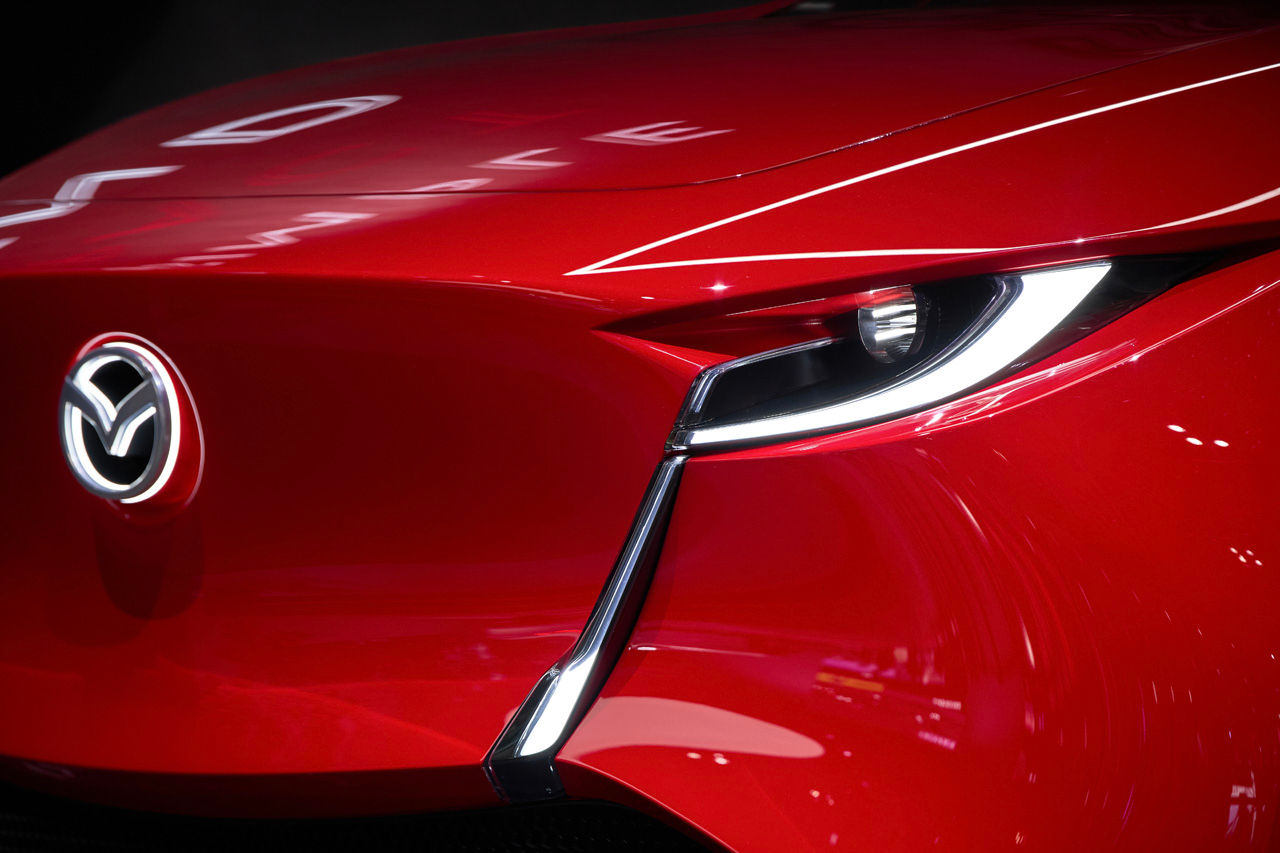
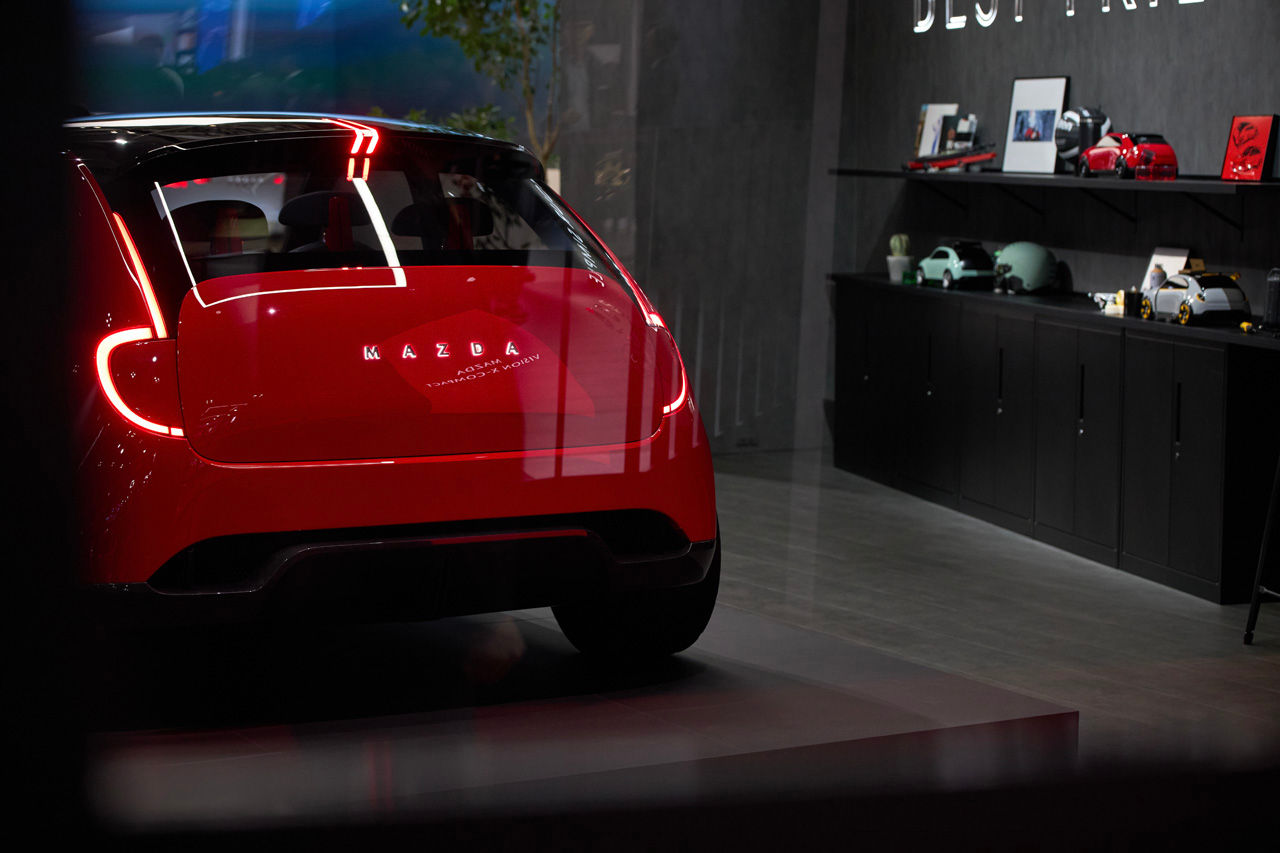
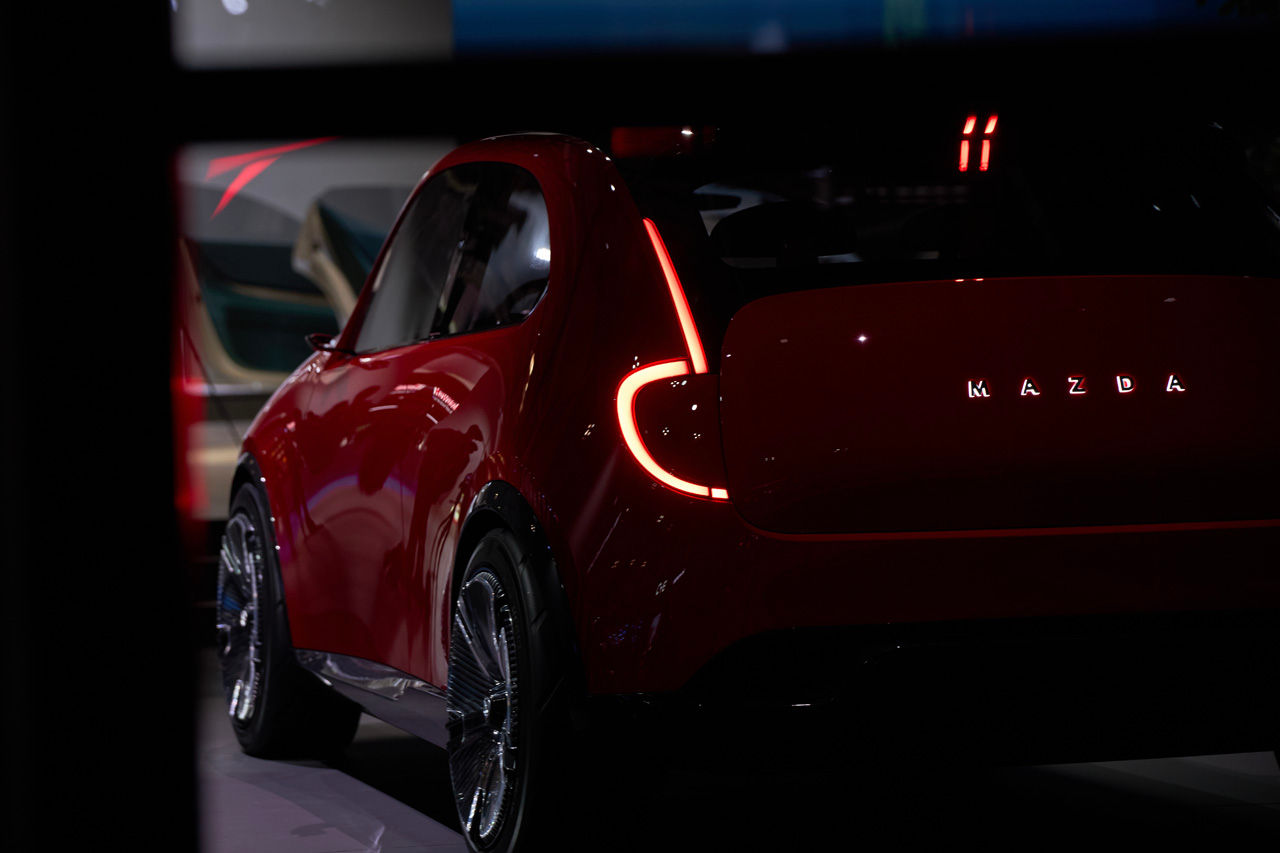
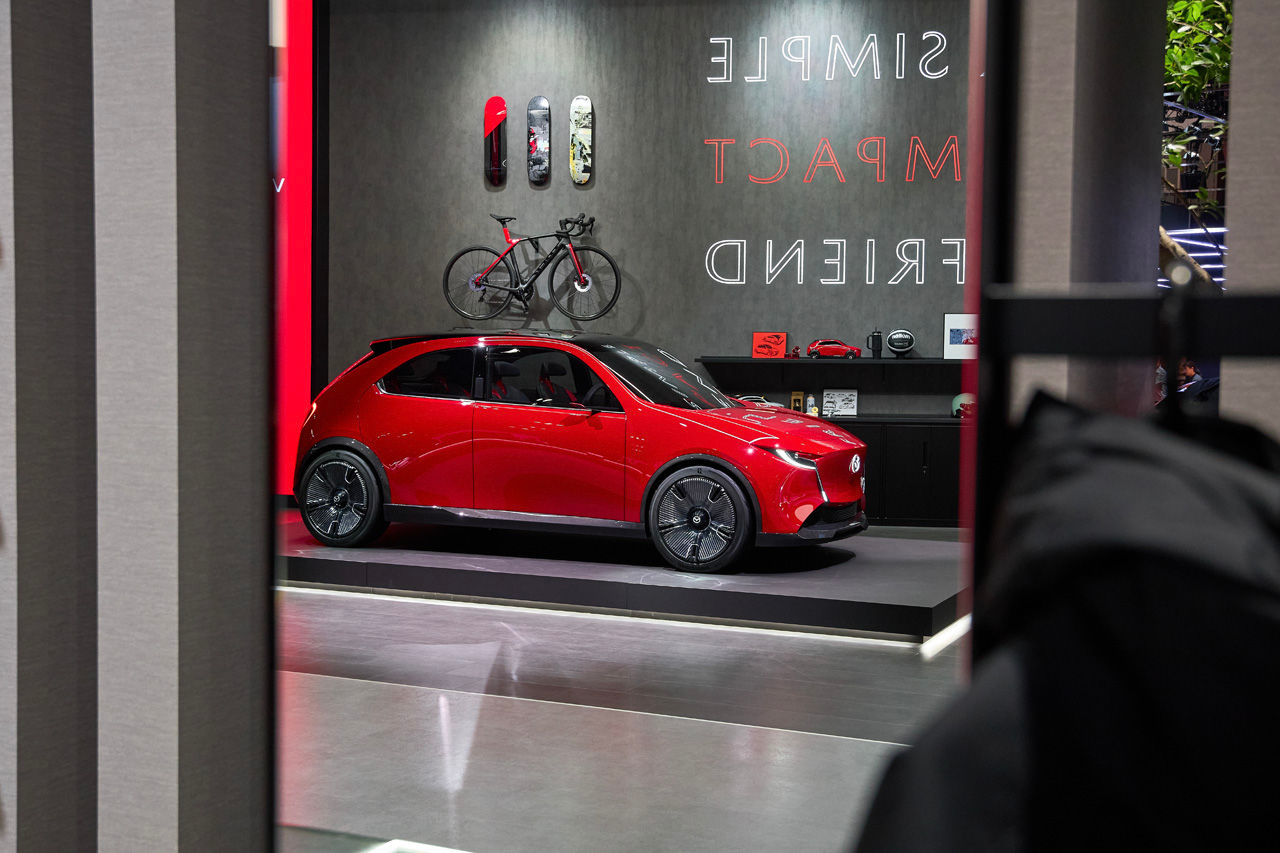
Classical yet modern and approachable, with a lovable look you can spot from across the street. It’s not just cute, there’s coolness and confidence there too. The kind of partner you’d want by your side every day.
Mazda Vision X-Compact (Interior)
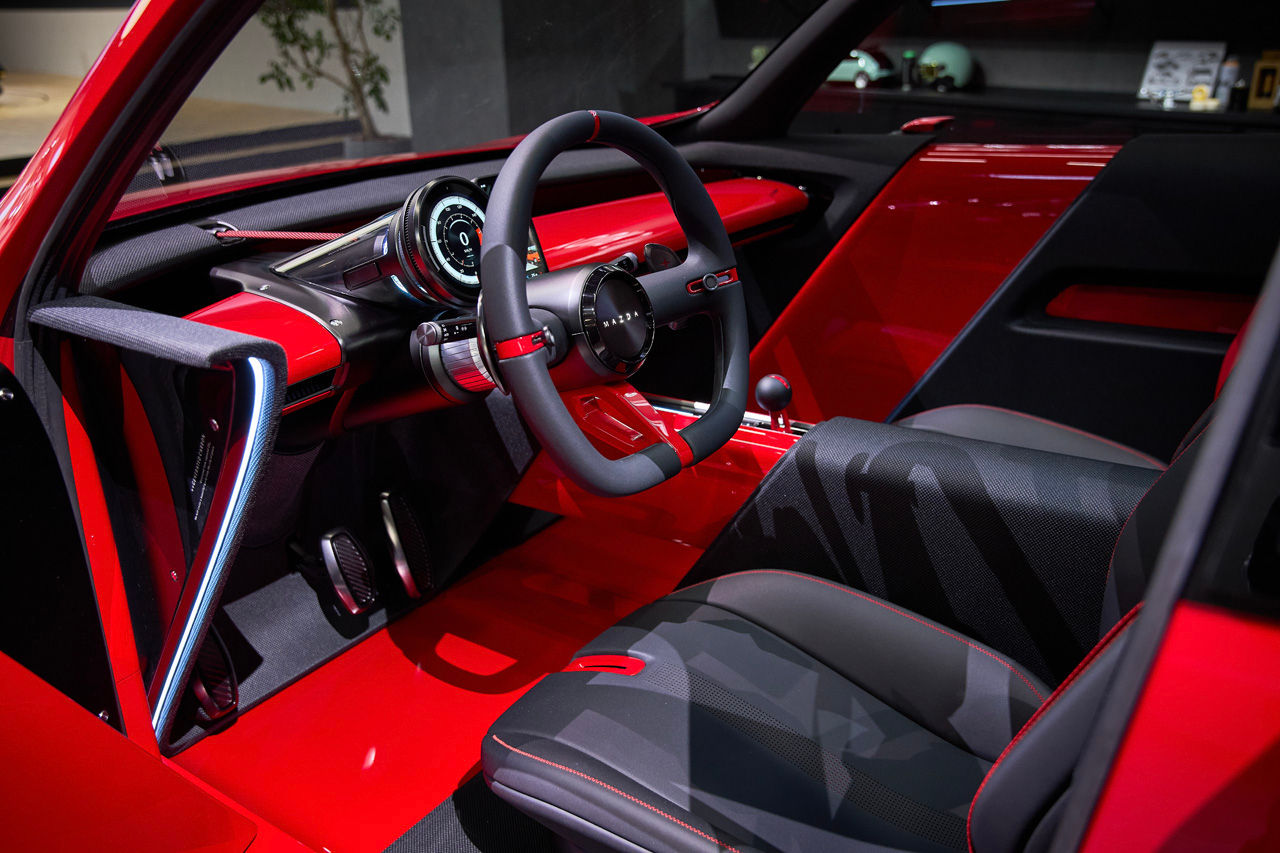
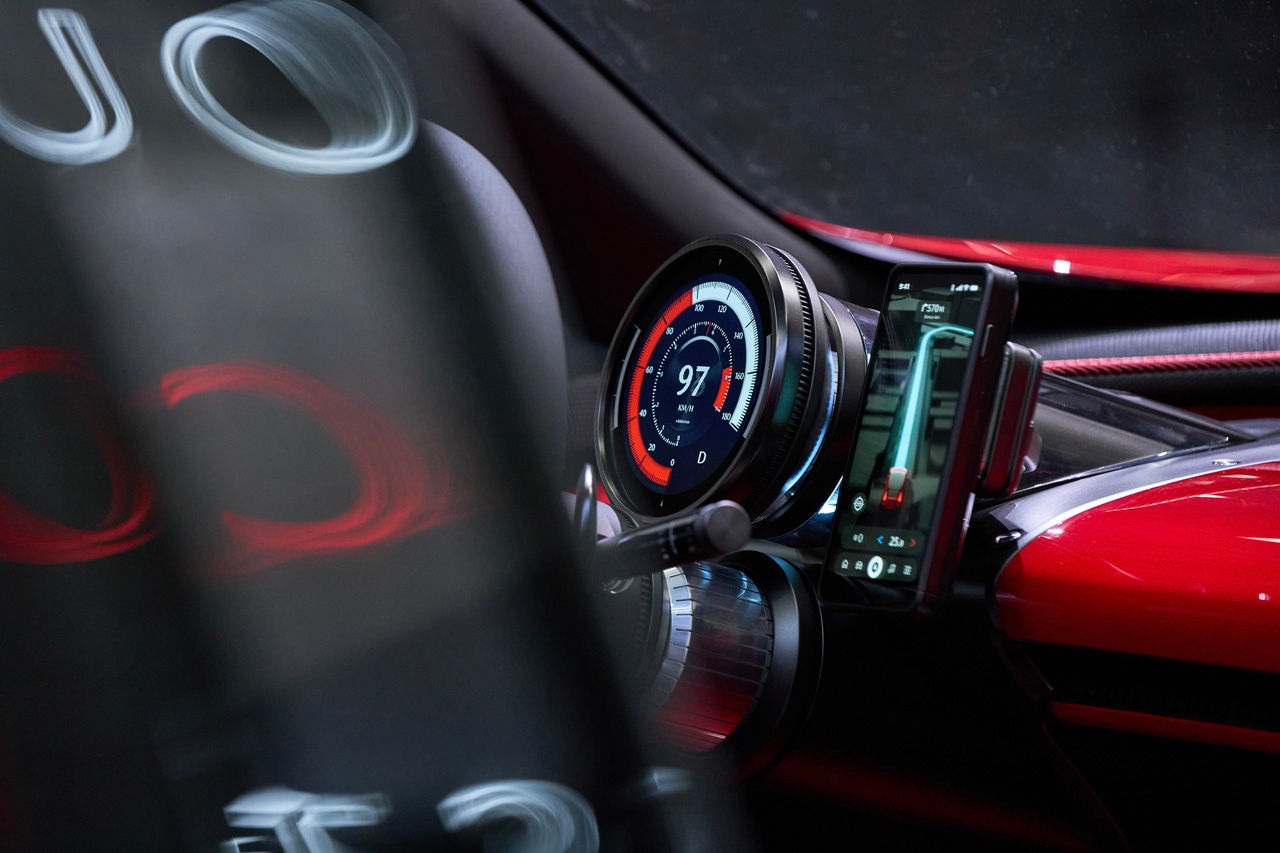
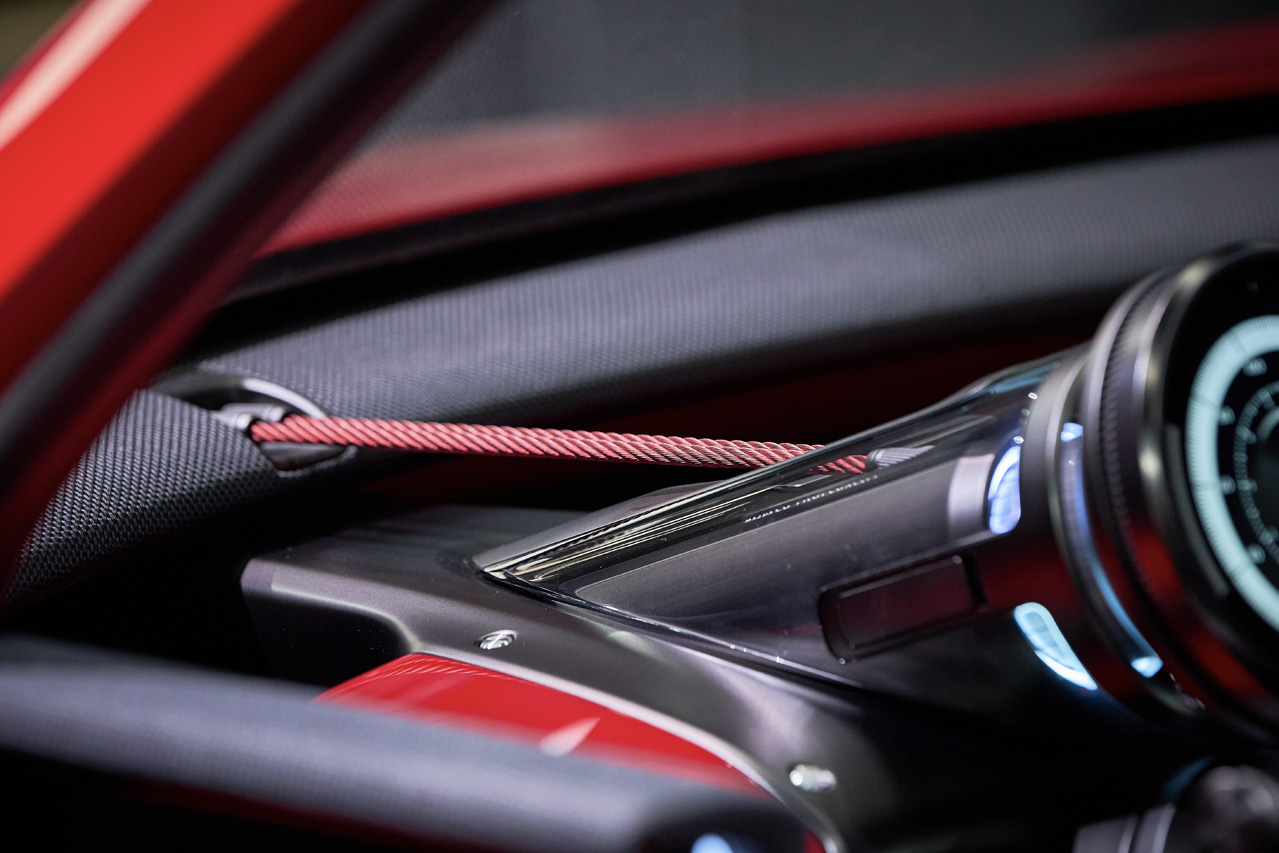
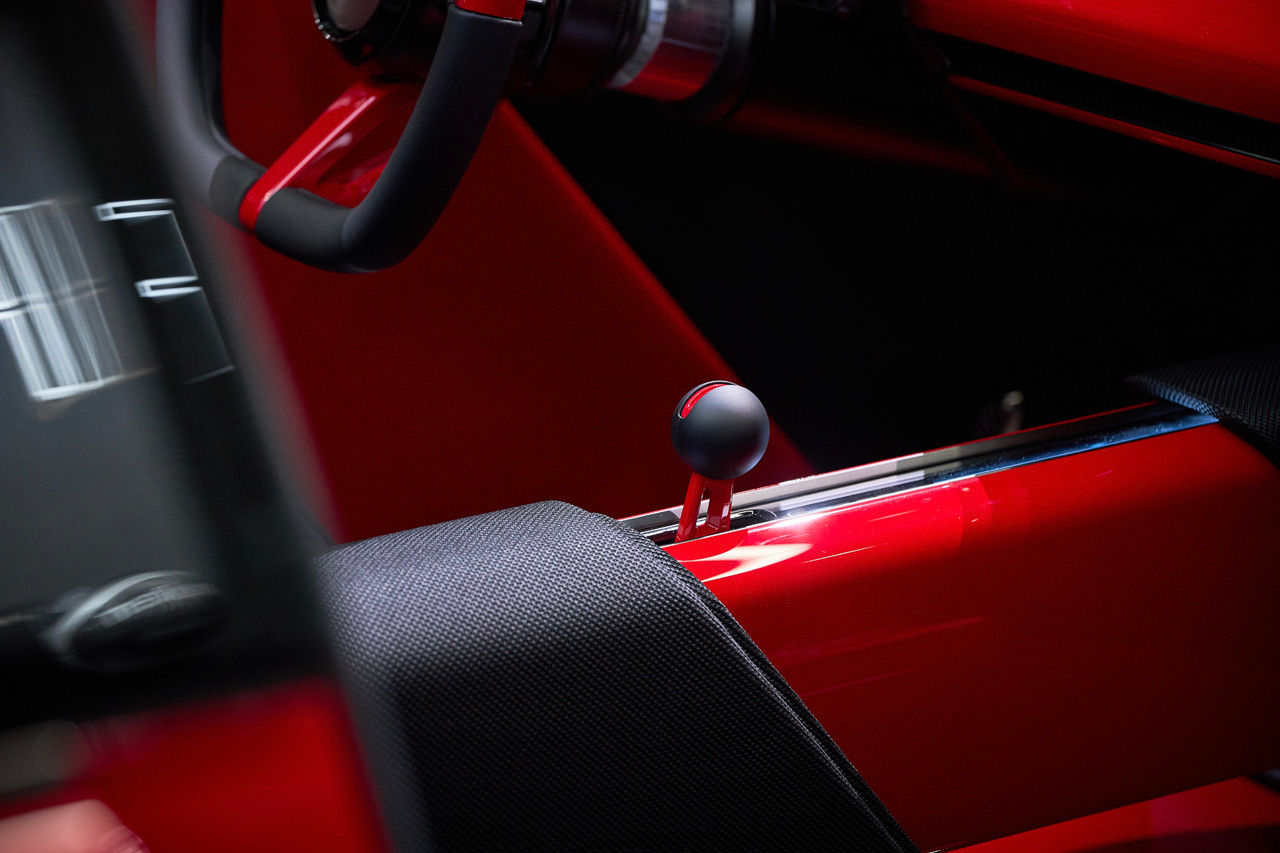
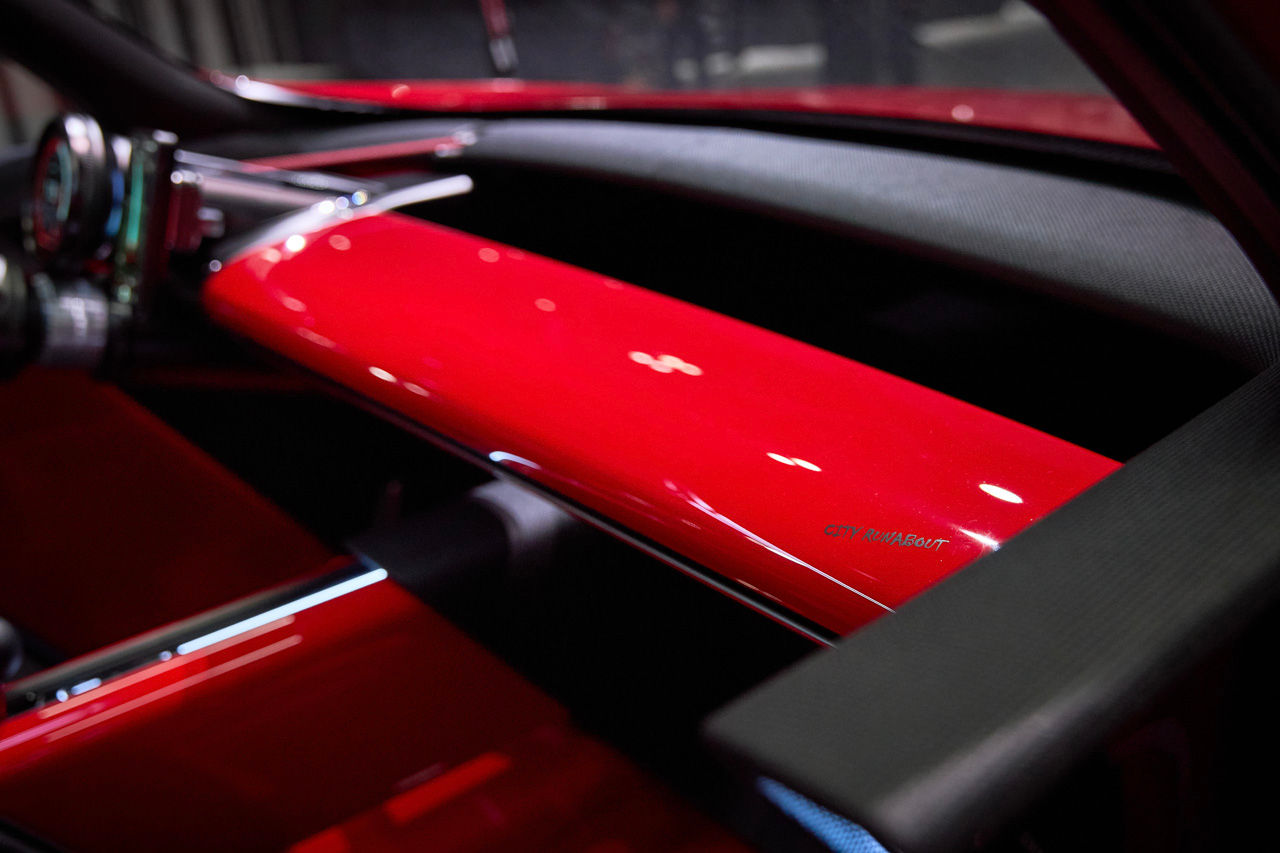
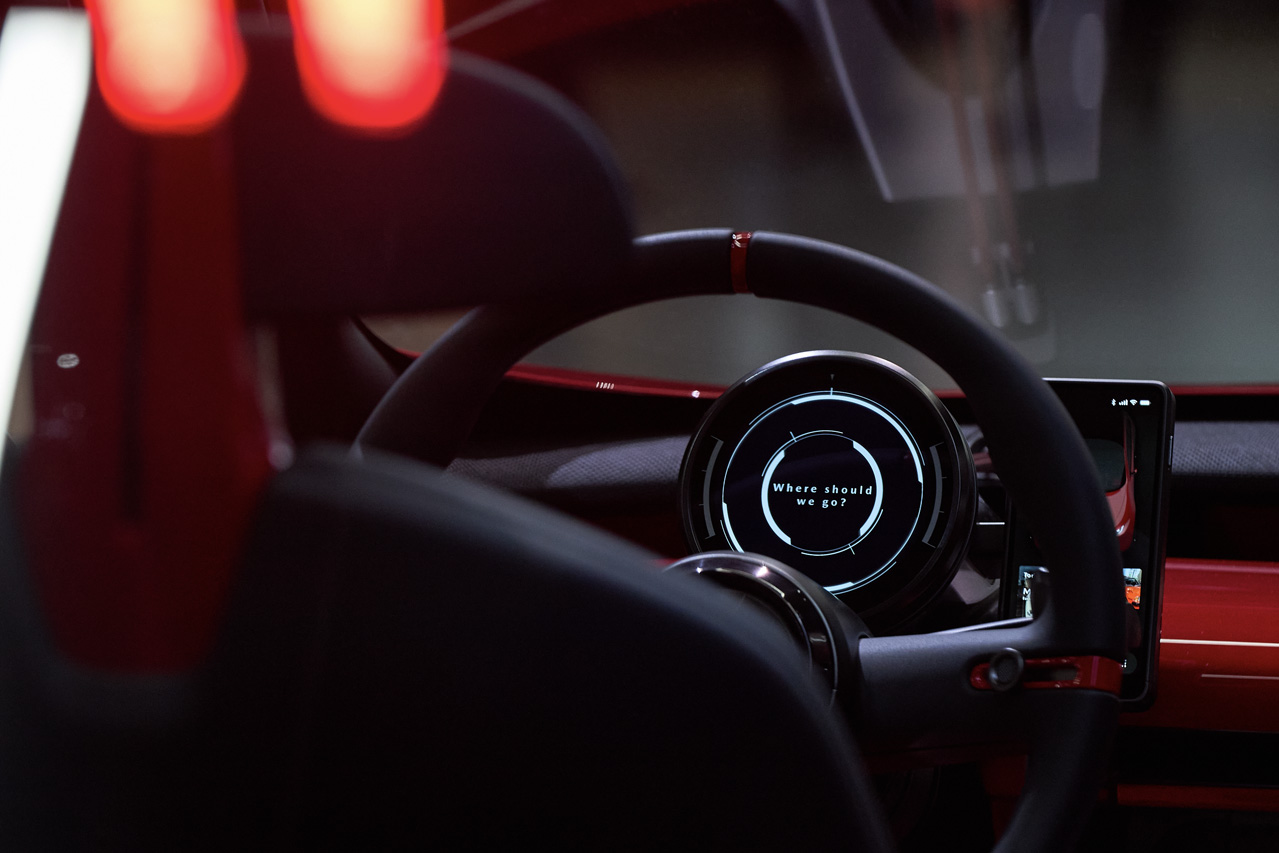
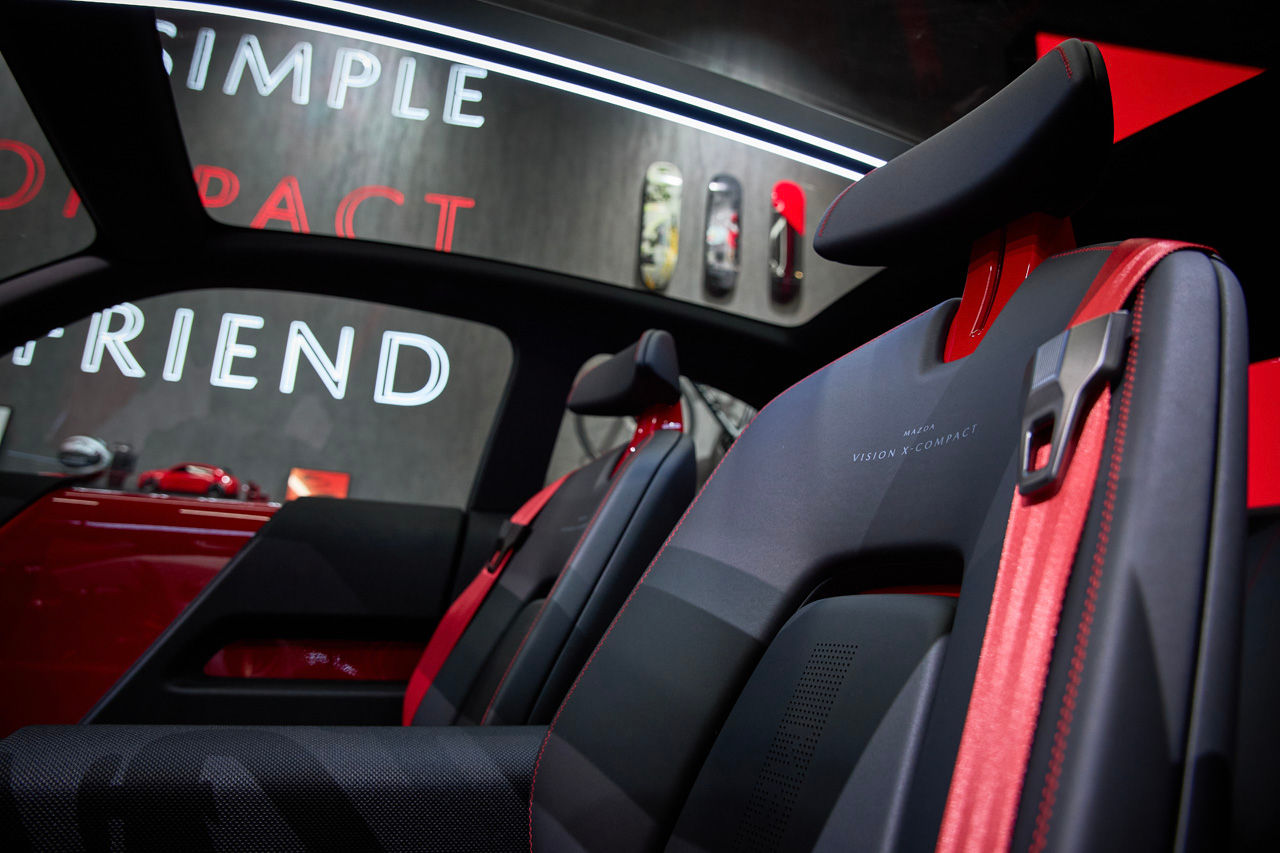
The vivid Viola Red body color cuts across the cabin, creating a distinctive interior. Materials that range from sporty synthetic leather, durable outdoor-gear style nylon fabric and recycled carbon resembling Japanese washi paper to mechanical metal, advanced transparent materials, and wire are balanced into a unified whole. It achieves a sporty appearance while also using only sustainable materials, exactly what you would want in a partner for the next generation.
From the Editorial Team
We had the opportunity to follow this project from the production stage, watching each team member wrestle with the dual concept of heritage and evolution, searching for their own answers and taking on challenge after challenge. The result was two vision models that gave that process tangible form. These vision models mark a new starting line for Mazda design. The answers and insights each designer and modeler discovered through heritage and evolution will be a powerful force driving Mazda design to new heights. As both a Mazda employee and a Mazda fan, I’m genuinely excited to see where Mazda design goes from here.
Special Edition
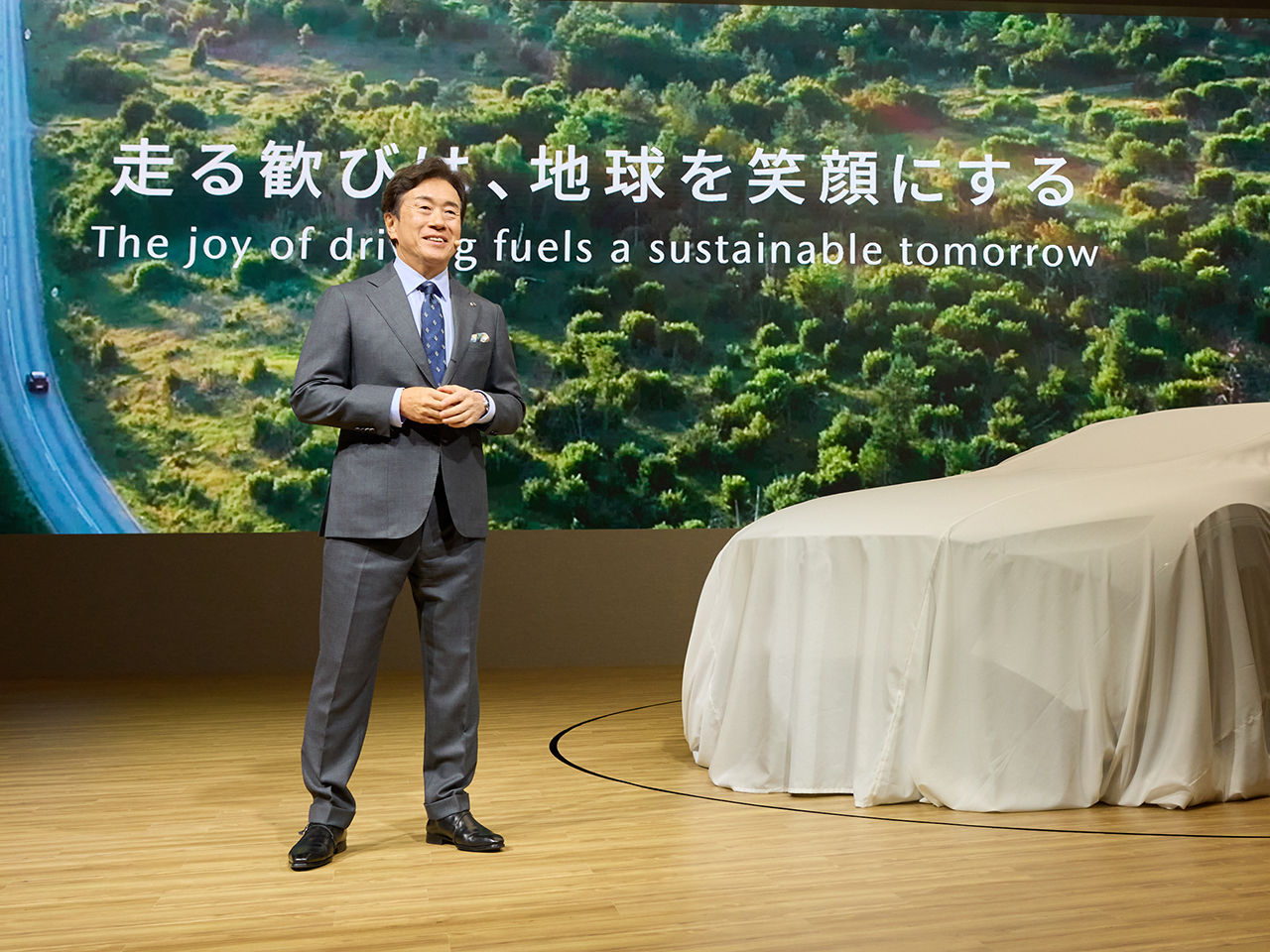
Japan Mobility Show 2025: The Joy of Driving Fuels a Sustainable Tomorrow. Mazda’s Vision for the Future of Smart Mobility in 2035
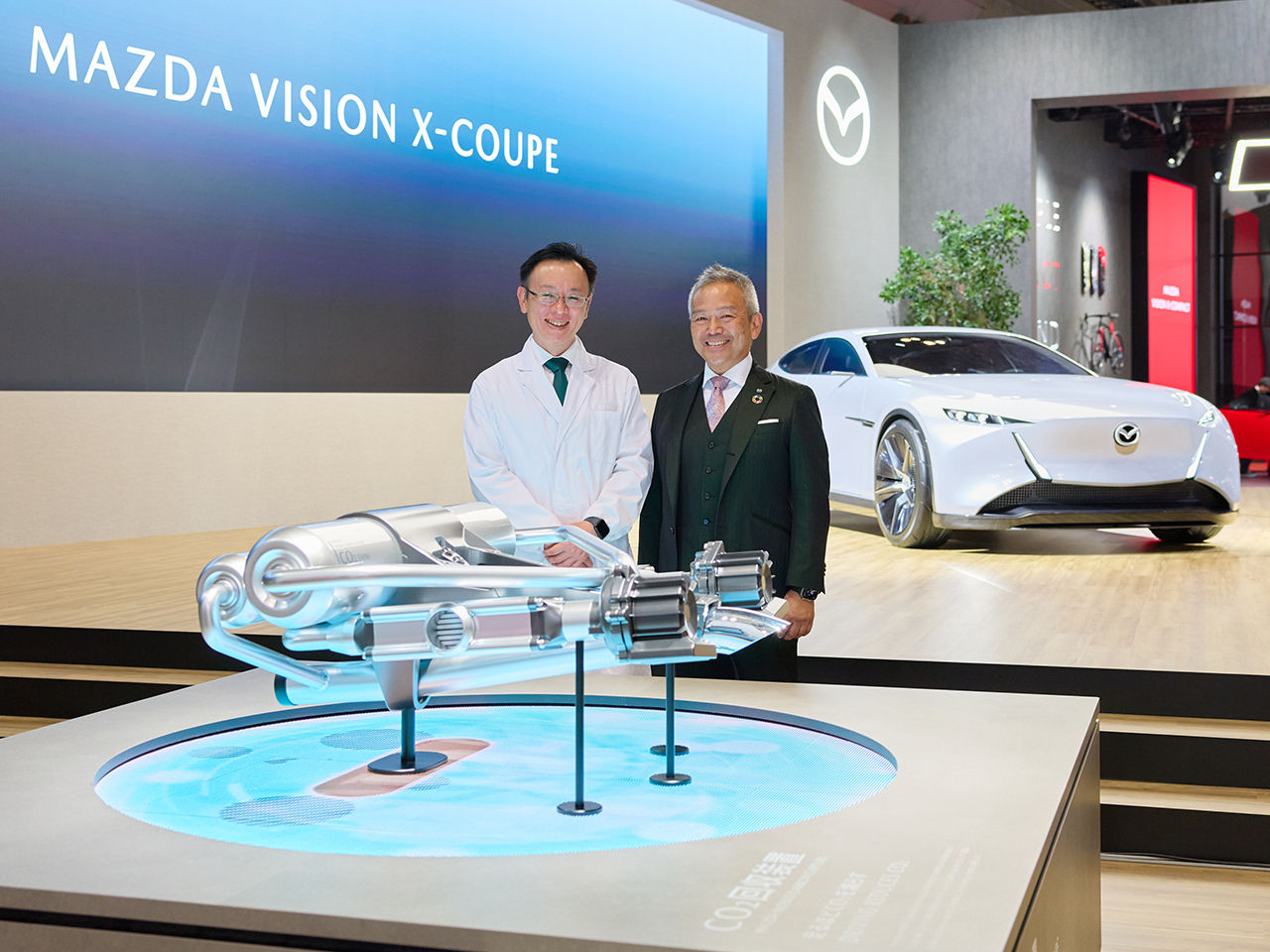
Japan Mobility Show 2025: The More You Drive, the Cleaner the Planet? The MAZDA VISION X-COUPE and the Future of Joy of Driving

Japan Mobility Show 2025: The Car That Becomes a Friend—The MAZDA VISION X-COMPACT and the Future of Car-People Relationships
MAZDA | JAPAN MOBILITY SHOW 2025
Related Contents

MAZDA’S DESIGN PHILOSOPHY>
BREATHING LIFE INTO THE CAR. BRINGING MAZDA’S PHILOSOPHY TO LIFE. INTRODUCING MAZDA’S “KODO DESIGN”